Prayer Speakers
You've got a faith-based event coming up.
Maybe it's a podcast episode you want to bring depth to, or a community gathering that needs something more than just a mic and a message.
But now you're stuck searching through endless profiles and pitches, wondering… how do I find the right prayer speakers?
The ones who actually connect, inspire, and speak with clarity and sincerity?
This guide walks you through exactly that.
You'll learn what makes a prayer speaker stand out, when and where they shine, and how to choose someone who aligns with your audience's values.
Prayer speakers can bring calm, conviction, and meaning to a room - but only if they're the right fit.
I've seen how powerful these voices can be when matched with the right platform.
Whether you're planning a summit, launching a new podcast series, or just want someone who can speak with real spiritual presence, you'll find solid options here.
Check out the featured prayer speakers below and book someone who fits your event's purpose and tone.
Top Prayer Speakers List for 2026

Lisa Giesler
Uncluttered and Finding joy and purpose in life's
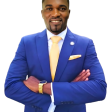
Kishford Frank
Empowering Preachers/Speakers To Engage, Inspire, and Transform Their Audience

Michelle Rahal
Christian author, speaker, and writing coach on a mission to make heaven crowded

Brett Koon
Let go of who you are not so you can discover who you are!
Reginald Sherman
Reginald D Turning Trials into Triumphs with Faith, Resilience, and Real Talk

Sherrika Sanders
Empowering women to lead boldly and thrive at God's pace!

Jennifer Reid-Walker
Empowering hearts through forgiveness and authentic connections.
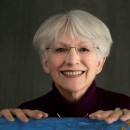
Marie Morgan
Redefining life after 60 as our Prime Time

Wesley Farnsworth
Christian Speaker on Faith, Transformation & Recovery | Author of The Blueprint of Becoming

Nathan Dietsche
Faith-driven leader, boldly sharing truth and transforming lives.
What Makes a Great Prayer Speaker
It starts with authenticity. A great prayer speaker isn't performing-they're embodying. Their tone, cadence, and pauses are aligned with their message. They're not rushing to fill silence; they're using it. Silence, when intentional, can be more powerful than words. Great speakers know this.
Then there's emotional intelligence. They read the room. Whether speaking to a grieving family, a stadium of believers, or a virtual summit audience, they adapt. They know when to uplift, when to console, and when to challenge. Their words are timely, not just timeless.
And finally, they're grounded in their spiritual practice. You can tell when someone walks the talk. Their prayer isn't just a script-it's a reflection of their daily life. That's what makes it land. That's what makes it real. So if you're looking for a great prayer speaker, don't just listen to what they say. Watch how they live.
How to Select the Best Prayer Speaker for Your Show
1. Define the purpose of the prayer segment.
- Is it meant to open the event with reverence? Close it with reflection? Or offer interfaith inclusivity?
- For example, a business summit might want a non-denominational blessing, while a faith-based retreat may need a speaker rooted in a specific tradition.
2. Know your audience.
- Are they from a particular faith background? Are they spiritual but not religious? Are they global?
- For diverse audiences, consider speakers like Valarie Kaur who speak from a place of spiritual inclusivity.
3. Use platforms like Talks.co to browse vetted prayer speakers.
- Filter by tradition, language, region, or event type.
- Look at their speaker page: past events, video clips, testimonials.
4. Reach out and ask the right questions.
- What's your approach to interfaith audiences?
- Can you tailor your message to our event's theme?
- Have you spoken at virtual or hybrid events?
5. Match energy and tone.
- A high-energy conference opener needs a different vibe than a reflective closing ceremony.
- Watch their past talks to see if their delivery fits your event's flow.
Selecting the best prayer speaker isn't about picking the most famous name. It's about finding the right voice for your moment. And when you get that right, everything else clicks into place.
How to Book a Prayer Speaker
1. Start with clarity.
- What's the purpose of the prayer segment?
- How long should it be-2 minutes or 20?
- Will it be live, pre-recorded, or hybrid?
2. Use a platform like Talks.co to discover and connect.
- Talks.co connects hosts with speakers across niches, including spiritual leaders and prayer speakers.
- Browse profiles, watch clips, and read reviews.
3. Reach out with a tailored message.
- Be specific: date, time, audience, format, and theme.
- Example: "We're hosting a virtual wellness summit for 500 attendees and would love you to open Day 2 with a 5-minute interfaith prayer."
4. Confirm logistics and expectations.
- Time zone coordination.
- Tech requirements (Zoom, StreamYard, etc.).
- Whether they'll need a moderator or introduction.
5. Finalize with a speaker agreement.
- Even if it's unpaid, outline expectations in writing.
- Include cancellation policies, recording rights, and promotional details.
6. Promote the speaker.
- Add their bio and photo to your event page.
- Mention them in your emails and social posts.
Booking a prayer speaker is part logistics, part relationship-building. Treat them with the same professionalism you'd offer a keynote speaker, and they'll bring the same level of impact.
Common Questions on Prayer Speakers
What is a prayer speaker
These speakers can come from various religious or spiritual traditions-Christian pastors, Muslim imams, Jewish rabbis, Buddhist monks, or even non-denominational spiritual leaders. What unites them is their role in guiding others through a moment of reflection, reverence, or connection.
Prayer speakers are often invited to open or close events, bless meals, mark transitions (like weddings or funerals), or offer comfort during crises. Their words are typically intentional, poetic, and rooted in tradition or personal spiritual practice.
In virtual summits, conferences, or community events, prayer speakers help set the tone. They might offer a grounding moment before a high-energy keynote or a calming reflection after a panel discussion. Their presence reminds attendees that events aren't just transactional-they're transformational.
So whether it's a 30-second invocation or a 10-minute spiritual message, a prayer speaker's job is to bring people into the present moment with purpose and care.
Why is a prayer speaker important
First, prayer speakers help anchor events in purpose. At a leadership summit, for example, a short prayer can remind attendees of the values behind their work. At a memorial, it can offer collective healing. It's not about preaching-it's about presence.
Second, they offer inclusivity when done thoughtfully. A skilled prayer speaker knows how to speak to a room full of diverse beliefs without alienating anyone. They use language that uplifts rather than divides. Think of someone like Oprah Winfrey, who often blends spiritual language with universal values.
Third, prayer speakers help transition energy. After a high-energy keynote, a calming prayer can help attendees absorb what they've heard. Before a panel, a short blessing can focus attention. It's like emotional punctuation for your event.
And finally, they remind us that we're more than just attendees or speakers-we're humans with hopes, fears, and dreams. A good prayer speaker taps into that shared humanity. That's not fluff. That's foundational.
What do prayer speakers do
- Lead Collective Prayer. Whether it's a Christian invocation, a Muslim dua, or a non-denominational blessing, prayer speakers guide groups through spoken moments of spiritual reflection.
- Set the Tone for Events. At conferences, retreats, or ceremonies, they often open or close sessions with a prayer that aligns with the event's theme. This helps unify the audience and create a shared emotional experience.
- Bridge Diverse Audiences. Skilled prayer speakers know how to speak across traditions. They might use inclusive language or reference universal values like compassion, gratitude, or peace.
- Offer Comfort and Grounding. In moments of grief, transition, or uncertainty, prayer speakers provide words that soothe and stabilize. For example, during a crisis response webinar, a short prayer can help participants process emotions.
- Represent Spiritual Traditions. Many prayer speakers are also leaders in their communities-pastors, imams, monks, or spiritual coaches. They bring not just words, but the weight of their tradition and practice.
In short, prayer speakers don't just speak-they guide, connect, and elevate. Their role is both functional and deeply human.
How to become a prayer speaker
1. Clarify Your Calling.
- Before anything else, reflect deeply on why you want to become a prayer speaker. Is it to inspire others? To lead worship? To share personal faith experiences? Your 'why' will shape your message and your audience.
2. Develop Your Prayer Voice.
- This doesn't mean just your tone, but your message, your cadence, and your ability to connect. Practice aloud. Record yourself. Join local prayer groups or online communities to get feedback.
3. Study and Learn.
- Read sacred texts, explore different prayer traditions, and study public speaking techniques. Consider taking courses in theology, communication, or spiritual leadership. Platforms like Coursera or Udemy offer accessible options.
4. Build a Speaker Page.
- Use a platform like Talks.co to create a professional speaker profile. Include your bio, topics you speak on (e.g., interfaith prayer, healing prayer, morning devotionals), testimonials, and a video sample. This helps event organizers find and trust you.
5. Start Small and Local.
- Offer to speak at local churches, community centers, or online prayer groups. Host your own prayer sessions via Zoom or Instagram Live. These early gigs build confidence and credibility.
6. Connect with Hosts and Event Planners.
- Use Talks.co to connect with podcast hosts, virtual summit organizers, and spiritual event coordinators. Reach out with a clear pitch: who you are, what you offer, and how you can serve their audience.
7. Refine and Expand.
- After each talk, ask for feedback. What resonated? What could be stronger? Use that input to refine your message and delivery. Over time, expand your reach to national or international platforms.
Remember, prayer speaking is as much about listening as it is about speaking. Stay grounded in your faith, and let your message evolve with your journey.
What do you need to be a prayer speaker
1. A Deep Spiritual Foundation
Whether you're rooted in Christianity, Islam, Judaism, or another tradition, a strong understanding of your faith's teachings on prayer is essential. This includes scripture knowledge, theological insight, and personal spiritual discipline. People can tell when you're speaking from a place of authenticity.
2. Communication Skills
Prayer speakers must be able to articulate their thoughts clearly and with emotional resonance. This means working on public speaking techniques: pacing, tone, body language, and storytelling. Even if you're speaking in a quiet, meditative style, clarity and presence matter.
3. A Platform to Share Your Voice
You need a way to reach audiences. This could be through a church, a podcast, a YouTube channel, or a speaker page on Talks.co. Talks.co is especially useful because it connects speakers with event hosts and helps you showcase your expertise in a professional format.
4. A Clear Message or Niche
Are you focused on healing prayer? Interfaith dialogue? Morning devotionals? Knowing your niche helps you stand out and attract the right audience. It also helps event organizers understand where you fit in their programming.
5. A Willingness to Serve
Prayer speaking is ultimately about service. It's not about performance or applause. It's about creating space for others to connect with the divine. That mindset shapes how you prepare, how you speak, and how you follow up.
Whether you're speaking at a local church or on a global summit, these five elements form the foundation of an impactful prayer speaker.
Do prayer speakers get paid
Religious Institutions
In many churches, mosques, or temples, prayer speakers are part of the clergy or volunteer community. In these cases, they may not receive separate payment for speaking, especially if it's part of their regular duties. However, guest speakers at religious conferences or retreats often receive honorariums.
Virtual Events and Summits
On platforms like Talks.co, prayer speakers can be featured in online events or summits. Some of these are paid gigs, especially if the event charges for access or has sponsors. Others may offer exposure and networking opportunities instead of direct payment.
Corporate and Wellness Events
In the wellness space, prayer speakers are sometimes invited to lead sessions on mindfulness, spiritual grounding, or interfaith prayer. These events often have budgets for speakers, particularly in corporate settings or high-end retreats.
Podcasts and Media
Most podcasts do not pay guests. However, they offer visibility and can lead to paid opportunities down the line. Some large platforms with sponsorships may offer compensation.
Summary Table:
| Context | Payment Likely? |
|---|---|
| Local religious services | Rarely |
| Guest at faith conferences | Often |
| Virtual summits | Sometimes |
| Corporate wellness events | Often |
| Podcasts | Rarely |
How do prayer speakers make money
1. Paid Speaking Engagements
This includes conferences, retreats, corporate wellness programs, and interfaith panels. Organizers often pay speakers a flat fee or honorarium. Rates vary based on experience, audience size, and event budget.
2. Online Summits and Virtual Events
Using platforms like Talks.co, prayer speakers can be featured in virtual summits. Some summits offer affiliate commissions for ticket sales, while others pay speakers directly. This is a growing space, especially post-2020.
3. Book Sales and Merchandise
Many prayer speakers write devotionals, prayer journals, or spiritual guides. These can be sold at events, on Amazon, or through their own websites. Some also offer branded merchandise like candles, prayer beads, or apparel.
4. Coaching and Spiritual Guidance
Some speakers offer one-on-one coaching, group prayer sessions, or spiritual mentorship programs. These services can be packaged as monthly subscriptions or one-time sessions.
5. Donations and Sponsorships
If you're operating as a ministry or nonprofit, you can accept donations. Some speakers also secure sponsorships from faith-based organizations or wellness brands.
6. Online Courses and Memberships
Platforms like Teachable or Kajabi allow speakers to create courses on topics like 'How to Deepen Your Prayer Life' or 'Interfaith Prayer Practices'. Membership communities can provide recurring income.
7. Podcasting and YouTube Monetization
If you host your own show, you can monetize through ads, sponsorships, or Patreon support.
The key is diversification. Most successful prayer speakers combine several of these income streams to build a sustainable platform.
How much do prayer speakers make
Entry-Level Prayer Speakers
Those just starting out, especially in local or volunteer settings, may not earn anything initially. However, they can build credibility and connections that lead to paid gigs.
Mid-Level Speakers
With a decent following, a Talks.co profile, and a few successful events under their belt, mid-level prayer speakers might earn:
- $250 to $1,000 per speaking engagement.
- $500 to $2,000/month from coaching or online programs.
- Occasional affiliate or book income.
High-Level or Celebrity Prayer Speakers
These are individuals with large platforms, bestselling books, or national recognition. Think of names like Bishop T.D. Jakes or Joyce Meyer. They can command:
- $5,000 to $25,000+ per event.
- Six-figure incomes from book sales, media appearances, and product lines.
Factors That Influence Income:
- Audience Size: Bigger reach means higher fees.
- Niche: Interfaith or corporate-friendly speakers often earn more.
- Platform: Those leveraging Talks.co, YouTube, and email lists tend to monetize more effectively.
- Geography: Speakers in the U.S., U.K., or Australia often have access to higher-paying events than those in smaller markets.
Estimated Annual Ranges:
| Level | Annual Income Estimate |
|---|---|
| Beginner | $0 - $5,000 |
| Mid-Level | $10,000 - $50,000 |
| High-Level | $75,000 - $500,000+ |
How much do prayer speakers cost
Local or Community Prayer Speakers
- Often volunteer-based or low-cost.
- May accept a small honorarium: $50 to $200.
- Ideal for church services, small group events, or local prayer breakfasts.
Mid-Tier Prayer Speakers
- Typically charge between $500 and $2,000 per event.
- These speakers usually have a Talks.co profile, some media exposure, and a clear niche.
- Suitable for retreats, virtual summits, or regional conferences.
High-Profile Prayer Speakers
- Can command $5,000 to $25,000+ per appearance.
- Often authors, media personalities, or leaders of large ministries.
- Booked for national conferences, corporate wellness events, or televised services.
Virtual vs. In-Person
- Virtual events are generally less expensive due to no travel or lodging.
- Expect to pay 30-50% less for virtual appearances.
Additional Costs to Consider:
- Travel and lodging (if in-person).
- AV or tech requirements.
- Custom content or pre-event consultations.
Sample Cost Table:
| Speaker Level | Virtual Fee | In-Person Fee |
|---|---|---|
| Community Speaker | $0 - $100 | $100 - $300 |
| Mid-Level Speaker | $300 - $1,000 | $500 - $2,000 |
| High-Profile Speaker | $2,000 - $10,000+ | $5,000 - $25,000+ |
Who are the best prayer speakers ever
1. Billy Graham - Known for his global crusades and televised sermons, Graham often opened his events with powerful prayers that resonated across denominations.
2. Mother Teresa - While not a traditional speaker, her public prayers and speeches on compassion and service inspired millions. Her simplicity was her strength.
3. Martin Luther King Jr. - His speeches often included prayerful language and invocations. His 'I Have a Dream' speech is as much a prayer as it is a call to action.
4. Pope John Paul II - A global spiritual leader whose public prayers during world events brought comfort and unity.
5. Imam Warith Deen Mohammed - A key figure in American Islam, known for his interfaith prayers and efforts to bridge communities.
6. Rabbi Abraham Joshua Heschel - A theologian and civil rights advocate whose public prayers and writings continue to influence Jewish and interfaith communities.
7. Joyce Meyer - A contemporary Christian speaker whose prayer-led talks reach millions through TV and conferences.
8. T.D. Jakes - Known for his emotional, prayer-infused sermons that blend theology with life coaching.
9. Thich Nhat Hanh - A Vietnamese Buddhist monk whose meditative prayers and talks on mindfulness have global appeal.
10. Desmond Tutu - The South African archbishop who combined prayer, activism, and reconciliation in his public speaking.
These figures come from diverse faiths and backgrounds, but they all used prayer as a powerful tool for connection, healing, and transformation.
Who are the best prayer speakers in the world
1. T.D. Jakes (USA) - Bishop of The Potter's House, Jakes is known for his powerful, prayer-driven sermons that blend faith and personal development. His events draw thousands.
2. Sheikh Omar Suleiman (USA) - A prominent Islamic scholar and founder of the Yaqeen Institute. His public prayers and interfaith work have made him a respected voice globally.
3. Rabbi Sharon Brous (USA) - Founder of IKAR in Los Angeles, Brous is known for her inclusive, justice-oriented prayers that speak to both faith and action.
4. Sadhguru (India) - While not a traditional prayer speaker, his meditative talks often include spiritual invocations and have reached millions worldwide.
5. Christine Caine (Australia) - A Christian speaker and activist whose prayer-led talks focus on empowerment, justice, and healing.
6. Imam Suhaib Webb (USA) - A dynamic Muslim speaker who blends traditional Islamic prayer with contemporary issues, especially for younger audiences.
7. Nicky Gumbel (UK) - Leader of the Alpha Course, Gumbel's prayer-based teachings have influenced Christian communities in over 100 countries.
8. Sri Sri Ravi Shankar (India) - Founder of the Art of Living Foundation, his global prayer events and meditations attract millions.
9. Beth Moore (USA) - A well-known Christian author and speaker whose prayerful teaching style has made her a staple at women's conferences.
10. Haifa Al-Mansour (Saudi Arabia) - While primarily a filmmaker, her public talks often include prayerful reflections on faith, culture, and purpose, especially in the Middle East.
These speakers represent a wide spectrum of traditions and styles, but they all use prayer as a central element in their public speaking. Whether on stage, online, or in intimate gatherings, they continue to shape spiritual conversations around the world.
Common myths about prayer speakers
1. Prayer speakers only speak in religious settings.
This one's easy to assume, but it's far from the truth. While many prayer speakers do operate within churches, mosques, temples, or synagogues, a growing number are invited to speak at interfaith events, wellness retreats, corporate mindfulness programs, and even global conferences. For example, speakers like Eboo Patel have brought spiritual dialogue to university campuses and civic forums, not just religious institutions.
2. You have to be a clergy member to be a prayer speaker.
Not at all. While some prayer speakers are ordained or trained in theology, many are laypeople with deep spiritual insight and strong communication skills. Think of someone like Oprah Winfrey-while not a traditional prayer speaker, she often incorporates spiritual language and reflective prayer into her talks, resonating with millions.
3. Prayer speakers avoid controversial or modern topics.
Actually, many of them lean into the tough stuff. From climate change to racial justice, prayer speakers often use their platform to offer spiritual framing for complex issues. The late Desmond Tutu, for instance, was both a spiritual leader and a fierce advocate for human rights.
4. Prayer speaking is outdated in a digital world.
Far from it. In fact, platforms like YouTube and Instagram have given rise to a new generation of digital prayer speakers who reach global audiences. Look at Jay Shetty-he started with spiritual reflections on social media and now speaks to millions through podcasts and video.
5. It's all about preaching.
Nope. Prayer speakers often focus more on reflection, guidance, and connection than on delivering a sermon. The tone is usually more meditative or motivational than directive. They're not there to tell you what to believe-they're there to help you connect with what you already believe, more deeply.
Case studies of successful prayer speakers
Take Nadia Bolz-Weber. She's a Lutheran pastor, yes, but also a best-selling author and speaker who's built a global following by being radically honest about faith, doubt, and the messiness of life. Her talks blend humor, theology, and raw storytelling. She's spoken at everything from TEDx events to recovery conferences, showing that prayer speakers can thrive far beyond traditional venues.
Then there's Sheikh Omar Suleiman, a Muslim scholar and speaker who's become a leading voice in interfaith dialogue and social justice. His prayer-based talks have been featured at the United Nations and major universities. What sets him apart is his ability to connect spiritual principles with real-world action-something that resonates with younger, globally minded audiences.
In India, Sadhguru has taken a different route. While not a prayer speaker in the Western sense, his talks often start with meditative prayer and spiritual reflection. He's built a massive online presence, with millions of YouTube subscribers and regular speaking gigs at the World Economic Forum. His success shows how prayer-based speaking can scale globally when paired with digital strategy.
And don't overlook grassroots voices. In rural Kenya, local prayer speaker Esther Mwikali has used community radio to share daily prayer reflections, reaching thousands in areas with limited internet access. Her work has led to invitations to speak at regional peacebuilding forums, proving that success isn't always about going viral-it's about impact.
These stories show that prayer speakers can thrive in churches, on stages, online, and even over the airwaves. The common thread? Authenticity, clarity of message, and the courage to speak from the heart.
Future trends for prayer speakers
One major shift is the rise of hybrid formats. Prayer speakers are increasingly blending digital and in-person experiences. Think livestreamed meditations, virtual prayer circles, and interactive Q&A sessions. This trend exploded during the pandemic and is here to stay. It allows speakers to reach both local and global audiences simultaneously.
Another key trend: cross-discipline collaboration. Prayer speakers are teaming up with wellness coaches, mental health professionals, and even tech entrepreneurs. For example, some are partnering with mindfulness apps to offer guided prayer sessions. This fusion of spirituality and wellness is especially appealing to younger audiences who value holistic approaches.
We're also seeing a growing demand for culturally inclusive voices. Audiences are seeking speakers who reflect diverse backgrounds, languages, and traditions. This opens doors for Indigenous prayer speakers, multilingual presenters, and those who blend traditional practices with modern storytelling.
Here are a few trends to watch:
- AI-assisted content creation: Tools like ChatGPT are helping speakers draft outlines, prayers, and scripts faster.
- Micro-communities: Platforms like Mighty Networks allow prayer speakers to build niche groups around specific spiritual themes.
- Interactive prayer tech: Devices and apps that allow real-time prayer requests and responses are gaining traction.
- Corporate spirituality: Companies are inviting prayer speakers to lead sessions on purpose, values, and mindfulness.
The takeaway? Prayer speakers who stay adaptable, tech-savvy, and culturally aware will be the ones shaping the future of this space.
Tools and resources for aspiring prayer speakers
1. Talks.co. This podcast guest matching tool is a goldmine for prayer speakers looking to get featured on relevant shows. Use it to connect with hosts in the spirituality, wellness, or leadership space. Tip: Craft a short, compelling pitch that highlights your unique angle on prayer or spiritual reflection.
2. Canva. Whether you're designing slides for a talk or creating social media graphics to promote your next event, Canva makes it easy. Use their templates to maintain a consistent, professional look.
3. Descript. This tool is perfect for editing your audio or video content. If you're recording prayer reflections or talks, Descript lets you edit by text, making the process super intuitive.
4. Anchor. Want to start a prayer podcast? Anchor makes it simple to record, distribute, and monetize your episodes. It's free and integrates with Spotify.
5. Eventbrite. Hosting a virtual or in-person prayer session? Use Eventbrite to manage RSVPs, ticketing, and promotion. Bonus: it integrates with Zoom for seamless online events.
6. Zoom. Still the go-to for virtual speaking gigs. Use breakout rooms for small group prayer or reflection sessions. Pro tip: record your sessions and repurpose them as content.
7. Substack. Build a newsletter to stay connected with your audience. Share weekly prayer reflections, speaking updates, or spiritual insights. It's a great way to grow a loyal following.
8. Google Scholar. If you're incorporating theology, philosophy, or interfaith research into your talks, this is a great place to find credible sources and deepen your content.
Pick a few of these to start with and build from there. The key is consistency-show up, speak clearly, and keep refining your message.
