Recovery Programs Speakers
You've got an event coming up and you want someone who can speak to the real work of recovery.
Not fluff. Not surface-level.
You're looking for recovery programs speakers with lived experience, deep knowledge, and the ability to connect.
But how do you even start narrowing it down? What makes one recovery programs speaker stand out from the next?
You might be booking for a mental health summit, a podcast on personal growth, or a community event focused on second chances.
Whatever the format, finding someone who can speak clearly, honestly, and powerfully about recovery is key.
I've seen how the right speaker can shift the entire tone of a program - bringing in hope, hard truths, and practical takeaways.
This guide spotlights recovery programs speakers who know their stuff.
People who've led groups, built programs, or walked the path themselves.
You'll get a sense of what each brings to the table, and who might be the right fit for your audience.
Scroll through, explore the featured recovery programs speakers, and feel confident booking someone who gets it.
Top Recovery Programs Speakers List for 2026


Nikki Rigby
Coach Nikki Rigby here to help you GetREAL With Alcohol!

Elizabeth Edwards
Empower Recovery and Embody Emotional Sobriety Through Daily Practices, Music, Advocacy & Inspiration. Let's Connect!

John McDonald
Unleash Your Divine Inner Power with Yogi John's Guidance

Holley Broughton
Resilient Texan mom turning pain into purpose and empowerment
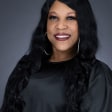
Mawusi Ragland
Motivational Speaker, Life Coach, Owner of WuRag Motivate Inc (homeless nonprofit) and Host of "Weekly Motivations - The Podcast".

Andy A
Former pastor who struggled with addiction, shame, anger and isolation. Hoping to help men know they aren't alone and there is hope.
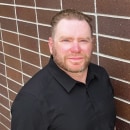
Shaun Free
I help Trauma Survivors find their new path in life through community involvement

Mark Howley
Mark's entrepreneurial journey, family life, and recovery story will resonate with most audiences, making him an excellent fit for your show

Susie Pearl
Survivor of brain cancer, healed tumour with NDE, seen the after life, sharing wisdom for living fully.
What Makes a Great Recovery Programs Speaker
What sets them apart isn't just their experience with addiction or recovery-it's their ability to connect. Think of someone like Brandon Novak, who went from professional skateboarder to heroin addict to recovery advocate. His talks aren't just about what happened; they're about what's possible. That's the kind of speaker who moves people.
But it's not all about drama. A great recovery programs speaker also understands their audience. They know when to be vulnerable and when to be strategic. Whether they're speaking to high school students in a rural town or executives at a corporate wellness retreat, they tailor their message to meet people where they are.
They also bring credibility. This could come from lived experience, clinical training, or years of working in recovery spaces. But the key is authenticity. Audiences can spot a script a mile away. The best speakers don't perform-they relate.
And finally, they offer hope. Not the fluffy, motivational kind, but grounded, actionable hope. They leave people with tools, insights, and the belief that change is possible. That's what makes a recovery programs speaker unforgettable.
How to Select the Best Recovery Programs Speaker for Your Show
1. Define Your Audience and Goals
- Are you speaking to people in early recovery, families, professionals, or the general public?
- Do you want to educate, inspire, or provide tactical advice?
- Knowing your audience and purpose will help you filter speakers who align with your mission.
2. Review Speaker Profiles on Platforms Like Talks.co
- Talks.co is a great place to browse vetted speakers with experience in recovery.
- Look for speaker pages that include video clips, bios, and previous speaking engagements.
- Pay attention to tone, delivery style, and how they engage with hosts.
3. Check for Lived Experience or Professional Credentials
- Some speakers are in long-term recovery themselves. Others are clinicians, authors, or advocates.
- Decide what kind of credibility matters most to your audience.
- For example, a corporate wellness summit might prefer a licensed therapist, while a youth-focused event might benefit from someone with a relatable personal story.
4. Watch or Listen to Past Talks
- Don't just read bios-watch how they speak.
- Are they engaging? Do they stay on topic? Do they offer actionable insights?
- A great speaker should be able to hold attention and deliver value from start to finish.
5. Ask for References or Testimonials
- Reach out to past hosts or check for reviews.
- A speaker who consistently delivers will have a track record of positive feedback.
By following these steps, you'll find a recovery programs speaker who not only fits your show's theme but also leaves your audience better than they found them.
How to Book a Recovery Programs Speaker
1. Start with a Shortlist
- Use platforms like Talks.co to browse qualified speakers.
- Filter by topic, availability, and audience type.
- Create a shortlist of 3-5 speakers who align with your event's goals.
2. Reach Out with a Clear Ask
- Send a concise message outlining the event type, audience, date, and format (live, virtual, hybrid).
- Include why you think they're a good fit.
- Example: "We're hosting a virtual summit for addiction counselors and would love to feature your story on long-term recovery."
3. Discuss Logistics Early
- Confirm availability and time zones.
- Talk about compensation, travel (if in-person), and tech requirements.
- Ask if they need a moderator or prefer solo sessions.
4. Finalize the Agreement
- Use a simple speaker agreement that outlines expectations, deliverables, and cancellation terms.
- If booking through Talks.co, many of these details are handled automatically.
5. Prepare for the Session
- Share your audience demographics, session format, and any promotional materials.
- Schedule a tech check or pre-call if needed.
- Promote the speaker on your event page and social media.
Booking a recovery programs speaker doesn't have to be complicated. With the right tools and clear communication, you can secure a powerful voice that elevates your entire event.
Common Questions on Recovery Programs Speakers
What is a recovery programs speaker
Unlike general motivational speakers, recovery programs speakers focus specifically on the journey through addiction, treatment, and long-term sobriety. They may speak about topics such as relapse prevention, mental health, trauma, family dynamics, or the science of addiction.
There are two main types of recovery programs speakers: those with lived experience and those with clinical or advocacy backgrounds. For example, someone like Tim Ryan (author and recovering addict) might speak about his personal transformation, while a licensed addiction counselor might focus on evidence-based recovery tools.
These speakers play a unique role in bridging the gap between clinical information and human connection. They make recovery relatable, understandable, and actionable for diverse audiences-from teens in urban schools to HR teams in global corporations.
In short, a recovery programs speaker is not just a storyteller-they're a guide, educator, and catalyst for change.
Why is a recovery programs speaker important
First, they humanize the recovery process. Statistics can feel cold and distant, but when a speaker shares how they navigated detox, rebuilt trust, or found purpose after relapse, it hits differently. It makes recovery feel possible.
Second, they break down stigma. In many communities-especially in rural areas or conservative cultures-addiction is still seen as a moral failing. A speaker who openly discusses their journey can challenge those beliefs and open doors for honest dialogue.
Third, they educate. Whether it's explaining the neuroscience of addiction or outlining the stages of recovery, these speakers provide valuable knowledge in an accessible way. This is especially helpful for families, employers, and educators who want to support someone in recovery but don't know how.
Finally, they inspire action. A recovery programs speaker can motivate someone to seek help, join a support group, or even become an advocate themselves. Their voice can be the spark that starts a ripple effect.
So whether you're hosting a podcast, planning a summit, or running a community workshop, bringing in a recovery programs speaker isn't just a nice-to-have-it's a strategic move that can shift perspectives and save lives.
What do recovery programs speakers do
They often speak at:
- Virtual summits and podcasts, sharing personal stories or expert insights.
- Schools and universities, educating students on substance use and mental health.
- Corporate wellness programs, helping employers support staff in recovery.
- Conferences and panels, offering thought leadership on recovery trends and best practices.
In addition to storytelling, many recovery programs speakers:
- Facilitate workshops on topics like relapse prevention, family support, or trauma-informed care.
- Collaborate with nonprofits and advocacy groups to raise awareness.
- Consult with organizations to improve recovery-friendly policies and environments.
Some speakers also create content beyond the stage-writing books, hosting webinars, or developing online courses. For example, someone like Annie Grace, author of 'This Naked Mind', blends speaking with digital education to reach global audiences.
Ultimately, recovery programs speakers serve as connectors. They bridge the gap between lived experience and professional insight, between pain and possibility. And in doing so, they help individuals and communities move forward with clarity and hope.
How to become a recovery programs speaker
1. Define Your Core Message.
- What part of your recovery journey is most impactful? Focus on a theme: resilience, relapse prevention, family healing, etc.
- Tip: Keep it audience-centric. What will help *them* heal, grow, or understand better?
2. Build Credibility.
- Certifications in addiction counseling, peer support, or mental health first aid can boost your authority.
- Volunteer or work with recovery centers, nonprofits, or support groups to gain real-world experience.
3. Create a Speaker Page.
- Use platforms like Talks.co to build a professional speaker profile. Include your bio, topics, testimonials, and a short video clip.
- Make it easy for event organizers to find and book you.
4. Start Speaking Locally.
- Reach out to local rehab centers, schools, churches, or community events.
- Offer free talks to build your portfolio and gather feedback.
5. Network with Hosts and Other Speakers.
- Use Talks.co to connect with podcast hosts, summit organizers, and other speakers in the recovery space.
- Attend virtual summits or speaker mixers to build relationships.
6. Pitch Yourself Strategically.
- Craft a compelling outreach email or pitch deck. Focus on the value you bring to their audience.
- Customize your pitch for each event or platform.
7. Keep Improving.
- Record your talks, review them, and ask for feedback.
- Consider joining a speaker mastermind or hiring a coach to refine your delivery.
Remember, recovery programs speakers are often called on to inspire, educate, and advocate. The more intentional you are with your message and audience, the more impact you'll make.
What do you need to be a recovery programs speaker
1. A Clear and Authentic Message
Your story is powerful, but it needs structure. You should be able to articulate:
- What happened (your recovery journey)
- What you learned (insights, tools, mindset shifts)
- What others can take away (actionable lessons or hope)
2. Knowledge of Recovery Frameworks
While personal experience is key, understanding broader recovery models like 12-step programs, SMART Recovery, or trauma-informed care adds depth. This helps you speak to diverse audiences-clinicians, families, or those in early recovery.
3. Speaking Skills
You don't need to be a TEDx-level speaker, but you should be able to:
- Engage an audience with presence and pacing
- Handle sensitive questions with empathy
- Adjust your tone for different settings (e.g., high schools vs. corporate wellness events)
4. A Digital Presence
Platforms like Talks.co make it easy to showcase your speaker profile. A good speaker page includes:
- A professional headshot
- A short video reel or sample talk
- Topics you cover and testimonials
5. A Network of Hosts and Allies
Recovery is a community-driven space. Build relationships with:
- Podcast hosts in mental health and addiction
- Event organizers at treatment centers or nonprofits
- Other recovery speakers who can refer you to gigs
Whether you're speaking to a room of 10 or 10,000, what you really need is a commitment to serve others through your voice. The tools and platforms are there-what matters most is your willingness to show up and share.
Do recovery programs speakers get paid
1. Type of Event
- Nonprofit or Community Events: These often offer small honorariums ($50-$500) or cover travel only.
- Corporate Wellness Programs: Companies may pay $1,000-$5,000 for a single session, especially if the speaker ties recovery into productivity or mental health.
- Conferences and Summits: Payment varies widely. Some offer exposure only, while others pay $500-$3,000 depending on the speaker's profile.
2. Speaker Experience and Reputation
- New speakers may start unpaid or low-paid.
- Established names with books, media appearances, or a strong Talks.co profile can command higher fees.
3. Format of the Talk
- Keynote Speeches: Typically command the highest fees.
- Workshops or Panels: Often paid less, but can lead to follow-up gigs.
Pros of Paid Speaking:
- Recognition of your expertise
- Financial sustainability
- Motivation to professionalize your platform
Cons:
- Some recovery spaces expect speakers to volunteer
- Payment can be inconsistent or delayed
In short, yes, recovery programs speakers can and do get paid-but building a consistent income takes time, strategy, and visibility.
How do recovery programs speakers make money
1. Paid Speaking Engagements
- Keynotes at Conferences: Events like the National Conference on Addiction Disorders often pay $1,000-$5,000 per keynote.
- Corporate Wellness Programs: Companies bring in recovery speakers to support employee mental health.
2. Online Summits and Virtual Events
- Platforms like Talks.co connect speakers with virtual event hosts. Some summits offer speaker fees, others offer affiliate commissions for ticket sales.
3. Book Sales and Digital Products
- Many speakers write memoirs or guides. For example, Brandon Novak's book sales supplement his speaking income.
- Others sell online courses, recovery journals, or coaching programs.
4. Consulting or Training
- Speakers with clinical or peer support credentials may offer training to rehab centers or schools.
- Example: A speaker might run a 6-week recovery workshop for staff at a treatment facility.
5. Podcast and Media Appearances
- While not always paid, these build visibility and lead to paid gigs.
6. Affiliate Marketing
- Some speakers partner with recovery tools or programs and earn commissions for referrals.
7. Donations or Patreon Support
- Especially for speakers with a strong social media following, crowdfunding can be a revenue stream.
Diversifying income is key. The most successful recovery programs speakers treat their speaking as both a mission and a business.
How much do recovery programs speakers make
1. Entry-Level Speakers
- Typically earn $0-$500 per event.
- Often speak at local nonprofits, schools, or community centers.
- May receive travel reimbursement or small honorariums.
2. Mid-Level Speakers
- Earn $500-$2,500 per talk.
- Speak at regional conferences, corporate events, or online summits.
- May supplement income with coaching or digital products.
3. High-Profile Speakers
- Earn $5,000-$20,000+ per keynote.
- Often have books, TEDx talks, or media appearances.
- Example: Someone like Chris Herren, a former NBA player and recovery advocate, reportedly earns $10,000+ per appearance.
Annual Income Ranges
| Speaker Tier | Estimated Annual Income |
|---|---|
| Entry-Level | $0 - $10,000 |
| Mid-Level | $10,000 - $75,000 |
| High-Profile | $75,000 - $250,000+ |
- Number of speaking gigs per year
- Ability to sell products or services
- Use of platforms like Talks.co to increase visibility
While some recovery programs speakers treat it as a side passion, others build full-time businesses around their message. The key is consistency and a diversified income strategy.
How much do recovery programs speakers cost
1. Speaker Experience and Reputation
- New or Local Speakers: $0 - $500. Often volunteer or accept small honorariums.
- Mid-Level Speakers: $500 - $2,500. These speakers typically have a few years of experience and a strong digital presence.
- High-Profile Speakers: $5,000 - $20,000+. These include authors, celebrities, or TEDx speakers.
2. Type of Event
- Nonprofit or School Events: Usually budget-conscious. Speakers may reduce fees or waive them.
- Corporate Events: Willing to pay more, especially if the talk ties into wellness or DEI initiatives.
- Virtual Summits: Often pay less ($100 - $1,000) but offer broader reach.
3. Format and Duration
- Keynote (30-60 minutes): Highest cost per minute.
- Workshop (2-4 hours): May cost more overall but less per hour.
- Panel Participation: Often unpaid or low-paid.
4. Travel and Logistics
- In-person events may require covering flights, hotels, and per diem.
- Virtual events eliminate these costs.
Sample Cost Table
| Type of Speaker | Typical Fee Range |
|---|---|
| Local Volunteer | Free - $200 |
| Certified Peer | $300 - $1,000 |
| Author/Influencer | $2,000 - $10,000 |
| Celebrity Advocate | $10,000 - $25,000+ |
Who are the best recovery programs speakers ever
Chris Herren: Former NBA player turned recovery advocate. His raw, emotional talks have reached millions of students and professionals.
Nikki Myers: Founder of Yoga of 12-Step Recovery. Blends somatic healing with personal storytelling in her talks.
Brandon Novak: Former pro skateboarder and Jackass star. Now a speaker and author, he shares his journey from addiction to advocacy.
Claudia Christian: Actress and founder of the C Three Foundation. Promotes medication-assisted recovery and speaks globally.
Johann Hari: While not a traditional recovery speaker, his TED Talk 'Everything You Think You Know About Addiction Is Wrong' has influenced public discourse.
Tonier Cain: Trauma survivor and speaker on incarceration and recovery. Her talks focus on trauma-informed care.
Joe Polish: Founder of Genius Recovery. Shares his own recovery journey while supporting others through business and philanthropy.
William Cope Moyers: Author and VP at Hazelden Betty Ford. A leading voice in recovery advocacy and education.
Gabor Maté: Physician and speaker on addiction and trauma. His talks have reshaped how we understand the roots of addiction.
Who are the best recovery programs speakers in the world
Dr. Gabor Maté (Canada): Internationally respected for his work on trauma and addiction. His talks blend science and compassion.
Tonier Cain (USA): Known for her powerful storytelling on trauma, incarceration, and healing. Speaks at global conferences.
Claudia Christian (USA/UK): Advocates for The Sinclair Method worldwide. Speaks at medical and recovery events.
Chris Herren (USA): Delivers impactful talks across North America, especially in schools and sports communities.
Nikki Myers (USA): Her integrative approach to recovery has made her a sought-after speaker in wellness and spiritual circles.
Johann Hari (UK): His TED Talks and books have reached millions. Focuses on systemic and emotional roots of addiction.
Tim Ryan (USA): Recovery activist and former political candidate. Speaks on opioid addiction and policy reform.
Annie Grace (USA): Author of 'This Naked Mind'. Her talks focus on alcohol-free living and mindset shifts.
Zachary Crouch (USA): Host of the Landmark Recovery podcast and speaker on treatment innovation and access.
Common myths about recovery programs speakers
While many recovery programs speakers do share personal experiences with addiction or trauma, it's not a requirement. Some of the most impactful voices in this space are clinicians, researchers, or advocates who bring a different perspective. For example, Dr. Gabor Maté, a renowned speaker on addiction and trauma, draws from decades of medical practice rather than personal recovery. His insights are deeply respected because of his clinical expertise and compassionate approach.
Myth 2: They only speak at rehab centers or 12-step meetings.
This is a narrow view of the platform. Recovery programs speakers are invited to speak at corporate wellness events, schools, prisons, conferences, and even TEDx stages. Their messages often intersect with mental health, resilience, leadership, and personal growth. Think of someone like Brené Brown, whose work on vulnerability and shame resonates deeply with recovery communities, even though her talks reach a global audience far beyond traditional recovery settings.
Myth 3: You need to be a certified counselor to be taken seriously.
Credentials can help, but they're not the only path to credibility. What matters more is authenticity, clarity of message, and the ability to connect with an audience. Many successful recovery programs speakers build their authority through storytelling, consistency, and community impact. They might run peer support groups, publish books, or host podcasts that reach thousands.
Myth 4: Recovery programs speakers only talk about addiction.
Not true. Topics often include trauma recovery, mental health, family dynamics, relapse prevention, self-care, and even spirituality. The scope is wide because recovery is holistic. Speakers like Johann Hari, for instance, explore the societal and psychological roots of addiction, offering a broader lens that challenges conventional thinking.
Myth 5: It's a saturated space with no room for new voices.
The truth? There's growing demand for diverse perspectives. Recovery looks different across cultures, age groups, and socioeconomic backgrounds. New voices are not only welcome, they're needed. Whether you're a young adult in recovery, a parent of someone struggling, or a professional with a unique lens, your story could be the one someone else needs to hear.
Case studies of successful recovery programs speakers
Then there's Tonier Cain. Her story is one of resilience against all odds. After surviving trauma, incarceration, and addiction, she became a global speaker on trauma-informed care. Her talks have reached audiences in over 30 countries, influencing policy and training programs in hospitals, schools, and correctional facilities. What sets her apart is her ability to speak to both lived experience and systemic change.
In Australia, Shanna Whan took a different path. She founded Sober in the Country, a rural-focused movement that challenges drinking culture in the outback. Her TEDx talk went viral, and she now speaks to farming communities, government agencies, and health professionals. Her message? Recovery isn't just for urban centers. Her work shows how one voice can shift an entire cultural narrative.
And let's not forget Kevin Hines. After surviving a suicide attempt off the Golden Gate Bridge, he became a leading voice in mental health and suicide prevention. His talks blend storytelling with science, and he's spoken at the Pentagon, universities, and international conferences. His impact lies in his vulnerability and his commitment to prevention through education.
These stories show the diversity of paths available. Some speakers build nonprofits. Others write books or launch podcasts. What they all share is a clear message, a commitment to service, and the courage to speak up. Whether you're just starting out or already sharing your story locally, there's room to grow your reach and impact.
Future trends for recovery programs speakers
First, digital-first platforms are expanding the reach of recovery content. Podcasts, YouTube series, and virtual summits are becoming go-to venues for speakers. This means recovery programs speakers need to be comfortable on camera, not just on stage. Think of platforms like Clubhouse or LinkedIn Live, where micro-talks and Q&A sessions are opening up real-time engagement with global audiences.
Second, intersectionality is becoming more important. Audiences want to hear from speakers who understand how recovery intersects with race, gender, identity, and socioeconomic status. This is pushing the field toward more inclusive storytelling and representation. Speakers who can speak to these layers-like Indigenous recovery advocates or LGBTQ+ mental health leaders-are gaining traction.
Third, data-backed storytelling is on the rise. It's not enough to share a personal journey. Many event organizers now look for speakers who can blend narrative with evidence. This might mean referencing neuroscience, citing recovery statistics, or aligning with trauma-informed frameworks. It's about credibility and impact.
Here are a few key trends to watch:
- Hybrid events: Combining in-person and virtual formats to reach wider audiences.
- Peer-led certification: Programs that train lived-experience speakers with structured frameworks.
- Corporate wellness integration: Recovery speakers being invited into HR and DEI conversations.
- Globalization: Speakers from non-Western countries gaining visibility through translation and international platforms.
- AI-assisted storytelling: Tools that help speakers refine messaging, analyze audience feedback, or generate content ideas.
The future isn't just about more speakers. It's about smarter, more strategic voices who know how to connect across platforms and cultures. If you're thinking about stepping into this space, now's the time to start building your voice and your toolkit.
Tools and resources for aspiring recovery programs speakers
SpeakerHub. A directory and booking platform where you can list your speaker profile, get discovered by event organizers, and access training resources. Tip: Highlight your unique angle-whether it's trauma-informed care, youth recovery, or rural outreach.
The Speaker Lab. Offers free and paid training on how to build a speaking business. Includes modules on pricing, positioning, and pitching. Tip: Focus on their niche positioning framework to stand out in the recovery space.
Canva. Not just for design-use it to create speaker one-sheets, social media graphics, or slide decks. Tip: Use templates designed for TED-style talks to keep your visuals clean and impactful.
Zoom. Still the go-to for virtual speaking. Mastering Zoom can open up opportunities for webinars, online summits, and coaching sessions. Tip: Learn how to use breakout rooms and polls to keep virtual audiences engaged.
Toastmasters International. A global nonprofit that helps people improve public speaking and leadership skills. Tip: Join a local or online chapter to practice in a low-pressure environment and get feedback.
Airmeet. A virtual event platform that's gaining popularity for summits and workshops. If you're planning to host your own event or get booked on one, it's worth exploring. Tip: Use the backstage feature to connect with other speakers and organizers before going live.
