Self Care Practice Speakers
You've got a lineup to fill, and you want someone who actually gets it.
Not surface-level wellness fluff, but someone who can speak to real self care practices that resonate.
The kind of speaker who knows the difference between a morning routine and a meaningful habit.
So here's the question: how do you find the right self care practice speakers who aren't just repeating what everyone else says?
That's where this gets easier.
This guide highlights self care practice speakers who bring clarity, depth, and connection to your audience.
Whether you're programming a wellness summit, a podcast on mindful living, or a company event focused on mental health, these speakers offer practical insight with style.
They've spoken on big stages, intimate retreats, and everything in between.
I've seen how the right self care practice speaker can shift the tone of an entire event.
Scroll through, explore their profiles, and book someone who fits your vibe and your audience's needs.
Top Self Care Practice Speakers List for 2026
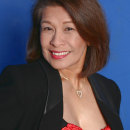
Elizabeth Estrada
Happiness SOS: Your happiness can save your life - an emergency professional shares the process

Debbie Compton
I help you reduce stress in 5 minutes, block burnout, and learn to laugh again.

Roger Hawkins
Wellness Educator and Coach Empowering Seniors to Thrive With Vitality and Purpose
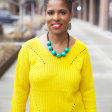
Natolie Warren
Therapist & Wellness Expert

Jamil Massey
When life gets tough, I help people keep showing up!
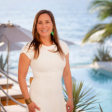
Margaret Selby
Empowering women to embrace their enoughness and heal together

Bethan Thompson
Empowering minds, healing hearts—your warrior for wellness

Matt Campbell
Our world has changed. Our minds and bodies haven't. Let's work on that.

Donita Brown
Empower Your Goals with Evidence-Based Self-Care: Let's Achieve Together with Dr. Donita Brown!

Laura Jane Layton
Empowering women to silence their inner bullies, one podcast at a time
What Makes a Great Self Care Practice Speaker
Think about someone like Jay Shetty. His background as a monk gives him authenticity, but it's his ability to translate ancient wisdom into modern, actionable advice that makes him magnetic. A great self care practice speaker does just that - they bridge the gap between knowledge and transformation. They're not afraid to be vulnerable, to share their own struggles with burnout, anxiety, or boundary-setting. That honesty builds trust.
But it's not just about personal stories. Delivery matters. A compelling speaker knows how to read the room - whether that room is a virtual summit or a packed auditorium. They use tone, pacing, and body language to keep people engaged. And they tailor their message to the audience. A group of startup founders needs a different self care message than a room full of school teachers.
Finally, great self care practice speakers leave you with more than just good vibes. They offer frameworks, tools, and next steps. They inspire action. Because self care isn't just a concept... it's a practice. And the best speakers help you make it real.
How to Select the Best Self Care Practice Speaker for Your Show
1. Define Your Audience's Needs
- Are they entrepreneurs dealing with burnout? Healthcare workers managing compassion fatigue? Or maybe remote workers struggling with isolation?
- Get specific. The more you understand your audience, the easier it is to match them with a speaker who speaks their language.
2. Search with Intention
- Use platforms like Talks.co to browse speaker profiles. Filter by topic, experience level, or even delivery style (interactive, keynote, workshop, etc).
- Look for speakers who have experience in your niche or with similar audiences.
3. Review Their Content
- Watch their past talks, YouTube clips, or podcast interviews. Are they engaging? Do they offer practical takeaways?
- Check their social media or blog. Are they consistent in their messaging? Do they walk the talk?
4. Check Testimonials and References
- Look for reviews from past hosts. Did they show up prepared? Were they easy to work with? Did the audience respond well?
- Don't be afraid to reach out to previous event organizers for candid feedback.
5. Reach Out and Connect
- Use the speaker's contact form or Talks.co's messaging feature to start a conversation.
- Ask about their approach to self care, how they tailor their message, and what outcomes they aim for.
The best self care practice speaker for your show is the one who not only knows their stuff, but knows how to make your audience feel seen, heard, and empowered.
How to Book a Self Care Practice Speaker
1. Start with a Clear Ask
- Define your event format (summit, webinar, podcast, etc), audience, and goals.
- Be specific about the topic you want them to cover. For example, 'daily self care rituals for busy professionals' or 'mental health boundaries for remote teams'.
2. Find and Vet Speakers
- Use Talks.co to browse verified speaker profiles. You can filter by topic, availability, and speaking style.
- Review their speaker page for past appearances, testimonials, and sample talks.
3. Reach Out Professionally
- Send a personalized message. Mention why you think they're a good fit and what your audience would gain.
- Include key details: event date, time zone, expected audience size, format, and compensation (if any).
4. Confirm Logistics
- Once they accept, lock in the details with a confirmation email or speaker agreement.
- Share tech requirements, promotional materials, and deadlines.
- Schedule a prep call if needed to align on tone, timing, and audience expectations.
5. Promote and Support
- Feature them on your event page and social media. Tag them to boost visibility.
- Provide graphics, copy, and links they can share with their audience.
6. Follow Up After the Event
- Send a thank-you note and any feedback or audience reactions.
- Ask if they'd be open to future collaborations or referrals.
Booking a self care practice speaker is more than just filling a time slot - it's about creating a meaningful experience. And with the right tools and communication, it's easier than ever.
Common Questions on Self Care Practice Speakers
What is a self care practice speaker
These speakers often come from diverse backgrounds - psychology, coaching, mindfulness, healthcare, or even corporate leadership. What unites them is their commitment to helping others build personalized self care systems. They might speak on topics like stress management, digital detoxing, sleep hygiene, or emotional resilience.
Some self care practice speakers specialize in serving particular communities. For example, a speaker might focus on self care for Black women entrepreneurs, while another addresses burnout in tech startups. This specialization allows them to tailor their message and tools to resonate deeply with their audience.
In essence, a self care practice speaker is both a teacher and a motivator. They don't just tell you why self care matters - they show you how to make it part of your life, one habit at a time.
Why is a self care practice speaker important
In corporate environments, for example, self care practice speakers can shift the culture from reactive to proactive. Instead of waiting for employees to hit a wall, companies bring in speakers to teach preventative strategies: how to set boundaries, how to recharge, and how to communicate needs without guilt. This isn't just feel-good fluff - it reduces turnover, boosts productivity, and improves morale.
For entrepreneurs and creators, self care practice speakers offer a counterbalance to the 'always-on' mindset. They help people understand that rest is not a reward, but a requirement. That taking care of yourself isn't selfish - it's strategic.
And in educational or healthcare settings, these speakers help frontline workers manage compassion fatigue, emotional labor, and chronic stress. Their insights can literally be life-changing.
Ultimately, a self care practice speaker is important because they help people build resilience - not just for today, but for the long haul.
What do self care practice speakers do
- Educate with Expertise. They share evidence-based strategies for managing stress, improving sleep, setting boundaries, and cultivating emotional well-being. Many draw from psychology, neuroscience, or holistic health.
- Tailor Content to the Audience. A self care practice speaker doesn't give the same talk to a group of startup founders as they would to a team of nurses. They adapt their message to the audience's lifestyle, challenges, and cultural context.
- Engage Through Storytelling and Tools. They use personal stories, relatable examples, and interactive exercises to keep audiences engaged. They often provide downloadable resources, journaling prompts, or habit trackers.
- Facilitate Workshops and Trainings. Beyond keynotes, many self care practice speakers lead breakout sessions, retreats, or virtual workshops. These formats allow for deeper dives and more personalized support.
- Inspire Long-Term Change. Their goal isn't just to motivate for an hour - it's to plant seeds that grow into lasting habits. They often follow up with resources, email sequences, or community groups to support ongoing practice.
In short, self care practice speakers are educators, facilitators, and catalysts for change. They help people move from knowing they need self care... to actually practicing it.
How to become a self care practice speaker
1. Define Your Niche and Message.
- Self care is broad. Are you focused on mindfulness, burnout recovery, holistic wellness, or workplace self care? Get specific.
- Craft a signature talk around your story, your method, or your framework. Think of something that solves a real problem for a real audience.
2. Build Your Speaker Page.
- Use platforms like Talks.co to create a professional speaker page.
- Include your bio, talk titles, testimonials, and a short video clip of you speaking (even if it's just a well-produced Zoom session).
3. Start Speaking Anywhere You Can.
- Look for virtual summits, podcasts, local meetups, or wellness events.
- Use Talks.co to connect with hosts looking for speakers. Filter by topic, audience size, or region.
4. Collect Testimonials and Refine Your Talk.
- After each gig, ask for feedback and testimonials.
- Use that input to sharpen your delivery and make your message more impactful.
5. Scale Your Visibility.
- Pitch yourself to larger events and conferences.
- Collaborate with other speakers or coaches in adjacent niches (e.g. mental health, leadership, or DEI).
- Share clips and insights on LinkedIn, Instagram, or YouTube to build authority.
6. Monetize and Diversify.
- Offer coaching, courses, or retreats tied to your talk.
- Bundle your speaking with consulting or digital products.
It's a journey, but with the right positioning and consistent action, you can become a sought-after self care practice speaker.
What do you need to be a self care practice speaker
First, you need expertise or lived experience. This doesn't always mean a PhD in psychology. Maybe you've led wellness programs in a corporate setting, coached clients through burnout, or built a community around self care. What matters is that you can speak from a place of insight and authenticity.
Second, you need a compelling message. What's your unique take on self care? Are you challenging hustle culture? Promoting rest as resistance? Teaching daily rituals for mental clarity? Your message should be clear, relevant, and actionable.
Third, you need speaking skills. That means knowing how to engage an audience, structure a talk, and adapt your delivery to different settings. You don't have to be Tony Robbins, but you do need to be clear, confident, and relatable.
Fourth, you need visibility. A speaker page on Talks.co is a great start. It gives event hosts a one-stop shop to learn about you, see your past talks, and book you. You can also build visibility through podcast interviews, social media, and guest blogging.
Finally, you need a network. Connect with other speakers, event organizers, and wellness professionals. Use platforms like Talks.co to find aligned hosts and grow your reach.
In short: expertise, message, delivery, visibility, and community. Nail those, and you're well on your way.
Do self care practice speakers get paid
Let's look at the landscape:
- Entry-Level Speakers: Those just starting out may speak for free or for exposure, especially at smaller events or podcasts. But even then, they can earn through backend offers (like coaching or courses).
- Mid-Tier Speakers: With a few testimonials and a solid talk, speakers can charge $500 to $2,500 per gig. Corporate wellness events, HR summits, and virtual conferences often pay in this range.
- Top-Tier Speakers: Well-known names or those with a strong brand can command $5,000 to $20,000+ per keynote, especially at industry events or large corporate retreats.
Here's a quick comparison:
| Speaker Level | Typical Fee Range | Common Venues |
|---|---|---|
| Beginner | $0 - $500 | Podcasts, local meetups, webinars |
| Intermediate | $500 - $2,500 | Virtual summits, HR events, panels |
| Advanced | $2,500 - $10,000+ | Corporate keynotes, global expos |
How do self care practice speakers make money
1. Paid Speaking Engagements.
- This is the most direct route. Events, conferences, and companies pay for keynotes, workshops, or panels.
- Rates vary widely, as explained in the 'Do self care practice speakers get paid' section.
2. Digital Products.
- Many speakers create online courses, eBooks, or guided meditation series.
- Example: A speaker focusing on workplace burnout might sell a 6-week digital course for HR teams.
3. Coaching and Consulting.
- One-on-one or group coaching is a big revenue driver.
- Some also consult with companies to build internal wellness programs.
4. Affiliate Marketing and Sponsorships.
- Speakers with a strong online presence can partner with wellness brands.
- Think Calm app, Headspace, or even wellness retreats.
5. Retreats and Live Events.
- Hosting their own events allows speakers to control the experience and profits.
- These can be in-person or virtual, ranging from $97 workshops to $5,000 luxury retreats.
6. Books and Publishing.
- A published book boosts credibility and can generate passive income.
- It also opens doors to higher-paying speaking gigs.
7. Talks.co and Other Platforms.
- Using platforms like Talks.co helps speakers get discovered and booked more often, which leads to more consistent income.
The key is not relying on just one stream. The most successful self care practice speakers treat their brand like a business.
How much do self care practice speakers make
- Beginners: Speakers just starting out might make between $0 and $500 per talk. They often speak for exposure, testimonials, or to promote a product.
- Mid-Level Speakers: With a few years of experience and a strong online presence, they can earn $1,000 to $5,000 per event. They might also make $2,000 to $10,000 per month from coaching or digital products.
- Top-Tier Speakers: These are the names you see headlining conferences. They can earn $10,000 to $50,000+ per keynote, and often have multiple income streams.
Here's a sample breakdown of potential monthly income:
| Income Source | Estimated Monthly Revenue |
|---|---|
| Speaking Gigs (2/month) | $4,000 - $20,000 |
| Coaching Clients (5) | $2,500 - $10,000 |
| Digital Products | $1,000 - $5,000 |
| Sponsorships | $500 - $3,000 |
| Total | $8,000 - $38,000+ |
How much do self care practice speakers cost
Here's a breakdown:
- Local or Emerging Speakers: $250 - $1,000.
- Ideal for community events, small business workshops, or virtual panels.
- Often flexible with pricing, especially if the event aligns with their mission.
- Mid-Level Professionals: $1,000 - $5,000.
- These speakers have a polished talk, some media presence, and testimonials.
- Commonly hired for corporate wellness days, HR summits, or industry webinars.
- High-Profile Experts: $5,000 - $25,000+.
- Includes published authors, TEDx speakers, or those with a large following.
- Often booked for keynotes at large conferences or global wellness expos.
Other cost considerations:
- Travel and Accommodation: If in-person, expect to cover flights, hotel, and per diem.
- Customization Fees: Some speakers charge extra to tailor content to your audience.
- Add-ons: Workshops, breakout sessions, or post-event coaching can increase the fee.
Using a platform like Talks.co can help you filter speakers by budget, topic, and availability, making it easier to find someone who fits your event goals and financial plan.
Who are the best self care practice speakers ever
- Brené Brown: Known for her research on vulnerability and shame, her TED Talk 'The Power of Vulnerability' has over 60 million views. She makes self care emotional and intellectual.
- Deepak Chopra: A pioneer in integrative medicine and personal transformation. His talks blend science, spirituality, and self care.
- Arianna Huffington: After collapsing from burnout, she founded Thrive Global and became a leading voice on redefining success and prioritizing rest.
- Oprah Winfrey: While not a traditional speaker-for-hire, Oprah's influence on self care through her SuperSoul Sessions and interviews is unmatched.
- Louise Hay: One of the original voices in self healing and affirmations. Her legacy lives on through Hay House and countless wellness speakers she inspired.
- Mel Robbins: Her 5 Second Rule talk is a masterclass in mindset and action. She bridges self care with productivity.
- Thich Nhat Hanh: The late Zen master brought mindfulness and compassion to the mainstream. His talks and writings are foundational for many self care philosophies.
- Elizabeth Gilbert: Author of 'Eat, Pray, Love', she speaks about creativity, self discovery, and emotional wellness.
- Gabby Bernstein: A spiritual teacher and motivational speaker who blends self care with manifestation and inner peace.
- Jay Shetty: Former monk turned storyteller, his talks on purpose and mindfulness resonate across generations.
These speakers have reached millions and continue to influence the global conversation around self care.
Who are the best self care practice speakers in the world
- Dr. Rangan Chatterjee (UK): A physician and bestselling author who speaks on lifestyle medicine and holistic self care. His podcast 'Feel Better, Live More' is a global hit.
- Najwa Zebian (Canada/Lebanon): A poet and speaker whose work centers on healing, self love, and emotional boundaries. Her talks blend storytelling with deep introspection.
- Nedra Glover Tawwab (USA): A licensed therapist and author of 'Set Boundaries, Find Peace'. She's a go-to speaker for corporate wellness and mental health events.
- Haemin Sunim (South Korea): A Zen Buddhist teacher and author of 'The Things You Can See Only When You Slow Down'. His talks are calm, reflective, and deeply grounding.
- Yung Pueblo (USA/Ecuador): A writer and speaker whose insights on emotional maturity and self healing resonate with a global audience.
- Dr. Thema Bryant (USA): President of the American Psychological Association and a powerful speaker on trauma, healing, and self care in marginalized communities.
- Vex King (UK): A wellness influencer and author of 'Good Vibes, Good Life'. His talks combine spirituality, mindset, and self worth.
- Koya Webb (USA): A holistic health coach and speaker who integrates yoga, nutrition, and self care into her keynotes.
- Mo Gawdat (UAE/Egypt): Former Google X exec turned happiness expert. His talks explore the science of joy and intentional living.
- Sah D'Simone (Brazil/USA): A spiritual speaker and meditation teacher known for blending ancient wisdom with modern self care practices.
These speakers are not only inspiring but also culturally diverse, bringing fresh perspectives to the global self care movement.
Common myths about self care practice speakers
This one's common, especially on social media. People assume that if you're talking about self care, you're just repackaging lifestyle content with a few affirmations. But real self care practice speakers go deeper. They often come from backgrounds in psychology, coaching, healthcare, or trauma-informed practices. Take Dr. Thema Bryant, for example. She's a psychologist and ordained minister who speaks on healing and self care from a deeply researched and culturally aware perspective. Her talks aren't about bubble baths-they're about reclaiming agency and mental health.
Myth 2: You need to be a therapist to be taken seriously.
Not true. While clinical credentials can help, many powerful self care practice speakers come from lived experience, coaching, or adjacent fields like mindfulness, somatic work, or even corporate wellness. What matters is clarity, credibility, and the ability to connect. Speakers like Jay Shetty, who transitioned from monkhood to motivational speaking, show that it's about the message and how it's delivered.
Myth 3: Self care is only relevant to women.
This misconception limits the reach and impact of the message. Self care is human care. Male speakers like Justin Michael Williams have built platforms around meditation and self empowerment that speak directly to men, LGBTQ+ communities, and people of color. The best self care practice speakers know how to tailor their message across gender, age, and culture.
Myth 4: You have to be soft-spoken and zen all the time.
Nope. Some of the most engaging self care speakers bring fire to the stage. Think of Lisa Nichols-her energy is electric, yet her message is rooted in deep self work. Delivery styles vary. What matters is authenticity. You can be calm, intense, humorous, or even provocative-as long as you're aligned with your message.
Myth 5: There's no money in being a self care practice speaker.
This one's outdated. With the rise of corporate wellness programs, virtual summits, and online memberships, there's a growing demand for speakers who can connect self care to productivity, leadership, and resilience. Many speakers package their talks with workshops, courses, or books, creating multiple income streams. The key is positioning and knowing your audience.
Case studies of successful self care practice speakers
Then there's Diego from São Paulo. A yoga instructor turned speaker, he began offering bilingual workshops on emotional regulation and self care for remote tech teams. His unique angle? Integrating Brazilian cultural practices like capoeira and samba into somatic healing. His sessions became popular with startups looking for inclusive wellness content. Now, Diego partners with global firms like Zendesk and HubSpot, bringing culturally grounded self care to international audiences.
Another standout is Priya, a London-based academic who transitioned from teaching sociology to speaking on intergenerational trauma and self care in immigrant communities. Her talks combine research, storytelling, and practical tools. She gained traction through guest appearances on podcasts and eventually launched her own series on Spotify. Her authenticity and academic rigor helped her land a speaking contract with the NHS and a feature in The Guardian.
Each of these speakers started from different places-corporate, fitness, academia-but they all found their niche by combining personal insight with practical frameworks. They didn't wait for a perfect platform. They built it by showing up, refining their message, and staying consistent. Whether through local events, virtual summits, or podcast interviews, they each carved out a space where their voice mattered.
What ties them together isn't just their topic. It's their clarity, consistency, and commitment to helping others care for themselves in real, sustainable ways.
Future trends for self care practice speakers
- Personalized self care frameworks. Audiences are tired of one-size-fits-all advice. Speakers who offer customizable tools-like self care audits, habit tracking systems, or culturally relevant practices-are gaining traction. Think less 'Top 10 Tips' and more 'Choose Your Own Adventure'.
- Integration with corporate performance. Companies are no longer separating wellness from productivity. Self care speakers who can connect emotional regulation to leadership, or mindfulness to innovation, are being booked for leadership offsites and quarterly kickoffs. This is where data meets empathy.
- Rise of micro-communities. Instead of trying to appeal to everyone, speakers are niching down. We're seeing growth in spaces like neurodivergent self care, BIPOC healing circles, and self care for caregivers. These micro-niches are powerful because they build trust and relevance.
- Tech-enhanced delivery. Augmented reality, interactive webinars, and AI-generated journaling prompts are entering the scene. Speakers who embrace these tools-not as gimmicks, but as engagement enhancers-will stand out. Imagine a talk where attendees get a personalized self care plan via QR code at the end.
- Global cross-pollination. Self care is no longer Western-centric. Speakers are drawing from Indigenous wisdom, Eastern philosophies, and Afrocentric healing to create more inclusive narratives. This trend is especially strong in international summits and diaspora communities.
So if you're stepping into this space, think beyond the stage. Think ecosystems, think tech, think hyper-relevance. The future belongs to speakers who can blend heart, science, and strategy.
Tools and resources for aspiring self care practice speakers
1. Talks.co. A smart platform that matches speakers with podcast hosts. Great for building authority and reaching niche audiences. Tip: Use their filters to find shows focused on wellness, mental health, or leadership.
2. Canva. For creating speaker decks, social media graphics, and downloadable self care tools. Their templates make it easy to stay on-brand without hiring a designer.
3. Notion. Use it to organize your talk outlines, track outreach, and even build a public speaker page. Bonus: You can create a client-facing self care toolkit as a shareable Notion doc.
4. Teachable or Podia. Ideal for turning your talks into paid courses or workshops. Many speakers use these to create evergreen income streams.
5. Calendly. Streamline your booking process for discovery calls, podcast interviews, or client sessions. Pro tip: Set up a custom booking page just for event organizers.
6. Descript. A game-changer for editing your talk recordings, podcast interviews, or promo videos. You can edit audio by editing text. Seriously.
7. Eventbrite + Zoom. Run your own virtual events or workshops. Use Eventbrite for registration and Zoom for delivery. It's a simple combo that works well for solo speakers.
These tools can help you go from idea to income. Start with one or two, get comfortable, then expand. The key is consistency and clarity-tools just make the ride smoother.
