Self Limiting Beliefs Speakers
You've got an audience hungry for real change, but you're stuck finding someone who actually talks about mindset without sounding like a life coach cliché.
You want a speaker who gets it.
Someone who understands how limiting beliefs show up in real life - and can explain it in a way that hits home, not just hits buzzwords.
So how do you find the right self limiting beliefs speakers?
The kind who mix personal insight with practical tools, and speak from experience, not just theory?
That's the part that trips people up.
I've seen how the best speakers in this space don't just inspire - they connect.
They bring clarity to the confusion and help people see what's actually holding them back.
This guide will help you sort through the noise.
You'll learn what self limiting beliefs speakers actually do, who they're a fit for, and what makes the great ones stand out - whether you're booking for a podcast, panel, summit, or a virtual show.
Check out the featured self limiting beliefs speakers below and find someone your audience will thank you for.
Top Self Limiting Beliefs Speakers List for 2026

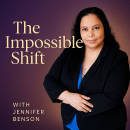
Jennifer Benson
Change the way you see yourself — change the way the world sees you.

Bruce Pulver
Transforming words into action for unstoppable success!


Trish Springsteen
From invisible to unforgettable: Let your confidence shine.

Raini Steffen
Inspiring Women to Turn Disruption into a Confident New Beginning

Robin Owen
Helping you speak with confidence and leave a lasting impression

Malina Walia
Inspiring leaders to realize the sky isn't the limit

Tara Geraghty
TEDx Speaker and Confidence Coach teaching women how to rise, rebuild, and reclaim their power.
What Makes a Great Self Limiting Beliefs Speaker
A great self limiting beliefs speaker understands the inner dialogue that holds people back. They don't just recite motivational quotes or generic advice. Instead, they share stories that resonate deeply - stories of failure, doubt, and ultimately, breakthrough. Think of someone like Lisa Nichols, who doesn't just talk about transformation - she embodies it. Her storytelling is raw and real, which makes her message land with impact.
These speakers also do their homework. They tailor their message to the audience, whether it's a group of startup founders in Berlin or high school students in rural Australia. They know that limiting beliefs show up differently depending on culture, age, and context. That adaptability is what sets them apart.
And finally, great self limiting beliefs speakers leave you with more than inspiration - they leave you with tools. Whether it's a mindset shift, a journaling prompt, or a specific framework like Byron Katie's "The Work," they equip people to take action long after the applause fades. That's the difference between a good talk and a transformative one.
How to Select the Best Self Limiting Beliefs Speaker for Your Show
1. Define Your Audience's Pain Points.
- Are they entrepreneurs stuck in self-doubt?
- Are they corporate professionals battling imposter syndrome?
- Are they creatives struggling with perfectionism?
Knowing this helps you filter for speakers who specialize in those specific belief patterns.
2. Browse Speaker Platforms Like Talks.co.
- Use filters to search for mindset, personal growth, or confidence-related topics.
- Look for speakers who have experience in your industry or audience demographic.
- Check their speaker pages for testimonials, video clips, and previous appearances.
3. Watch Their Talks - Not Just the Highlight Reel.
- Look for authenticity, not just polish.
- Do they connect emotionally? Do they offer practical takeaways?
- See how they handle Q&A or live interaction if available.
4. Reach Out and Ask the Right Questions.
- What's your process for customizing talks?
- Can you share a time you helped an audience shift a limiting belief in real time?
- How do you ensure your message sticks beyond the session?
5. Match Their Style to Your Format.
- For a podcast, choose someone conversational and story-driven.
- For a summit, go with someone who can deliver a structured, high-impact keynote.
- For a workshop, prioritize interactivity and exercises.
The best self limiting beliefs speaker is the one who not only understands mindset blocks but knows how to speak to your audience's version of them - in their language, at their level, with their goals in mind.
How to Book a Self Limiting Beliefs Speaker
1. Start with a Shortlist.
- Use platforms like Talks.co to browse vetted speakers.
- Filter by topic (e.g. mindset, confidence, imposter syndrome) and audience type.
- Save your top 3-5 candidates based on relevance and delivery style.
2. Review Their Speaker Page.
- Look for video samples, testimonials, and past speaking engagements.
- Check if they've spoken at events similar to yours - industry, audience size, or format.
- Note their availability and preferred formats (keynote, panel, podcast, etc).
3. Reach Out with a Clear Ask.
- Include your event name, date, audience description, and topic focus.
- Be specific: "We're looking for someone to speak on overcoming imposter syndrome for early-stage founders."
- Ask about their customization process and fee structure.
4. Confirm Logistics and Expectations.
- Lock in the date, time, and format (live, virtual, pre-recorded).
- Share your tech setup, audience size, and any interactivity expectations.
- Provide a prep call if needed to align on tone and content.
5. Promote the Speaker.
- Feature them on your event page, social media, and email campaigns.
- Use their bio, headshot, and a quote or teaser clip to build anticipation.
- Tag them in posts to expand reach and engagement.
Booking a self limiting beliefs speaker is about more than filling a slot - it's about curating a moment that shifts your audience's mindset. With the right prep and platform, it's easier than you think.
Common Questions on Self Limiting Beliefs Speakers
What is a self limiting beliefs speaker
At its core, a self limiting belief is a thought pattern that creates a false boundary. For example, 'I'm not good at public speaking' or 'I'll never be successful because I didn't go to college.' These beliefs often stem from past experiences, cultural conditioning, or fear of failure. A speaker in this niche helps audiences recognize these patterns and reframe them.
Unlike general motivational speakers, self limiting beliefs speakers go deeper into mindset work. They often draw from cognitive behavioral techniques, neuroscience, or coaching frameworks. Some may use storytelling, while others use interactive exercises or live coaching demos. The goal is always the same: to help people see that the limits they perceive are often self-imposed.
These speakers can be found across industries - from business to education to wellness. For instance, in tech, they might speak to startup founders about fear of failure. In education, they might help students overcome beliefs about intelligence or worth. Their versatility makes them relevant in almost any setting where growth is the goal.
In short, a self limiting beliefs speaker is a catalyst for internal transformation. They don't just inspire - they help people rewrite the scripts that shape their lives.
Why is a self limiting beliefs speaker important
These speakers help surface the invisible barriers that keep individuals and teams from reaching their full potential. Whether it's an entrepreneur hesitating to pitch investors or a team member afraid to lead a project, the root issue is often a limiting belief. By addressing these internal blocks, speakers unlock external results.
In corporate environments, for example, self limiting beliefs can lead to imposter syndrome, perfectionism, or fear of visibility. A speaker who understands these dynamics can shift team culture from fear-based to growth-oriented. In personal development spaces, they help individuals move from self-doubt to self-trust - a shift that ripples into relationships, careers, and health.
What makes these speakers especially valuable is their ability to normalize the struggle. They create a safe space for audiences to admit, 'Yeah, I've been holding myself back.' That moment of recognition is powerful. It's the first step toward change.
So whether you're running a summit, a podcast, or a leadership retreat, bringing in a self limiting beliefs speaker isn't just a nice-to-have - it's a strategic move to help your audience break through the mental blocks that matter most.
What do self limiting beliefs speakers do
They start by identifying common limiting beliefs. These might include thoughts like 'I'm not qualified,' 'Success isn't for people like me,' or 'If I fail, I'll be judged.' Through storytelling, examples, and sometimes live coaching, they help audiences recognize these beliefs in themselves.
Next, they challenge those beliefs using proven frameworks. Some use cognitive reframing, others lean into neuro-linguistic programming (NLP), and some draw from positive psychology. The method varies, but the goal is the same: to replace disempowering thoughts with empowering ones.
They also provide tools for ongoing mindset work. This could be journaling prompts, visualization exercises, or daily affirmations. For example, a speaker might teach a 3-step process: Awareness, Interruption, Replacement - helping people catch limiting thoughts, pause them, and choose new ones.
In group settings, they create interactive experiences. This might involve breakout sessions, partner shares, or audience Q&A. The idea is to move from passive listening to active transformation.
Finally, they often tailor their message to specific audiences. A self limiting beliefs speaker for female founders might focus on confidence and visibility. One speaking to high schoolers might address fear of failure or peer pressure. Their adaptability is part of their impact.
In essence, self limiting beliefs speakers help people see what's been holding them back - and give them the tools to move forward with clarity and confidence.
How to become a self limiting beliefs speaker
1. Identify Your Core Message.
- What limiting beliefs have you personally overcome?
- Are you focused on mindset in entrepreneurship, relationships, health, or career?
- Your message should be specific and relatable. For example, if you help startup founders overcome imposter syndrome, lead with that.
2. Build Your Signature Talk.
- Structure your talk with a clear beginning (your story), middle (the transformation), and end (actionable takeaways).
- Use frameworks like the Hero's Journey or the TED-style three-act structure.
- Practice storytelling with emotional highs and lows to keep your audience engaged.
3. Create a Speaker Page.
- Use platforms like Talks.co to build a professional speaker profile.
- Include your bio, talk topics, testimonials, and a short video reel.
- Make it easy for event organizers to contact you.
4. Start Speaking Anywhere You Can.
- Begin with podcasts, local meetups, virtual summits, or webinars.
- Reach out to hosts directly or use Talks.co to connect with event organizers.
- Record every talk to build your portfolio.
5. Build Authority and Social Proof.
- Publish content on LinkedIn, Medium, or your own blog.
- Share clips from your talks on social media.
- Collect testimonials and case studies from attendees who had breakthroughs.
6. Pitch Yourself Strategically.
- Research events aligned with your niche.
- Craft personalized pitches that highlight your unique angle.
- Follow up. Most bookings happen after the second or third email.
Once you have momentum, you can scale with online courses, group coaching, or even your own virtual events. The key is consistency and clarity in your message.
What do you need to be a self limiting beliefs speaker
1. Deep Self-Awareness
You can't guide others through limiting beliefs unless you've done the inner work yourself. That means:
- Identifying your own limiting beliefs and how you overcame them.
- Understanding common psychological patterns like fear of failure, perfectionism, or scarcity mindset.
- Being able to articulate these in a way that resonates with diverse audiences.
2. Communication Skills
This includes both verbal and non-verbal communication:
- Clear articulation of complex emotional experiences.
- Storytelling that evokes emotion and drives transformation.
- Confidence on stage or camera, whether live or virtual.
3. A Defined Niche
The most successful speakers are specific:
- Are you helping corporate teams break through mental blocks?
- Are you working with creatives stuck in self-doubt?
- Your niche determines your audience, your message, and your marketing.
4. A Platform to Be Found
You need visibility:
- A speaker page on platforms like Talks.co.
- A personal website with your bio, topics, and testimonials.
- Social media presence to share your message and connect with hosts.
5. A Way to Deliver Value
You should offer more than inspiration:
- Actionable frameworks or exercises.
- Downloadable resources or follow-up coaching.
- Customizable talks for different audiences.
Being a self limiting beliefs speaker is about transformation. You're not just talking about mindset... you're helping people shift it. That requires clarity, empathy, and a system that supports your message.
Do self limiting beliefs speakers get paid
1. Experience and Reputation
- New speakers might speak for free or for exposure, especially at virtual summits or podcasts.
- Mid-level speakers with a few years of experience and a niche following can earn $500 to $2,500 per talk.
- Established speakers with a strong brand, published books, or media appearances can command $5,000 to $20,000+ per keynote.
2. Type of Event
- Corporate events and leadership retreats tend to pay more than community meetups or wellness expos.
- Online summits may offer less upfront but can lead to backend sales (courses, coaching).
3. Geography and Industry
- In the U.S., U.K., and Australia, speaker fees are generally higher.
- In emerging markets, fees may be lower but opportunities for volume and impact are strong.
4. Format and Duration
- A 20-minute TEDx-style talk may pay less than a full-day workshop.
- Virtual talks often pay less than in-person keynotes but have lower overhead.
Pros:
- High earning potential with scalability.
- Opportunities for recurring gigs and referrals.
Cons:
- Inconsistent income if not diversified.
- Requires ongoing marketing and networking.
In short, yes, they get paid. But the real pros know how to turn each talk into a revenue stream, which we'll explore in the next section.
How do self limiting beliefs speakers make money
1. Paid Speaking Engagements
- Keynotes at conferences, corporate events, or retreats.
- Workshops or breakout sessions for leadership teams.
- Virtual summits or webinars with honorariums.
2. Coaching and Consulting
- One-on-one mindset coaching for entrepreneurs, executives, or creatives.
- Group coaching programs focused on overcoming limiting beliefs.
- Consulting for companies on culture, resilience, or mindset training.
3. Digital Products and Courses
- Online courses teaching frameworks to overcome self-doubt or imposter syndrome.
- Downloadable workbooks, journals, or guided meditations.
4. Books and Publications
- Publishing a book can open doors to higher speaking fees.
- Self-published or traditionally published, books act as authority builders.
5. Affiliate and Partner Revenue
- Promoting tools, platforms, or programs aligned with personal development.
- Partnering with platforms like Talks.co to host events or refer other speakers.
6. Hosting Their Own Events
- Running virtual summits, masterminds, or retreats.
- Charging for access, upselling coaching, or offering VIP upgrades.
Comparison Table:
| Revenue Stream | Scalability | Upfront Work | Avg. Income Potential |
|---|---|---|---|
| Paid Speaking | Medium | Medium | $500 - $20,000/talk |
| Coaching/Consulting | High | High | $1,000 - $10,000/mo |
| Digital Products | High | High | $50 - $500/course |
| Books | Medium | High | $1 - $10 per copy |
| Affiliate Revenue | Medium | Low | Varies |
| Hosting Events | High | High | $5,000 - $100,000+ |
How much do self limiting beliefs speakers make
Entry-Level Speakers
- Typically earn $0 to $500 per talk.
- Often speak for free to build credibility and collect testimonials.
- May earn through coaching or digital products on the backend.
Mid-Tier Speakers
- Earn between $1,000 to $5,000 per speaking engagement.
- Often have a published book, a defined niche, and a growing audience.
- Supplement income with online courses, group coaching, or consulting.
Top-Tier Speakers
- Earn $10,000 to $50,000+ per keynote.
- Frequently appear on media, TEDx stages, or corporate retreats.
- Have multiple income streams and a strong personal brand.
Annual Income Estimates:
| Speaker Level | Talks/Year | Avg. Fee | Estimated Annual Income |
|---|---|---|---|
| Beginner | 10 | $250 | $2,500 + backend sales |
| Intermediate | 25 | $2,000 | $50,000 - $100,000 |
| Advanced | 40 | $10,000 | $400,000+ |
- Audience size and engagement.
- Ability to upsell services or products.
- Niche demand (e.g. corporate vs. wellness).
As mentioned in 'How do self limiting beliefs speakers make money', the smartest speakers don't rely on talks alone. They build ecosystems around their message.
How much do self limiting beliefs speakers cost
1. Speaker Experience
- New or emerging speakers: $250 - $1,000 per talk.
- Mid-level speakers with a niche following: $1,000 - $5,000.
- High-profile speakers (authors, TEDx alumni, media appearances): $10,000 - $50,000+.
2. Type of Event
- Local meetups or virtual summits may cost less.
- Corporate events, leadership retreats, or international conferences demand higher fees.
3. Format and Duration
- A 20-minute virtual keynote might cost $1,000.
- A full-day in-person workshop could cost $15,000 or more.
4. Customization and Extras
- Custom content, pre-event consulting, or post-event coaching can increase the price.
- Travel, accommodations, and per diem are often additional.
Sample Pricing Table:
| Format | Speaker Level | Estimated Cost |
|---|---|---|
| 30-min Virtual Talk | Beginner | $250 - $750 |
| 1-hr Keynote | Mid-Level | $2,000 - $7,500 |
| Full-Day Workshop | Advanced | $10,000 - $25,000+ |
- Use platforms like Talks.co to compare speaker profiles and pricing.
- Ask for a video reel and testimonials.
- Clarify deliverables: Are they providing slides, handouts, or follow-up sessions?
Ultimately, the cost reflects the speaker's ability to deliver transformation, not just inspiration.
Who are the best self limiting beliefs speakers ever
1. Tony Robbins
- Known for: Transformational seminars like Unleash the Power Within.
- Signature message: 'Change your story, change your life.'
- Global influence across business, health, and personal growth.
2. Byron Katie
- Known for: 'The Work' - a method for questioning limiting beliefs.
- Her approach is deeply introspective and widely used in therapy and coaching.
3. Mel Robbins
- Known for: The 5 Second Rule.
- Focuses on breaking mental hesitation and self-doubt.
- Popular TEDx talk and bestselling author.
4. Les Brown
- Known for: Motivational storytelling and overcoming adversity.
- Famous quote: 'You gotta be hungry!'
- Inspires people to rise above their perceived limitations.
5. Louise Hay
- Known for: Founding Hay House and promoting self-healing.
- Her work on affirmations and self-love has helped millions.
6. Brené Brown
- Known for: Research on vulnerability and shame.
- Her TED talk 'The Power of Vulnerability' is one of the most viewed ever.
7. Jim Rohn
- Known for: Teaching personal responsibility and mindset.
- Influenced generations of entrepreneurs and speakers.
8. Lisa Nichols
- Known for: Her role in 'The Secret' and her dynamic stage presence.
- Focuses on self-worth and abundance mindset.
These speakers have shaped the personal development landscape and continue to inspire new generations of mindset coaches and speakers.
Who are the best self limiting beliefs speakers in the world
1. Jay Shetty (UK/USA)
- Former monk turned storyteller.
- Focuses on purpose, mindset, and overcoming internal blocks.
- Massive reach through social media and podcasting.
2. Marie Forleo (USA)
- Entrepreneur and author of 'Everything is Figureoutable.'
- Helps creatives and business owners overcome self-doubt.
3. Vishen Lakhiani (Malaysia/USA)
- Founder of Mindvalley.
- Speaks on rewriting beliefs and reprogramming the mind.
4. Dr. Joe Dispenza (USA)
- Combines neuroscience with personal transformation.
- Known for helping people break mental patterns through meditation.
5. Robin Sharma (Canada)
- Author of 'The Monk Who Sold His Ferrari.'
- Focuses on leadership and personal mastery.
6. Marisa Peer (UK)
- Hypnotherapist and speaker.
- Specializes in Rapid Transformational Therapy to shift beliefs.
7. Trent Shelton (USA)
- Former NFL player turned motivational speaker.
- Speaks powerfully on self-worth and resilience.
8. Najwa Zebian (Lebanon/Canada)
- Poet and speaker.
- Focuses on healing from trauma and reclaiming identity.
9. Eric Thomas (USA)
- Known as the 'Hip-Hop Preacher.'
- Inspires youth and professionals to overcome excuses and self-imposed limits.
10. Sadhguru (India)
- While spiritual in approach, his talks often center on breaking mental constructs.
These speakers are influencing audiences across continents, industries, and cultures. Whether through books, podcasts, or live stages, they're helping people challenge their inner narratives and step into possibility.
Common myths about self limiting beliefs speakers
This one's common, especially among skeptics who think mindset work is just motivational hype. But here's the truth: top self limiting beliefs speakers often ground their talks in neuroscience, behavioral psychology, and real-world data. Take Dr. Joe Dispenza for example. His talks blend science and personal transformation, showing how beliefs literally reshape brain pathways. It's not fluff, it's biology.
Myth 2: You need to be a therapist or psychologist to be credible.
Not true. While some speakers do have clinical backgrounds, many come from business, education, or even sports. The key is lived experience and the ability to translate that into actionable insights. Mel Robbins, for instance, isn't a licensed therapist, but her work on the 5 Second Rule has helped millions reframe self-doubt and take action.
Myth 3: These speakers only appeal to personal development junkies.
Actually, self limiting beliefs speakers are being booked by Fortune 500 companies, tech startups, and even government agencies. Why? Because limiting beliefs affect performance, innovation, and leadership. Whether it's a sales team stuck in a scarcity mindset or a founder afraid to scale, belief systems matter.
Myth 4: You have to be completely 'healed' to speak on this topic.
Nope. In fact, audiences often resonate more with speakers who are open about their ongoing journey. Vulnerability builds trust. Brené Brown's TED Talk didn't go viral because she had it all figured out - it resonated because she was real about her own struggles.
Myth 5: There's no money in this niche.
Wrong again. Many self limiting beliefs speakers package their message into coaching programs, books, online courses, and corporate trainings. It's not just about keynotes. It's a full ecosystem of impact and income.
Case studies of successful self limiting beliefs speakers
Then there's Vishen Lakhiani, founder of Mindvalley. He started as a meditation teacher frustrated by corporate burnout. As he began speaking about the 'brules' - bullshit rules - that hold people back, his audience grew. His talks blended personal development with systems thinking, attracting both spiritual seekers and tech entrepreneurs. Today, Mindvalley hosts some of the most influential voices in the belief-change space.
In the corporate world, consider Eduardo Briceño. He co-founded Mindset Works with Carol Dweck and now speaks globally about the growth mindset. His TED Talk, 'How to get better at the things you care about', has over 4 million views. His approach is data-driven, making him a favorite among educators and business leaders alike.
And don't overlook regional voices. In Kenya, Wanjiru Njiru uses her platform to challenge cultural narratives around gender roles and self-worth. Her talks, often delivered in schools and youth centers, have sparked grassroots movements. She's proof that you don't need a global stage to make a massive impact.
Each of these speakers took a different path, but they all share one thing: they turned personal insight into public transformation. Whether through storytelling, science, or strategy, they help others rewrite the scripts running their lives.
Future trends for self limiting beliefs speakers
- More integration with performance coaching. Companies are no longer hiring speakers just for inspiration. They want results. Expect more speakers to partner with HR teams, offering workshops and follow-up coaching that tie belief change to KPIs.
- Rise of culturally contextual messaging. A one-size-fits-all approach is losing ground. Speakers who can tailor their message to specific cultural, regional, or industry contexts will stand out. This means understanding not just psychology, but sociology and history too.
- Hybrid delivery models. Virtual summits, micro-learning platforms, and AI-enhanced coaching tools are becoming standard. Speakers who can adapt their message across formats - from 60-second reels to 60-minute keynotes - will thrive.
- Data-backed storytelling. Audiences are more skeptical. They want stories, yes, but also stats. Speakers who can blend narrative with neuroscience, like Andrew Huberman or Dr. Tara Swart, are gaining traction.
- Decentralized platforms. With the rise of Web3 and creator-owned platforms, speakers are building their own ecosystems. Think paid communities, tokenized access to content, and peer-led transformation groups.
In short, the future belongs to speakers who are multidimensional: part educator, part facilitator, part strategist. The mic is still powerful, but it's no longer the only tool. The most impactful voices will be those who can guide belief change across formats, cultures, and contexts.
Tools and resources for aspiring self limiting beliefs speakers
1. Talks.co. A podcast guest matching tool that helps you get booked on shows aligned with your message. Great for building visibility and refining your narrative.
2. Mindvalley Masterclass Platform. Explore how top speakers structure transformational content. Even if you're not applying to teach there, it's a goldmine for understanding what resonates with global audiences.
3. SpeakerHub. A directory and booking platform where you can list your profile, pitch to events, and connect with event organizers. Ideal for beginners looking to break into the circuit.
4. Canva. Use it to design slide decks, social media promos, and speaker one-sheets. Consistent branding helps you look pro, even before you're on big stages.
5. Notion. Organize your talk outlines, client pipelines, and belief-change frameworks. It's flexible enough to work as a CRM, content planner, or idea bank.
6. TEDx Speaker Application Tracker. Browse upcoming TEDx events and apply to speak. TEDx is still one of the fastest ways to gain credibility in the belief-change space.
7. Zoom Events. If you're hosting your own virtual workshops or summits, this platform offers robust tools for registration, engagement, and follow-up.
8. Otter.ai. Record and transcribe your practice sessions or live talks. Reviewing your delivery helps you refine your message and spot limiting language patterns you might unconsciously use.
Each of these tools serves a different stage of your journey - from visibility to delivery to scaling. Pair them with a clear message and consistent action, and you'll be well on your way to becoming a sought-after self limiting beliefs speaker.
