

You have a vision. You know what your podcast is going to be about and what you want to say.
But how do you get that across clearly, in a way that people would actually want to listen to you?
It’s not enough to hit record. You have to hook your listeners and keep their attention. Whether that be through good storytelling or being a master at interviews, you need to confidently own your show.
That’s what being a good podcast host is all about.
This guide is for you if you want to know how to be a good podcast host and what qualities you should have. You’ll also learn about essential tips and strategies for different hosting situations.
You don’t have to be an expert right away. Hosting is a skill that you can adapt with the right support. Let’s dive in.
What Does a Podcast Host Do?
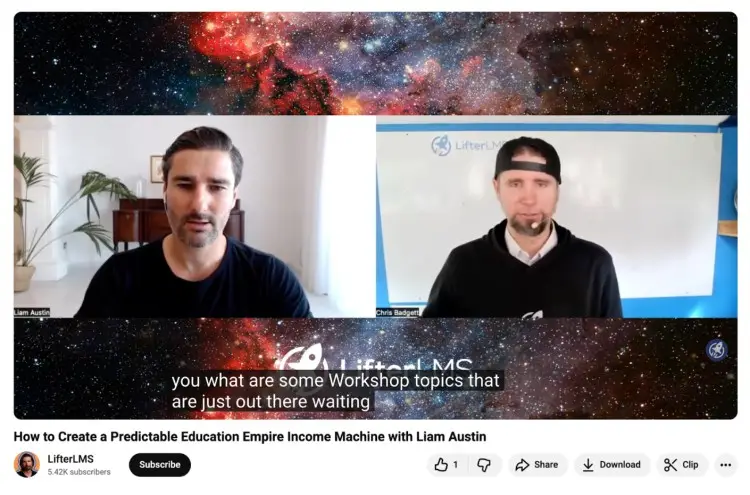
A podcast host is a person who guides the conversation in a podcast episode. You set the tone, keep the discussion flowing, and make sure the audience stays engaged.
Think of yourself as a bridge between the listener and your message, ideally making the experience feel like a personal chat.
Depending on the niche and format, a podcast host’s role can change quite a bit:
- Storytelling podcasts: Weaving narratives cohesively.
- Interview-style shows: Acting as an interviewer, digging into interesting topics and managing the guest.
- Panel discussion: Moderating responses and keeping the conversation flowing.
A key part of the role is to know your audience inside and out, so you can adapt your style and content accordingly.
How to Be a Good Podcast Host (Checklist)
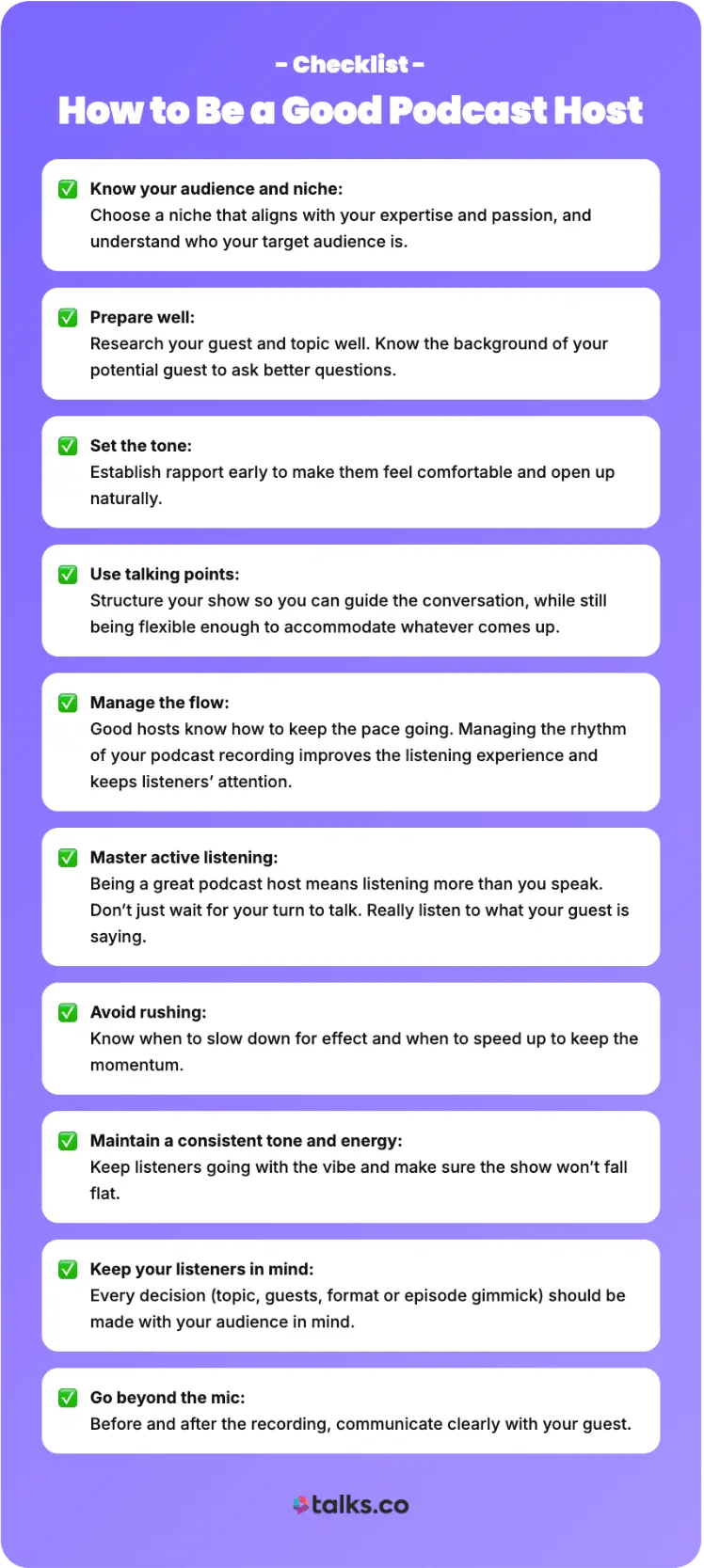
If you want to become a successful podcast host, there are several steps you can take to improve your craft and create a good podcast.
Here’s a simple breakdown:
- Know your audience and niche: Choose a niche that aligns with your expertise and passion, so conversations flow more naturally. Then, understand who your target audience is and how you can share valuable content that they want to hear.
- Prepare well: Research your guest and topic well. Know the background of your potential guest to ask better questions and keep the conversation focused on the topic at hand.
- Set the tone: As a host, your energy sets the mood for the whole show. Establish rapport early to make them feel comfortable and open up naturally.
- Use talking points: Structure your show so you can guide the conversation, while still being flexible enough to accommodate whatever comes up.
- Manage the flow: Good hosts know how to keep the pace going. Managing the rhythm of your podcast recording improves the listening experience and keeps listeners’ attention throughout the episode.
- Master active listening: Being a great podcast host means listening more than you speak. Don’t just wait for your turn to talk. Really listen to what your guest is saying.
- Avoid rushing: Know when to slow down for effect and when to speed up to keep the momentum.
- Maintain a consistent tone and energy: Keep listeners going with the vibe and make sure the show won’t fall flat.
- Keep your listeners in mind: Every decision (topic, guests, format or episode gimmick) should be made with your audience in mind.
- Go beyond the mic: Before and after the recording, communicate clearly with your guest. Share episode release plans, promote their work on your social channels, and thank them sincerely.
To develop your hosting skills, find podcast guests and learn specific podcast interview tips for different formats.
How to be a good host at an event
Hosting an event shares some similarities with podcast hosting, with the bonus factor of interacting with a live audience.
To be a good host at an event:
- Prepare your script: Get clear on the event flow and what to say. But stay flexible so you can make the most of spontaneous moments.
- Set the tone early: Make guests feel comfortable with a warm welcome. Set the expectations for the rest of the program.
- Introduce speakers or performers: Make sure to share your enthusiasm with other people who are part of the program.
- Encourage participation: You’re not delivering a speech. Make your audience feel engaged by keeping them in the loop.
- Keep the event moving: Balance sticking to the schedule with matching the energy of the room.
- Connect with your audience: Use body language and eye contact to build rapport.
- Handle technical issues calmly: Signal for help and maintain professionalism.
How to be a good radio broadcaster
A radio broadcaster, like a podcast host, needs to connect with listeners who can’t see them, so voice clarity and personality are crucial. Here’s how to improve at it:
- Make it sound personal and conversational: Speak like you’re talking directly to one person, perhaps a friend.
- Use vivid descriptions: Help listeners imagine and create mental images since they can’t see you.
- Master the art of timing: Use pauses for impact and avoid filler words.
- Stay energetic and authentic: Your tone is what keeps the listeners’ attention.
- Prepare for live elements on air: Learn how to handle live calls or interviews with grace.
- Continuously improve: Listen to your own broadcasts and take note of what to do better. Ask for feedback from reliable peers.
How to be a good host on stage
Hosting on stage demands confidence and presence to captivate a live audience. Here’s a simple approach you can apply:
- Check your tech: Before the event, make sure your microphones and speakers are working well.
- Block your position: Know ahead of time where you’d be on stage. Plan your movements if you’re not behind the podium or in one place.
- Hook your audience: Begin with a strong opening that grabs attention.
- Command the stage: Use gestures and movement to show confidence and keep audiences engaged.
- Build rapport: Maintain eye contact and smile to appear approachable.
- Keep things light and interesting: Use humor or stories to make your hosting memorable.
How to Be a Great Podcast Host
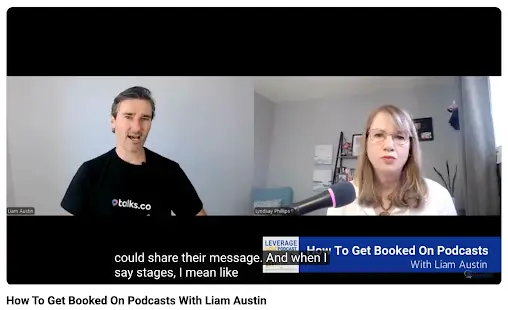
Hearing from people who have mastered hosting is one of the best ways to grow. Here are real insights from expert hosts from good podcasts:
- Freely expounding on ideas, Joe Rogan: “It’s one of the best ways to explore an idea, and certainly much less limiting than trying to express the same idea in stand-up comedy.”
- Gaining perspective with interviews, Espree Devora: “Podcasting has made it totally acceptable to go and ask almost anybody and say, hey, would you spend an hour sharing?”
- Talking about anything, Ann Handley: “Content is everything the light touches.”
- Embracing flexibility, Adam Carolla: “With podcasting, you can really mess around with the form and the format. You can do as much time as you like without having to pause for commercials.”
For me, the best experience with a host was when they became a friend and the relationship extended beyond the interview. That showed me that they genuinely wanted to connect.
How to be a better podcast host
Many beginners in podcasting struggle with issues like talking over their guests, losing focus, or sounding too scripted. To avoid these pitfalls, follow these hosting tips:
- Don’t interrupt: Let your guests finish and pause before replying.
- Avoid jargon: Using uncommon words and slang could alienate your target audience.
- Let the conversation flow: Use open-ended interview questions to encourage storytelling.
- Practice active listening: If you have guests, respond to them authentically rather than reciting questions.
- Be mindful of your tone: Even with a script, sounding too rehearsed makes the show lose its personal touch.
- Steer the direction: Know when the conversation veers off topic and gently guide it back.
- Don’t overcomplicate things: Use analogies and metaphors to explain complicated ideas simply.
Need a good list of podcast interview questions to ask? Check this guide.
What Makes a Good Podcast Host?
Understanding the characteristics of a great podcast host helps you identify what qualities to develop for yourself.
Success in podcasting often depends less on fancy gear and more on who you are and how you connect.
Let’s look at the traits that help build a loyal audience because they know you can deliver.
Characteristics of a good podcast host
Here are qualities shared by the most popular and respected podcasters:
- Authenticity: Listeners want to feel you’re genuine.
- Curiosity: A great host shows real interest in the guest’s story.
- Empathy: You make your guest feel relaxed and comfortable.
- Patience: You listen fully without rushing.
- Preparation: You know what makes your topic or guest shine.
- Adaptability: You can read the room (or mic) and adjust your style.
- Clear communication: You avoid confusing or lengthy explanations.
- Engaging energy: You bring a consistent, relatable tone to every episode.
- Storytelling ability: You help craft memorable moments.
- Humility: You’re comfortable sharing the spotlight.
- Reliability: You show up prepared and on time every time.
How to Be a Podcast Host
Starting and growing your podcast as a host is a journey. Here is a step-by-step guide to becoming an effective podcast host:
- Decide on your niche and target audience: Know who you want to reach and what topics resonate with them.
- Plan your show format: Decide on what type of podcast you’ll do. Will you do solo episodes, interviews, or something else?
- Find the right guest: Use tools and platforms to find personalities who match your audience and interests.
- Research your podcast guests: Craft more personalized questions so you can have conversations that go deep and inspire real talks.
- Improve your production quality: Invest in good microphones and learn basic audio editing.
- Record practice episodes: Find your natural voice and run through how you plan to say things.
- Promote your episodes: Use social media, blogs and your website to tease your upcoming episodes.
- Keep learning: While growing as a podcast takes time, make sure you’re on top of trends and best practices.
Want help on specifics? Check out our guides on how to do a podcast interview and how to generate ideas for questions.
How Much Do Podcast Hosts Get Paid?
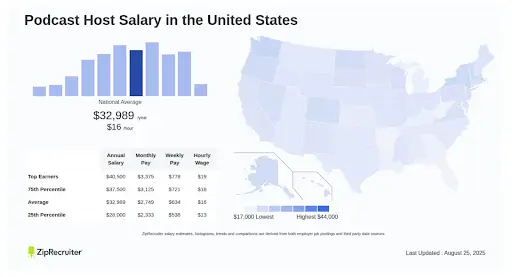
Podcast hosting can be a lucrative career, though income varies widely depending on factors like show popularity, niche, and monetization methods.
According to the latest data, here’s a snapshot of average podcast host salaries in the US:
- 25th percentile: $28,000
- Average: $32,989
- 75th percentile: $37,500
- High earners: $40,500
Top-tier podcast hosts can make significantly more through sponsorships and advertising deals.
Highest paid podcast hosts
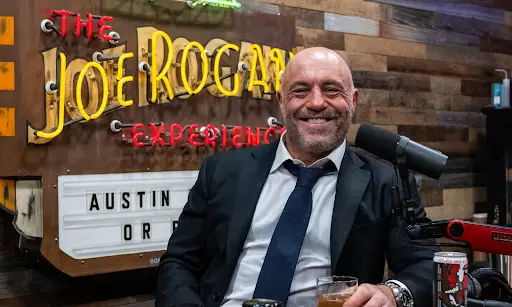
Some of the highest earning podcast hosts include:
- Joe Rogan: Estimate of $30 million from The Joe Rogan Experience
- Ramit Sethi: About $25 million from I Will Teach You to Be Rich
- Karen Kilgariff and Georgia Hardstark: $15 million each for My Favorite Murder
- Jason Bateman, Sean Hayes, and Will Arnett: $11 million each for SmartLess
- Dax Shepard: Estimate of $9 million for Armchair Expert
These numbers show your earning potential if you build a popular podcast with strong engagement.
Host a Top-Tier Show
How to be a good podcast host is more than just having a good voice. It’s the charisma and vibe you have when you relate with people, whether they be a guest or your listeners.
People can feel your genuine enthusiasm through the mic. It’s what makes people tuned in to every interview and episode you do.
Want to test your hosting skills? Connect with guests and record a podcast episode together.
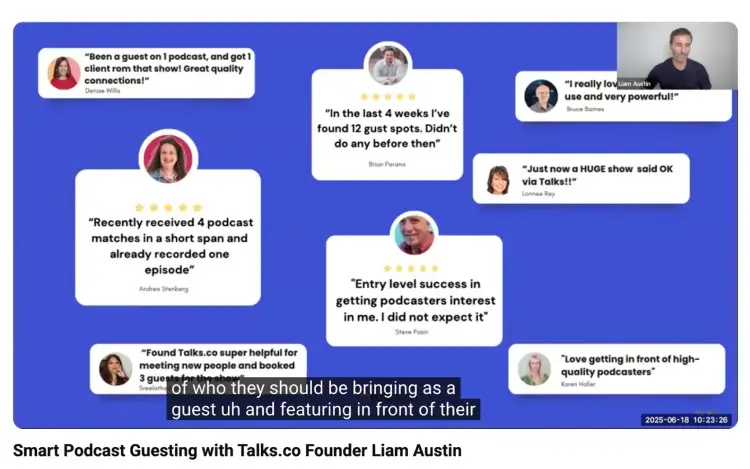
Find the right guest that matches your energy and niche. Sign up for a Talks Creator profile and let the algorithm help you.
No long lists of emails to sift through. No endless scrolling on social media. Just fellow experts who can add value to your show.
Create a Free Creators Profile Now and Start Interviewing.


