

Podcast production costs don’t start with a microphone. They start with a decision most people never price in: how seriously you want to be taken.
Some podcasts sound expensive because they are. Others sound expensive because the host made a few smart choices early. And plenty of shows bleed money while going nowhere, polished to death with no strategy underneath.
That’s the uncomfortable part no one puts on the pricing pages.
You’ll see numbers thrown around ($0, $500, $5,000 a month) and none of them mean anything without context.
Podcast production pricing only makes sense once you understand what you’re actually paying for, what grows your podcast, and what quietly drains your budget without adding leverage.
This guide breaks down the real costs behind professional podcast production, minus the anxiety, padding, and wishful thinking.
What Is Podcast Production?
Podcast production is the technical and creative process of turning every podcast creator idea into a branded podcast audio or video episode.
- Involves everything that happens from the moment you plan your podcast content to the moment it goes live for listeners.
- Ensures your message is clear, professional, and engaging for your audience.
- Turns your show into a professional podcast that keeps your listeners coming back for more.
What is the podcast production process?
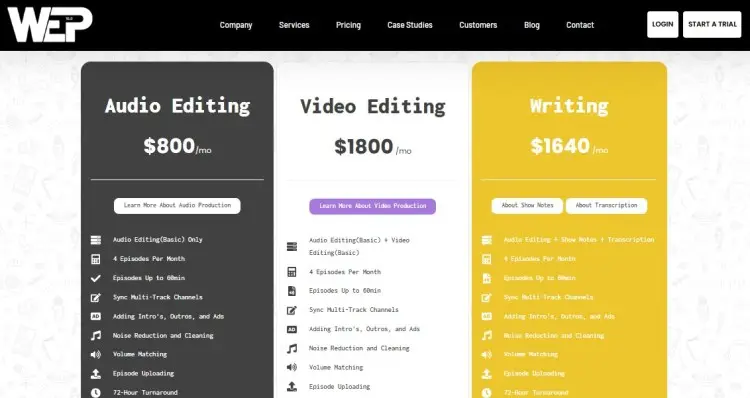
The production workflow is divided into distinct stages that require time and attention.
To understand the average cost for podcasting, you first need to know the basic podcast strategy that goes into making a show.
- Planning: This includes brainstorming topics, researching guests, and writing scripts or outlines.
- Recording: This is the actual process of capturing audio (and video, if you’re doing a video podcast), using microphones and recording software.
- Podcast editing service: This stage involves removing mistakes, cutting out silence, and fixing audio levels to ensure high production quality.
- Mixing and mastering: This adds polish by balancing sounds, adding intro and outro music, and making sure the volume level is consistent.
- Publishing: You upload the final file to a podcast hosting platform, which pushes it to apps like Spotify and Apple Podcasts.
- Marketing: This involves creating assets like podcast cover art, show notes, and social media posts to promote the episode.
- Visibility and outreach: Use platforms like Talks to connect with podcast hosts and guests, secure appearances, and turn podcasting into consistent reach rather than one-off exposure.
How Much Are Podcast Production Costs?
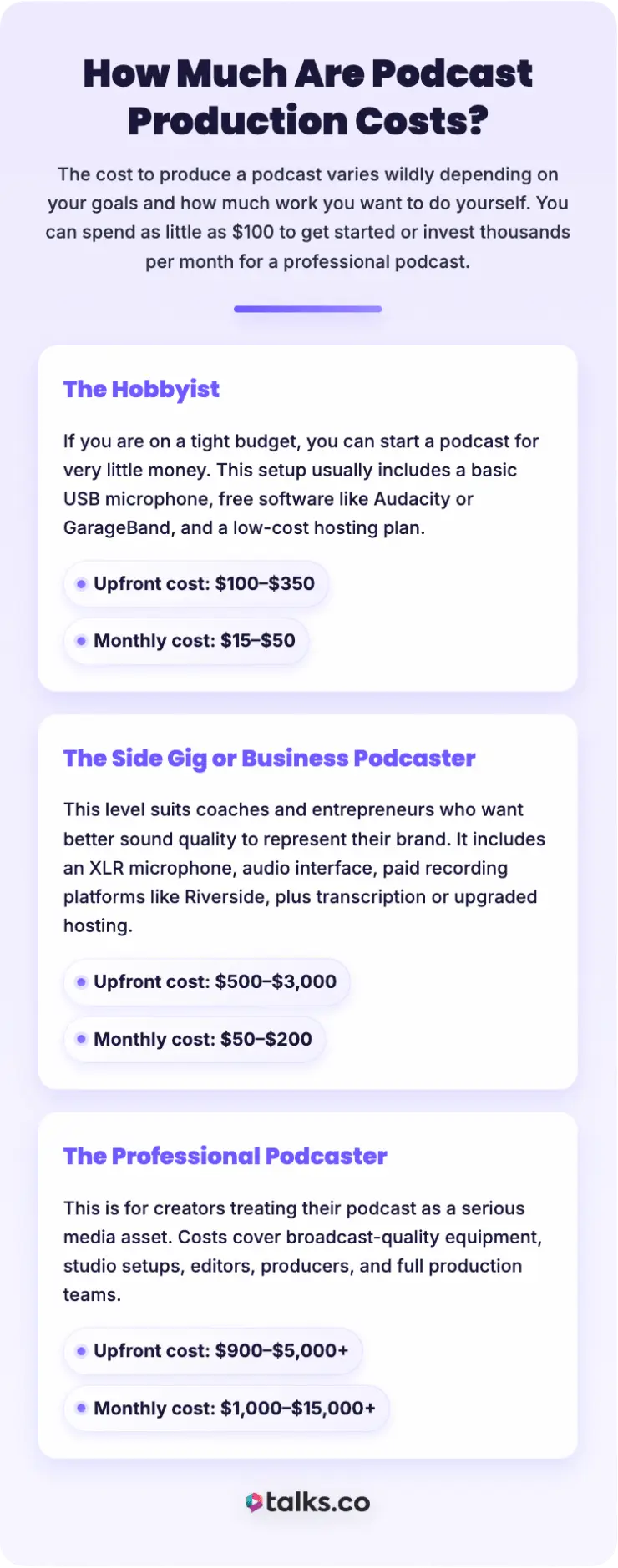
The cost to produce a podcast varies wildly depending on your goals and how much work you want to do yourself.
For example, you can spend as little as $100 to get started or invest thousands per month for a professional podcast.
Let’s look at the specific numbers so you can build a realistic budget.
How much does it cost to produce a podcast?
Let’s look at the breakdown of podcast production costs based on the level of the show you want to create.
The Hobbyist
If you are on a tight budget, you can start a podcast for very little money. This covers a basic USB microphone and a low-cost hosting plan. You would use free software like Audacity or GarageBand.
- Upfront cost: $100-$350
- Monthly cost: $15-$50
The Side Gig or Business Podcaster
This is for coaches or entrepreneurs who want better audio quality to represent their brand. With this budget, you can get a higher-quality XLR microphone, an audio interface, and subscribe to a paid recording platform like Riverside. You can also pay for transcription or better hosting.
- Upfront cost: $500-$3,000
- Monthly cost: $50-$200
The Professional Podcaster
This level is for those who treat their podcast as a major media asset and require broadcast-quality standards. This includes top-tier equipment, a professional studio setup, and hiring a full production team.
- Upfront cost: $900-$5,000+
- Monthly cost: $1,000-$15,000+
This budget can further change based on the type of podcast recording setup you have.
- For a solo show, you only need basic equipment and a quiet room to record your thoughts, making it an affordable option.
- An interview-style show requires scheduling tools and higher-quality remote recording platforms.
- A video podcast adds another layer of expense because you need lighting and cameras.
- A high-end narrative or documentary-style show is the most expensive format to produce because of extensive sound design and scripted storytelling.
How much should a podcast production budget be?
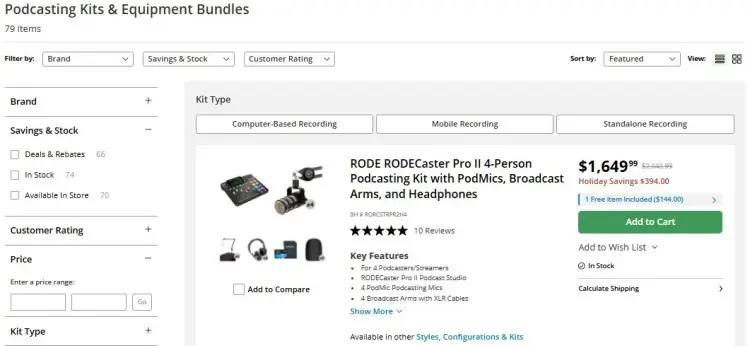
It really depends on how much you want to spend. So, when building your podcast production budget, it helps to know the going rates for specific tools and services.
- Equipment: A decent startup kit typically costs between $100 and $500. Professional gear can run up to $2,000.
- Editing: Typical podcast editing rates can range from $30 to $150 per hour, depending on the editor’s experience.
- Hosting: You’ll need a podcast hosting platform to generate the RSS feed that apps like Spotify and Apple Podcasts use. Prices usually range from $12 to $50 per month.
- Recording software: Podcast recording programs affect your production quality, especially if you’re using them for interviews. The best software for podcast interviews and remote recording generally cost $15 to $30 per month.
- Cover art: Custom podcast cover art can cost anywhere from $100 to $500 for a professional design.
- Show notes: Writing summaries and SEO notes typically costs $15 to $40 per episode.
- Podcast social media strategy: Hiring services to create content and manage your social media accounts can cost a couple of hundred to thousands of dollars. It depends on whether you’re outsourcing a couple of tasks or working with a whole marketing team.
How much does it cost to produce a podcast episode?
If you want to know the cost per episode, here are some ranges based on how you manage production.
- DIY ($0-$50 per episode): Your only cost here is your time and monthly software subscriptions.
- Freelance editor ($50-$200 per episode): This usually covers basic audio cleanup and mixing.
- Full-service agency ($500-$1,500+ per episode): This includes planning, editing, show notes, and sometimes marketing assets.
Remember: podcasting costs are not fixed and can scale with you. You can start with the bare minimum and upgrade your spending as your podcast grows.
Do You Need to Outsource Podcast Production?
One thing to consider is whether you should outsource your podcast production or handle it yourself. The answer depends on whether you have more money or more time.
Many hosts find that the technical aspects of podcasting distract them from creating content. Outsourcing frees you up to focus on content and guests. But it requires a monthly budget that not every new podcaster has.
Podcast production services pricing (DIY vs freelance vs agency)
Let’s compare the financial reality of a DIY podcast versus hiring a production agency.
Option A: DIY podcast
If you choose the DIY route, your primary investment is purchasing podcast equipment. You need to buy a budget microphone, headphones, and an audio interface. You also need to learn podcast production software to edit your own files.
Learning how to start a podcast for free using these tools takes time, but it keeps your monthly cash outflow very low.
- Financial cost: Low ($15-$50/month).
- Time cost: High (Five to ten hours per episode).
- Pros: You have full creative control and save money.
- Cons: It’s time-consuming and requires you to learn technical skills like podcast editing.
- Verdict: Best for beginners or those with limited funds who want to learn the ropes.
Option B: Hiring freelancers
An experienced podcast editor can fix audio issues that a beginner might not even notice.
If you hire a freelancer, the cost of podcast production might be slightly lower than that of an agency. But podcast prices for freelancers can vary, so it’s important to check portfolios.
- Financial cost: Medium ($200-$800/month).
- Time cost: Medium (Two to four hours per episode).
- Pros: You get better audio quality without doing the technical work.
- Cons: You have to manage different people for different tasks (e.g., an editor and a graphic designer).
- Verdict: Good for business owners who have a small budget but limited time.
Option C: Podcast production agency
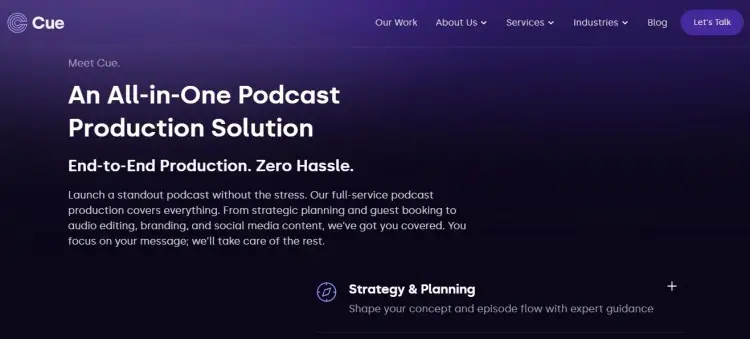
Hiring a podcast production company removes the technical burden entirely. Podcast production services usually offer packages that include editing, show notes, and uploading.
A podcast production agency makes sure that every episode sounds professional and is released on time.
- Financial cost: High ($1,000-$5,000+/month).
- Time cost: Low (One to two hours per episode).
- Pros: A dedicated production team handles everything from scheduling to publishing.
- Cons: This is the most expensive option.
- Verdict: Ideal for established brands or speakers who need a premium product with minimal effort.
9 Factors Affecting Podcast Production Rates
Nine different variables can drive your podcast production costs up or down. Being aware of these can help you manage your budget better and avoid hidden costs.
- Episode length: Longer episodes take more time to edit. An editor will charge more to process 60 minutes of audio compared to 20 minutes, since most freelance rates are calculated per hour of audio.
- Number of tracks: A solo show is easier to edit than a roundtable discussion with four guests. More voices mean more tracks to clean and balance, which increases the cost of podcast production.
- Video requirements: If you’re doing a video podcast for YouTube, your costs will increase significantly. Video files are larger, require more editing time, and need better lighting and camera equipment to produce.
- Turnaround time: If you need an episode edited in 24 hours, you’ll need to pay a rush fee. Planning ahead helps you avoid these extra charges.
- Production quality: Do you want a simple cleanup or a highly produced narrative with sound effects and music scoring? A complex podcast format requires a more experienced podcast producer, which costs more.
- Frequency of releases: A weekly show will naturally cost four times as much to produce as a monthly show.
- Production value: A show with complex sound design and music beds requires more labor than a simple conversation.
- Dedicated podcast website: Development and hosting fees for your landing page cost extra, but can pay off to increase your searchability and traffic.
- Marketing services: Promoting your podcast on social media also requires a budget for graphics and ads.
How often should you release a podcast?
Consistency is more important than frequency, but there’s really no hard-set rule. What I do recommend is a weekly release schedule to keep podcast listeners engaged.
I learned this the same way I learned to get better at anything else. By showing up for the reps, even on the days it felt a bit pointless, like kicking a soccer ball around after dark just to be a little less bad tomorrow.
You don’t get sharper by waiting for perfect conditions. But start with a schedule you can sustain energetically. It’s better to release a high-quality episode every two weeks than a low-quality one every week.
Also consider how often you publish directly impacts your monthly spend.
For example, if your budget is $500 per month and an episode costs $250 to produce, you’d need to release episodes bi-weekly.
How Do Podcast Offset Their Production Costs?
You might be worried about the podcast production costs, but there are proven ways to make money back and even turn a profit.
Smart content creators treat their show as a business, building podcast monetization and revenue streams that cover expenses like podcast editing and hosting.
Here are practical strategies to offset those costs while keeping your focus on great content:
- Sponsorships: Sell ad spots directly to brands that fit your audience. Rates typically run $15 to $30 per 1,000 listens, scaling as your downloads grow on platforms like Spotify and Apple Podcasts. Ideal once you hit consistent listener numbers.
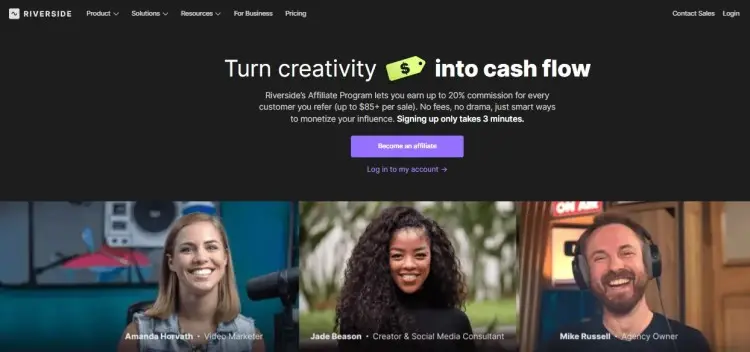
- Affiliate marketing: Promote tools you love, like podcast equipment or podcast software, and earn commissions on sales. It works for any show size since there are no minimum metrics, making it a top podcast marketing strategy for beginners.
- Services and products: As a coach, consultant, author, or speaker, use your podcast as a lead magnet. Listeners discover your expertise and book sessions that directly grow your income.
- Listener support: Set up platforms like Patreon for superfans to contribute monthly. These donations can handle your recurring fees, like your podcast hosting platform subscription, while building a loyal fan base.
How Much Is the Podcast Industry Worth?
The podcasting space has grown from a niche hobby to a massive global industry. As of 2025, the industry continues to see significant financial expansion, with the global podcast market size estimated at around $38-40 billion.
Podcast industry statistics project it to grow up to $130 billion by 2030. This means more advertisers and more listeners are entering the space every year.
Investing in your podcast now positions you to take advantage of this upward trend.
Your Visibility Is Worth Every Penny

Understanding podcast production costs is step one for planning a show that lasts. Whether you choose to DIY or hire a pro, there’s a path that fits your budget.
You don’t have to blow your budget just to produce a good podcast. Start small but make a big impact with tools like Talks.
Instead of hiring an agency and spending thousands on ads, you can grow your visibility by interviewing podcast guests or hopping on other podcasts to cross-promote.
With the Talks network, it’s quick and simple to get in front of new audiences and make connections that last.
Andrea got four matches all at once and started recording. Brian recorded with 5 shows out of tons of matches.
Sign Up for a FREE Talks Profile Today and Start Matching.


