

Your ideas deserve a bigger room than your own head.
Maybe you’ve spent 10 years coaching business owners, built a company from your garage, or learned the hard way how to rebuild your life after burnout. You’ve got stories worth telling and lessons people could use.
Yet the moment you imagine standing in front of an audience, your palms sweat and your brain starts writing checks your mouth can’t cash.
Me, too.
Public speaking can open doors to bigger opportunities, stronger authority, and income that grows beyond your one-to-one work. The tricky part is figuring out how to get started when nobody knows your name and your speaking reel is a grand total of zero seconds long.
Here’s how to become a public speaker, build your skills, book your first gig, and turn your voice into an asset people will pay to hear.
How to Become a Public Speaker
If you can explain an idea to a colleague, coach a client through a difficult decision, or tell a story that gets people leaning in, you could have the makings of a public speaker.
By building on what you already know, practicing in low-pressure settings, and collecting proof that your talks help people, you could work toward paid keynotes, conference appearances, and corporate workshops.
How to be a public speaker for beginners (Checklist)
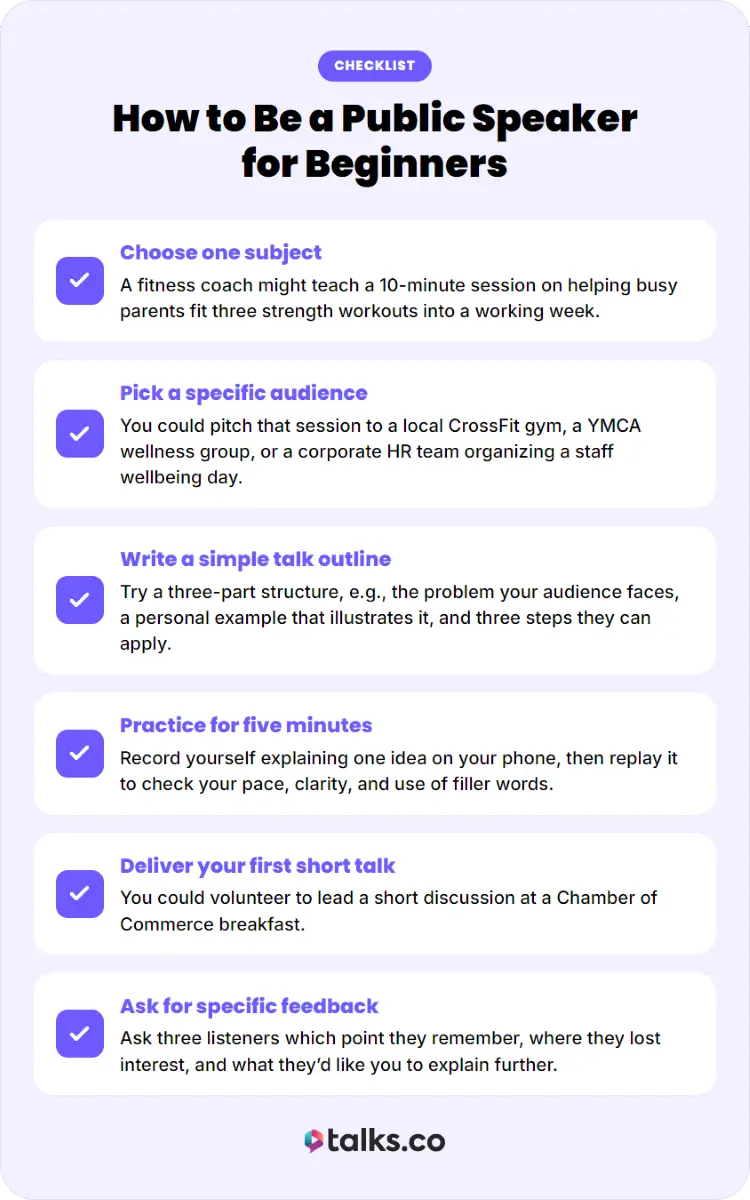
If you’re starting from scratch, you could use a subject you know well to build your first short talk, then practice it with people who can give you honest feedback.
☐ Choose one subject: A fitness coach might teach a 10-minute session on helping busy parents fit three strength workouts into a working week.
☐ Pick a specific audience: You could pitch that session to a local CrossFit gym, a YMCA wellness group, or a corporate HR team organizing a staff wellbeing day.
☐ Write a simple talk outline: Try a three-part structure, e.g., the problem your audience faces, a personal example that illustrates it, and three steps they can apply.
☐ Practice for five minutes: Record yourself explaining one idea on your phone, then replay it to check your pace, clarity, and use of filler words.
☐ Deliver your first short talk: You could volunteer to lead a short discussion at a Chamber of Commerce breakfast.
☐ Ask for specific feedback: Ask three listeners which point they remember, where they lost interest, and what they’d like you to explain further.
How to become a public speaker with no experience
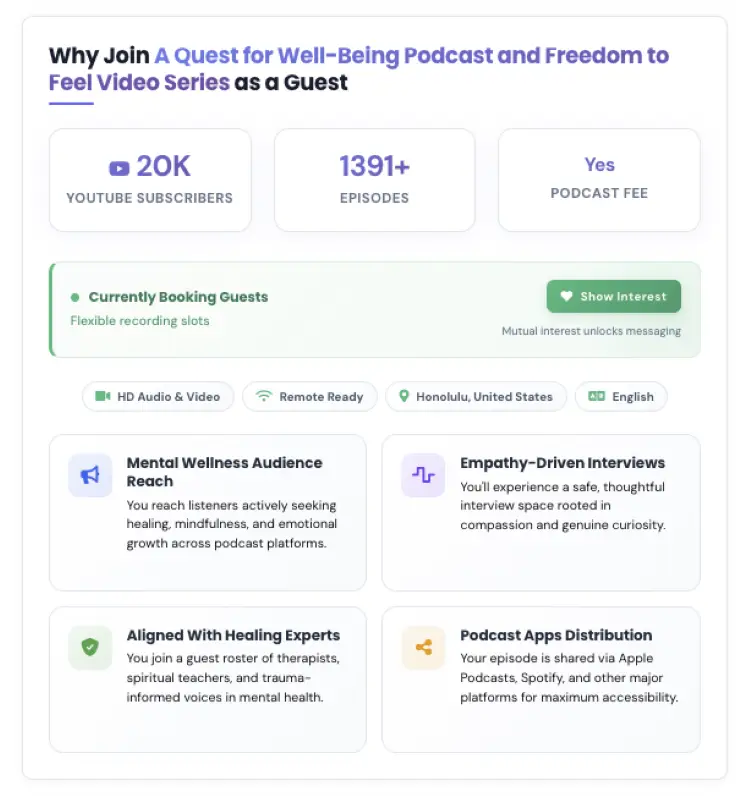
You could start building a speaking track record through small, accessible opportunities, using each guest appearance to collect feedback, refine your talk, and earn an introduction to your next event organizer.
- Volunteer for a community event: Offer a 15-minute presentation on budgeting for freelancers at your local library’s small-business workshop.
- Turn your expertise into a free session: A career coach could run a LinkedIn workshop for graduates through a university alumni association.
- Approach podcast hosts: Browse Talks for shows looking for guests who can explain a specific topic, share a useful framework, or tell a relevant professional story.
- Host a small online workshop: Invite 8 to 12 people to a free Zoom session on a topic you know well, then ask attendees what they’d like you to cover next.
- Create evidence of your speaking ability: Save event photos, organizer feedback, audience testimonials, and short video clips in a Google Drive folder you can share with potential bookers.
- Request a referral after each talk: You could ask an event organizer, “Do you know another public speaking group that might benefit from a session on this topic?”
How to be a good public speaker
If you want audiences to remember your message and use it after the event, focus on clear explanations, relevant examples, and delivery that makes your ideas easy to follow.
- Open with a recognizable problem: A sales trainer could start a workshop by asking how many people have lost a deal after sending a proposal and hearing nothing back.
- Use a concrete example: A nutritionist could explain meal prepping by walking through one family’s actual Sunday grocery list.
- Keep one central message: Build a 20-minute presentation around one useful outcome, such as helping new homeowners spot five maintenance problems before they get expensive.
- Make your slides readable: Use one main point per slide in Google Slides, with large text and a relevant example instead of paragraphs copied from your script.
- Vary your delivery: Pause after an important question, slow down when explaining a process, and change your pace when moving into a story.
- Give the audience something to use: End a workshop with a one-page checklist or a short exercise attendees can complete before leaving the room.
How to become a good public speaker
As you gain experience, you could improve faster by reviewing each performance, seeking targeted coaching, and testing specific changes at your next appearance.
- Review your recordings: Watch a full talk and mark the moments when you look away from the camera or explain an idea twice.
- Practice one skill at a time: Spend a week tightening your transitions between points, then another week on your gestures, using the same short talk to measure your progress.
- Study skilled speakers: Analyze how Simon Sinek introduces his central idea in his TED Talk, How Great Leaders Inspire Action, and observe how he uses stories and repetition to reinforce his message.
- Rehearse under realistic conditions: Practice your presentation standing up, using your slides and microphone, and delivering it within the actual time limit.
- Get expert feedback: Hire a speaking coach or emcee who can assess your structure, stage presence, and audience engagement.
- Log every performance: After each presentation, record the audience size, talk length, strongest audience response, and one change to test at your next event.
How to Become a Confident Public Speaker
Confidence can grow with practice, especially when you gradually expose yourself to situations that make you nervous. Start with a two-minute talk for a colleague, then work toward a small workshop or conference presentation as your skills develop.
How to get over public speaking nervousness
A short pre-speech routine could help you manage nerves and focus on delivering your message.
- Rehearse your opening: Practice your first 60 seconds five times so you know how to begin.
- Slow your breathing: Try inhaling for four seconds and exhaling for six before taking the stage.
- Prepare cue cards: Write three key points on an index card in case you lose your train of thought.
- Practice interruptions: Ask a friend to throw unexpected questions at you during rehearsal.
- Focus on one person: Direct each thought toward a friendly face before shifting your attention.
- Normalize the nerves: Richard Branson has spoken about feeling nervous before public appearances, so treat the jitters as part of the process and rehearse the shape of your talk instead of memorizing every sentence.
How to become comfortable with public speaking
Repeated exposure to different audiences and settings could help speaking feel more familiar.
- Start small: Explain one work concept to your team during a stand-up meeting.
- Join a practice club: Rehearse prepared speeches and impromptu exercises at a local Toastmasters club.
- Try virtual practice: Use Orai to rehearse a speech at home and get automated feedback before you face a live audience.
- Increase the audience size: Progress from one-to-one conversations to small workshops and larger events at a manageable pace.
- Repeat your talk: Give the same short presentation to a book club, a coworking space lunch, and a neighborhood association meeting.
- Rate your nerves: Score your nervousness from one to 10 before and after each presentation.
- Create a weekly habit: Host a 10-minute Instagram Live every week answering one audience question.
- Seek professional support: If anxiety significantly interferes with daily life, a qualified mental health professional could help you explore evidence-based treatments such as cognitive behavioral therapy.
How to Get Public Speaking Opportunities with Talks (Checklist)
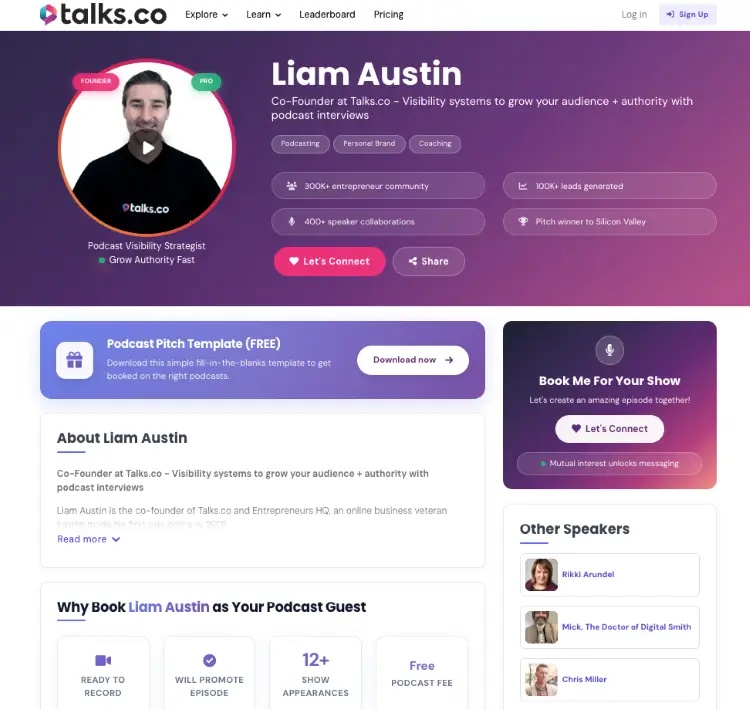
Your Talks profile can help podcast hosts understand your expertise, find relevant interview topics, and see why you’re a good fit for their audience and upcoming public speaking opportunity.
Use this checklist to create a Talks Creator profile that showcases your experience and makes it easier for hosts to picture you on their show.
☐ Create your free Talks profile: Sign up at Talks and build a profile that showcases your expertise.
☐ Choose your speaking topics: I cover podcasting, virtual summits, authority building, digital media strategy, and online business growth.
☐ Write a compelling bio: Highlight your professional background, the people you’ve helped, and the results you’ve achieved. My Talks Creator profile bio covers co-founding Talks and Entrepreneurs HQ and educating over 100,000 entrepreneurs.
☐ Showcase your achievements: Include measurable results, such as my 400+ speaker collaborations, 100K+ leads generated, and community of over 300,000 entrepreneurs.
☐ Suggest specific interview angles: Pitch topics such as growing an email list through podcast interviews or scaling a business through strategic partnerships.
☐ Link your past appearances: List previous podcast episodes, interviews, and media coverage hosts can listen to.
☐ Make it easy for hosts to book you: Outline your preferred interview formats, availability, audio and video setup, and plans to promote each episode.
How to Become a Paid Public Speaker
Getting paid to speak starts with a topic people need help with and an audience willing to invest in that expertise. You could earn money through set speaking fees, corporate workshops, industry conferences, association events, and private training sessions.
Start by building a clear offer, gathering proof that your talks deliver value, and approaching organizers who have a budget for talented public speakers for their public speaking event.
How to become a public speaker and get paid
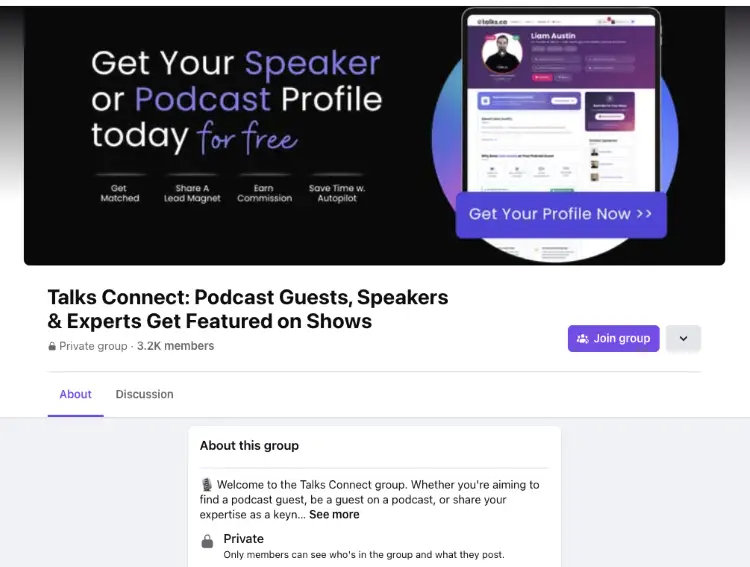
You can monetize your speaking skills by pitching paid talks directly or through platforms that help you reach new audiences, sell your knowledge, or build recurring revenue. Start with the option that best fits your expertise and the way you want to work.
- Pitch paid workshops: Offer a half-day session to a corporate learning team or an industry association’s annual conference.
- Grow your audience through Talks: Podcast appearances on public speaking platforms can send new listeners to your paid offers.
- Publish paid content on Substack: Offer a paid newsletter with expert insights and subscriber-only posts.
- Build a membership on Patreon: Charge for exclusive videos and live Q&A episodes on how to become a successful public speaker to solve a problem for your target audience.
- Grow a Facebook Group: Build a free community around your expertise, then invite members to your paid offers.
- Sell courses through Teachable: Turn your motivational speaker presentations and speaking engagements into paid training programs.
- Offer expert sessions through Talkspresso: Sell one-on-one consultations based on your public speaking skills and public speaking tips.
Time to Grow In Public
Now you know how to become a public speaker. The next step is getting your expertise as a thought leader in front of people who want to hear all about your area of expertise. Talks makes being a professional speaker and a good speaker much easier.
Create your free Talks Creator profile to showcase your expertise, get matched with relevant podcast hosts, and connect without spending hours hunting for opportunities for your first public speaking gig.
With automated matching and messaging, you can start building visibility while others are still figuring out who to pitch their personal brand and grow their professional public speaking career.
Your next interview could put your ideas in front of future clients, event organizers, and thousands of new listeners.
Create your free Talks profile and start getting your voice out there.


