

You can be really good at what you do and still wonder why nobody’s asking you to speak.
I’ve been on both sides of that equation. I’ve hosted dozens of online events, worked with 400+ speakers, and seen how one good stage can build relationships that lead to more paid speaking gigs.
Speakers get invited to an upcoming event, meet the right person, get recommended for a podcast, then get speaking engagements after speaking engagements just from that conversation.
The frustrating part is finding those first few doors.
That’s one reason we built Talks.
Public speaking opportunities for professional speakers and keynote speakers are often sitting out there, but they can be surprisingly hard to find.
Talks helps speakers create a profile, land speaking engagements with top hosts, and connect with shows and events looking for guests for paid speaking opportunities.
If you want more potential clients, visibility as a thought leader, and paid engagements and speaking to grow your professional speaking career, here’s where to start.
What Are Speaking Engagements?
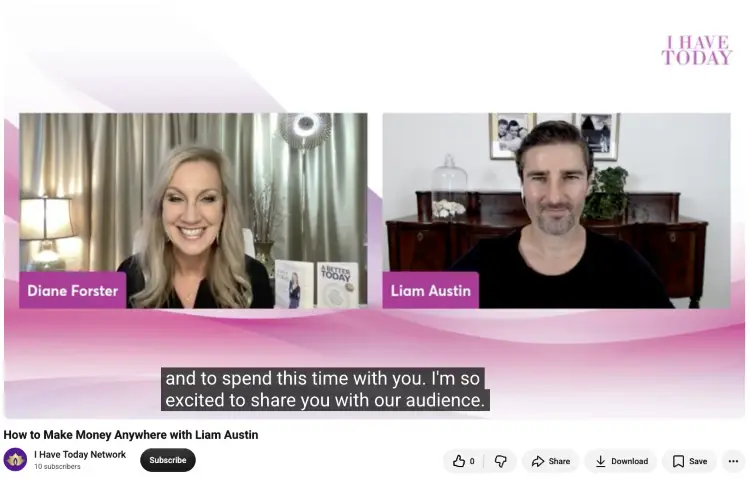
A speaking engagement is a planned appearance where you’re invited to share your expertise with an audience. That could mean delivering a keynote at a conference, teaching a workshop for a company’s conferences or events, joining a panel at a personal brand or industry event, or appearing as a guest on a podcast to speak for free.
The format changes, but your role as a successful speaker in the speaking business stays the same: give people a useful reason to listen to your speech.
What are the benefits of speaking engagements?
Speaking engagements can become a valuable part of your business development strategy when find opportunities and you use each paid speaker appearance with a specific outcome in mind.
- Authority: A strong appearance gives you a credible credential to reference in your bio, speaker page, pitches, and sales conversations.
- Lead generation: A relevant audience can introduce you to potential buyers who already understand the problem you solve.
- Referrals: Show event organizers, podcast booking agencies, speakers, and attendees can recommend you for other stages when they know what you do. Don’t be afraid to ask for referrals as a way of getting your name out there to build relationships with decision makers.
- Content: Your presentation can give you material for LinkedIn posts, podcast clips, YouTube videos, and newsletters.
- Professional relationships: Spending 30 minutes talking with another speaker to build credibility and stay top of mind after an event can lead to collaborations, introductions, or future appearances when they need a speaker with your expertise.
Who Can Get Speaking Engagements?
When you get to know the organizers, you’ll notice that they generally need speakers for potential engagements who can help their audience solve a specific problem, learn something useful about current industry trends, or see a familiar challenge differently.
Successful speaking experts who get paid to speak to the right audience can be:
- Coaches: Share practical frameworks through workshops, summits, podcasts, and client-facing events.
- Consultants: Turn strong marketing knowledge into talks for companies, associations, and industry conferences to increase your visibility and learn the best ways to land more MQLs.
- Authors: Use your book and ideas to create talks around the problems you already write about.
- Entrepreneurs: Share lessons from building a company, launching products, or leading a team.
- Subject-matter experts: Teach a specific skill, from nutrition coaching to B2B sales.
How much are speaking engagement fees?
Current speaker listings show fees ranging from $350 to $22,000 per event, with your rate influenced by your experience, topic, audience, track record, and the event itself.
- $350-$1,500: Jeff Ponders II starts at $350, while Rhonda Petit charges from $1,500.
- $2,500-$7,500: Tony Bradshaw charges $2,500-$10,000, while Dr. Dennis Cummins starts at $7,500.
- $7,800-$22,000: Mark Fabian charges $7,800-$22,000 for speaking engagements.
How to Find Speaking Engagements
Finding speaking opportunities gets easier when you stop treating every event as a potential fit. Start with places where your expertise already matches the audience, topic, and format to get on podcasts.
1. Search for events, conferences, podcasts, and communities
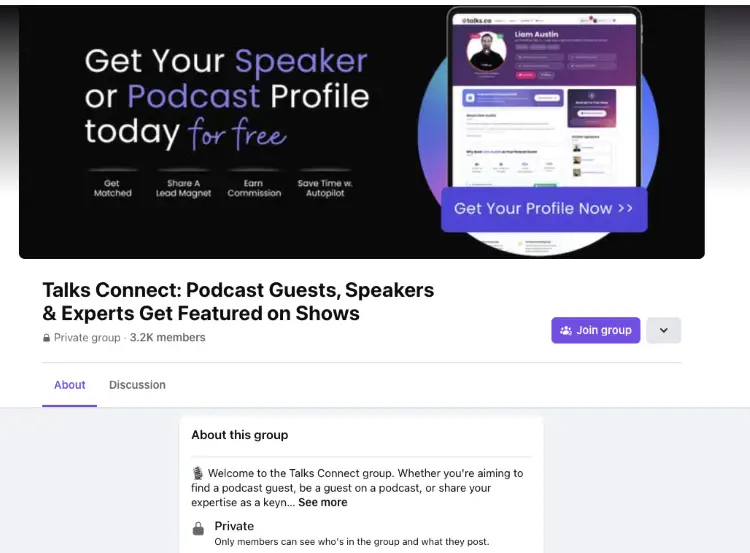
Cast a wide net first, then narrow it down based on audience fit and booking potential.
- Google searches: Try phrases like “2027 health coaching conference speakers” or “B2B SaaS virtual summit call for speakers.”
- Event platforms: Search Eventbrite, Meetup, LinkedIn Events, and conference websites for recurring events in your niche.
- Podcasts: Use Talks to find shows looking for guests who match your expertise and audience.
- Industry associations: Check groups such as the American Marketing Association or National Speakers Association for events and member programs.
- Communities: Look through private Slack groups, Facebook communities, and LinkedIn groups where event hosts regularly recruit speakers and emcees.
2. Research the organizers and their audiences
A speaking opportunity becomes far more useful when you know exactly who you’ll be addressing and what the organizer cares about.
- Study past events: Watch recordings from the organizer’s 2025 or 2026 events to see which topics and speakers performed well.
- Check the audience: Read attendee descriptions, job titles, industries, and company profiles before pitching.
- Review past speakers: Look at speakers’ websites and LinkedIn profiles to understand the level of expertise being booked.
- Find their priorities: Check the event’s agenda for themes such as AI adoption, leadership development, or employee wellbeing.
- Note the format: Record whether they use 20-minute keynotes, 45-minute workshops, panels, or fireside chats.
3. Find the right person to contact
Your podcast guest pitch template has a much better chance of being seen when it reaches the person actually responsible for programming speakers.
- Check the event site: Look for “Speakers,” “Contact,” “Media,” or “Partnerships” pages.
- Search LinkedIn: Try “[Event Name] speaker manager,” “[Company] events director,” or “conference producer.”
- Check past posts: Organizers often tag the person coordinating speakers in LinkedIn event announcements.
- Verify the role: Confirm they’re responsible for programming before sending your pitch.
- Save the details: Record their name, role, email, LinkedIn URL, and the date you contacted them.
4. Build a targeted list of speaking opportunities
A simple tracking sheet can stop promising opportunities from disappearing into your bookmarks and give you a repeatable outreach system.
- Create columns: Track event name, audience, organizer, contact, deadline, pitch date, follow-up date, status, and fee.
- Rank opportunities: Give each prospect a 1-5 score for audience fit, credibility, reach, and likelihood of booking.
- Set weekly targets: Add 10-20 relevant opportunities to your list every Monday.
- Track conversations: Record replies, referrals, objections, and future opportunities in the same sheet.
- Review monthly: Remove poor-fit events and double down on the podcast guest booking services and sources producing actual conversations and bookings.
How to Get Speaking Gigs Using Your Free Talks Profile
If you’re spending hours hunting for podcasts, events, and hosts to pitch, a free Talks profile can give you another discovery channel.
Set up your forever free profile once (yes, you read that right. F-o-r-e-v-e-r.), then use matching and search tools to find relevant opportunities without starting every podcast guest application from scratch.
How to get booked for speaking engagements
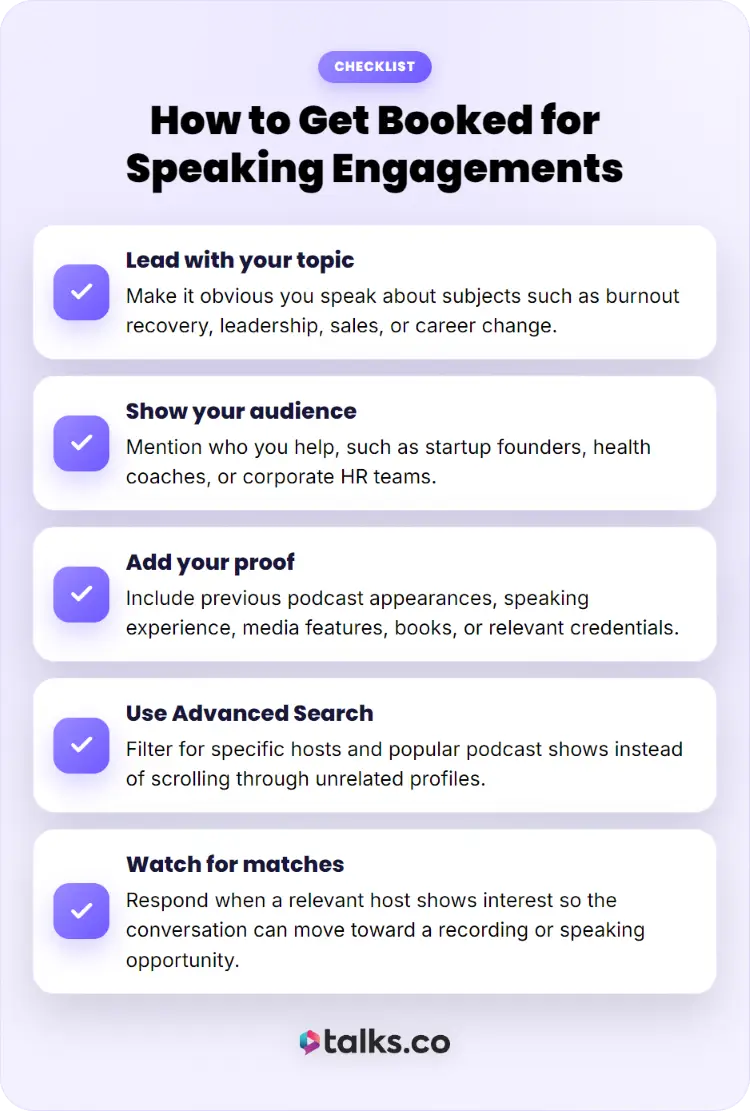
Your profile works best when an organizer can understand your expertise and audience fit within seconds. Give them enough information to see exactly where you’d add value.
☐ Lead with your topic: Make it obvious you speak about subjects such as burnout recovery, leadership, sales, or career change.
☐ Show your audience: Mention who you help, such as startup founders, health coaches, or corporate HR teams.
☐ Add your proof: Include previous podcast appearances, speaking experience, media features, books, or relevant credentials.
☐ Use Advanced Search: Filter for specific hosts and popular podcast shows instead of scrolling through unrelated profiles.
☐ Watch for matches: Respond when a relevant host shows interest so the conversation can move toward a recording or speaking opportunity.
5 Tools and tips for landing speaking gigs on Talks
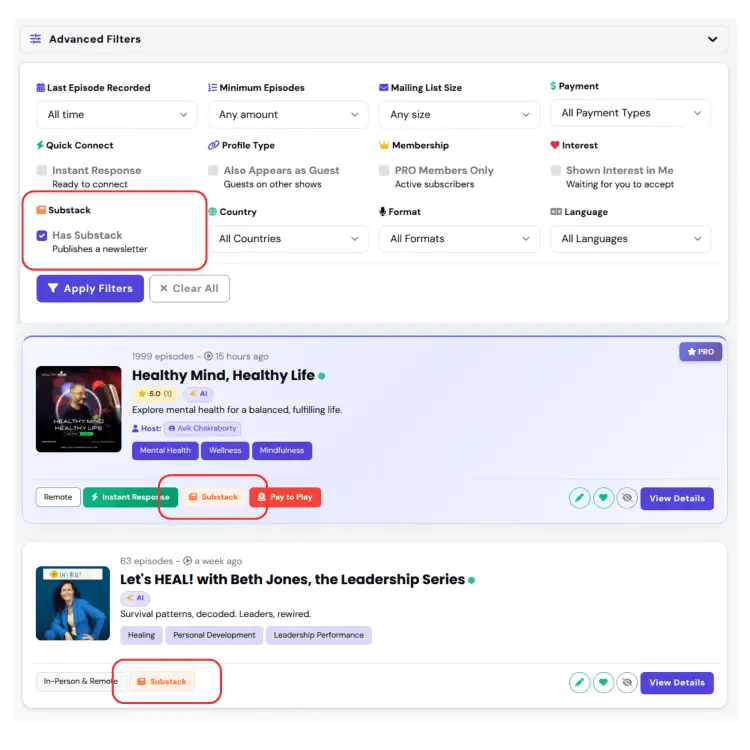
The strongest opportunities usually come from fit, not chasing the biggest name you can find. Talks gives you tools to get more specific about who you want to meet and what you can offer them.
- Filter for Substack creators: Find hosts who also publish newsletters and potentially open the door to guest posts, recommendations, or cross-promotion.
- Look for host-guest swaps: Use Advanced Search to find people who host their own shows and could interview you after appearing on yours.
- Prioritize audience fit: A podcast reaching 2,000 ideal buyers can be more valuable than one reaching 100,000 unrelated listeners.
- Personalize your profile: Make your bio and topics specific enough that the right host can quickly recognize the match.
- Follow through: After connecting, suggest a clear next step, such as booking a recording time or discussing a potential collaboration.
How to Get Speaking Engagements
Getting booked on podcasts becomes much easier when you treat speaking like a repeatable process. Start with a clear talk, give organizers an easy reason to say yes, then build each appearance into the next opportunity.
1. Define your signature talk and audience
Organizers need to know what you can speak about and who will get the most value from it. Give your talk a specific outcome instead of calling it something vague like “leadership.”
- Choose one problem: “How SaaS founders can cut customer churn” is stronger than “Business growth.”
- Name the audience: Target startup founders, HR leaders, first-time managers, or another specific group.
- Promise an outcome: Tell attendees what they’ll know, do, or understand by the end.
- Create 2-3 topics: Keep related talks ready for conferences, workshops, panels, and podcasts.
- Test your angle: Use questions people ask you repeatedly as clues for your strongest topics.
2. Use your Talks Creator Profile as your speaker one-sheet
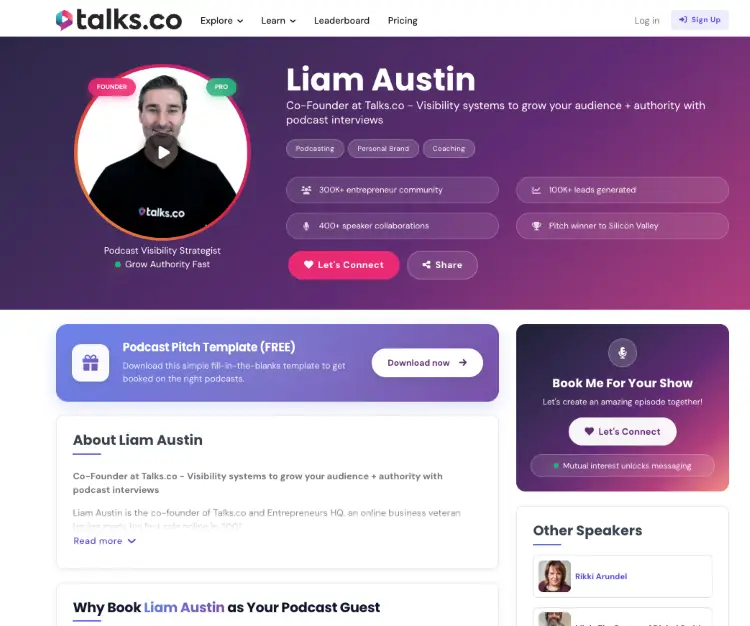
Your Talks Creator Profile can give event organizers a quick snapshot of who you are, what you speak about, and where you’ve appeared. Keep it specific enough that the right organizer can see the fit quickly.
- Write a focused bio: Explain your expertise, experience, and the audience you serve.
- Add your speaking topics: List specific talks around problems your target audience wants solved.
- Show your appearances: Include relevant podcast interviews, events, media features, and other proof.
- Highlight your fit: Make it clear who you speak to and the subjects you’re best suited to cover.
- Keep it current: Add new appearances and credentials so organizers always see your latest work.
3. Use Talks’ Auto-Accept and Auto-Respond features
Talks can automate several steps between finding the right person and getting a conversation booked.
Auto-Match, Auto-Accept, and Auto-Message can move a relevant connection forward while you spend your time preparing for the actual conversation.
- Let AI find matches: Talks can identify hosts and guests that fit your profile and preferences.
- Auto-accept good fits: Pro members can automatically accept relevant matches instead of reviewing every request manually.
- Send the first message: Auto-Message can send a prepared message as soon as a match connects.
- Add your calendar: Include a scheduling link in your message so the other person can book a time without another round of emails.
- Keep conversations moving: The automation takes care of the initial steps, leaving you to focus on the opportunities that turn into real conversations.
4. Follow up with event organizers
A strong pitch can still get buried in an organizer’s inbox. Follow up with a useful reason to reopen the conversation rather than sending “just checking in.”
- Give it a few days: Follow up 3-5 business days after your original pitch.
- Reference the event: Mention the specific session, theme, or audience you think you could serve.
- Add new proof: Share a recent speaking clip, podcast appearance, client result, or relevant credential.
- Try LinkedIn: A short message can work when your email hasn’t received a response.
- Close the loop: Send one final follow-up, then move the opportunity to your longer-term list.
5. Turn each speaking gig into your next opportunity
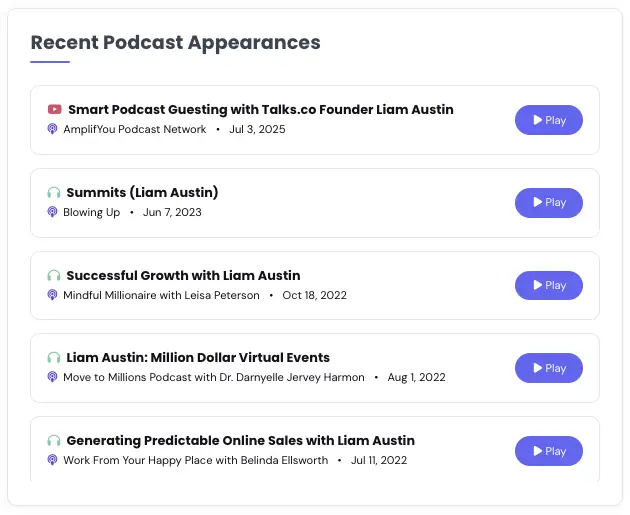
Every appearance gives you new proof, content, relationships, and potential introductions. Capture those assets while the event is still fresh, then use them in your next round of outreach.
- Request a testimonial: Ask the organizer for a short quote about your presentation.
- Save the recording: Pull useful clips for your speaker profile, website, and future pitches.
- Collect audience feedback: Note questions and comments that reveal topics worth developing into future talks.
- Ask for introductions: Find out which other event organizers, podcast hosts, or communities could benefit from your expertise.
- Update your proof: Add the appearance to your Talks profile, speaker bio, and one-sheet so every new booking strengthens the next pitch.
How to Get Paid Speaking Engagements
Paid speaking usually follows proof. Build a track record with relevant audiences, then use that experience to pursue opportunities where organizers have a speaker budget.
- Start with the right events: Look for corporate conferences, association meetings, leadership retreats, professional development programs, and industry summits with established speaker budgets.
- Package your expertise: A 45-minute workshop on reducing employee burnout gives an organizer a clearer reason to hire you than “motivational speaker.”
- Build evidence: Collect testimonials, recordings, audience feedback, and results from appearances at events such as the National Speakers Association annual conference.
- Pitch the business value: Show how your session could help attendees improve sales conversations, manage teams, retain employees, or solve another measurable problem.
- Increase your rate gradually: Stronger credentials, repeat bookings, larger audiences, and higher-value event formats can support higher fees over time.
How much to charge for speaking engagements
Speaking fees can range from a few hundred dollars to five figures, depending on your experience, audience, topic, event, and preparation required. Use comparable speakers and the scope of the engagement to set your starting point.
- $350-$1,500: A newer speaker might charge $500 for a 60-minute workshop at a local business association.
- $2,500-$7,500: An experienced specialist could charge $5,000 for a keynote at a regional healthcare conference in Chicago.
- $7,500-$15,000: Established experts with strong credentials can command this range for corporate keynotes, leadership programs, or national conferences.
- $15,000+: Recognized authors, executives, and high-profile speakers can charge five figures for major conferences or private company events.
- Price the full job: Factor in preparation, travel to places like New York or London, customization, rehearsals, and additional sessions before confirming your fee.
Get Booked Back to Back to Back
Getting speaking engagements takes a clear offer, targeted outreach, consistent follow-up, and enough proof to make organizers comfortable saying yes. The more appearances you show up to, the easier the next one becomes.
And you can start finding those opportunities faster with a free Talks Creator Profile.
Talks helps you get matched with relevant hosts, automate initial outreach, and put your expertise in front of people actively looking for guests.
Create your free profile, turn on your automation, and start seeing who’s looking for someone like you.
Yes! I Want My Free Talks Profile ASAP!


