

Ever watched someone less experienced than you walk away with the opportunity you wanted? Maybe they got the podcast interview, won over the client, or became the communicator everyone in the room remembered. And you’re sitting there thinking, “What do they have that I don’t?”
Sometimes, the difference comes down to communication.
After 10 years in the game and 400 interviews with experts and building an online business, I’ve been around enough to know how the way you speak, your active listening skills, plus how you tell stories, and connect with people through non-verbal communication can shape the opportunities that come your way.
For coaches, consultants, authors, speakers, and entrepreneurs, effective communication skills can help you build trust, grow your network, get booked on podcasts, and turn your expertise into greater visibility.
Let’s look at the importance of communication skills and how to foster and sharpen your public speaking and communication abilities.
What Are Communication Skills?
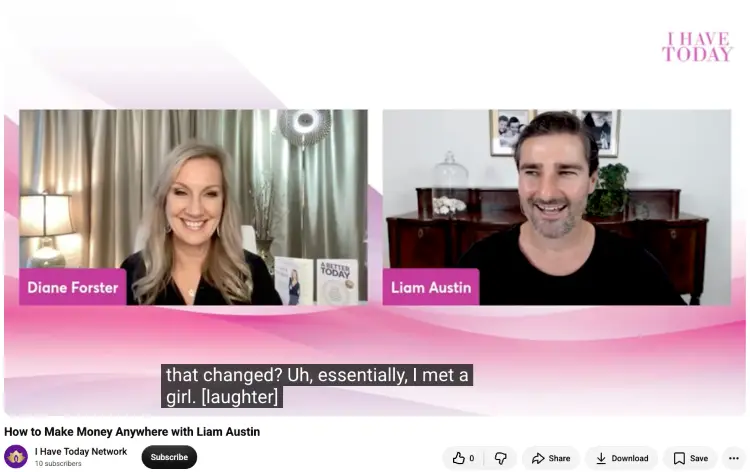
Communication skills are the abilities you use to share ideas, explain information, understand others, and build relationships through speaking, listening, writing, and body language.
As an effective communicator, your transparent communication skills are fundamental in helping you explain your coaching method to a potential client, answer a podcast host’s questions clearly, or pitch your book to a publisher and avoid misinterpretations.
What are different types of communication skills?
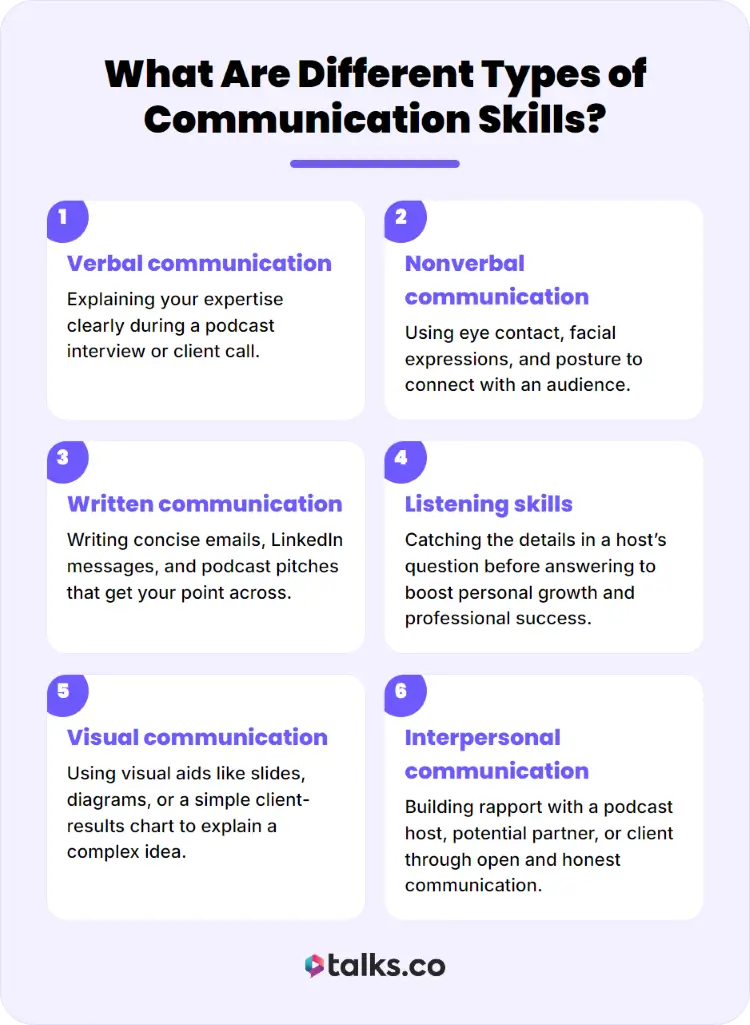
From a Zoom discovery call to a live interview on a business podcast, different professional settings call for different communication skills to communicate effectively and convey messages to a personal and professional audience.
- Verbal communication: Explaining your expertise clearly during a podcast interview or client call.
- Nonverbal communication: Using eye contact, facial expressions, and posture to connect with an audience.
- Written communication: Writing concise emails, LinkedIn messages, and podcast pitches that get your point across.
- Listening skills: Catching the details in a host’s question before answering to boost personal growth and professional success.
- Visual communication: Using visual aids like slides, diagrams, or a simple client-results chart to explain a complex idea.
- Interpersonal communication: Building rapport with a podcast host, potential partner, or client through open and honest communication.
Why Are Communication Skills Important?
Strong business communication skills help you earn trust, explain your expertise, and create opportunities. Per Compunnel, 92% of hiring professionals say the significance of communication skills and soft skills matter as much as or more than hard skills.
For coaches, authors, speakers, and consultants, that weight shapes who hires you, recommends you, or invites you onto a podcast.
Why is it important to have communication skills?
Communication skills decide whether people trust you, remember you, and refer you. Apollo Technical found 55% of global recruiters rank verbal communication as the top communication skill.
- Build trust: Clear answers show prospects you understand their problem.
- Strengthen personal relationships: Thoughtful questions improve communication by making hosts and clients feel heard.
- Increase visibility: A crisp client story gives audiences a line to repeat and share.
- Create opportunities: One sharp answer at a networking event can become a referral, interview, or paid engagement.
Best Way to Explain the Importance of Communication Skills
Want to get more out of your next conversation? Connect each communication skill to a result you can see, from earning a podcast host’s trust to turning a first call into a client referral.
- Verbal communication: Explain your expertise through a specific client story, such as how Maria went from struggling to book discovery calls to filling six slots in a week.
- Nonverbal communication: Look into your webcam during a Riverside interview so your eye contact feels natural on playback.
- Listening: Pick up on a podcast host’s opening question and return to that theme when you wrap up.
- Written communication: Pitch a host with three clear details about who you help, the story you can share, and why their audience would care.
Importance of communication skills in daily life
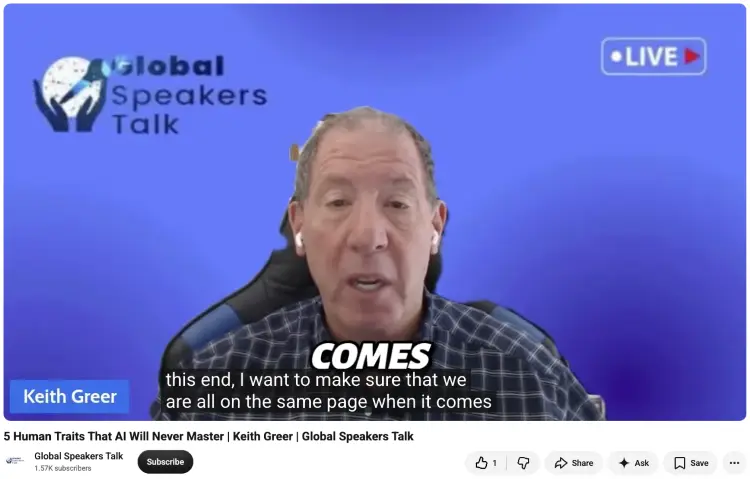
Small conversations can change how people remember you. In his video on asking better questions, Keith Greer offers a useful starting point for making everyday conversations more meaningful.
Try these five habits in your next conversation:
- Build trust: Ask a friend, “What helps you feel you can trust someone?”
- Notice strengths: Tell a colleague which specific action you appreciated today.
- Ask better questions: At breakfast, ask your partner what’s been taking up most of their attention this week.
- Invite feedback: Ask, “How could we handle disagreements better next time?”
- Stay present: Put your phone away during dinner and give the person across from you your full attention.
Importance of communication skills in personal life
Ever had a work call run so late that you missed dinner or arrived at your child’s school recital halfway through? Clear communication styles help you set expectations at home and protect time for the people who matter.
Craig Ballantyne’s Perfect Day Formula offers a useful starting point for planning your day in advance. Start with these simple changes:
- Set expectations: Tell your partner which hours you’ll be working and when you’ll be available.
- Agree on boundaries: Let callers know you have 30 minutes before the conversation begins.
- Share your priorities: Discuss tomorrow’s main commitment over dinner so everyone knows what to expect.
- Communicate changes early: Send a quick message if a client call means you’ll miss the usual school pickup.
Importance of communication skills in professional life
Can someone explain your value to a potential client after a five-minute conversation with you?
Clear professional communication makes your expertise easier to understand, remember, and recommend. In Leaders LIVING Their Values, Liam Austin discusses the kind of leadership and values that shape professional relationships.
Use these habits in your next networking conversation, client meeting, or podcast interview to become a better public speaker:
- Introduce yourself clearly: Explain whom you help, what problem you solve, and the result you work toward.
- Start relevant conversations: Ask your LinkedIn network what challenge they’re working through, then respond to the answers.
- Support your claims: Share a specific client outcome or relevant example when a podcast host asks about your experience.
- Invite follow-up questions: End an interview answer with a useful insight the host can explore further.
- Make the next step clear: Offer one relevant resource, such as a free workshop checklist, instead of listing every service you provide.
Importance of communication skills in the workplace
Have you experienced trying to finish a report while three colleagues discuss a project beside your desk? Workplace communication helps teams manage interruptions, coordinate responsibilities, and protect time for focused work.
In this Focus at Will interview, Will Henshall discusses focus and the role of music in the working environment. Put these practices to work with your team:
- Signal your availability: Set your team status to “Heads down until 11 am” so colleagues know when to expect a reply.
- Agree on team cues: Establish what headphones or a calendar block mean before assuming someone is unavailable.
- Give specific feedback: Explain which part of a presentation needs revision and what the audience needs to understand.
- Flag problems early: Tell your manager when competing deadlines could delay the Friday client report.
- Close the loop: Post a short update in Slack when a task is complete, including any outstanding decisions.
Importance of communication skills in business
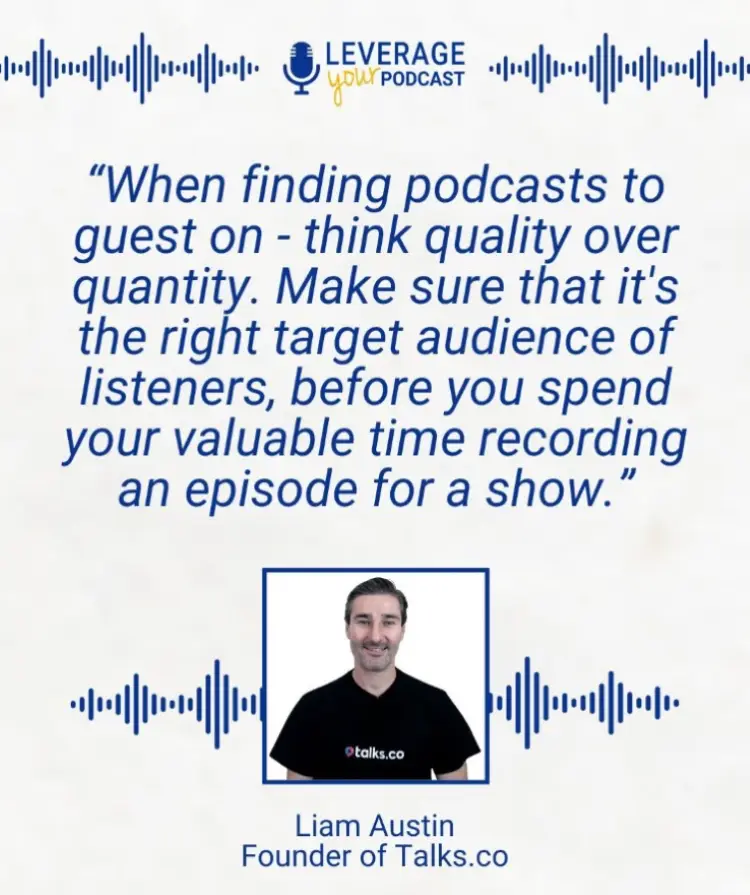
Every sales conversation gives a potential client a chance to understand your offer, assess your expertise, and decide what to do next.
Liam Austin’s workshop method provides a relevant example of using a focused session to deliver value and introduce a next step.
Use these communication practices to make each interaction more useful:
- Teach one useful outcome: Build a 90-minute workshop around a specific result, such as helping coaches prepare a compelling podcast pitch.
- Set clear expectations: Tell attendees what they’ll learn, who the session suits, and what they’ll leave with.
- Invite a next step: Offer attendees a call to discuss applying the workshop material to their business.
- Promote your expertise: Prepare a speaker one-sheet that outlines your topics, experience, and audience takeaways, using these speaker one sheet examples for reference.
- Review the results: After each event, record registrations, attendance, questions, follow-up calls, and sales to identify what to improve.
If you want to share your ideas on a bigger stage, strong communication is a useful starting point. Read how to get on TED Talks for practical guidance on pursuing a TEDx or TED speaking opportunity.
Importance of Good Communication Skills
Good communication skills help people understand your expertise, remember what you offer, and recommend you to others. Put them to work in these five areas.
- Visibility: Post a 60-second video every Friday answering a common client question, and use this guide on how to become a content creator to build your online presence.
- Credibility: Share a client result with permission and include the timeframe to give the outcome context.
- Networking: Send a thank-you message after a call that references one specific detail from your conversation.
- Media opportunities: List three podcast episode ideas on your Talks profile so hosts can see which topics you could discuss.
- Business growth: Repurpose a strong podcast answer into a LinkedIn post and a newsletter paragraph.
Importance of verbal communication skills
Clear verbal communication helps listeners follow your ideas and understand the value of your expertise. Review these podcast interview tips before you record in your next podcast interview, sales call, or presentation, and.
- Use plain language: Replace “conversion optimization” with “turning more website visitors into buyers.”
- Signpost your points: Say, “There are three things I’d recommend,” before explaining your advice.
- Practice your timing: Record your introduction, time it, and cut anything that doesn’t help listeners understand who you help.
- Build rapport naturally: Use the host’s name when it fits the conversation, rather than forcing it into every answer.
- Vary your delivery: Pause after important points and finish sentences naturally instead of keeping the same pace and pitch throughout.
The importance of speaking skills for nonverbal communication
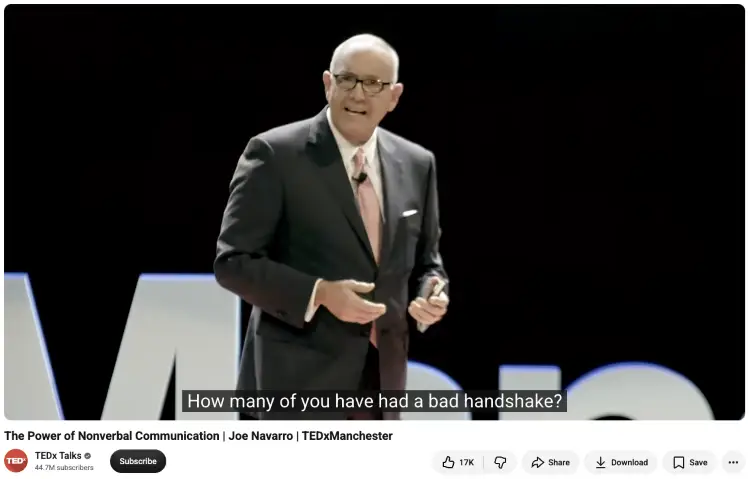
Your voice and body language shape how people interpret your message. For more practical advice, read how to be a confident speaker in public, then apply these tips during your next video interview or live presentation.
- Position your camera: Raise your laptop so the camera sits near eye level, making it easier to look toward your audience naturally.
- Light your face: Place a lamp or ring light in front of you, so viewers can read your expressions.
- Keep gestures visible: Use relaxed hand movements within the camera frame to emphasize key points.
- Match your expression to your message: Let your facial expressions reflect the subject, from enthusiasm about a client win to concern when discussing a difficult problem.
- Pause after key points: Give listeners a moment to absorb an important idea before moving on.
- Use an open posture: Sit or stand upright, relax your shoulders, and avoid folding your arms tightly across your chest.
Importance of communication skills for written communication
Your emails, podcast pitches, and LinkedIn messages often introduce people to your work before they meet you. Make each message easy to understand and respond to with these five checks.
- Write a specific subject line: Try “Podcast idea: burnout strategies for emcees” instead of “Collaboration opportunity.”
- Edit for clarity: Read your message aloud and revise sentences that sound awkward or take too long to get to the point.
- Make one clear request: End with a specific question, such as, “Would you be available for a 15-minute call next week?”
- Check readability: Use a tool such as Hemingway Editor to spot potentially wordy sentences, then revise the ones that need work.
- Follow up with context: If you haven’t received a reply after five business days, send a brief follow-up that adds a useful detail or clarifies your original request.
How to Improve Your Communication Skills (Checklist)
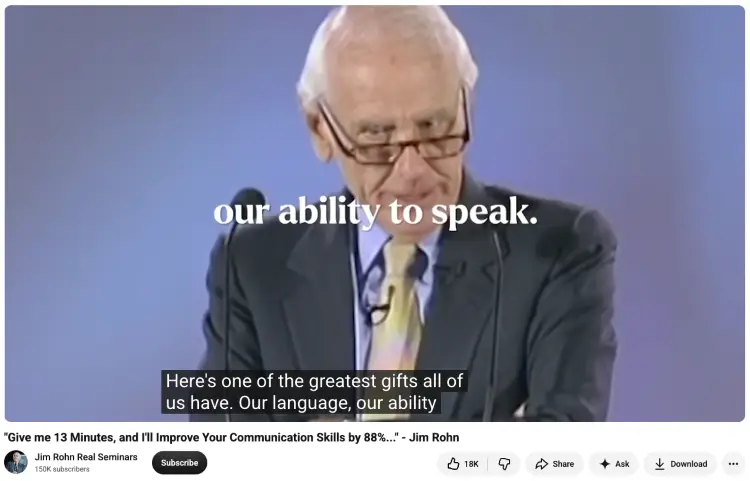
Use this checklist to strengthen your communication in podcast interviews, client calls, presentations, and everyday conversations. Work through it one skill at a time to develop your public speaking skills.
☐ Clarify your main point: Summarize your message in one sentence before speaking or writing.
☐ Adapt to your audience: Choose examples and explanations that suit the people you’re speaking with.
☐ Ask for the goal: Ask, “What would make this a win for you?” before sharing your ideas.
☐ Let silence sit: Wait one full second after someone finishes, since people often add the detail they hadn’t planned to share.
☐ Listen before answering: Let the other person finish, then respond to what they actually asked.
☐ Switch the topic: When a conversation loops on a problem, ask about something they love, then circle back.
☐ Mine your past: List challenges you’ve overcome and the strength each one built, then mention one in your next intro.
☐ Plan your title: Combine a hook, a topic, and a curiosity add-on, like “What Most Coaches Get Wrong About Pricing.”
☐ Find video shows: Pitch hosts who also publish on YouTube, so your interview reaches viewers as well as listeners.
☐ Clean your audio: Record in a quiet room and choose the best podcast microphone for your setup, since distracting noise can send listeners away.
☐ Keep your setup ready: Leave your mic and camera connected, so saying yes to a guest request takes no setup time.
☐ Debrief in 3-2-1: After each call, note three things that worked, two that didn’t, and one fix.
Importance of Communication Skills Quotes
Use any of these quotes about communication skills to give you a line to rehearse before your next podcast interview, client call, or networking chat.
- Liam Austin: “Invest time getting the reps in. Practice, practice, practice.”
Lesson: I kicked a soccer ball every night to get better, and speaking works the same way, so run your most likely host question out loud with a friend who gives notes. - Andre Walton: “If they’re going to move on, they’ve got to stop doing things the same way.” (Success Matters)
Lesson: Rewrite the first line of your pitch after ten sends with no reply. - Liam Austin: “If you don’t shoot, you don’t score.”
Lesson: My dad told me that as a striker. Pitches work the same way, so send one to a host before you close this tab. - Liam Austin: “Authentic you attracts people who jive with you and enjoy working with you.” (The Brand ID)
Lesson: Open with the real story behind your last client win, and the right hosts lean in. - Liam Austin: “If you have a stage, it leads to you being invited onto more stages.”
Lesson: Ask every host for two intros to similar shows before you hang up. - Keith Greer: “Authentic curiosity says, ‘Help me understand.’” (Global Speakers Talk)
Lesson: Open your next answer with a question for the host. - Diane Forester: “Getting comfortable with being uncomfortable is one of the greatest skills you will ever learn in your life.” (I Have Today)
Lesson: Say yes to one live Q&A this month.
Video speech on importance of communication skills
Keith Greer’s speech shows communication skills grow more valuable as AI advances, since only people can earn trust. Try one move from each of his five parts.
- Trust: Ask your host, “What would help you trust this conversation?” before recording. (3:34)
- Connection: Name one strength you noticed in the host’s last episode. (5:57)
- Curiosity: Ask the host a question you can’t answer, like which episode surprised them most. (7:17)
- Courage: Ask for feedback after recording, like “What should I cut next time?” (8:37)
- Meaning: Close with one sentence on why your story matters to this audience. (10:16)
Walk Your Talk
The importance of communication skills goes beyond everyday conversations. Each interview, call, and message gives someone a reason to say yes to you again.
So put those skills to work where new clients are already listening.
Your next podcast interview could put you in front of people who need what you offer. Talks matches you with relevant podcast hosts and guests, helping you connect without spending hours searching and pitching.
Create your free Talks profile, set up your topics, and start finding your next opportunity in as short as 5 minutes.


