

You can know your subject inside and out and still struggle to explain it when all eyes are on you.
Finding the right words, organizing your thoughts and anecdotes, and keeping an audience interested throughout your entire speech or presentation takes practice, but the public speaking basics and fundamentals to improving your public speaking skills are easier to learn than you might expect.
The best way to feel confident, get rid of your fear of public speaking, and to make your communication skills better when it comes to giving a presentation is to understand what makes a speech work, then put those public speaking principles into practice every time you get asked to speak in front.
I’ve seen this firsthand after hosting more than 15 virtual summits and featuring over 400 experts at my events. Some speakers were seasoned presenters who consumed speaking courses to no end, while others were stepping up to the mic for the first time fighting off their speaking anxiety.
If you’re struggling to grab your audience’s attention at public speaking events, this guide to effective public speaking walks you through the basics of structuring your first speech to choosing a topic and managing nerves to feel more at ease, and improving your delivery to keep you on track and become a better public speaker.
What Is Public Speaking?
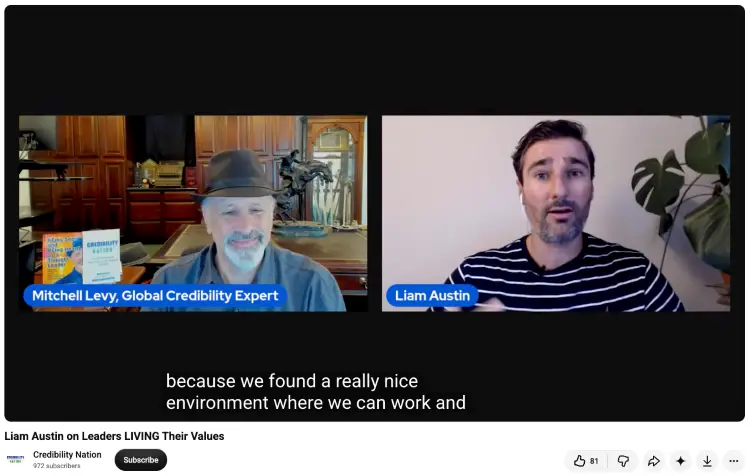
Public speaking is delivering a message to an audience, in person or online, to inform, teach, persuade, or entertain. A Zoom call with twelve people counts, and so does a podcast interview or a five-minute toast.
For coaches, consultants, and authors, one good talk can put your expertise in front of people who’ve never heard your name.
Public speaking basics: 5 Formats you’ll use

Learn the public speaking basics by picking the format that matches your goal, since each one rewards a different kind of prep.
- Presentations: Walk a team or class through your ideas, like a Monday sales review on Zoom, where simple slides carry the weight.
- Keynote speeches: Open or close a conference with one big idea in a 20-minute main-stage slot, where story and stage presence matter most.
- Workshops: Teach a skill hands-on, like a 90-minute Canva session for new freelancers, where exercises do more work than slides.
- Virtual summits: Share one focused lesson as one expert among many, so viewers want to click into your next session.
- Podcast interviews: Talk with a host while their listeners are in headphones, where short stories and conversational answers work best.
Public speaking for beginners
Public speaking for beginners starts small: one idea, one short talk, one friendly room. Your first audience can be five people on Zoom. Try these first steps:
- Write a short introduction: Say what you do and the problem you solve in two sentences, like “I help first-time authors outline their book in 30 days.” Put the same line at the top of your public speaker website.
- Teach one useful idea: Turn a question you answer every week into a five-minute talk, like “How do I price my first coaching package?”
- Choose your first format: Pick one from the list above. If you’re working out how to become a public speaker, start with whichever format feels easiest to say yes to.
I often tell people to start with podcasts and virtual events, since you meet other experts while you practice. Invite one to your show or event, and a single conversation can open the door to future collaborations.
Looking for places to speak? Browse public speaking platforms like Talks to match with top podcast hosts fast.
6 Keys to Public Speaking
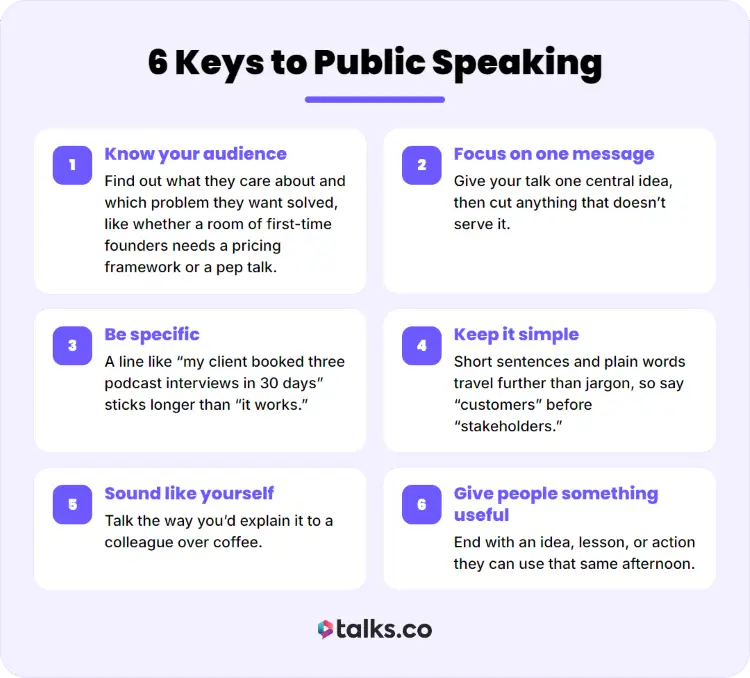
The keys to public speaking are knowing who you’re talking to, sticking to one message, and giving people something they can use right away. Keep these six in mind:
- Know your audience: Find out what they care about and which problem they want solved, like whether a room of first-time founders needs a pricing framework or a pep talk.
- Focus on one message: Give your talk one central idea, then cut anything that doesn’t serve it.
- Be specific: A line like “my client booked three podcast interviews in 30 days” sticks longer than “it works.”
- Keep it simple: Short sentences and plain words travel further than jargon, so say “customers” before “stakeholders.”
- Sound like yourself: Talk the way you’d explain it to a colleague over coffee.
- Give people something useful: End with an idea, lesson, or action they can use that same afternoon.
20 Public Speaking Topics for Beginners
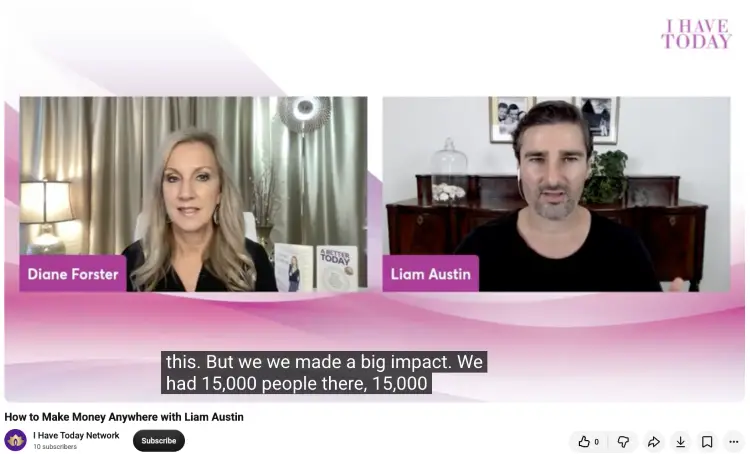
The best first speech topic is one you’ve lived: a story you can tell, a mistake you made, or a question your clients keep asking.
Test each idea with three questions:
- Can I tell one real story about it?
- Have clients or followers asked me about it?
- Can I sum it up in one sentence?
Here are 20 topics to start from. Swap the brackets for your own field.
- Why I started [your business]: Tell the moment that pushed you to begin.
- A mistake that cost me [time, money, or a client]: Say what you’d do differently now.
- A myth about [your industry]: Correct it with what you’ve seen firsthand.
- A day in my work: Walk listeners through what you actually do, hour by hour.
- Questions clients ask most: Answer three of them in a minute each.
- My framework for [a common problem]: Teach one repeatable process.
- Where to start with [your expertise]: Give beginners the first step.
- A client result I’m proud of: Break down what produced it.
- A tool I can’t work without: Demo how it saves you time, whether that’s Notion, Calendly, or Canva.
- One trend to watch in [your industry]: Spell out what it means for your listeners.
- An unpopular opinion: Defend a view most people in your field disagree with.
- A habit that changed my week: Explain how listeners can copy it.
- Feedback that stung: Describe what you did with it.
- A decision I almost got wrong: Retrace how you made it.
- [Option A] vs [Option B]: Help listeners choose between two common approaches, like Zoom vs. in-person workshops.
- A book, course, or mentor that shaped me: Share what you took from it.
- How I find collaborators: Outline how you build relationships in your field.
- Behind the scenes of a launch: Reveal what happens before the public sees it.
- How I protect my time: Offer one boundary that works for you.
- What I’m building next: Preview where your work is heading.
How to Improve Public Speaking
Improve your public speaking by working on one skill at a time, getting feedback after every talk, and giving yourself a slightly bigger audience each round.
Playing the long game? Read how to develop public speaking skills.
Public speaking tutorial
This public speaking tutorial takes you from a blank page to a recorded speech in one sitting:
- Choose one topic: Pick one from the list above, like “Questions clients ask most.”
- Write your takeaway: Finish this sentence: “After this talk, listeners will know how to ___.”
- Outline in three parts: Sketch an opening, a body, and a close using the structure below.
- Rehearse out loud: Stand up, set a timer, and keep going until you can say it without reading.
- Record it and watch twice: Watch once with the sound off to check your body language, then once with your eyes closed to check your voice. Share your best take online and you’re also learning how to become a content creator.
- Change one thing: Fix the weakest moment, then run it again.
How to structure a speech
Structure a speech in three parts, an opening, a body, and a close, because each one has a single job:
- Opening: Hook listeners in the first 30 seconds with a question, a surprising line, or a short story, then tell them what they’ll get.
- Body: Make three supporting points and give each one an example, since three is enough for people to follow and remember.
- Close: Repeat your takeaway and give listeners one thing to do next.
Here’s how that looks for a short talk on running your first discovery call:
- Opening: “You rehearsed your pitch for a week, and then the client asked a question you never prepared for.”
- Body: Prepare three questions, listen for the problem behind the answers, and summarize what you heard before you suggest anything.
- Close: “Book one practice call with a friend this week.”
Before and after: Improving a speech
Improve a speech by fixing three things first: the opening, the main point, and how you deliver your key line. Take a sample talk called “How to Stop Email From Eating Your Morning” and fix it three ways.
1. Fix the opening: Lead with the listener’s problem instead of your agenda.
- Before: “Hi everyone, thanks for having me. Today I’m going to talk about email and some tips that might be useful.”
- After: “Raise your hand if email has eaten your whole morning this week. By the end of this talk, you’ll have a one-minute fix.”
2. Fix the main point: Replace a vague observation with one clear instruction.
- Before: “Email has lots of benefits and challenges for busy professionals.”
- After: “Check email twice a day, at 11 a.m. and 4 p.m., and close the tab in between.”
3. Fix the delivery: Cut the filler words so the key line stands out.
- Before: “So, um, checking email twice a day, like, kind of gave me my mornings back, you know?”
- After: “Checking email twice a day gave me my mornings back.”
Public Speaking Tips for Beginners
The best public speaking tips for beginners cover your body, your voice, your nerves, and your reps. For extra study material, browse these resources for public speaking.
Body language and vocal delivery
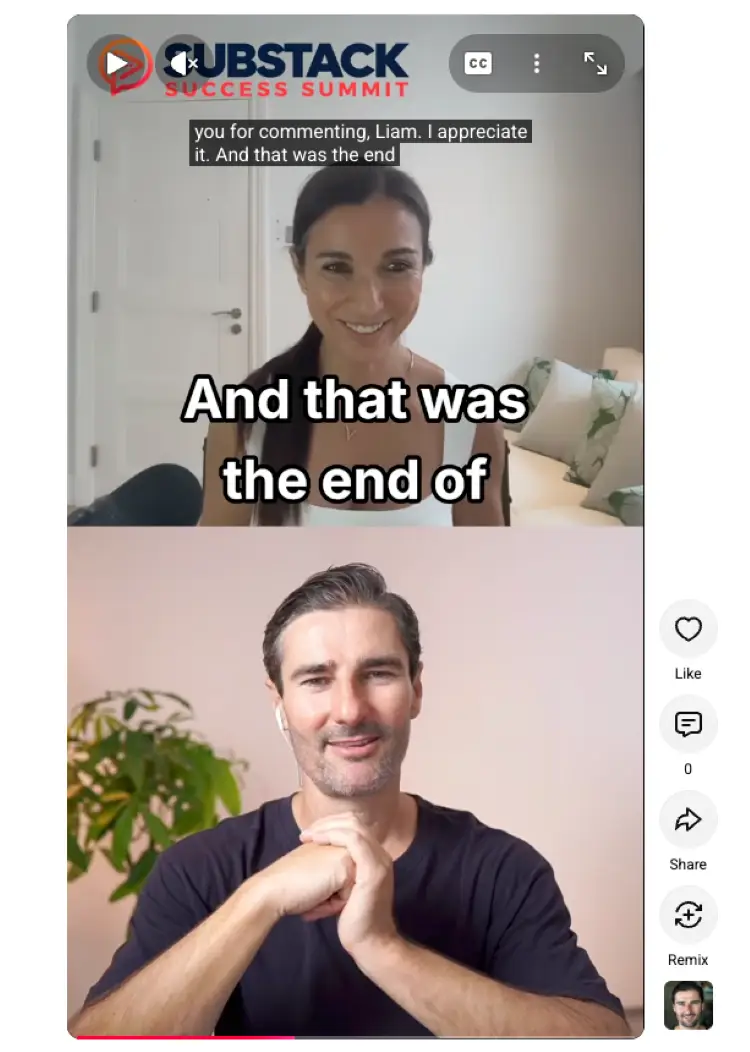
Good body language and vocal delivery come down to where you look, how you stand, and how you pace your words:
- Eye contact: Hold it for one full thought, then move to someone else. On video, look at the camera lens instead of your own face.
- Posture: Plant your feet, keep your weight even, and stand or sit tall.
- Hands: Keep them at waist height, gesture when you make a point, and let them rest between points.
- Movement: Step forward on a key point instead of pacing.
- Pace: Speak a little slower than feels natural.
- Pauses: Stop for a full second before and after your most important line.
- Volume: Aim your voice at the back of the room so sentences don’t trail off.
- Variety: Change your pitch and speed so no sentence sounds like the last one.
Managing nerves
Manage your nerves by taking control of the first minute, since that’s where most speakers feel them most:
- Know your first line cold: Make your opening automatic so you don’t have to think about how to begin.
- Breathe out slowly: Inhale for four counts, exhale for six, and repeat before you start.
- Arrive early: Test the mic, the slides, and your Wi-Fi so nothing surprises you.
- Start with a friendly face: Find someone nodding and speak to them first.
- Treat shaky hands as normal: Plenty of speakers feel them, as the public speaking statistics show, and your audience notices far less than you feel once you get rolling.
Building confidence through practice
Build confidence by practicing in front of gradually bigger groups:
- One listener: Give your talk to a friend and ask for one thing you did well and one thing to improve.
- Small group: Present to three to five people and ask what they remember, not whether they liked it.
- Real room: Say yes to one public speaking opportunity, even a ten-minute slot, then book the next one.
5 Common mistakes to avoid in public speaking
Most public speaking mistakes are easy to fix once you know their names:
- Reading your slides: Put one idea on each slide and talk to people, not the screen.
- Running over time: Cut a supporting point before you rush your close.
- Apologizing up front: Skip “sorry, I’m nervous” and open with your hook.
- Memorizing a full script: Learn your three points and let the words vary, so one lost line can’t derail you.
- Ignoring the room: If faces look confused or the chat goes silent, slow down or ask a question.
Say What You Want to Say
Mastering public speaking basics gives you the skills to share your ideas and make people remember your message.
The next step? Get in front of audiences who need to hear it.
I’ve built Talks to help you find podcast hosts in your niche, get matched with relevant shows, and book interviews without spending hours pitching.
Create your free Talks Creator Profile, set up your topics, and start connecting with hosts. Your next speaking opportunity could be one match away.
Create Your Free Talks Profile


