

I could go on about a product or service. I can tell you about how I use it, what it makes me feel.
But most of you won’t be convinced to try it right off the bat. And for good reason.
For something to be persuasive, you can’t just say empty promises and expect people to just agree. If you want to be trusted, you need to give proof first.
For example, how did I know that Talks works? Simple. I asked my clients, and they told me.
Andrea got four matches all at once. Lonee booked a big show for her client. Mila got better results on the platform than on agencies.
This kind of concrete proof speaks for itself. With logos examples like these, you don’t even have to debate people.
What Is Logos Examples?
As a podcast host, your audience expects you to bring something new to the table. New information, new claims. For educational shows, news, and science programs, this is the norm.
But convincing your listeners to believe what you say? That’s a whole different ball game.
Logos is one of the most powerful tools you can use to build a strong case for your shows.
It moves beyond feelings and focuses on facts.
Logos definition and examples
Logos is an appeal to logic and reason. When you use logos examples, you’re presenting facts, data, and clear evidence to support your claims.
It’s the opposite of just saying “trust me, it works.”
For example, a doctor cites scientific studies to prove a treatment works. They aren’t asking you to feel good about the medicine. They’re showing you the proof.
Logos examples as rhetorical devices
A rhetorical device is a technique that a speaker or writer uses to persuade an audience. Logos is a type of rhetorical device focused on persuasion based on the intellectual side of the brain.
When you use logos examples as rhetorical devices, you:
- Strip away the fillers and focus entirely on the argumentation and the validity of your statements.
- Build credibility because it shows you’ve done your homework.
- Suggest that your conclusion is the only logical outcome based on the evidence provided.
Logos examples rhetoric definition
The word “logos” comes from the Greek word for “word” or “reason.” It’s one corner of the rhetorical triangle, or Aristotle’s triangle.
- The other two corners are ethos (credibility) and pathos (emotion).
- Aristotle believed that the most effective persuasion used a balance of all three.
Without logos, the other two fall apart. You can be charming (ethos) and emotional (pathos), but if your facts are wrong, you lose.
Rhetorical appeal of logos examples
When you use logos, it’s hard for your argument to fail. Here’s why it helps podcasters and coaches:
- Irrefutable proof: Numbers and facts are hard to argue with.
- Authority: Citing sources shows you know your industry inside and out.
- Clarity: Logical structures make complex ideas easier to understand.
- Trust: People trust logic and reason more than they trust vague promises.
- Persuasion: It’s the most direct way to persuade someone to change their mind.
Logos definition literature examples

You see logos all over classic books. Here’s how authors use it:
- Sherlock Holmes uses deductive reasoning to solve crimes based on physical evidence.
- Atticus Finch in To Kill a Mockingbird uses factual evidence to dismantle the prosecution’s case.
- Hermione Granger in Harry Potter uses logic to solve magical problems that baffle others.
Types of Logos Examples
There isn’t just one way to use logic. You can break down logos into three main categories. Each serves a specific purpose in building a strong argument.
- Inductive reasoning: This involves taking specific observations and creating a generalized conclusion.
- Deductive reasoning: This starts with a general rule and applies it to a specific case.
- Facts and figures: This relies on raw data, statistics, and citations.
Types of logos with examples
Understanding the different types of logos gives you more tools for your persuasion toolkit. Here are specific examples:
- Inductive reasoning: “Every podcast I guested on resulted in 50 new leads. That’s why podcast guesting is a good lead generation strategy.”
- Deductive reasoning: “All successful consultants have a specific niche. I want to be a successful consultant, so I need to define my niche.”
- Facts and figures: “According to recent studies, 73% of consumers trust brands that produce educational content.”
22 Good Logos Examples
Using logos goes beyond the academics. From books and essays to podcasts and stages, applying logos in your professional practice builds your authority.
With the power to persuade, you’ll keep listeners tuned in and inspire them to support you.
Ready to see how this logos works in the real world? Here are 22 logos examples you can swipe.
1. Best logos examples
Use a case study with hard numbers, like “We helped Client X increase revenue by 20% in three months by implementing Strategy Y.”
- Why this works: You’re not just promising. You provide factual evidence of a result.
- How to use it: List the exact percentage growth you achieved for past clients instead of just saying you’re a “growth expert” on your public speaker website.
2. Logos examples sentences
Say short, punchy logos statements that rely on common sense, like “You can’t save money if you spend more than you earn.”
- Why this works: It establishes you as a voice of reason immediately.
- How to use it: Use these as soundbites during interviews. They make you sound authoritative and are highly shareable on social media.
3. Podcast logos examples
For podcast advertising, use your download numbers to pitch. Say, “Our show reaches 10,000 unique listeners per episode, which puts us in the top 5% of most popular podcasts in our niche.”
- Why this works: Advertisers make decisions based on reach and CPM (cost per mille), not feelings.
- How to use it: Create a media kit that highlights your listener demographics and retention rates.
4. Coaching logos examples
Coaches use facts to influence clients. A health coach can say, “Your BMI is 30, which medically classifies as obese, increasing your risk for heart disease.”
- Why this works: It provides a logical reason for lifestyle changes.
- How to use it: Use diagnostic tools or assessments in your discovery calls. Show the client where they are statistically vs. where they want to be.
5. Professional logos examples
During a keynote, display a chart showing industry trends and say something like “As you can see on this graph, market demand has shifted 30% toward mobile usage in the last year.”
- Why this works: Visual data is treated as apparent proof by the audience.
- How to use it: Never make a claim about industry trends without a slide backing it up with data.
6. Simple logos examples
Use common sense reasoning to disarm objections, like “You wouldn’t drive a car without insurance, so why run a business without a contract?”
- Why this works: Analogies can validate concepts.
- How to use it: Compare your offer to a standard “maintenance” activity people already do.
7. Logos examples for students
If you’re creating content for students or are invited for a public speaking opportunity in schools, use this simple example: “Statistically, students who study before a test score higher.”
- Why this works: It connects effort to outcome using deductive reasoning.
- How to use it: If you speak to younger audiences, link your advice to their direct goals.
8. Logos examples in writing
When writing a podcast script, structure your intro with a problem and a stat. For example, “Did you know 80% of New Year’s resolutions fail by February? Today, we discuss why.”
- Why this works: It hooks the reader with a statistical fact that points to the problem.
- How to use it: Open every blog post or episode with a shocking statistic relevant to your niche.
9. Logos examples literature
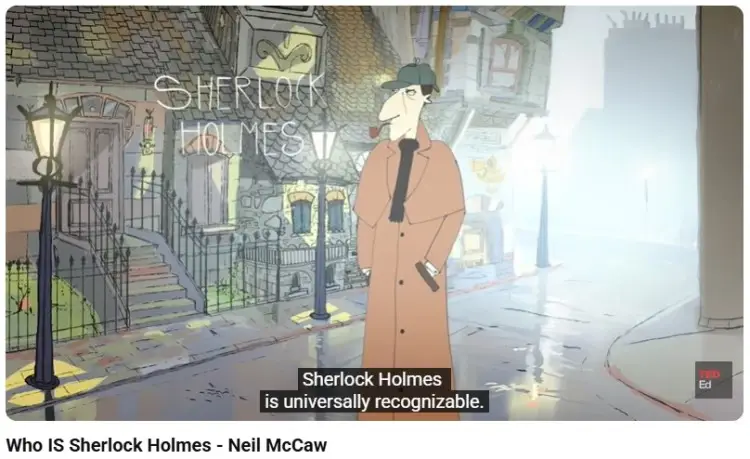
In Sherlock Holmes, the detective notices a detail and draws a conclusion, like “The dog did not bark, therefore the intruder was someone the dog knew.”
- Why this works: It’s a perfect example of logic and reason solving a mystery.
- How to use it: Position yourself as the “detective” of your industry who sees patterns others miss.
10. Logos examples in literature sentences

In To Kill a Mockingbird, Atticus Finch appeals to the jury, saying, “The state has not produced one iota of medical evidence… the defendant is not guilty.”
- Why this works: He strips away biases and emotion to focus purely on the lack of factual evidence.
- How to use it: When addressing controversial topics in your niche, stick strictly to the facts to build credibility.
11. Logos examples in persuasive writing
Remind audiences of previous success. For example, “History shows that every time we lower taxes, small business growth accelerates.”
- Why this works: It uses historical precedent as evidence to support a future claim.
- How to use it: Use your own history. “Every client who followed this step saw results within 30 days.”
12. Logos examples for persuasion
Use “social proof” as data, like “5,000 people have already downloaded this template.”
- Why this works: If many people did it, it must have value.
- How to use it: Always display subscriber counts or customer numbers near your sign-up forms.
13. Logos examples in speeches
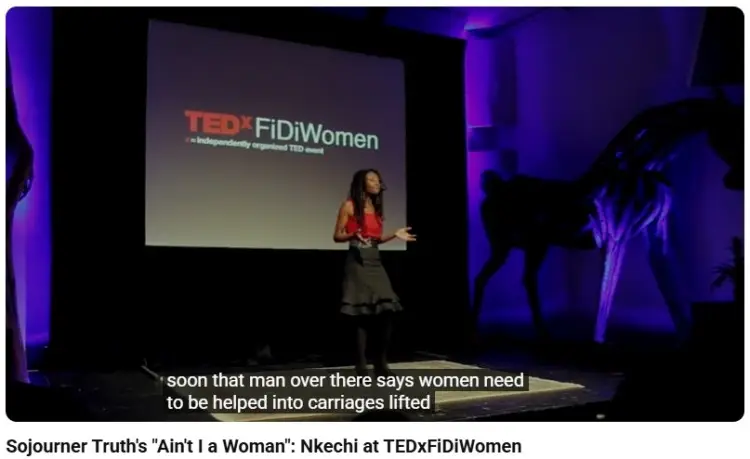
Sojourner Truth’s famous speech, “Ain’t I a Woman,” used logic to advocate against discrimination. She listed physical tasks she performed that were equal to those of men, proving gender didn’t limit strength.
- Why this works: She used inductive reasoning, using her specific life as proof of a general truth.
- How to use it: Use your own personal struggles as data points to prove your method works.
14. Logos examples in advertising
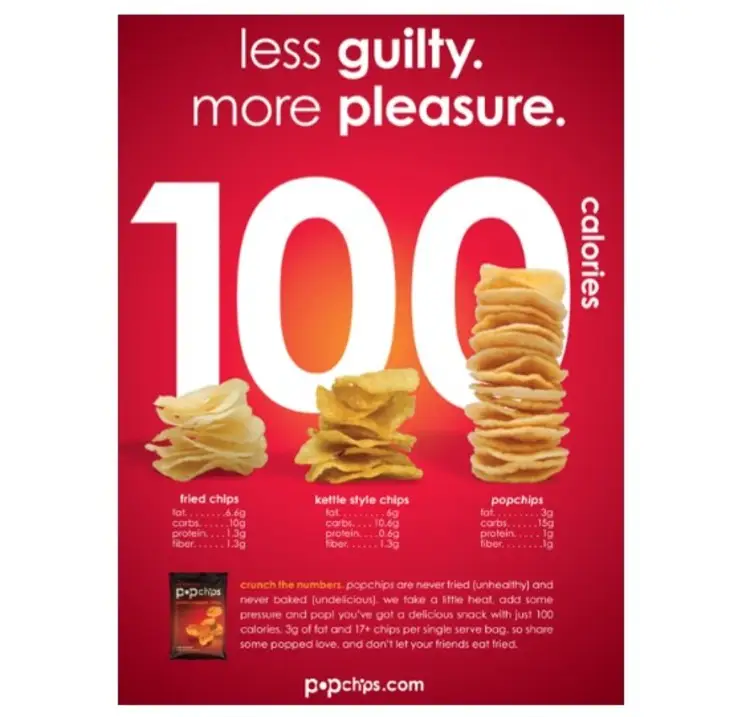
Popchips print ads compare their nutritional facts directly to competitors like Lay’s, showing lower calories (around 120 per serving vs. higher in fried chips) and less fat.
- Why this works: It effectively compares products using specific metrics.
- How to use it: Compare your specific offerings to the “industry standard.” For coaches, say, “Most coaches offer one call a month. I offer weekly support.”
15. Advertising logos examples
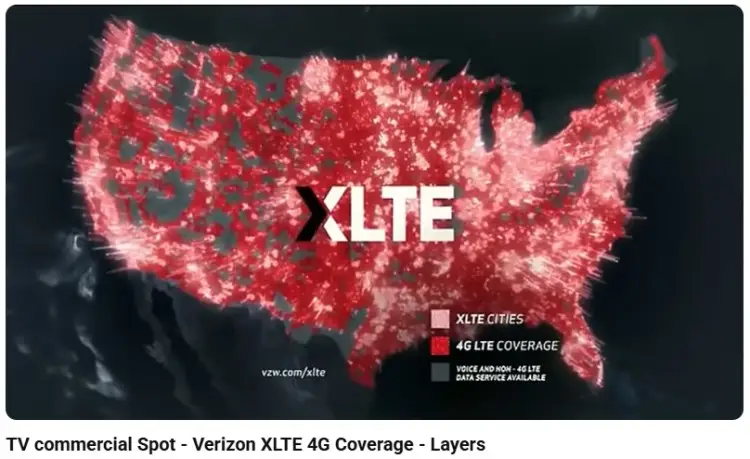
Verizon’s TV spot shows viewers its huge presence and uses numbers to explain its offers.
- Why this works: It uses a statistical majority to imply safety and efficacy.
- How to use it: Run a survey of your past clients. “95% of my attendees rated this workshop as ‘Life Changing’.”
16. Marketing logos examples

Spotify Wrapped proves the viral impact of stats. Getting personalized user stats like top songs, artists, genres, and total listening minutes excites listeners around the world.
- Why this works: You get shareable data, while the platform validates its impact.
- How to use it: Do your own version of Wrapped, and post your numbers on your profile to solidify your authority.
17. Creative logos examples
Use a metaphor that follows a logical track, like “Your business is a garden. If you don’t water it (marketing), it dies. It is simple biology.”
- Why this works: It grounds a business concept in a natural phenomenon everyone understands.
- How to use it: Use analogies to explain complex topics on podcasts, so the audience grasps your expertise quickly.
18. Dynamic logos examples
Use facts to show change over time. For example, “Before the internet, research took days. Now, it takes seconds.”
- Why this works: It contrasts two factual realities to prove progress and highlight the efficiency of the new method.
- How to use it: Show the “Before and After” of your clients. “Before working with me, they had zero leads. Now, they have a waiting list.”
19. Translation logos examples
Prove your value to listeners by saying, “I analyzed 10,000 data points so you don’t have to.”
- Why this works: You’re doing the logic, and reason works for the audience.
- How to use it: Curate industry news and summarize the data for your newsletter subscribers.
20. Logos examples in real life
Logic in real life can be something as simple as creating a household budget.
“Income is $5,000. Expenses are $4,000. We have $1,000 left to save.”
- Why this works: Numbers don’t lie. It provides logical solutions to financial stress.
- How to use it: Teach your clients how to audit their own time or resources using a simple spreadsheet.
21. Logos in everyday life
To bring or not to bring an umbrella? Checking the weather forecast before going out is logos in action.
For example, “There’s an 80% chance of rain, so I’ll bring an umbrella.”
- Why this works: Use probability to minimize risk.
- How to use it: Frame your solution as “risk mitigation” for your client’s career.
22. Logos examples pictures
Infographics are a goldmine of facts and stats. For example, this infographic of podcast statistics shows listener behavior at a glance.
- Why this works: The brain processes visual proof faster than text.
- How to use it: Create simple infographics for your Instagram that break down your niche’s stats.
What Are Ethos, Pathos, and Logos Examples?
You can’t rely on logic alone. If you really want your audience and future clients to keep supporting you, you need the trio of rhetorical devices to back you up.
Take a minute to understand the three modes of persuasion and dive into specific examples. This is your key to being memorable.
What are ethos, pathos, and logos examples of?
Ethos, pathos, and logos represent the different ways you can win over an audience. They demonstrate how humans process information.
- We trust people (ethos)
- We feel things (pathos)
- We think about things (logos).
Ethos vs pathos vs logos examples
You need to use logos, ethos, and pathos together for maximum effect.
- Ethos is an appeal to credibility and authority. Podcasters who are also fitness specialists are more credible hosts for health and wellness shows.
- Pathos is an appeal to emotion. If you want people to pay attention to your speech, start with a comedic personal anecdote.
- Logos is an appeal to logic. Give the hard numbers that cement your claim.
Ethos pathos logos examples in advertising
Great advertising campaigns apply a mix of all three in storytelling. For example:
- Nike: Invites famous athletes (ethos), tells inspiring stories (pathos), and boasts shoe technology specs (logos).
- Apple: Emphasizes privacy features (logos), appeals with a sleek design (pathos), and boasts its brand reputation (ethos).
Ethos pathos logos visual examples
Ethos, pathos, and logos also work great for posters and pictures. Take Coke’s “Open Happiness” campaign.
- Ethos: It first launched on prime TV spots: American Idol, Super Bowl on NBC, and the Academy Awards on ABC.
- Pathos: The heart of the campaign associates the brand with feel-good feelings.
- Logos: This concept followed a proven successful marketing campaign, “Coke Side of Life”, using the same appeal that had already worked.
Logos vs pathos examples
When comparing logos and pathos examples, think about which one drives the point better for a particular situation or audience.
- Logos: “This car gets 40 miles per gallon.”
- Pathos: “This car will make you feel young again.”
In a persuasive speech, logos works best for business audiences, so giving an actual number works. But if you want to motivate, pathos is the way to go.
Pathos and logos examples
Here’s what logos and pathos look like when combined:
- “Join the movement (pathos) that’s already helped a million people (logos).”
- “Feel confident (pathos) knowing you have a 100% money-back guarantee (logos).”
Logos vs ethos examples
When it comes to logos and ethos, it’s the difference between “Trust the data” and “Trust me.”
- Logos: “The data shows this stock is rising.”
- Ethos: “The top investor XYZ is buying this stock.”
If possible, use both. You want the data to look good, and you want an expert to verify it.
How to Use Logos in a Sentence
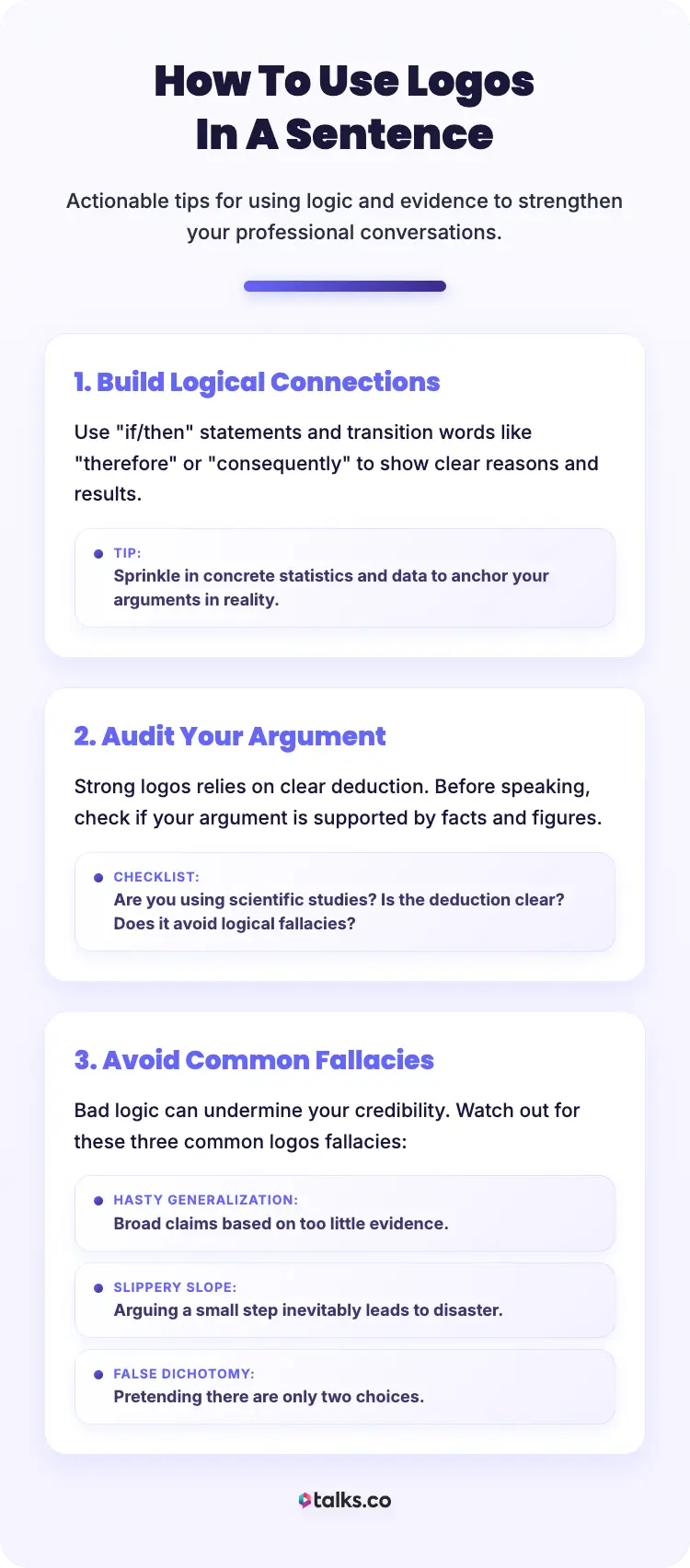
Here are actionable tips for using logos in your professional conversations:
- Use “if/then” statements: Show how consequences happen logically.
- Give concrete examples: Sprinkle in statistics or your own data when possible.
- Use natural transition words: For example, use “because,” “therefore,” and “consequently” in your writing to show reasons and results.
- Have credible sources: Reference scientific studies or industry reports.
What are some good logos examples?
To make sure your argument is strong, check these factors:
- Does it rely on facts and figures?
- Is the deduction clear?
- Are you using scientific studies or credible sources?
- Does it avoid logical fallacies?.
Logos fallacy examples
Bad logic is a logos fallacy. Here are three common ones to avoid:
- Hasty generalization: Making a broad claim based on too little evidence.
- Slippery slope: Arguing that a small step will inevitably lead to a disaster.
- False dichotomy: Pretending there are only two choices when there are more.
The Only Logical Choice
Logos examples are essential for any speaker or host who wants to be taken seriously. It’s the difference between “I think you’ll like my podcast” and “I can prove it’s worth the listen.”
Ready to practice your new rhetorical skills? Get booked on more stages with the only logical choice for podcast matching: Talks.
Whether you’re looking for guesting opportunities or experts to interview, Talks connects you to the right people.
- Better than other platforms: Talks isn’t a directory. You don’t have to filter through catalogs and pitch endlessly. It’s mutual matching, not manual outreach.
- Matches that get you results: Mutual interest is as good as a YES, and once you unlock messaging, you can decide on a schedule right away.
- Metrics that matter: Response rate and recordings done… the platform shows you proof of how it works.
Sign up for a free Talks Profile today and get booked quickly.


