

Want to know the secret weapon top podcasters and speakers use to keep audiences hanging on their every word?
It’s not just about what you say. It’s about how you say it.
By mastering a few simple rhetorical devices examples, you can transform your podcast guesting spots from casual chats into memorable, authority-building moments.
These aren’t just fancy tricks for poets or academics. They’re practical tools that make your message stick.
Whether you’re aiming to get booked on podcasts or nailing a keynote speech, sprinkling in these devices will help you sound more polished, persuasive, and professional without sounding like you’re trying too hard.
What Are Rhetorical Devices Examples?
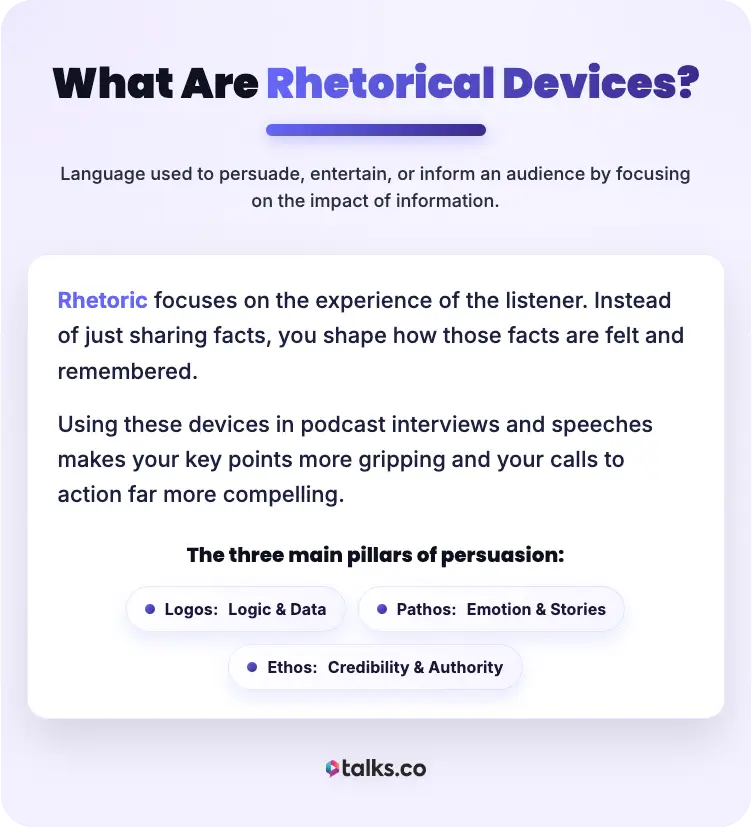
A rhetorical device is a literary device using language to persuade, entertain, or inform an audience. Unlike regular speech, which focuses on getting information across, rhetoric focuses on the impact of that information.
There are generally three main types of rhetorical devices:
- Logos: Appeals to logic and reason using data or facts.
- Pathos: Appeals to emotion using stories or vivid language.
- Ethos: Appeals to credibility referencing experience or authority.
You can make an impact when you use rhetorical devices in podcast interviews and speeches. You won’t just be sharing facts. You’d shape your listener’s experience.
You make your key points easier to remember, your stories more gripping, and your calls to action more compelling.
Rhetorical devices vs figures of speech
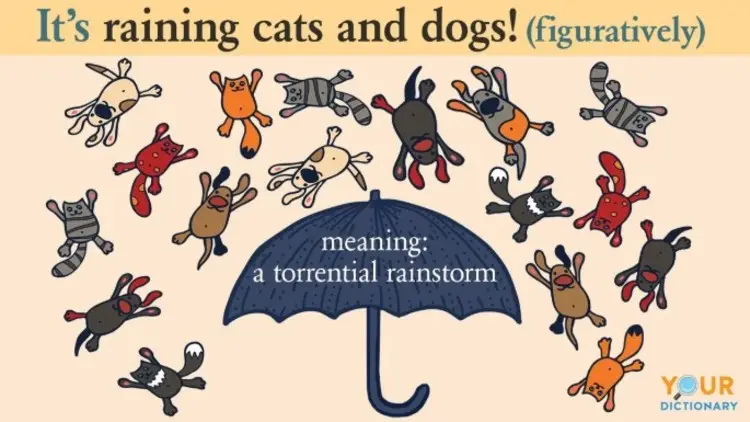
It’s easy to get these two confused, but there’s a slight difference.
- Figures of speech are broader and include any non-literal use of language to add color, like saying “it’s raining cats and dogs.”
- Rhetorical devices are more specific. They’re intentional techniques used to persuade or organize thoughts for impact.
What are rhetorical strategies examples?
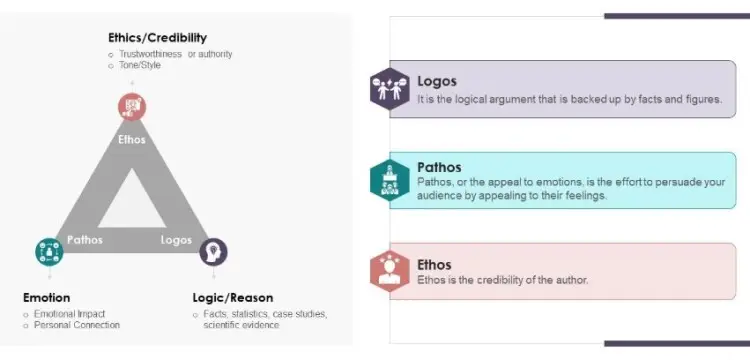
A rhetorical strategy is the broader plan of how you use these devices. It usually involves a balanced use of Ethos, Pathos, and Logos.
- Ethos: You can start a podcast interview by building up your guest’s credibility. Talks about their years of experience and big clients they’ve helped.
- Pathos: Tell personal stories and encourage guests to share theirs as well. This builds an emotional connection with your listeners.
- Logos: Back up your claims with data or a clear, logical framework.
Rhetorical device vs strategy
You use rhetorical devices within your strategy to execute that plan effectively.
- Think of a rhetorical device as a single tool in your toolbox, like a hammer or a screwdriver. It’s a specific technique you use for a specific moment, like repeating a phrase for emphasis.
- A rhetorical speaking strategy, on the other hand, is the blueprint for the whole house. It’s your overall plan for the interview, like deciding to share a vulnerability early on to build trust.
47 Best Rhetorical Devices List and Examples
Ready to upgrade your speaking game? I compiled an extensive list of the best rhetorical devices you can start using today.
These aren’t just academic terms. I picked the best examples of rhetorical devices for coaches, entrepreneurs, and speakers who want to make a real impact.
Rhetorical devices examples and definitions
Here are ten common rhetorical devices you may use to define your message clearly:
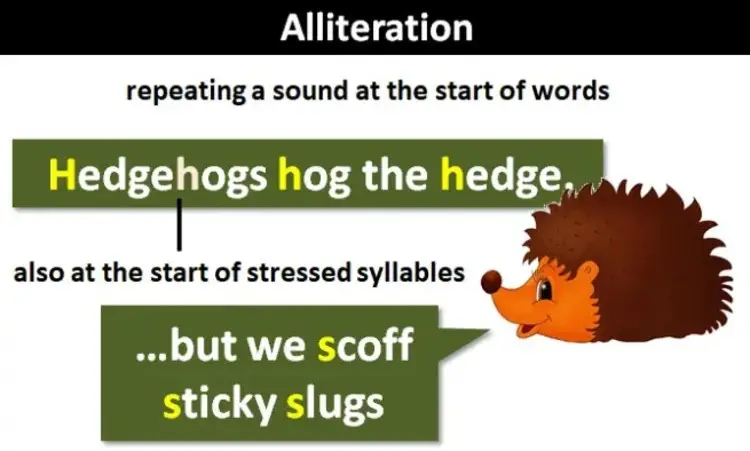
- Alliteration: Alliteration is the repetition of the same repetition of initial consonant sounds in nearby words. For example, “We provide practical, powerful, and proven strategies.”
- Anaphora: Anaphora is the repetition of a word or phrase at the beginning of successive clauses. For example, “We will launch today. We will grow tomorrow. We will succeed together.”
- Antithesis: You place contrasting ideas next to each other in a parallel sentence structure to create a dramatic effect. For example, “It was the best of times, it was the worst of times.”
- Hyperbole: This is an intentional exaggeration used for emphasis or humor, not to be taken literally. For example, “I’ve told you a million times that consistency is key.”
- Metaphor: A metaphor directly compares two unlike things by saying one is the other. For example, “Time is a thief that steals our opportunities if we aren’t careful.”
- Simile: A simile compares two things using the words “like” or “as.” For example, “Her advice cut through the noise like a sharp knife.”
- Rhetorical question: A rhetorical question is asked to make a point rather than to get an answer. For example, “Do you want to stay stuck in the same place forever?”
- Epistrophe: This is the opposite of anaphora, involving the repetition of words at the end of successive clauses. For example, “See no evil, hear no evil, speak no evil.”
- Personification: This gives human qualities to non-human things or abstract concepts. For example, “Opportunity came knocking at my door when I least expected it.”
- Onomatopoeia: This uses words that imitate the natural sounds of a thing. For example, “The buzz of the conference room was electric.”
Rhetorical devices examples sentences
These devices focus on how you structure your sentences to evoke emotion or clarity.
- Oxymoron: This combines two contradictory terms to create more meaning. For example, “There was a deafening silence in the room before the offer was made.”
- Euphemism: A euphemism is a mild or indirect word substituted for one considered to be too harsh or blunt. For example, “We’re letting you go” instead of “You’re fired.”
- Irony: This uses words to convey a meaning that is the opposite of their literal meaning. For example, “Great weather we’re having,” said the guest as the storm raged outside.
- Litotes: This is an understatement where an affirmative is expressed by the negative of its contrary. For example, “The feedback on your book was not bad at all.”
- Synecdoche: Synecdoche is a rhetorical device where a part is used to represent the whole. For example, “We need all hands on deck for this launch.”
- Asyndeton: This is the omission of conjunctions between parts of a sentence. For example, “I came, I saw, I conquered.”
- Polysyndeton: This is the use of several conjunctions in close succession. For example, “We lived and laughed and loved and left.”
- Chiasmus: Chiasmus reverses the structure of a sentence to create a memorable statement. For example, “Never let a fool kiss you or a kiss fool you.”
- Paradox: It’s a statement that seems self-contradictory but may reveal a deeper truth. For example, “The more you learn, the less you realize you know.”
- Climax: This arranges words or clauses in order of increasing importance. For example, “It’s a bird, it’s a plane, it’s Superman!”
Rhetorical devices examples in speeches
Many rhetorical devices make you shine brighter on stage. This list of rhetorical devices is used to draft great speeches with emotional appeal:
- Anadiplosis: This repeats the last word of one sentence at the beginning of the next. For example, “Fear leads to anger. Anger leads to hate. Hate leads to suffering.”
- Hypophora: A speaker raises a question and then immediately answers it. For example, “Why do we need this product? Because it solves your biggest problem.”
- Aporia: The speaker expresses doubt, often feigned, about a position or asks the audience how to proceed. For example, “I’m not sure if I should reveal this secret, but here it goes.”
- Apostrophe: The speaker addresses an absent person or an abstract quality directly. For example, “Oh, Success, how will I ever achieve you?”
- Parallelism: This uses components in a sentence that are the same in grammatical sound or meaning. For example, “Ask not what your country can do for you, but ask what you can do for your country.”
- Procatalepsis: The speaker anticipates an objection and answers it, strengthening their argument. For example, “You might think this is too expensive, but consider the value it brings.”
- Allusion: An allusion is a brief and indirect reference to a person, place, thing, or idea of historical significance. For example, “Don’t act like a Romeo in front of her.”
- Tricolon: This is a series of three parallel words, phrases, or clauses. For example, “Be sincere, be brief, be seated.”
- Sententia: This involves quoting a maxim or wise saying to apply a general truth to the situation. For example, “A bird in the hand is worth two in the bush.”
- Expletive: This is a word or short phrase that interrupts normal speech for emphasis. For example, “The time, in fact, has come to take action.”
Rhetorical devices examples AP Lang
These are slightly more technical devices often studied in AP Language courses, but they are incredibly useful for persuasive writing and sophisticated arguments:
- Zeugma: A word applies to two others in different senses. For example, “She broke his car and his heart.”
- Metonymy: A thing or concept is referred to by the name of something closely associated with that thing. For example, “The pen is mightier than the sword.”
- Antimetabole: This involves repeating a phrase in reverse order. For example, “You can take the boy out of the country, but you can’t take the country out of the boy.”
- Epizeuxis: This is the repetition of a word or phrase in immediate succession for emphasis. For example, “Location, location, location.”
- Diacope: This is the repetition of a word or phrase with one or two intervening words. For example, “Bond, James Bond.”
- Epanalepsis: This repeats the beginning word of a clause or sentence at the end. For example, “The king is dead, long live the king.”
- Catachresis: This is a harsh metaphor involving the use of a word beyond its strict sphere. For example, “I will speak daggers to her.”
- Synesthesia: This describes one kind of sensation in terms of another. For example, “The silence was heavy and thick.”
- Tautology: This creates a sense of redundancy by saying the same thing twice in different words. For example, “The evening sunset was beautiful.”
- Cacophony: This uses words with harsh, sharp, hissing, or unmelodious sounds. For example, “The clash and clang of steel jarred him awake.”
Rhetorical devices examples in literature
Authors use these to create vivid imagery and flow. You can use them in your podcast script templates to sound more narrative and engaging:
- Assonance: The repetition of vowel sounds in nearby words. For example, “The rain in Spain stays mainly in the plain.”
- Consonance: The repetition of consonant sounds (not just at the start). For example, “Mike likes his new bike.”
- Anastrophe: Inverting normal word order (like Yoda). For example, “Into the water dove the boy.”
- Anthimeria: Using a noun as a verb or vice versa. For example, “Let’s Google it” turns the company Google into an action.
- Colloquialism: Using slang or informal language. For example, “I was gobsmacked by the results.”
- Irony: When the intended meaning is the opposite of the literal meaning. For example, “Great, another meeting. Just what I needed.”
- Portmanteau: Blending two words to create a new one. For example, “This is a frenemy (friend + enemy) situation.”
Which Is the Best Example of a Rhetorical Device?
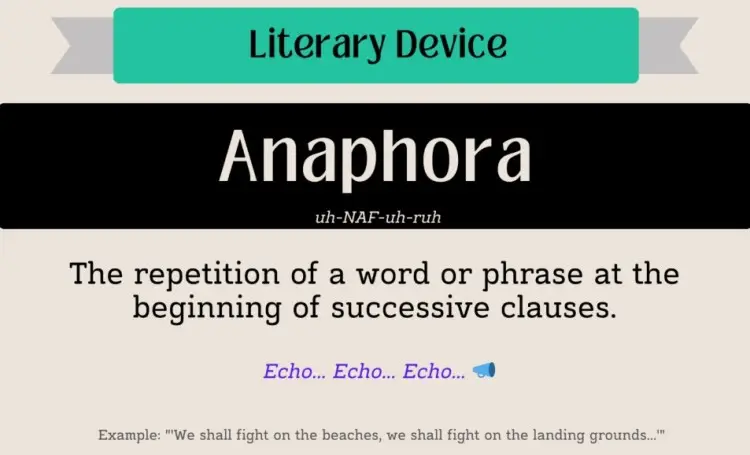
There isn’t one single “best” device, but if you want the strongest one for podcast guestings and interviews, it has to be anaphora.
Why is anaphora so powerful?
- The repetition of a word or phrase at the beginning of the next sentence creates a hypnotic rhythm.
- It builds intensity. When you use anaphora, you signal to the audience that you are building toward a climax.
- It makes your soundbites clip-able and your quotes tweet-able.
In a podcast interview, this helps you emphasize your core values. “We believe in people. We believe in passion. We believe in profit.” That statement is hard to ignore.
Which rhetorical devices are often used in business writing?
In business writing, clarity and persuasion are key. Use a hypophora to present the problem and solution quickly.
Hypophora (asking and answering a question) is perfect for sales copy or emails because it mimics a conversation. You predict the reader’s doubt (“Is this worth the price?”) and answer it immediately (“Absolutely, and here is why”).
How to Use Rhetorical Devices
Having a list is one thing. Using them naturally is another. You don’t want to sound like a walking dictionary. The goal is to make language work for you, not against you.
Here are some tips to seamlessly weave these into your next public speaking opportunity:
- Start small: Pick one device, like alliteration, and use it in your bio or intro.
- Use repetition for key points: If you have a big idea, use anaphora to hammer it home.
- Ask questions: Use rhetorical questions to hook the host and the listeners right before you drop a value bomb.
- Tell stories with imagery: Use metaphors and similes to help people visualize your data.
Content creators can also apply these devices in their skits to hook viewers.
Rhetorical devices examples quiz
Many people think rhetorical devices are like magic wands that fix bad content. They aren’t. Test yourself to know if you can avoid these common mistakes before you get booked on podcasts:
- Overuse: If every sentence has a metaphor, your audience will get dizzy. Rhetorical devices are best used sparingly, like a kick of spice in a meal.
- Confusing the device with the meaning: If the sentence doesn’t actually make sense, it just sounds silly (e.g., using chiasmus to say “Money loves you, you love money”).
- Wrong tone: Using high-drama devices like apostrophes (“O, cruel Fate!”) in a casual business podcast will make you sound out of touch. Match the device to the tone of voice of the show.
- Not writing for the ear: Sonic device choices like alliteration or consonance help the listener remember your point long after the episode ends.
Spice Up Your Speech
Rhetorical devices examples are everywhere, in songs, movies, and the best TED Talks, because they work.
Ready to test out your new rhetorical skills on a real audience? Create your free Talks profile today. It’s the easiest way to get discovered by shows that are looking for experts just like you.
With Talks you get:
- Dynamic speaker one-sheet: Previous appearances, signature topics, and your schedule? Your profile hosts everything to highlight your experience.
- Quick matches: Auto-message and Auto-accept instantly connect you with shows that match your preferences. Less friction, more guest spots.
Edie booked her first guest spot via Talks. Elaine recorded 4x already, with more matches lined up.
Create your Talks Creator Profile today and book your next guest spot in as fast as 5 minutes!


