
Podcasting is more than just holding the mic. Though legalities aren’t exactly the hottest parts of starting your own podcast show, they’re very important.
Truth is, when you step into the world of podcasting, you also enter a world full of laws and regulations around intellectual property.
For example, there are podcast copyright rules to keep your content safe. Without the right knowledge, you can face an infringement claim, something no creator wants to face.
This guide breaks down what you need to know about podcast copyright laws, how to avoid copyright violations, and best practices for using music, video, and images in your episodes.
Let’s get you protected and ready to grow your audience worry-free.
What Are Podcast Copyright Rules?
Podcast copyright rules are the guidelines that dictate how you can use original or protected content in your podcast episodes. These rules ensure creators’ rights are respected and that you don’t accidentally step into legal trouble by using content without permission.
Copyright rules make sure that the original copyright owner has control over how their work is used, distributed and monetized.
For podcasters, this means you must be careful about what you include or reference in your show to avoid copyright infringement claims.
Below are the main podcast copyright rules every podcast creator should know.
1. Exclusive right to use content
The copyright owner has the exclusive right to reproduce, distribute, perform or display their work. This means you cannot use someone else’s song, audio clip, video, or image in your podcast without permission from the owner.
Using such content without authorization can lead to copyright violations.
2. Permission and licensing
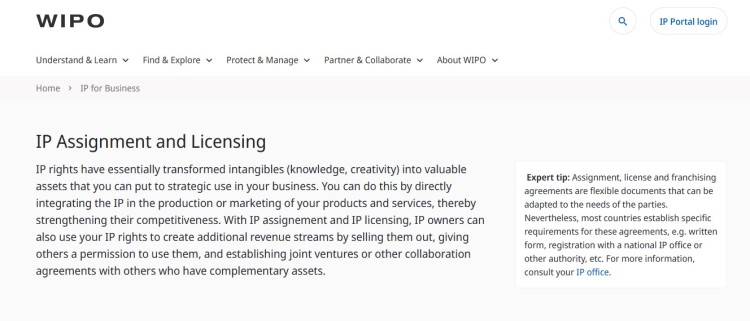
If you want to use copyrighted material legally in your podcast, you must get a proper license. That’s a formal agreement granting you the right to use the music, audio, or visuals under specific terms.
Licenses may come with fees or restrictions, so always read the fine print to understand what you can and cannot do with the content in your podcast.
3. Fair use allowances
Fair use laws allow limited, without permission, use of copyrighted content for purposes like commentary, criticism, education, or news reporting.
But fair use is not a free pass. It depends on factors such as:
- The purpose of the use (commercial or educational).
- The nature of the copyrighted work.
- The amount and substantiality of the portion used.
- The effect of use on the potential market for the original.
For podcasters, relying on fair use can help include small clips or references, but it’s always safer to seek permission or use original or licensed content.
4. Public domain usage
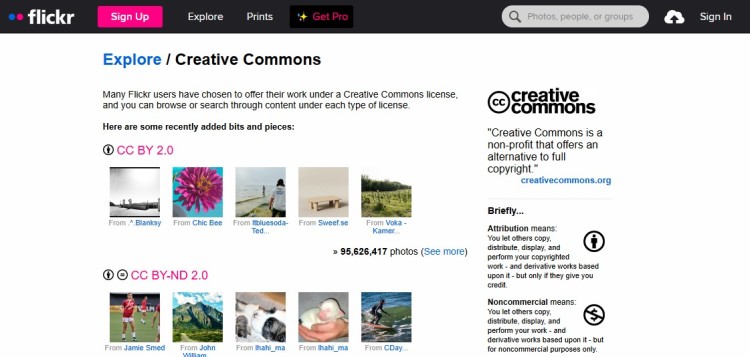
Content in the public domain is free to use because its copyright has expired, or the creator released it with no restrictions.
Using public domain material is a way to avoid copyright infringement.
5. Copyright notice and attribution
When you use content under a license or under a fair use claim, many times you are often required to give credit to the copyright holder. This might mean including a copyright notice in your episode description or verbally acknowledging the creator in your podcast.
Following these rules set by the copyright owner is part of complying with copyright.
Podcast Copyright Laws vs Podcast Copyright Rules
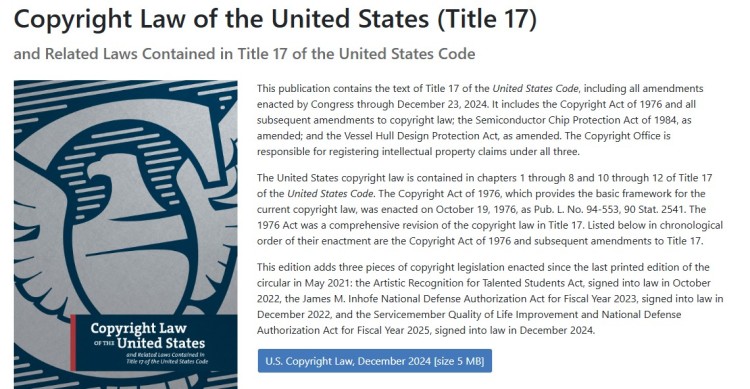
It’s easy to confuse podcast copyright laws with podcast copyright rules, but they aren’t exactly the same.
- Podcast copyright laws are the actual legal statutes passed by governments, like the United States Copyright Act, that protect original works of authorship.
- Podcast copyright rules are the specific guidelines and best practices podcasters follow to comply with those laws. They’re more like the day-to-day “plays” that keep your podcast from crossing legal boundaries.
Why Are Podcast Legal Considerations Important?
Understanding copyright laws and rules is key for anyone in podcasting, whether you’re a guest or a creator. Here are a few reasons why:
- Avoid the legal troubles: Protect your podcast from costly legal disputes and takedown notices.
- No hiccups: Avoid copyright violations that can damage your brand and podcast content distribution.
- Understand your legal terms: Know how to lawfully use copyrighted material like music and images.
- Protect your rights too: Make sure that your own creative work is granted proper copyright protection.
- Stay compliant with platforms: Follow guidelines enforced by channels like Spotify and Apple Podcasts.
- Maintain trust and credibility: Affirm podcast listeners and other creators that you respect copyright rules.
Common copyright violations in podcasting
Many podcasters unknowingly violate copyright laws. Understanding common pitfalls helps you avoid trouble.
Here are some common copyright violations to be mindful of:
- Unauthorized use of music: Playing copyrighted music without a license is the most common violation.
- Using video clips or images without permission: Incorporating copyrighted visuals into video podcasts or social posts can lead to strikes.
- Using others’ audio clips: Including parts of another original podcast or interview without consent counts as a violation.
- Ignoring attribution: Failing to credit the copyright owner when license terms require it is also wrong.
Risks of a podcast with no copyright
Creating a podcast without permission or ignoring copyright protection can result in real legal risks, no matter what type of podcast you produce. Here are the risks you could face:
- Takedown notices: Platforms can remove your episode if a complaint is filed.
- Monetary damages: You may owe fines or settlements to copyright holders.
- Reputation damage: Legal disputes often scare away sponsors and listeners.
- Loss of content: Your entire podcast channel could face suspension.
Let me give you some examples of how copyright violations turned into real-life disputes:
- PokerNews podcast: Record labels and music companies sued PokerNews podcast for their “willful and deliberate” use of unlicensed music. They’re noting how the show is also making profit from this use and that these copyrighted works are “prominently featured”.
- Universal Music: One of the earliest high-profile cases of copyright infringement was when Universal Music sued a poker-promoting podcast for unauthorized use of copyrighted music. The lawsuit emphasized that typical broadcasters’ licenses don’t cover podcasting and that you need proper licenses.
How to Avoid Copyright Infringement With Your Podcast
Avoiding copyright infringement is important if you want to steer clear of legal trouble.
Whether you’re including music, audio clips, images, or other creative elements in your podcast episode, there are clear steps you can take to make sure you respect the rights of others and protect your own work.
Here are effective ways to avoid copyright infringement with your podcast:
1. Obtain proper licensing
If you want to use copyrighted material like music or sound effects, the safest method is to obtain a license from the copyright owner. You typically have to pay a fee for permission to use others’ content in your podcast.
Here’s how:
- Work with artists, labels, or performance rights organizations that manage licenses.
- Consider subscription services that offer royalty-free music cleared for podcast use, which often come with fewer restrictions.
- Always read the fine print to ensure your podcast’s use (commercial or noncommercial) is covered by the license terms.
2. Use public domain and Creative Commons content
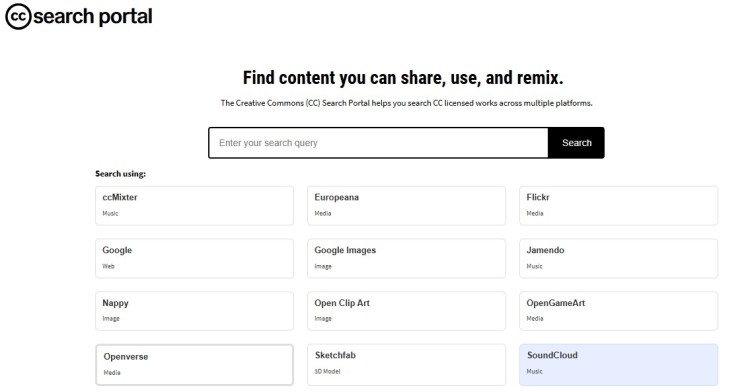
To completely avoid licensing fees and restrictions, you can incorporate:
- Public domain works are guaranteed free for public use.
- Content with Creative Commons (CC) licenses can be used for specific purposes under conditions like attribution.
These alternatives are reliable ways to avoid copyright infringement while still making sure you have rich content to add to your show.
3. Rely on fair use carefully
Fair use laws provide certain exceptions that let podcasters use small portions of copyrighted works without permission, usually for commentary, criticism, education, or news reporting.
To make sure you’re within the scope of fair use:
- Learn about fair use: Understand that fair use allows limited use and is context-dependent.
- Know your limits: Using a brief audio clip to critique or discuss it might be fair use, but playing an entire song is not.
- Keep notes: If relying on fair use, document your reasoning and keep the use minimal.
4. Create and use your own original content
One of the most straightforward ways to avoid copyright issues is to produce your own music and media. That way, you’re free to use them however you want.
Also, as the creator of original work, your podcast is automatically protected by copyright, giving you exclusive rights and control over distribution.
5. Properly attribute and credit others
Even when you use copyrighted content under permission or fair use, it’s a good practice to:
- Provide credit to the copyright holder in your podcast or show notes.
- Include a copyright notice where appropriate.
This shows you respect other creators and follow the rules set by the copyright owner.
6. Monitor your podcast content regularly
Check your episodes to double-check the media you edited in. Always make sure that:
- You’ve obtained rights or licenses for third-party content included.
- Your content complies with platform rules on the use of copyrighted material (especially on platforms like Spotify or Apple Music).
7. Know how to respond to infringement claims
If you do receive a copyright infringement claim:
- Consult a legal expert to understand the claim’s validity.
- Remove or replace infringing content promptly if the claim holds.
- Cooperate with rights holders to resolve disputes amicably.
Taking these quick actions can prevent further legal complications and platform penalties.
How to Protect Your Podcast Content
As a podcast creator, protecting your original work is just as important as avoiding others’ rights.
- Officially document your ownership: Apply for copyright registration with the copyright office to have a public record that you own your scripts, audio, and podcast trailer.
- Maintain creative control: Always create and record your own original scripts and voice recordings. Avoid handing over control to third-party tools without clear agreements.
- Use legal agreements: If you invite guests or work with co-hosts, use clear release forms granting you the right to use, edit, distribute, and profit from the episode content involving them.
- Secure your files and data: Use encrypted storage solutions to keep your files safe from unauthorized access or hacking.
Learn more about the other processes of podcasting, from thinking up segment ideas and recording to distribution.
Podcast copyright best practices
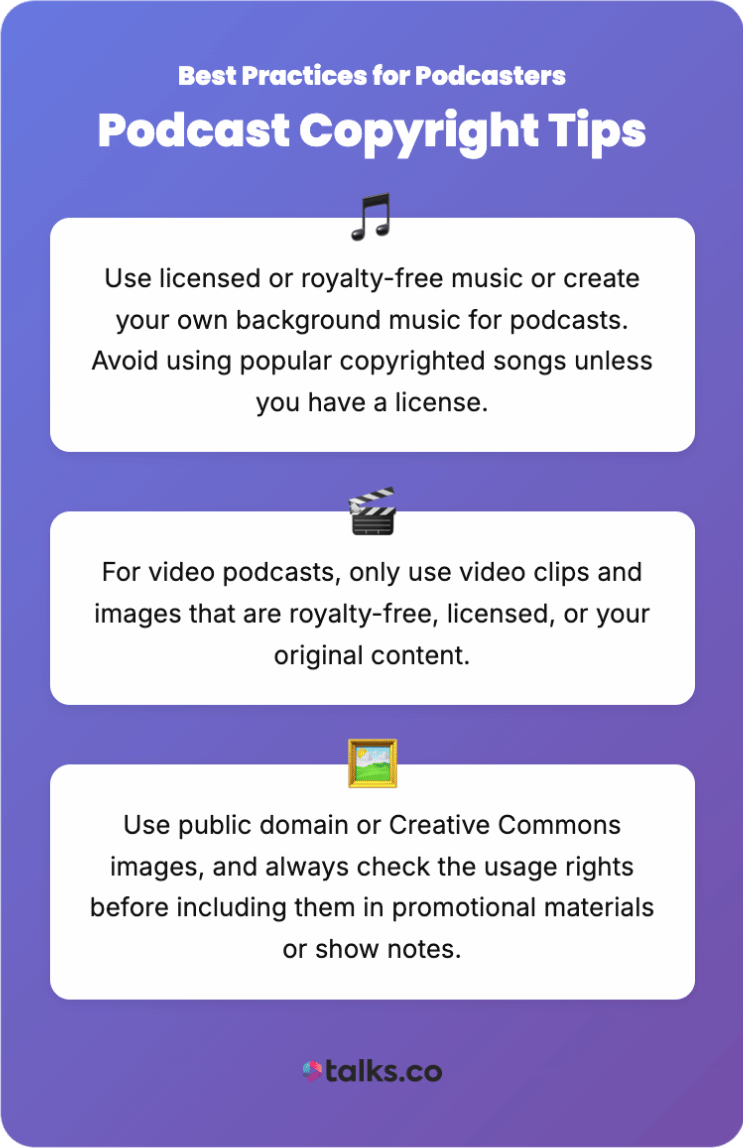
Let’s dive into how to create a good podcast and follow podcast copyright rules. Here are some best practices podcasters should follow when using video, music, and images in episodes:
- Music: Use licensed or royalty-free music or create your own background music for podcasts. Avoid using popular copyrighted songs unless you have a license.
- Video: For video podcasts, only use video clips and images that are royalty-free, licensed, or your original content.
- Images: Use public domain or Creative Commons images, and always check the usage rights before including them in promotional materials or show notes.
In general, always credit the copyright owner when required and stay updated with the latest podcast copyright laws. What matters is that you’re being authentic and are doing things with the right intention.
If you’re worried or concerned about something, check it out. Consult with a lawyer.
Are Podcasts Copyrighted?
The simple answer is yes. Podcasts are protected by copyright the moment you create them because they’re your original content.
This means no one can legally copy, distribute, or profit from your podcast without your permission.
Can you copyright a podcast?
Yes. A podcast as a whole, your voice recording, script, and music you create, is considered an original work and qualifies for copyright.
You can also register your podcast episode with the official copyright office to add a layer of formal protection and to help in case of infringement.
Sticking to the Rules
Following podcast copyright rules is like learning the rules of the game even before you make your big play.
Understanding these essentials protects your creative effort and keeps your podcast growing safely.
Want to keep winning at podcasting? With Talks, your next move is a shortcut to reliable and quality podcast guest matching.
Whether you’re a new show building your network of experts or a seasoned host looking to change things up, this AI-powered platform guarantees quick, relevant connections with just a few clicks.
Elaine already recorded episodes, with more interviews lined up. Sreelatha found the perfect guests for her show.
Create a Free Talks Creator Profile Today and Invite Guests.