

You’ve recorded your podcast episodes, polished the audio, and created stunning artwork that catches the eye.
But there’s one big question left hanging in the air. How do you actually get your podcast in front of the right people?
The answer lies in podcast directories. These platforms are the bridge between your content and the millions of podcast listeners waiting to discover their new favorite show.
Listing your podcast on various podcast directories helps you grow your podcast downloads, boost your brand, and make sure your message reaches the ears it was meant for.
In this guide, I list the 17 top directories you need to know about for 2027. This covers everything from how to submit your show to the unique benefits of each platform, so you can make informed decisions before you list your show.
17 Podcast Directories List (2027 Snapshot)
Which podcast directory is the best for your show? Before you get listed, let’s have a quick look at the major directories you need to know:
- Talks: Best for anyone looking to boost their visibility with one of the fastest emerging platforms for podcast hosts.
- Apple Podcasts: Best for reaching the most dedicated podcast listeners.
- Spotify: Best for tapping into a massive audience that loves both music and podcasts.
- YouTube Podcasts: Best for video podcasts and discoverability through Google’s search engine.
- Amazon: Best for reaching smart speaker users and the vast Amazon Prime audience.
- Podcast Index: Best for developers and those who support an open, uncensored podcasting ecosystem.
- Pandora: Best for reaching US-based listeners who enjoy a radio-style experience.
- Podbean: Best for those who want an all-in-one app that combines hosting and listening.
- TuneIn: Best for getting your content into cars and on diverse smart devices.
- iHeartRadio: Best for reaching an older demographic used to traditional radio.
- Castbox: Best for discoverability thanks to its powerful in-audio search technology.
- Deezer: Best for reaching European audiences and expanding your global footprint.
- Podchaser: Best for building social proof through ratings and reviews.
- Acast: Best for listeners who want a curated experience and support for independent creators.
- PodLP: Best for reaching emerging markets using KaiOS feature phones.
- Soundcloud: Best for sharing audio snippets and engaging with a community of creators.
- SiriusXM: Best for getting your show onto a premier satellite radio network.
What Are Podcast Directories?
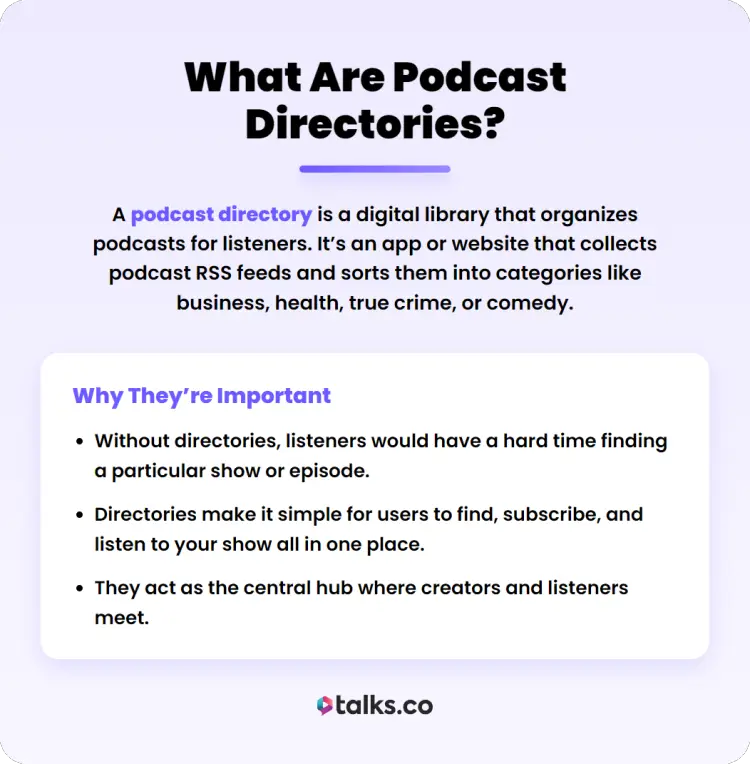
A podcast directory is a digital library that organizes podcasts for listeners. It’s an app or website that collects podcast RSS feeds and sorts them into categories like business, health, true crime, or comedy.
Think of it as a search engine specifically for audio content. Here are some reasons why they’re important:
- Without directories, listeners would have a hard time finding a particular show or episode.
- Directories make it simple for users to find, subscribe, and listen to your show all in one place.
- They act as the central hub where creators and listeners meet.
What is a podcast directory search?
A podcast directory search is the function within an app that allows users to type in keywords or titles to find shows.
With a clear title and description, your ideal listener can easily find you. Whether that’s “marketing tips” or “meditation for beginners”, you’re far more likely to be discovered organically.
What is a podcast file sharing?
Podcast file sharing refers to how the audio file gets from your host to the listener’s device.
It’s a common misconception that directories host your audio. In reality, directories don’t usually host the files themselves. They just read the RSS feed from your podcast host and stream the file to the user.
This is a must-know because it means you retain control over your content and analytics through your hosting provider.
What is a podcast guest directory?
A podcast guest directory is a bit different but equally important for growth. It’s a platform designed to connect podcast hosts with potential guests.
If you’re looking for podcast guesting opportunities to share your expertise or get your personal brand out there, this is the solution for you.
You can use platforms like Talks to create a profile, make quick connections and get booked on shows.
17 Best Podcast Directories to 10X Your Visibility
Now that you have the list, let’s look at why you should submit your show to these platforms. Your choice ultimately depends on your goals and who you want to connect to.
Let’s look at the key features, costs, and unique strengths of each to help you prioritize your distribution strategy.
1. Talks
Talks is your podcast directory but better. When you create a free profile, you can list your show and connect with hundreds of potential guests to interview. You can even connect directly with fellow podcast hosts and secure collaborations and cross-promotions.
Don’t just settle for being visible. Make sure your reach leads to actual actions that benefit your podcasting business.
Key features:
- AI helps you upload your profile information in minutes, so you can use the tool immediately
- Smart matching system brings you in front of people already looking for shows like yours
- Make connections that lead to industry partnerships and recorded interviews
Cost: Forever free to create a profile
2. Apple Podcasts: Biggest podcast directories
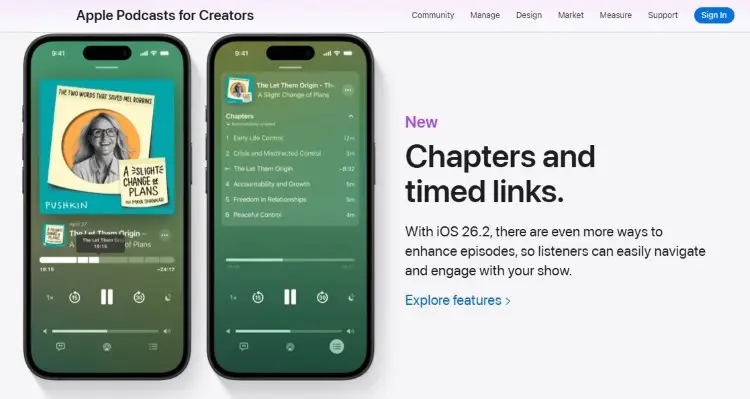
Apple Podcasts is one of the big three of the podcasting world. It set industry standards in 2005, integrating RSS feeds into iTunes, and remains the first place many people look when they want to find a new podcast.
For many years, if you weren’t on Apple, you didn’t have a podcast. While competitors have risen, its influence on chart rankings and industry prestige is undeniable.
Key features:
- Deep integration with all Apple devices (iPhone, iPad, Mac, CarPlay).
- Detailed analytics to help you understand your listeners, including drop-off rates.
- Ability to sell paid subscriptions directly on the platform, opening new revenue streams.
Cost: Free
3. Spotify: Top podcast directories
Spotify has rapidly become the top competitor to Apple, especially among younger listeners. It’s a must-have if you want to be where the majority of modern audio consumption happens.
By integrating podcast and music listening, they’ve reached the masses and influenced more people to tune in to podcast shows.
Key features:
- Supports video podcasts, providing a richer listener experience.
- Provides analytics data on who is listening and for how long, including demographic breakdowns.
- Interactive features like Q&As and polls to engage listeners directly.
Cost: Free
Learn how to upload a podcast on Spotify with this guide.
4. YouTube Podcasts
YouTube Podcasts is leveraging the world’s second-largest search engine to help podcasters grow. It’s fantastic for podcast discovery because your episodes can show up in regular Google searches.
Key features:
- Naturally wide reach for videos that can work for vodcasts.
- Strong SEO benefits for your content since Google indexes YouTube content.
- Monetization options through ads and channel memberships.
- The comments section helps in immediate community building and feedback.
Cost: Free
Kick things off right with your new channel with our full guide on how to start a podcast on YouTube.
5. Amazon: Popular podcast directories
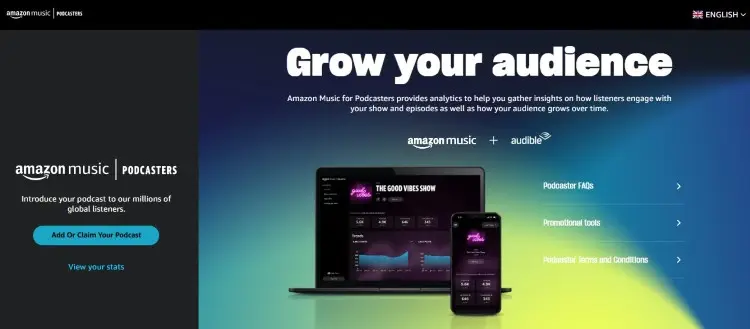
Listing on Amazon puts your show on Amazon Music and Audible. This helps you reach users who rely on Alexa smart speakers to consume content.
As voice search becomes more popular, having your content accessible via smart home devices is a strong strategy.
Key features:
- Voice-command accessibility via Alexa (“Alexa, play [Your Podcast]”).
- Access to the millions of Audible subscribers who are already accustomed to paying for premium audio.
- Integration with the massive Amazon retail ecosystem.
- “Ad-free” listening options for Prime members on select shows.
Cost: Free
6. Podcast Index
Podcast Index is an open directory that preserves the freedom of podcasting. It’s essentially a database that other apps use to populate their feeds.
It was created to make sure that no single corporation controls the phonebook of podcasts.
Key features:
- Supports “Value 4 Value” streaming payments (e.g., Bitcoin).
- No censorship or platform gatekeeping, so if it’s in the feed, it’s in the index.
- Used by many independent podcast apps (e.g., Fountain or Podverse) as their source.
- Supports new podcast namespace tags like transcripts, chapters, and location.
Cost: Free
7. Pandora
Pandora is famous for its “Music Genome Project” and applies that same powerful recommendation algorithm to podcasts.
It’s great for getting your show in front of people who might not actively search for it but would enjoy it based on their other listening habits.
Key features:
- Advanced recommendation engine based on listening habits.
- Huge user base in the United States, particularly among older demographics.
- Curated collections that can boost your show’s visibility significantly.
Cost: Free
8. Podbean
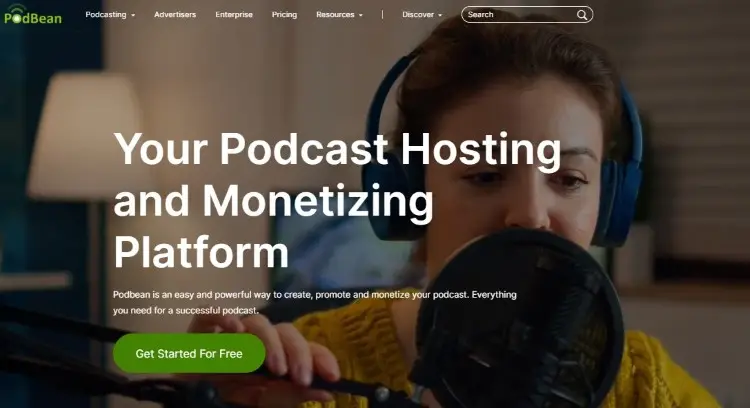
Podbean is unique because it’s both a hosting platform and a listening app. It’s very popular and offers tools for listeners to engage with hosts and content creators directly.
Even if you don’t host with them, you can list your podcast in their directory.
Key features:
- Live audio streaming capabilities to interact with listeners in real-time.
- Crowdfunding integration for listener support directly within the app.
- User-friendly interface for discovering new shows based on categories.
- Social features allow listeners to follow each other and share episodes.
Cost: Basic free plan; paid plan starts at $9/month
9. TuneIn
TuneIn is a powerhouse for live radio and sports, but it also hosts millions of podcasts. It’s the default service for many car infotainment systems and smart devices, making it essential for reaching commuters.
Key features:
- Available on over 200 connected devices (Tesla, Sonos, Google Home, Roku, etc.).
- Global reach with a focus on live audio and news.
- Great for sports and news-related content that pairs well with radio listening habits.
- Pre-installed on many devices, lowering the barrier to entry for listeners.
Cost: Free
10. iHeartRadio
iHeartRadio bridges the gap between traditional radio and digital streaming. If you want to reach an audience that loves talk radio and is transitioning to on-demand audio, this is the place to be.
They’re also a massive media conglomerate with huge promotional power.
Key features:
- Great reach across North America with millions of registered users.
- Integration with terrestrial radio stations allows for cross-promotion.
- Strong promotion for shows within their network, including awards and festivals.
- Charts that are highly visible and respected in the broadcast industry.
Cost: Free
11. Castbox
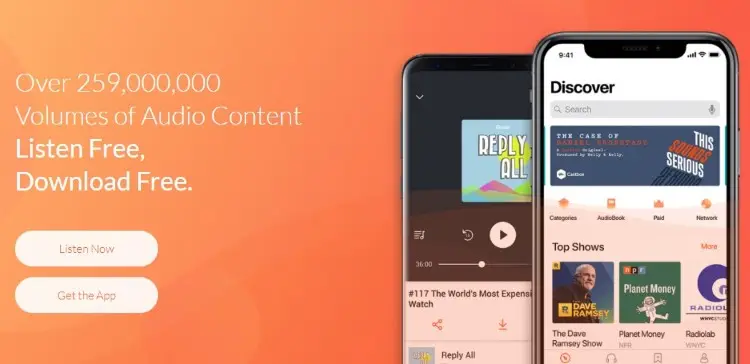
Castbox is an innovative app that uses advanced technology to help people find content. It transcribes episodes to make the spoken words searchable, which impacts discovery.
Key features:
- In-audio search lets users find specific topics within episodes, not just titles.
- Strong community features for commenting and sharing directly on the timeline.
- Good support for podcast creators with analytics and “Creator Studio” tools.
- Clean design that emphasizes discovery and user playlists.
Cost: Free
12. Deezer
Deezer is a major player in Europe and South America. If you want to expand your reach beyond the US, you need to be on this platform.
It has a similar feel to Spotify but with a different regional stronghold.
Key features:
- “Flow” feature mixes music and podcasts based on user taste.
- Available in over 180 countries, providing true global reach.
- Easy submission process for creators.
- Strong focus on local content in various languages.
Cost: Free
13. Podchaser
Podchaser is less of a player and more of a podcast database and social network. It allows users to rate episodes, review shows, and create lists.
Think of it as preparing a resume for promoting your podcast.
Key features:
- Create a profile for yourself as a host or podcast guest to build authority.
- Detailed credits for editors, producers, and guests.
- “Lists” feature allows curators to recommend your show to others for podcast guesting opportunities.
- Great for networking and building industry credibility through reviews.
Cost: Free
14. Acast
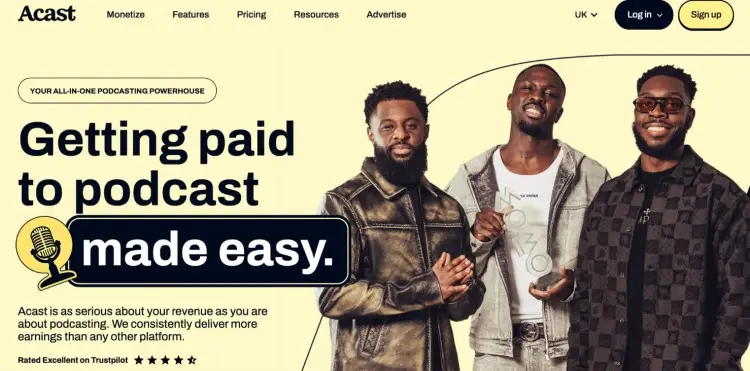
Acast focuses heavily on monetization and supporting creators, known for supporting an open ecosystem of podcasting. Their app provides a clean listening experience and helps match advertisers with shows.
Key features:
- Dynamic ad insertion technology capabilities.
- Marketplace for connecting with sponsors and advertisers.
- Tools for growing your audience globally.
- Support for premium content and paywalls.
Cost: Free; paid plan starts at $14.99
15. PodLP
PodLP is a podcast directory specifically designed for KaiOS phones. These are feature phones used by millions of people in emerging markets who may not have iPhones or Androids.
Key features:
- Connects you with listeners in India, Africa, and Southeast Asia.
- Optimized for devices with limited data and processing power.
- Low competition compared to major smartphone apps allowing for easier dominance in niches.
- Simple, text-based interface ensuring accessibility.
Cost: Free
16. Soundcloud
Soundcloud is an open audio platform that’s very social. While not a traditional directory in the RSS sense, it’s a great place to upload clips and get immediate feedback. It also has a very loyal community of creators.
Key features:
- Visual waveform player that looks great when shared on social media.
- Direct commenting on specific timestamps in the audio for granular feedback.
- Strong community of independent artists and creators.
- Embeddable players that work well on websites and blogs.
Cost: Free (Pro plans available for more upload time).
17. SiriusXM
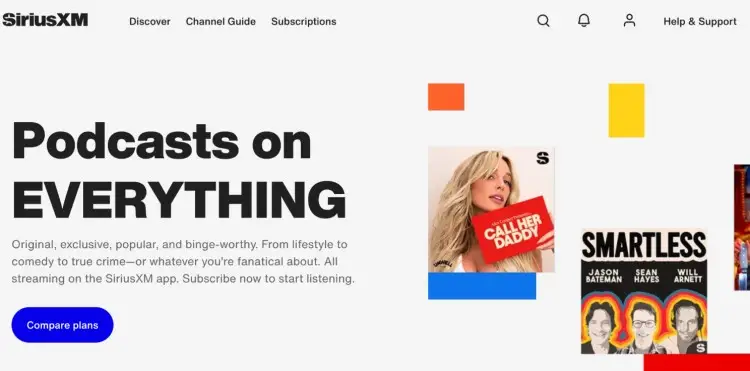
SiriusXM has moved heavily into podcasting after acquiring Stitcher and other networks. Getting listed here puts you in front of a premium audience that pays for high-quality audio in their cars and homes.
Key features:
- Access to millions of satellite radio subscribers across North America.
- Curated lists and premium content that users trust.
- Integration with the Pandora ecosystem (they are owned by the same company).
- High-quality audio streaming options.
Cost: Free
How a Podcast Works
Starting a podcast might seem technical, but the concept is actually quite simple. Here’s a simple roadmap to guide you through the process:
- Planning: Brainstorm for podcast concepts and names. Use the Talks podcast name generator to get ideas.
- Creation: You record an episode and upload it to a podcast hosting platform.
- Generation: This host generates a specialized link called an RSS feed. This feed contains all the metadata about your show (e.g., titles, descriptions, artwork).
- Podcast content distribution: You submit this feed to podcast directories.
- Updates: Whenever you upload a new episode to your host, the directories detect it via the feed and update your show for listeners instantly.
Why podcast is popular for visibility and growth
Podcasts are one of the easiest ways for experts, coaches, and creators like you to get in front of new targeted audiences fast.
- Built-in audiences: Every show already has listeners who trust the host. When you appear on the right podcasts, you borrow that trust and get instant exposure to people who care about your topic.
- Niche reach at scale: There’s a podcast for almost every industry, problem, and interest. That makes it easier to get your message in front of the right people, not just more people.
- High attention, low competition: Podcast listeners stay longer than they do on most platforms. You’re not fighting feeds, ads, or scroll fatigue so you’ve got real attention.
- Compounds over time: One good appearance can keep sending traffic, leads, and opportunities months (or years) after it goes live.
Is podcast a new media?
Podcasting isn’t exactly new. It’s been around since the early 2000s (originally called “audioblogging”), but it’s exploded in popularity recently due to accessibility via smartphones, the integration of Bluetooth in cars, and high-speed mobile internet.
It also evolved from a tech-savvy hobby into a mainstream media form. Today, popular podcasts have as much influence as major TV shows, even commanding larger and more engaged audiences than cable news programs.
Where can I listen to a podcast for free?
The beauty of podcasts is that the majority of them are free to consume. Being accessible helped it really grow and impact listeners around the globe.
Your target audience can listen for free on Spotify, Apple Podcasts, YouTube Music, and almost every other podcast app listed in this article.
Most apps make their money through ads or premium features that don’t restrict basic listening, keeping the content available to the public.
How to Get Your Show on a Podcast Directory (Checklist)
Getting your show listed is easier than you think. Here’s a step-by-step guide to make sure you don’t miss a beat:
☐ Prepare your assets: Before you submit anything, create at least three to five episodes and have your artwork ready.
☐ Locate your RSS feed: Log in to your podcast hosting provider. Look for a section labeled “Distribution,” “Directories,” or “RSS Feed.” Copy this unique URL to your clipboard (e.g., “https://feeds.buzzsprout.com/123456.rss”).
☐ Create directory accounts: Go to the submission page of each major directory (e.g., Apple Podcasts Connect, Spotify for Creators and YouTube Studio).
☐ Submit your RSS feed: Paste your RSS link into the designated field. The platform will “read” your feed and show you a preview of your podcast title, description, and artwork.
☐ Verify ownership: Most directories will send a verification code to the email address listed in your RSS feed to prove you own the content. Check your email, enter the code, and confirm.
☐ Wait for approval: Some directories, like Spotify, are almost instant. Others, like Apple, can take anywhere from a few hours to a few days to review your show.
☐ Confirm the listing: Once approved, you’ll receive a confirmation email with a link to your show on their platform.
How to distribute your podcast
Distribution is the broader process of getting that RSS link out to the world. So much more than a technical submission, podcast distribution is all about strategic placement.
- Prioritize the “Big Three”: Start with Apple Podcasts, Spotify, and YouTube. These three platforms cover the vast majority of podcast listeners globally.
- Use automated distribution: Many hosts (e.g., Libsyn, Buzzsprout, or Captivate) have direct integrations. They can submit your podcast to major directories like Amazon, iHeartRadio, and Samsung with just a single click in your dashboard.
- Manually submit to aggregators: For directories not covered by your host’s auto-submit feature, do it manually. Focus on Podchaser, Podcast Index, and Goodpods, which are data sources for many other smaller apps.
- Update your website: Once you have your links, add “Listen on Apple” and “Listen on Spotify” badges, so visitors can subscribe with one click.
- Share on social media: Post the direct links to your podcast on Apple or Spotify. Most social algorithms prefer links to established platforms rather than raw data feeds.
- Monitor your visibility: Every few months, do a quick Google search for your podcast name. See which directories pop up. If you notice you are missing from a platform like Deezer or Pandora, take the time to submit manually.
- Go beyond reach targets: Listens and views aren’t the only metrics for true success. Join a directory like Talks to multiply your platforms and appear on other people’s stages through podcast interviews.
How to Be Everywhere, All At Once
Podcast directories are a great way to boost your reach, but that’s not the only path.
Establishing yourself as a go-to expert and giving value is the sustainable way for you to keep showing up.
Want to know how? Join the Talks network and become a podcast guest.
With our AI-powered platform, matching with relevant shows and booking interviews is now quicker and more hassle-free than ever.
- Host-to-host connections: Collaborate with other podcast shows and cross-promote.
- Advanced filters: Find niche and exact shows that align with your audience.
Don’t wait to be discovered, not when getting booked for guesting is just this easy.
Create a free Talks Profile now and start matching with top podcasts in 5 minutes.


