

Do you have a dream podcast interview? Think about it: one mic in front of you and another held by your ideal guest.
Just five minutes in and they’re already spilling stories. The conversation is good. Vibes are *chef’s kiss*. It’s one exclusive scoop after the other.
Let’s turn that vision into a reality. Learn how to connect deeply and host a powerful podcast interviewing session.
This guide will equip you with the best practices and tools to host a great podcast interview that leaves an impression. I’ll help you prepare with step-by-step guides from preparation until after the session.
If you’ve ever wondered how to turn a conversation into a successful interview or how to pick questions to ask that your audience can’t stop listening to, you’re in the right place.
What Is a Podcast Interview?
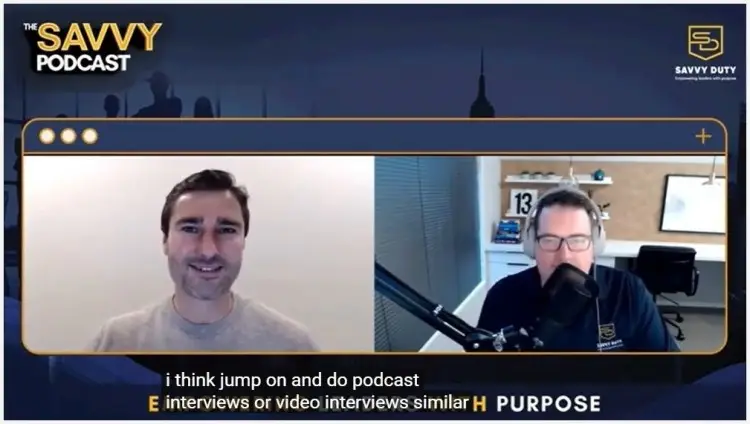
A podcast interview is a deep conversation between a podcast host and one or more guests, recorded as an episode of your show. During an interview, your guests share insights, stories, or expert knowledge.
Basically, the goal of an interview in podcasting is to provide valuable content that engages podcast listeners while spotlighting your guest’s unique perspective.
Podcast and Interview Difference
To get a clearer picture, let’s break down the differences between a podcast and an interview. That way, you can better plan your content, whether you want to keep your format consistent or you need variety.
Here’s how a podcast and an interview compare based on their format, purpose, length and host:
Podcast vs interview
While the terms “podcast” and “interview” are often interchanged, they have some striking differences.
- Podcast: A series of audio or video episodes with different formats and topics.
- Interview: A recorded conversation with a guest about a specific topic that focuses on getting the guest’s insights.
Are podcasts interviews?
While many podcasts feature interviews, podcasts as a whole are not limited to just interview formats. Podcasts can also be solo shows, panel discussions, narrative storytelling, or mixes of these.
Interviews revolve around the conversation of finding things out. But podcasts can adapt its content depending on your style and purpose.
Is a podcast and interview the same?
A podcast is a broader platform or series of episodes, while an interview is a specific type of episode or segment within that podcast.
Every podcast interview is a part of a podcast, but not every podcast episode involves an interview. For example, some episodes might be monologues or scripted stories.
How to Do a Podcast Interview
Nervous about your first podcast interview? I’ll walk you through how to prepare yourself, whether you’re recording in your studio or conducting an interview online.
Let’s go over each part of a podcast interview one by one.
How to prepare for a podcast interview
Preparing yourself sets the stage for an engaging interview experience. Here are eight steps to get ready for an interview session:
- Know your guest: Review the guest’s background, social media profiles, or previous interviews.
- Learn from other hosts: Listen to hundreds of interviews of great podcasters to get inspired by their style.
- Plan your episode: Outline the key topics or themes you want to cover in your interview.
- Write a script: Stay on top of how you want that conversation to flow and how you’ll guide the discussion if it goes off track.
- Include a question bank in your script: Write down your questions you intend to ask, along with some backup ones.
- Create a distraction-free zone: Ensure your recording space is quiet and free of unnecessary noise.
- Test your equipment: Check that your microphone, headphones, and recording software are working well in advance.
- Rehearse: Practice your intro and closing remarks to sound confident.
How to interview someone for a podcast
A podcast interview is only as good as your rapport with guests. If you help guests get comfortable, they’ll spill the best stories and insights.
Here’s how you can help guests prepare for your interview:
- Inform them about the interview details: Send your guest a welcome message with the podcast interview format and what to expect.
- Give them an overview: Provide an outline of the interview flow so they can anticipate transitions.
- Show them your question bank: Share the questions you plan to ask ahead of time so they can prepare.
- Show them how you do it: Offer links to your previous episodes so they get a feel for the style.
- Give a pre-show heads up: Remind them of the scheduled time and test the call connection before the interview.
- Help them set up: Give them instructions or a guide to help them optimize their sound quality, or use your recording software.
- Warm up with a chat: Create a relaxed atmosphere by chatting informally before recording.
How to conduct a podcast interview
During the actual interview, there are a lot of ways to dig deep and have a really interesting conversation. As a good host, you can bring out the best in your guests when you follow these podcasting tips:
- Welcome guests: Ease their nerves by talking about something personal or mentioning something about your guest. This shows your sincerity in collaborating well.
- Go through your list of questions: Ask your prepared inquiries, but be flexible to follow up on unexpected insights.
- Maintain a natural rhythm: Listen well and pause to let your guest finish without interrupting.
- Transition smoothly: Use clear cues when moving onto new topics or segments.
- Pay attention: Watch your guest’s tone and mood, and adjust the energy or pace if needed.
- Avoid yes or no questions: Ask open-ended questions that can be explored further.
- Talk about your own experiences too: Keep your listeners engaged by weaving in your own personal stories and examples.
- Monitor your recording levels: Check that your audio quality is consistent throughout the recording to prevent issues with editing later on.
- Wrap up the session: Close by allowing the guest to share where listeners can find them. Thank your guest warmly.
- Update your guest: Keep them posted about any of the materials you’ll publish, including teasers, episode cover, and the final edited episode.
How to conduct a podcast interview online
Remote interviews have become the norm. Here’s how you can conduct interviews even if you and your guest are on opposite sides of the world:
- Remote recording software: Use reliable platforms known for quality recording, like Zoom, Riverside, Zencastr, or SquadCast.
- Pre-interview tech check: Troubleshoot any possible audio and internet issues.
- Plan B: Have a backup recording method ready.
- Sound monitoring: Encourage your guests to use headphones to avoid echo.
- Individual recording: Record locally on both ends when possible to capture the best audio.
- Mute button: Use the mute button effectively when not speaking to minimize background noise.
- Interview cues: Communicate clearly with your guest if you cut or pause recording.
- Post-production: After recording, sync and tidy up your podcast recording with editing software.
How to Do a Good Podcast Interview
A great podcast interview isn’t just about asking questions. It’s about connecting with your guest and managing everything professionally.
Here are some of those things that make a good podcast interview:
- Being well-prepared when it comes to the structure and setup of the interview.
- Asking personalized questions so your guest can get deep and give specific answers.
- Conversational atmosphere that makes guests feel comfortable opening up.
- Open-ended and thought-provoking questions.
- Showing authenticity and curiosity, which keeps listeners engaged.
- Balanced talking time between you as the host and your guest.
- Removing unnecessary distractions and noise.
Most importantly, be authentic. In my experience, having real takes and being opinionated brings out unique conversations that haven’t been heard before.
Podcast Interviewing Tips
Take your cue from these best practices for interviewing podcast guests and successfully grow your show:
- Prepare a mix of questions: Ask about facts, feelings, personal anecdotes, and expert advice.
- Start with warm-up questions: Go with something light and easy in the beginning to build rapport.
- Use silence effectively: Don’t rush to fill gaps. Your guests need time to think of an answer.
- Paraphrase or summarize answers: Echo and validate what your guests shared, so listeners can clearly pick them up.
- Avoid leading questions: These can lead to biased responses and guests feeling offended.
- Encourage your guest to elaborate: Instead of rushing to wrap things up, stay with a topic using prompts like “tell me more about that.”
- Stay present: Avoid checking your notes too often and really pay attention to what your guest is saying.
- Wrap it up nicely: End with a question that invites guests to share final thoughts or future plans.
- Keep improving: Review your recordings later to refine interview style and pacing.
Best Podcast Interview Questions
Knowing the right podcast questions to ask is essential to uncover great stories and information.
They show that you’re genuinely interested in knowing more. Guests could tell if you’re actually willing to dive deep or if you’re just following a list of questions.
When asking interview questions, try to also think about your listener’s perspective. Ask questions that they would be most curious about.
Good podcast interview questions
These questions help dive into a specific topic that matters to your audience:
- What inspired you to get involved in this field?
- Can you describe a challenge related to this topic and how you overcame it?
- What are some common misconceptions people have?
- What advice would you give someone starting out?
- How has your perspective on this changed over time?
- What trends should listeners watch in this area?
- Could you share a story that illustrates this issue?
Podcast guest interview questions
If your interview is about getting to know a guest and their life experiences, try out these questions:
- How did you get started on your journey?
- What motivates you every day?
- What’s a defining moment from your career?
- How do you unwind outside your work?
- Can you share an unexpected fact about yourself?
- What’s been the biggest learning from your experiences?
- Who are your role models or influences?
Questions for podcast interviews
If you want to explore your guest’s answers, you can use these prompts or follow-up questions:
- Can you explain that a bit more?
- How did that make you feel?
- What happened next?
- Why do you think that’s important?
- How did that change your approach?
- What would you do differently now?
- Can you give an example?
Check out these guides for podcast interview questions and questions to ask a guest speaker for more ideas.
Podcast Interview Software
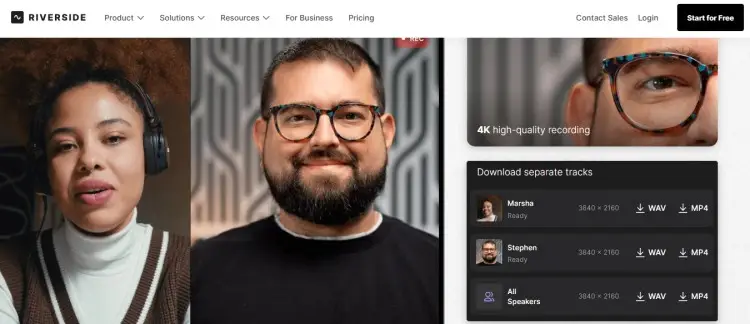
It’s not enough to mentally prepare for an interview. You have to have the right tools to back up your vision.
One of the things you have to prepare for a podcast interview is your recording software. Choosing the right one makes your workflow smoother. It can also boost your audio quality and make things easier for editing.
Podcast interview recording software
Here are some of the best software for podcast interviews:
- Riverside.fm: Offers high-quality audio and video recording, local tracks, and easy, separate editing.
- Zencastr: Browser-based and records audio locally. Supports separate tracks for easy podcast editing.
- SquadCast: Studio-quality sound and video, cloud recording, and reliable remote interviews.
- Cleanfeed: Great for live recording with multiple guests, with only minimal delay.
- Audacity: Free editing tool for recording and polishing audio locally.
- Zoom: Common but internet-dependent, best used with backup local recording.
Podcast interview set up
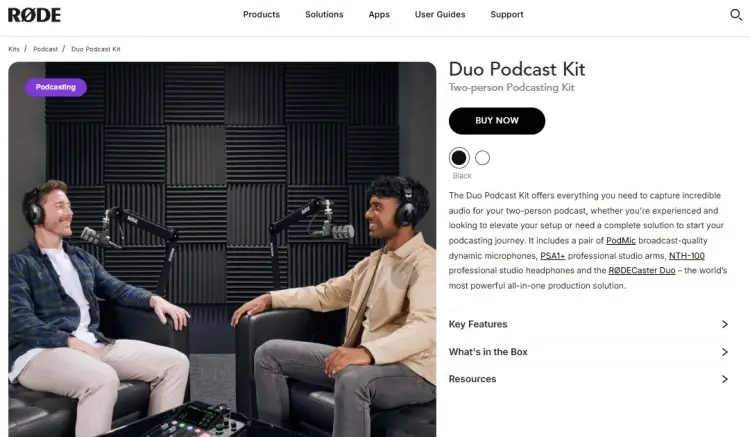
Gearing up for an interview means getting your equipment, studio and software in order. Here’s how you can set up for a podcast interview:
- Prepare a dedicated space: Choose a quiet room with minimal echo.
- Use a quality microphone: Try a USB or XLR microphone for recording.
- Wear headphones: Avoid feedback during recording.
- Position your mic: Place your mic in front of you, but with enough distance to avoid popping sounds. Use a pop filter if it can’t be helped.
- Test your sound levels before starting: Make sure that there won’t be explosive noises or other technical issues that will disrupt the recording.
- Check your computer or laptop: Make sure your device has enough processing power.
- Close background apps: Avoid sudden lags or interruptions that can increase delay.
- Set proper lighting: If you’re recording a video podcast, use a softbox or ring light to improve video quality.
- Place your materials nearby: Arrange your interview format documents, notes, and timer within reach.
Podcast interview background music
Should you include background music when editing your interview podcast? It varies for different types of podcast shows and styles.
Here’s a quick rundown of pros and cons to help you decide how you can create the best content:
Pros:
- Sets the tone and mood for the episode.
- Smoothly transitions between segments or topics.
- Engages listeners by filling silent gaps.
Cons:
- Too loud music can distract from the conversation.
- Overused background music might annoy some listeners.
- Finding free, legally cleared music can be challenging.
Podcast Interview Format
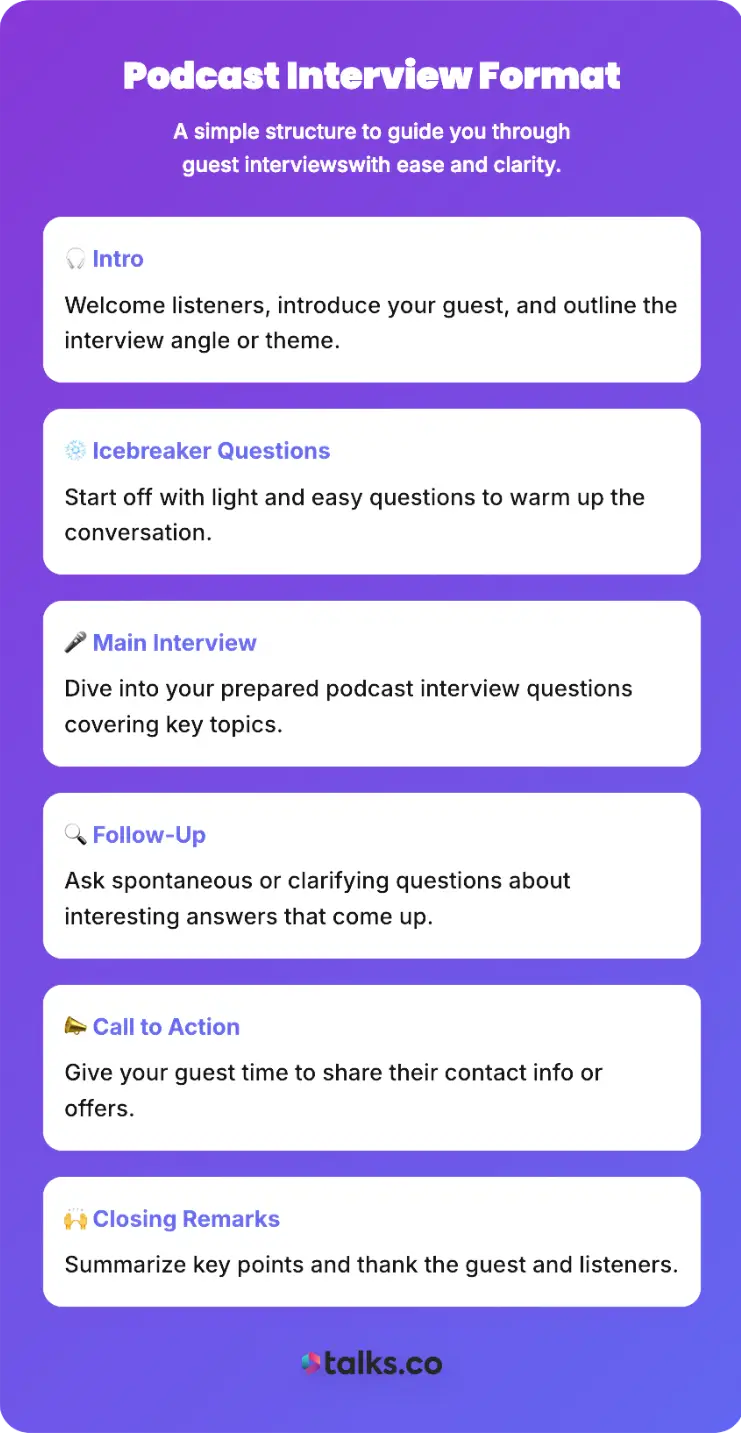
Here’s a simple format to follow for interviewing podcast episodes:
- Intro: Welcome listeners, introduce your guest, and outline the interview angle or theme.
- Icebreaker questions: Start off with light and easy questions to warm up the conversation.
- Main interview: Dive into your prepared podcast interview questions covering key topics.
- Follow-up: Ask spontaneous or clarifying questions about interesting answers that come up.
- Call to action: Give your guest time to share their contact info or offers.
- Closing remarks: Summarize key points and thank the guest and listeners.
Podcast interview template
Having a roadmap for your podcast interview format keeps your episodes structured and engaging. Use this simple podcast interview template:
Podcast title: _____________________
Episode title: _____________________
Guest name: _____________________
Date of recording: _____________________
I. Introduction
Briefly introduce yourself and your podcast’s mission.
Introduce the guest with a short bio highlighting their story.
II. Icebreaker questions
- How did you get started in your field?
- What motivates you every day?
- Can you share a fun or unexpected fact about yourself?
III. Main interview
- Question 1: [Insert your opening question related to the key topic]
- Question 2: [Follow-up to dive deeper into guests’ experience]
- Question 3: [Explore challenges or lessons learned]
- Question 4: [Discuss trends or advice for listeners]
- Question 5: [Share a personal story or pivotal moment]
IV. Listener engagement section
Ask any questions submitted by your audience (if applicable).
Invite the guest to share where listeners can find them online (website, social media).
V. Closing
Summarize a key takeaway from the interview.
Thank the guest for joining and sharing their insights.
Encourage listeners to subscribe, rate, and share the podcast.
Preview upcoming episodes or topics.
Interview podcast script
Need help to kick-start your podcast script? Follow these steps:
- Know your objective: Start by drafting your episode goals.
- Write your introduction: Include key details about you and your guest. Think about how to hook new and loyal listeners.
- List your questions: Plan how you’ll flesh out answers using inquiring questions.
- Think about your flow: Script transitions but leave room for natural flow.
- Write your closing: Leave time for shoutouts and future episode teasers.
- Rephrase to be conversational: Rehearse your script and listen to how it rolls over your tongue. Revise if it sounds too mechanical.
- Polish with AI: Use AI tools to draft or polish your scripts quickly when needed.
Podcast interview script example
An AI podcast script generator provides structured interview outlines, quickly creating scripts based on your topic and guest profile.
Here’s a podcast interview script example when you type “interview of a life coach”.
Host: What inspired you to be a life coach?
Sarah: Well, it all started when I went through a major life transition myself. I was feeling lost and unsure about my future, and I decided to seek the help of a life coach. That experience inspired me to become a coach myself.
Host: That’s a powerful story, Sarah. Can you share with us what exactly a life coach does?
Sarah: Absolutely. A life coach is someone who works with clients to identify their goals, overcome obstacles, and create a plan of action to achieve those goals.
How to Find Good Podcast Guests
Strong podcast guests are the main event of a podcast interview. Find the right guest for you using these tips:
- Use podcast guest matching tools: Platforms like Talks connect you directly with potential guests suited for your niche.
- Browse online profiles: Search through LinkedIn or social media to find experts and influencers.
- Look through guest lists: Get in touch with guests who have been interviewed on popular podcasts.
- Ask your network for referrals: Get recommendations or introductions to potential guests.
- Attend virtual or live events: Meet guests organically in places relevant to your podcast.
Book Your Next Interview
Podcast interviewing can grow your visibility and build powerful connections with other experts in the field.
With solid hosting skills, the right software, and hard-hitting questions, you can conduct an interview that keeps listeners coming back.
But of course, it’s the ideal interview guest that makes your podcast shine. Clicking with the guest who matches your energy brings out the juiciest and most meaningful stories.
Find your dream guest when you create a free Talks Creator profile. The platform streamlines the podcast matching process, delivering effective connections with little effort.
Start inviting guests today and watch your podcast grow.
Sign Up for a Free Talks Creator Profile Now.


