

Everyone sweats before a speaking gig.
Yes. Even the people you think who have it all together.
Heart pounding. Mind racing. Palms stick. It’s universal and it’s useful because those nerves are a sign that you care.
Plus, they show you exactly where preparation and practice can’t be faked.
In fact, I grabbed 66 of the latest public speaking statistics so you can see for yourself exactly what makes audiences remember you, which mistakes kill credibility, and how professionals stay sharp under pressure.
Use this as your cheat sheet. Learn where to focus, what to avoid, and how to turn nerves into steel every time you step on stage.
10 Key Public Speaking Facts (Quick Summary)
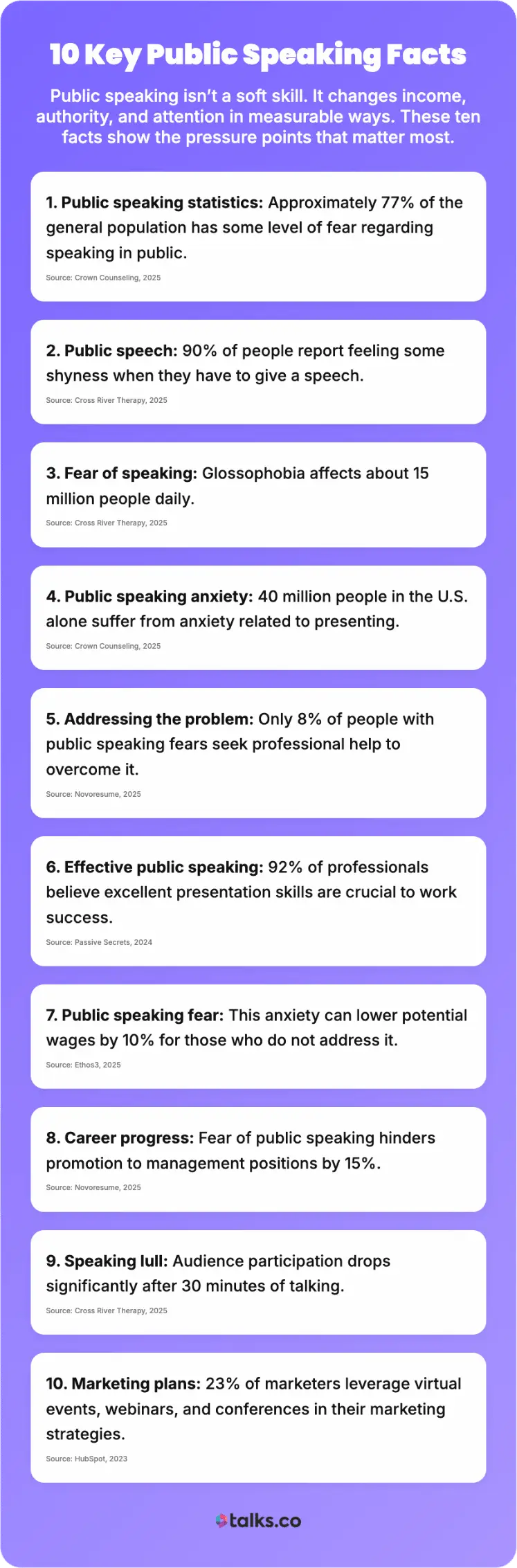
Public speaking isn’t a soft skill. It changes income, authority, and attention in measurable ways. These ten facts show the pressure points that matter most.
- Public speaking statistics: Approximately 77% of the general population has some level of fear regarding speaking in public (Crown Counseling, 2025).
- Public speech: 90% of people report feeling some shyness when they have to give a speech (Cross River Therapy, 2025).
- Fear of speaking: Glossophobia affects about 15 million people daily (Cross River Therapy, 2025).
- Public speaking anxiety: 40 million people in the U.S. alone suffer from anxiety related to presenting (Crown Counseling, 2025).
- Addressing the problem: Only 8% of people with public speaking fears seek professional help to overcome it (Novoresume, 2025).
- Effective public speaking: 92% of professionals believe excellent presentation skills are crucial to work success (Passive Secrets, 2024).
- Public speaking fear: This anxiety can lower potential wages by 10% for those who do not address it (Ethos3, 2025).
- Career progress: Fear of public speaking hinders promotion to management positions by 15% (Novoresume, 2025).
- Speaking lull: Audience participation drops significantly after 30 minutes of talking (Cross River Therapy, 2025).
- Marketing plans: 23% of marketers leverage virtual events, webinars, and conferences in their marketing strategies (HubSpot, 2023).
5 Benefits of Public Speaking Statistics
Numbers can be brutal. Dry. Soul-crushing. But these public speaking statistics are proof you can do better every single time you step up.
They even help you:
- Humanize public speaking fears, knowing that it’s a common struggle.
- Develop creative ways to approach your public speaking events.
- Identify market opportunities where your skills fit in.
- Refine your delivery and connect better with your audience.
- Copy and use these stats to mentor or coach other public speakers on communication.
66 Public Speaking Statistics
Public speaking is where confidence gets tested in public. These 66 statistics show how often professionals hesitate, what causes it, and what leads to stronger outcomes.
Public speaking industry statistics shaping careers, hiring, and visibility
The landscape of public speaking proves it’s no longer a “soft skill.” These statistics show how speaking ability now affects who gets hired, promoted, trusted, and paid, both on virtual stages and inside organizations.
- First impression: It takes only 27 seconds for a speaker to make a good first impression on their audience (Novoresume, 2025).
- Non-verbal communication: Non-verbal cues make up 55% of your communication impact (Passive Secrets, 2024).
- Hook: You have only three seconds to capture audience attention with a slide (Beautiful.ai, 2020).
- Retention: 85% of an audience can remember visually presented content three hours later (Beautiful.ai, 2020).
- Learning preference: 71% of people prefer learning about a brand through a live presentation over reading a blog post (Novoresume, 2025).
- Trends in public speaking: 67.3% of all speeches are now delivered on a virtual stage rather than in person (Novoresume, 2025).
- Marketing strategy: 23% of marketers include virtual events, webinars, and conferences in their marketing plans (HubSpot, 2023).
- Reasons for signing up: 67% of attendees go to online events for unique and compelling topics (Freeman, 2024).
- Professional training: 53% of attendees report that online events are a top choice for training and professional content (Freeman, 2024).
- Public speaking tools: 89% of speakers still use PowerPoint as their primary tool for presentations (Novoresume, 2025).
- Creating a successful presentation: 91% of presenters feel more confident when they have a well-designed slide deck (Beautiful.ai, 2020).
- Design gap: 45% of presenters find it challenging to design layouts for their slides (Beautiful.ai, 2020).
- Engaging content: Interactive content is 70% more effective at engaging audiences (Beautiful.ai, 2020).
- Leadership impact: 58% of top executives believe that being a skilled public speaker enhances their credibility (Harvard Business Review).
- Jobs that require public speaking: 60% of employers consider speaking skills a key competency for their workforce (Novoresume, 2025).
- Importance of public speaking: The importance of speaking skills in the job market has increased by 20% in five years (Novoresume, 2025).
- Job vacancies: 90% of employers struggle to fill vacancies that require strong speaking abilities (Novoresume, 2025).
- Virtual applications: 86% of interviews are now conducted virtually (Gartner, 2025).
- Interviews: 61% of recruiters expect video interviews to replace face-to-face meetings entirely (Novoresume, 2025).
- Public speaking skills: Confident employees are 70% more likely to get promoted to management roles (Novoresume, 2025).
- Public speech: 90% of hiring managers expect remote presentations to continue as a standard practice (Novoresume, 2025).
- Public speaking course: 34% of people improved their skills after using virtual reality training tools (Novoresume, 2025).
- Public speaking development: Training in public speaking can boost your annual salary by 10% (Novoresume, 2025).
Public speaking fear statistics that explain why it’s so common
The latest public speaking fear statistics show just how widespread it is, even among people who appear confident and capable in every other area of life.
- Public speaking anxiety: 75% of the population experiences some level of anxiety regarding speaking to others (Cross River Therapy, 2025).
- Glossophobia: Around 15 million people deal with this specific phobia every single day (Cross River Therapy, 2025).
- Common fear: 80% of the population falls somewhere between being terrified and loving the stage (Cross River Therapy, 2025).
- Speech anxiety: 74% of survey respondents admitted to having speech anxiety (Cross River Therapy, 2025).
- Nervousness: 200 million people in the US feel nervous about talking to others (Cross River Therapy, 2025).
- Shyness: 90% of the population reports some shyness when giving a speech (Cross River Therapy, 2025).
- Imposter syndrome: People with public speaking anxiety say they often feel like an imposter (Supportive Care ABA, 2024).
- Fear of mistakes: One of the main reasons why people have a fear of public speaking is that they’re afraid of making mistakes (Ambitions ABA, 2024).
Public speaking number one fear statistics
After sitting across 400+ guests and hosts, I can easily tell you how much people really go out of their way to avoid it. And these statistics back up my decade’s worth of observation.
- Public speaking number one fear statistics: Public speaking is often ranked as the most common phobia ahead of death (Crown Counseling, 2025).
- Top fears: This fear is consistently among the top three fears in the US (Passive Secrets, 2024).
- Stage fright: 10% of the population are absolutely terrified of speaking in front of people (Novoresume, 2025).
- Intensity of fear: 40% of the population experiences a strong fear of public speaking (Crown Counseling, 2025).
- Speaking in front: 57% of people would do almost anything to avoid getting up in front of an audience (Novoresume, 2025).
- Asking for help: Only 8% of people with these fears seek help (Cross River Therapy, 2025).
Public speaking fear facts and its impact
These fear of public speaking statistics show the impact of public speaking anxiety beyond nerves. You’ll see how high anxiety interferes with how people function, work, and recover before and after being asked to speak.
- Severe cases: Around 5%-10% of people struggle with severe glossophobia that disrupts their lives (Ambitions ABA, 2024).
- Genetic factors: The fear of public speaking can run in the family (Ambitions ABA, 2024).
- Female demographic: 8% of women fear public speaking in the US (Cross River Therapy, 2025).
- Male demographic: 6% of men in America fear public speaking (Cross River Therapy, 2025).
- Forms of anxiety: 89.4% of patients with social anxiety disorder fear public speaking (Cross River Therapy, 2025).
- Sleep loss: About 40% of people with this anxiety lose sleep before a public speaking opportunity (Supportive Care ABA, 2024).
- Physical signs: People with public speaking fears experience rapid heartbeat, sweating, and trembling hands (Ambitions ABA, 2024).
Public speaking anxiety statistics
According to research, this is where nerves cross into something heavier.
You’ll see the mental and emotional toll of public speaking anxiety, including quick-dwindling confidence and deep fear of judgment.
- Onset: People aged 18 or older suffer from public speaking anxiety (Cross River Therapy, 2025).
- Global impact: When it comes to public speaking, the worldwide lifetime prevalence of anxiety and depression disorders is 16.6% (Cross River Therapy, 2025).
- Self-esteem: Individuals with public speaking anxiety often struggle with lower self-confidence (Supportive Care ABA, 2024).
- Judgment fear: Individuals with public speaking fears also worry about being judged (Supportive Care ABA, 2024).
- Panic attacks: If glossophobia gets too severe, it can lead to full-blown panic attacks (Cross River Therapy, 2024).
Want to get better faster? Grab these free resources for public speaking to improve your public speaking skills right now.
Public speaking skills research statistics
Once you manage your fear of public speaking, your performance becomes all about technique that encourages engagement on stage and doubles down on your authority.
- Public speaking skills: 38% of your communication impact comes from your vocal tone (Passive Secrets, 2024).
- Communication in public speaking: 7% of your message is conveyed through words alone (Passive Secrets, 2024).
- Effective public speaking: 90% of the anxiety we feel comes from a lack of preparation (Cross River Therapy, 2025).
- Presenter: 46% of presenters find creating a compelling story the hardest part of preparation (Cross River Therapy, 2025).
- Public speech: 90% of presenters believe that a strong narrative helps with engagement (Cross River Therapy, 2025).
- Compelling story: 55% of presenters believe a great story holds focus during a presentation (Cross River Therapy, 2025).
The fastest way to establish your credibility before speaking? Using these free speaker one sheet examples to build your own and get you booked in just 5 minutes on Talks.
Public speaking study findings
These public speaking statistics highlight how age, exposure, and training influence who worries less, who avoids more, and who improves faster.
- Public speaking study: People spend an average of three to four weeks per year worrying about speaking (Novoresume, 2025).
- Research estimates: 75% of people suffer from speech anxiety before giving a presentation (Corporate Communication Experts, 2017).
- Demographic impact: 69% of people aged 45 and over feel confident compared to younger groups (Cross River Therapy, 2025).
- Study on training: 80% of candidates who register for a course actively avoid speaking situations (Novoresume, 2025).
- Exposure therapy: Statistics reveal that slowly getting exposed to public speaking significantly lessens the prevalence of public speaking anxiety (Ambitions ABA, 2024).
If you’re looking for opportunities to practice, you can learn how to be a good podcast guest to overcome these fears in a controlled environment.
Public speaking survey questions and answers
These survey results expose two realities happening at the same time: how audiences judge speakers in seconds, and how speakers cope with that pressure behind the scenes.
- Perception of presentations: 79% of people believe most presentations are terrible and boring (Novoresume, 2025).
- Speaker expectations: 60% of people say they will not respect a poorly dressed speaker (Novoresume, 2025).
- Foreign accent: 76% of people agree that a speaker with a foreign accent can captivate the audience (Novoresume, 2025).
- Love of public speaking: 10% of the population loves speaking in front of people (Cross River Therapy, 2025).
- Therapy success: People undergo cognitive-behavioral therapy for treating poor public speaking anxiety disorders and phobias (Ambitions ABA, 2024).
- Beta blockers: People take medication to manage public speaking anxiety’s physical symptoms (Ambitions ABA, 2024).
Public speaking students performance statistics
These statistics show how early public speaking fear takes root, how confidence changes with education level, and why many students carry this anxiety into adulthood.
- Students’ public speaking fear: 64% of U.S. undergraduates report a fear of public speaking (Novoresume, 2025).
- Stress factor: In 2025, students continue to cite speaking as a major academic stressor (Crown Counseling, 2025).
- Oral presentation: 80% of UK students agreed that oral presentations are the main source of their social anxiety (Novoresume, 2025).
- Education level: People with a high school diploma or less expressed more fear than college graduates (Cross River Therapy, 2025).
- College graduates: Only 24% of college graduates felt scared about public speaking (Boston University, 2025).
- Students in Finland: One in three Finnish students reports public speaking is a severe problem (Novoresume, 2025).
- Confidence level: Only 25% of 16 to 24-year-olds feel confident speaking (Cross River Therapy, 2025).
How to Manage a Public Speaking Situation
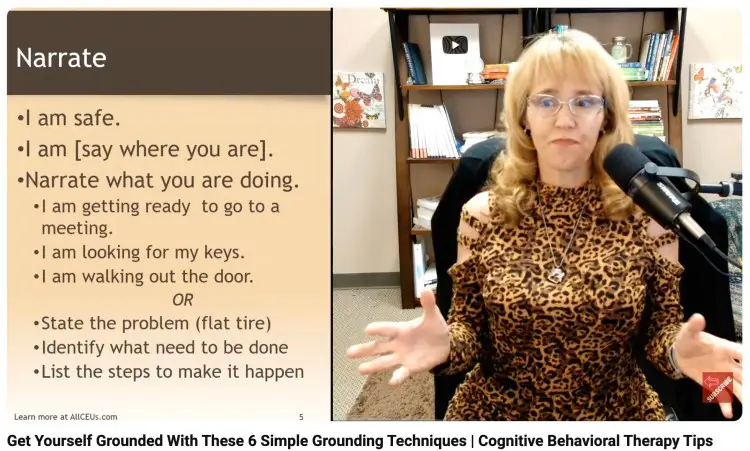
Managing a situation where you must speak in front of an audience requires preparation.
- Learn grounding techniques: Physical symptoms like a racing heart and lack of breath can be managed with breathing exercises or meditation.
- Practice your delivery: Go over your speech at least three to five times. You don’t have to memorize it, but be familiar with the flow of ideas and how you’ll move on stage.
- Visualize success: Imagine being on stage and hearing the crowd’s applause. Having this mental image helps you feel lighter and more confident during your actual speech.
Public speaking situation example
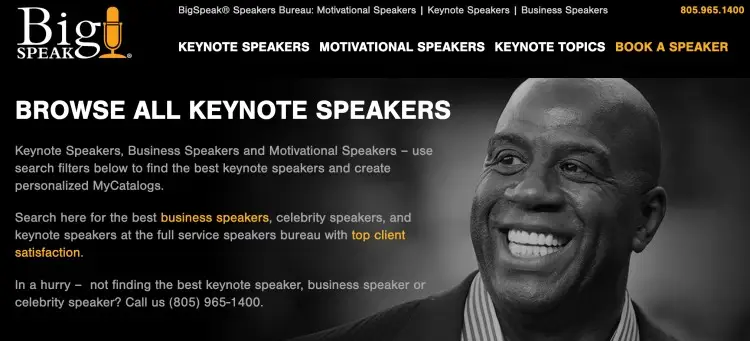
What types of public speaking situations should you be prepared for? Here are some examples:
- Keynote speeches: You’ll headline a conference, deliver the primary address, and set the tone of the event.
- Hosting or becoming an emcee: As the master of ceremonies, you lead the event, keep guests engaged, and keep the program flowing.
- Pitching to investors: You’ll give a presentation about your business idea to secure funding and support.
How to Develop Public Speaking Oral Communication Skills
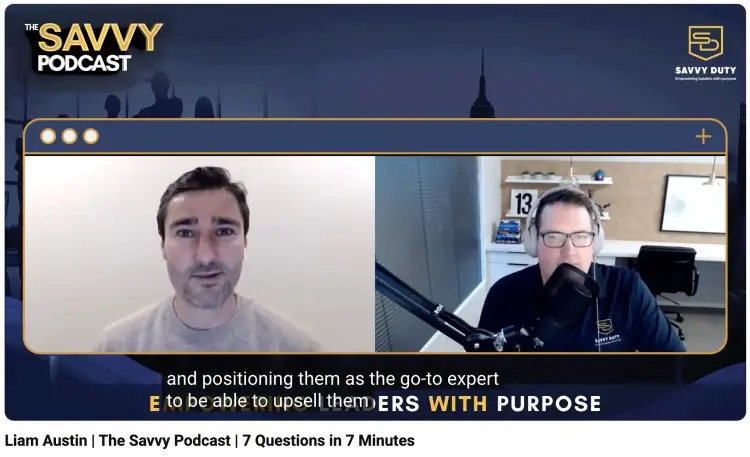
Developing communication skills takes time and intentional practice.
- Record yourself: Hear how you sound to others and find ways to improve your oral presentation skills.
- Grab public speaking opportunities: Volunteering at a local community or speaking as an alumnus in your school? Say yes and refine your voice with practice.
- Hone your online voice: Practice in a controlled environment by hosting a podcast show or becoming a podcast guest. Explore Talks to find opportunities to do both.
- Test public speaking platforms: Look for digital tools you can use to deliver speeches or presentations to an online audience.
- Join a community: Groups like Toastmasters can help you improve your public speaking skills while strengthening your network.
3 Tips for public speaking

Here are some expert tips to improve your public speaking techniques:
- Face your fear: Tony Robbins advocates for challenging yourself, beyond what you think is possible. “What we can or cannot do, what we consider possible or impossible, is rarely a function of our true capability. It is more likely a function of our beliefs about who we are.”
- Convince with emotions, not just facts: Benjamin Ball shows you how a good story or sharing something relatable is the key to changing your audience’s minds. “They’ll listen to what you say if they feel good about what you say.”
- Give your audience the best experience: Harvard reminds you to get out of your head and focus on what really matters. “Know your audience. Your speech is about them, not you.”
Public speaking discussion on anxiety
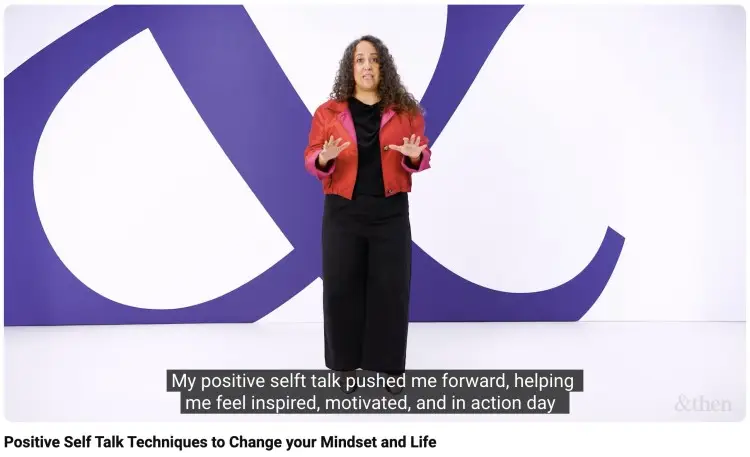
Good news: Discussions on public speaking anxiety prove that you can overcome it. Here are some things you can do to ease the nerves and address the issue:
- Prepare thoroughly: Many speakers freeze because they lack preparation. Avoid this by getting your script ready, going to the venue early, and doing a quick tech check.
- Develop positive self-talk: Affirming thoughts (e.g., “You’re competent”, “You’re exactly where you’re meant to be”) calms you down and boosts your confidence.
- Seek professional help: If the fear is debilitating, go to a medical professional who can treat you properly.
Public speaking stage background
Technology has changed how public speaking events are conducted. Having presentation slides and a stage background is now the norm. Follow these tips to use them confidently:
- Support, not distract: Whether a physical stage or virtual background, make sure they support your message instead of taking away your audience’s attention.
- Prepare visual aids: Don’t copy and paste your script on slides and call it a day. Insert pictures, media, and graphs to illustrate your point.
- Rehearse: Moving on stage or using flashy tech can be confusing. Make sure to test it out more than once before facing an audience.
Let the Numbers Change Your Mind
This public speaking statistics report exists to force better decisions. Real data. Clear patterns. Consequences you can’t ignore.
Public speaking rewards people who treat it like a craft. The fastest way to get booked, get heard, and get better is exposure.
Podcasts give you that environment. Focused attention. Borrowed trust. Proof that you belong in the conversation.
And if it only took 5 minutes, would you do it?
Sign up for Talks right now, use AI matching and search, and get yourself in the room with hosts already booking podcast guests just like you.
Ready for that “Just booked you for my next episode!” DM?
Yes! I Want to Find Podcast Guest Gigs Today!


