Team Development Speakers
You know that uneasy moment when your team feels capable, but something still feels off and you wish an expert could step in to help everyone work together with less friction.
That is usually when people start hunting for team development speakers, but it can be hard to figure out who actually brings practical insight and who just talks in circles.
And if your event or show depends on real substance, choosing the wrong fit can slow everything down fast.
So what should you even be looking for when you want someone who can speak on building stronger teams?
Think clarity, real examples, and guidance your audience can actually use the next day.
I have seen how the right voice can help groups understand what is holding them back and what simple actions can push them forward.
The best team development speakers cut through the noise and speak to managers, founders, and anyone trying to support people working together.
Below, you will find people who do exactly that.
Take a look and see which team development speakers match the style, tone, or message you want.
When you are ready, explore their profiles or book someone who fits your event perfectly.
Top Team Development Speakers List for 2026
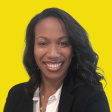
Kaneshi Hart
Transforming first-time managers from chaos to confident leaders

Tyler Clapp
Helping leaders navigate the in-between — the space where what used to work doesn’t anymore, but what to do next isn’t obvious.

Brian Fippinger
Speaker, Best Selling Author, and former Improv Actor who had been coaching leaders for 46 years.

Cath DeStefano
Empowering humans with essential people skills, one connection at a time!

John Verrico
Lighting the way for leaders to share their fire!

Ken Sher
Empowering leaders to thrive through trust and authentic connection

Erin Treacy
Empowering leaders to find clarity and confidence in chaos.

Amber Cabral
Amber Cabral helps people human better at work and beyond.

Alice Van Blokland
Empowering joy, unleashing potential—let's transform together!

Rich Ashton
Common sense advice for developing leaders in small businesses
What Makes a Great Team Development Speaker
A strong team development speaker threads insights together the way a skilled guide would help a group navigate unfamiliar territory. They use relatable examples from technology firms, nonprofit teams, remote groups, or cross cultural operations to show that team growth challenges look different depending on the environment. They move beyond generic views of teamwork and help people see what truly influences productivity and relationships.
They also bring a presence that helps teams feel understood. This does not mean emotional monologues. It means they describe patterns and behaviors so accurately that the audience feels recognized. Many draw from publicly known frameworks used by respected business trainers or leadership thinkers, weaving familiar concepts into fresh, accessible explanations.
And most importantly, a great team development speaker knows when to slow down and when to create momentum. Short punchy insights keep people alert. Longer reflective moments give space for processing. This blend of pacing, relevance, and clarity is what lifts a session from simply informational to genuinely meaningful.
How to Select the Best Team Development Speaker for Your Show
1. Define the specific outcome you want.
- Is your show focused on leadership, collaboration, remote work, or conflict resolution?
- Your choice becomes much easier when you know exactly what transformation you want your listeners to walk away with.
2. Review speaker materials with purpose.
- Look for samples, interviews, or short clips so you can assess their communication style.
- Check their speaker page or professional profile to see how they position themselves and whether that aligns with your show's tone.
3. Use platforms that streamline the process.
- Tools like Talks.co help you quickly compare guests, see bios, and connect hosts with speakers who fit their goals.
- These platforms save time if you want to filter by category, expertise, or audience match.
4. Evaluate fit over fame.
- A well known name can add buzz, but alignment with your message is more important.
- Ask yourself whether the speaker brings actionable insights that your listeners can use the same day.
5. Reach out with a short, clear pitch.
- Let them know what your show covers, why you think they are a match, and what the expected format looks like.
- Speakers appreciate clarity, and a focused message helps you stand out.
Follow these steps and you will quickly narrow the field to someone who adds real value to your audience.
How to Book a Team Development Speaker
1. Start with your availability and format.
- Pick a few dates that work for you instead of just one option.
- Decide whether the session will be live, pre recorded, in person, or virtual.
2. Use discovery tools to find the right match.
- On platforms like Talks.co, filter speakers by topic, style, or region to see who aligns with your goals.
- Review their speaker profile to confirm the type of audiences they typically address.
3. Send a concise booking request.
- Introduce your show or event and share your intended audience and theme.
- Include any technical expectations, such as video setup or required duration.
4. Discuss fees and logistics clearly.
- Some team development speakers have structured pricing, while others adapt based on event size or delivery format.
- Clarify payment terms, rehearsal needs, and what materials they will provide.
5. Confirm everything in writing.
- Recap the agreed time, format, talking points, and deliverables.
- This step reduces friction later, as mentioned earlier in How to Select the Best team development speaker for Your Show.
With this step by step flow, booking becomes smooth, predictable, and a solid experience for both sides.
Common Questions on Team Development Speakers
What is a team development speaker
These speakers typically come from varied backgrounds, such as organizational psychology, executive coaching, HR leadership, or high performance project environments. Because they draw on public frameworks and well known industry practices, their sessions tend to be grounded in approaches that have been widely applied in business and education.
A key part of their role is breaking down the complexity of human collaboration. They explain how groups form habits, how conflict arises, how trust develops, and how leaders can support people through change. Their explanations usually avoid heavy jargon and focus on the kind of clarity that helps teams shift behavior.
They may work in corporate events, conferences, industry summits, virtual training sessions, or online shows. Regardless of the venue, their objective remains consistent... help teams understand themselves so they can perform at a higher level.
Why is a team development speaker important
One reason they are crucial is their ability to introduce neutral language that teams can use to discuss challenges without friction. When a group has shared terms for things like expectations or accountability, conversations become more productive. This is especially helpful for teams working across time zones or cultural backgrounds.
Another reason they matter is the fresh perspective they bring. Internal leaders sometimes struggle to deliver certain messages because they are part of the system. A speaker from outside can highlight patterns and solutions without the weight of internal politics.
Finally, team development speakers create shared momentum. When everyone hears insights together at the same time, it is easier for a group to commit to new habits. This collective shift is often what helps a team move forward more quickly than if each person tried to improve individually.
What do team development speakers do
They research common team challenges and translate them into frameworks that make sense for different types of organizations. For example, a speaker might explain how remote development teams build trust differently from hospitality or manufacturing teams, or how global teams adjust to cross cultural expectations.
Many sessions include interactive elements, such as reflection exercises or scenario based examples, because those tools help teams identify their own patterns. Even when the talk is delivered on a podcast or virtual show, speakers often include prompts that encourage listeners to apply what they just heard.
Some team development speakers also provide follow up materials, templates, or action guides. This helps teams put insights into motion after the talk ends. Whether the audience is a small startup or a large enterprise group, the speaker's goal is to provide clarity that leads to more effective teamwork.
How to become a team development speaker
1. Define your core topic and message. Get specific about the angle you want to focus on within team development: communication frameworks, conflict resolution, distributed team dynamics, or performance habits. The clearer your niche, the easier it is for event hosts to quickly understand where you fit. If you are not sure where to start, look at speakers you admire and reverse engineer their clarity.
- Tip: draft a short positioning statement with the audience, the problem, and the outcome you help create.
- Example: helping remote startup teams strengthen trust and alignment.
2. Build your signature talk. A strong talk is the cornerstone of a speaker brand. You can create a 20 to 45 minute presentation that outlines a simple process or framework teams can use. Structure it with an opening hook, three to five key insights, and a clear takeaway.
- Keep it practical so hosts see the value instantly.
3. Create your speaker page. Platforms like Talks.co make this incredibly simple. Add your bio, topics, intro video, talk descriptions, past appearances, and credibility markers. This page becomes your central hub to connect with hosts and get booked.
- Include an intro video that shows your delivery style. It does not need to be studio quality... clarity and presence matter most.
4. Build relationships with event hosts. Team development content is relevant for HR leaders, company founders, association organizers, and conference planners. Reach out with a short message that highlights the problem you solve. On Talks.co, you can do this directly through the platform.
- Keep messages brief, friendly, and benefit focused.
5. Practice and refine. Use virtual meetups, team trainings, podcasts, and internal company events to test your material. Every time you deliver your talk, tighten a transition or sharpen an example. Improvement compounds quickly, so even a handful of practice sessions can change the quality of your delivery dramatically.
Follow these steps consistently and you will build momentum faster than you expect. Becoming a team development speaker is simply about clarity, visibility, and repetition.
What do you need to be a team development speaker
Content refers to the knowledge base you bring. You do not need decades of executive experience, but you do need a strong understanding of what helps teams function well. Many speakers study organizational psychology, leadership principles, group dynamics, or conflict resolution. Others pull insights from fields like sports coaching or project management. Your value comes from the clarity of the frameworks you share. If a team can apply your ideas right away, you are on the right track.
Delivery is your ability to communicate your message. This does not mean being a high‑energy performer. It means you can explain complex ideas simply and keep an audience engaged. Strong delivery often includes storytelling, examples from a range of industries, and a structure that guides the listener from problem to solution. Video samples help demonstrate your delivery style, which is why many speakers add short clips to their Talks.co speaker page.
Presence is the visibility you create. Speakers who get booked consistently make it easy for hosts to evaluate them. A clean speaker bio, a list of topics, and a clear description of outcomes give organizers confidence. Tools like Talks.co simplify this by letting hosts discover speakers and book them directly. This is especially useful for people who are new to the industry and want to connect with hosts without cold outreach.
When you combine content, delivery, and presence, you have everything you need to establish yourself as a team development speaker.
Do team development speakers get paid
Corporate events often pay the highest fees. Large companies invest in training and development because improved teamwork directly affects productivity and retention. Conferences usually pay mid‑range fees unless the speaker is well known. Community events or early stage meetups often pay little or nothing, but they can still be valuable for building credibility.
Market data shows that professional speakers across leadership, culture, and team topics commonly earn a few thousand dollars per session as they become established. Those with specialized expertise, such as remote team dynamics or cross‑cultural communication, may command higher rates.
Here are a few factors influencing whether team development speakers get paid.
- Experience level, beginners often speak for free while building a portfolio.
- Niche relevance, topics that solve urgent company issues tend to attract paid opportunities.
- Event budget, tech and finance organizations typically pay more than local associations.
- Format, workshops and training sessions usually pay more than short keynotes.
In general, team development speakers do get paid, but fees expand significantly as visibility and specialization increase.
How do team development speakers make money
First, live speaking fees are the most obvious. Conferences, offsites, leadership retreats, and internal company events often budget for team related training. Fees vary, but mid‑level speakers frequently earn several thousand dollars per engagement. Some specialize in remote work or cross‑functional collaboration, which can increase the value of their sessions.
Second, workshops and training programs often produce more consistent income than keynotes. A company might book a speaker for a half‑day or full‑day session focused on communication frameworks or conflict resolution. These sessions usually include facilitation, group exercises, and follow up materials. Because they require more time and customization, they command higher fees.
Third, digital products and licensing are growing income channels. Speakers can offer online courses, templates, toolkits, or team assessments. Companies often license these materials to support internal training. This allows speakers to scale without being physically present.
Fourth, consulting and advisory work often emerges organically. After an event, leaders may ask for help implementing the ideas introduced in the talk. This can turn into multi‑month engagements.
Additional revenue can come from platforms like Talks.co, where speakers can secure more bookings and increase their visibility.
Each of these income streams has different pros and cons.
- Speaking fees, fast income but limited by schedule.
- Workshops, higher earnings but require preparation.
- Digital products, scalable but need marketing.
- Consulting, stable revenue but deeper involvement.
A diversified approach helps team development speakers build consistent, sustainable income.
How much do team development speakers make
At the entry level, many team development speakers charge between 0 and 1,500 dollars per talk. This range is common during the early stages when building a portfolio or testing content. As speakers gain experience and begin booking through platforms like Talks.co, fees typically rise.
Mid‑level speakers, who have a clear niche and a few strong testimonials, often charge 2,000 to 7,500 dollars per event. Workshops or multi‑hour trainings can double or triple these amounts. Companies value practical team development frameworks, so they tend to invest more heavily in longer sessions.
Established professionals, especially those with published books or strong name recognition, may earn 10,000 to 25,000 dollars or more per keynote. If they run consulting or training programs alongside their talks, overall income can reach six figures or higher annually.
Here are some variables that influence income.
- Industry, tech, finance, and healthcare pay higher fees.
- Format, interactive workshops typically pay more than short speeches.
- Geography, North America and Western Europe generally offer higher budgets.
- Visibility, speakers with strong online presence or a Talks.co portfolio get more opportunities.
When you factor in workshops, consulting, and digital products, many team development speakers create a healthy and flexible income structure.
How much do team development speakers cost
For local events, early stage speakers may cost between 500 and 1,500 dollars. This is common for smaller associations, rotary clubs, or professional meetups. These events often use speakers who are growing their experience.
For company offsites or operational team trainings, mid‑range speakers usually charge between 3,000 and 10,000 dollars. These sessions often include interactive elements, customized content, or pre‑event meetings with leadership. Longer workshops can push fees higher, especially when the agenda involves group exercises or assessments.
High profile team development speakers can cost 15,000 to 35,000 dollars or more. This range applies to those who have strong reputations in organizational development or leadership. Some have bestselling books or well known frameworks that companies want to implement.
Here are some factors that influence pricing.
- Duration, a 30 minute keynote costs less than a full day workshop.
- Customization, events that require tailored content usually increase the fee.
- Location, travel, international bookings and multi day engagements add to the cost.
- Event type, conferences often pay less per session than private corporate clients.
Understanding these factors helps organizations match their budget with the right type of team development speaker.
Who are the best team development speakers ever
- Patrick Lencioni, known for his work on team dysfunctions and organizational health, his frameworks are widely used in corporate training.
- Ken Blanchard, co author of The One Minute Manager, he has influenced leadership and team development conversations for decades.
- John Maxwell, a global leadership figure whose teachings on communication and influence often tie directly into team performance.
- Margaret Wheatley, respected for her work on organizational systems and the human side of teams, especially in complex environments.
- Amy Edmondson, known for her research on psychological safety, a core factor in high performing teams across industries.
- Stephen Covey, author of The 7 Habits of Highly Effective People, his principles continue to guide team and leadership development.
- Peter Drucker, while recognized for management thinking, his influence on team dynamics and organizational structures is substantial.
- Daniel Goleman, known for emotional intelligence research, which is central to communication and collaboration.
These speakers shaped generations of team related frameworks and remain highly referenced today.
Who are the best team development speakers in the world
- Simon Sinek, popular for his focus on leadership, purpose, and behaviors that strengthen collaboration.
- Brené Brown, known for her research on vulnerability and trust, essential elements for team cohesion.
- Lencioni Associates speakers, a group expanding on Patrick Lencioni's work with practical team frameworks used worldwide.
- Adam Grant, organizational psychologist whose talks on motivation and collaboration resonate in both startups and large organizations.
- Amy Edmondson, influential in psychological safety research, especially for hybrid and global teams.
- Erica Dhawan, known for her work on digital communication and collaboration in distributed environments.
- Dave Ulrich, a respected voice in leadership and organizational development with a strong global footprint.
- Angela Duckworth, recognized for her work on grit and performance habits that affect team culture.
- Julian Treasure, well known for his communication insights that help teams speak and listen more effectively.
These speakers continue to influence teams across cultures, industries, and organizational structures.
Common myths about team development speakers
Myth 1: Team development speakers only give inspirational pep talks.
Many people imagine these speakers walking onstage, delivering a high energy message, then leaving without contributing anything practical. In reality, the most effective team development speakers bring frameworks used in workplaces across industries like healthcare, fintech, and hospitality. They break down communication models, run interactive exercises, and offer templates that managers can implement the same afternoon. The content often aligns with research from organizational psychology and includes tools such as conflict resolution maps and team role assessments.
Myth 2: They are only relevant for large corporate teams.
This assumption leads small business owners or nonprofit coordinators to think these sessions are not meant for them. The truth looks very different. Startups with five people often benefit the most because their collaboration patterns form early. Rural organizations, distributed volunteer groups, and growing creative agencies use team development speakers to clarify expectations and reduce misalignment before it scales into bigger issues. The size of the team rarely determines the impact... clarity and communication do.
Myth 3: Team development speakers rely on generic content that works for everyone.
Some believe these speakers repeat the same examples and talk tracks on every stage. Skilled professionals tailor their approach, referencing regional cultural norms, hybrid work differences, or sector specific challenges. A speaker working with an entertainment production crew might focus on fast paced coordination, while a speaker working with an engineering team might highlight process consistency. The idea that one presentation fits all simply does not hold up.
Myth 4: Team building and team development are the same thing.
People lump them together, but they serve different purposes. Team building usually focuses on bonding activities. Team development targets skill building, decision making frameworks, collaboration structures, and accountability models. A team development speaker goes far beyond fun exercises, working instead on the systems that help people perform together day after day.
Case studies of successful team development speakers
In another setting, a tech company preparing for rapid expansion brought in a team development speaker to help managers learn how to give feedback more consistently. The speaker used research backed frameworks that many companies reference, introducing a structured three part approach that made feedback feel predictable instead of personal. Managers across departments began having clearer conversations, and teams reported more confidence in how to handle shifting responsibilities.
A different example comes from a hospital network working with multiple care units. The speaker created a narrative around high pressure collaboration, describing how even small misunderstandings can slow down patient care. Using relatable scenarios, they encouraged staff to role play common bottlenecks. These stories and exercises helped team members see each other's pressures more clearly, which improved empathy and coordination. It was not about being motivational... it was about making daily operations smoother.
One more case comes from a creative agency juggling multiple clients with tight deadlines. A team development speaker introduced a workflow mapping exercise. Instead of lecturing, the speaker guided the group through identifying invisible tasks that consumed time but never appeared on project plans. This simple realization allowed the agency to adjust capacity expectations and reduce burnout. The narrative approach made the process feel practical rather than theoretical.
Future trends for team development speakers
One clear direction involves integrating research backed insights with everyday practicality. Many organizations want speakers to combine behavioral science with real world examples, not academic theory alone. This creates opportunities for sessions that bridge scientific understanding and day to day workflow challenges.
Another trend points toward highly personalized content. Instead of preparing a single presentation, speakers increasingly use pre event surveys, quick assessments, or industry benchmarks to tailor each session. Teams expect recommendations that feel designed for their context... not broad principles that could apply anywhere.
Emerging areas also focus on global inclusivity. Teams often include people from multiple cultures, and speakers are adjusting their content so it resonates equally with audiences in Southeast Asia, North America, Africa, and Europe. This shift encourages more nuanced conversations about communication norms, decision making expectations, and collaboration styles.
A few key trends include:
- Increased use of collaborative digital tools, giving participants worksheets and exercises they can revisit later.
- More focus on decision clarity frameworks instead of personality based approaches.
- Training modules that extend beyond a single speaking session, such as micro learning follow ups.
- Sessions designed specifically for hybrid and asynchronous teams, with case examples that reflect modern work patterns.
- Greater emphasis on measurable outcomes, like reduced conflict cycles or improved project turnaround time.
These directions point toward a future where speakers serve as strategic partners rather than one time presenters.
Tools and resources for aspiring team development speakers
1. Talks.co. A podcast guest matching tool that helps new speakers find interview opportunities. These interviews boost credibility and help you practice explaining frameworks clearly.
2. Miro. A visual collaboration platform that allows you to create interactive diagrams. Many team development speakers use it to walk groups through role definitions or workflow mapping.
3. Google Scholar. A useful place to explore research in organizational psychology, teamwork dynamics, and communication. Pulling evidence from well established studies strengthens the depth of your sessions.
4. Canva. Helpful for designing polished slides. Professional visuals keep audiences engaged and make your frameworks easier to follow.
5. Zoom. Ideal for delivering virtual workshops. Use breakout rooms to create small group discussions that mirror in person activities.
6. Notion. A flexible workspace to organize session outlines, storytelling examples, and follow up resources for clients.
7. Typeform. Great for pre event surveys. Collecting information about team challenges lets you tailor your message effectively.
8. Hemingway Editor. A tool that simplifies your writing. Clear scripting improves your delivery during presentations.
Using these resources helps you elevate both content quality and delivery, making your sessions more memorable and more actionable for any audience.
