Workflow Automation Speakers
You know that moment when your team keeps asking how to cut repetitive tasks, but every solution feels scattered or half baked?
If you are trying to bring in a voice that can make sense of it all, you might be wondering how to choose the right workflow automation speakers who can speak clearly without drowning everyone in jargon.
And really, how do you figure out which experts actually help people simplify their work instead of complicating it?
Workflow automation speakers focus on the practical side of getting things done faster and with fewer headaches.
They talk about how teams can reduce bottlenecks, use tools in smarter ways, and build systems that actually stick.
I have seen how the right expert can shift a room by making complex ideas feel obvious, and that is what most organizers want... someone who brings clarity without the fluff.
Here, you will get a sense of what these speakers cover, who they are best for, and how they can support conferences, podcasts, summits, or shows where efficiency and process improvement matter.
Take a look below and find the workflow automation speakers who fit your event, or reach out to book someone who matches what your audience needs.
Top Workflow Automation Speakers List for 2026

Shaun Whynacht
Transforming chaos into clarity, one automation at a time

Adelaide Atakora
From busy to scalable: Unleash AI for exponential business growth!

Brendan Watkins
Transforming chaos into clarity with AI-driven solutions

Christopher White
Staffing & Recruiting Expert, Technologist, Entrepreneur, Podcast Host

Lisa Giesler
Uncluttered and Finding joy and purpose in life's

Steven Ramenby
Unleashing the Potential of AI and ChatGPT for Innovative Learning and Growth
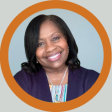
Janet McIntosh
From Busywork to Growth: Simplify, Automate, Grow!

Florian Compe
Simplifying the complex. Scaling the possible.

Sher Downing
Systems strategist who transforms entrepreneurial chaos into creative freedom through decades of real-world experience

Violet Meuter
Helping entrepreneurs achieve new heights and freedom through smart strategy, powerful growth, and a quantum mindset.
What Makes a Great Workflow Automation Speaker
A strong workflow automation speaker blends real industry examples with relatable explanations. One moment they might reference how a distributed team in Southeast Asia streamlines approvals using lightweight automation, and the next they might explain how a solo entrepreneur in South America scales their content publishing with smart triggers. These contrasts help listeners see that automation is not reserved for tech giants. It is accessible to everyone.
A compelling presence also helps. The best speakers use pacing, tone, and thoughtful pauses to let each idea land. They avoid drowning listeners in jargon or racing through processes that feel abstract. Instead, they take their time and allow the audience to consider the possibilities for their own businesses.
Great workflow automation speakers also challenge assumptions gently. They might ask questions like, Have you ever wondered why your team keeps repeating tasks that never change? or What would you do with that extra two hours per week? These questions nudge listeners to reimagine their operations. That spark of imagination often becomes the first step toward transformation.
And finally, they consistently connect the details of automation to broader outcomes. They do not just talk about triggers and integrations. They talk about growth, stability, and freedom, the elements people care about most.
How to Select the Best Workflow Automation Speaker for Your Show
1. Identify your theme and angle. Decide whether your show focuses on strategy, tools, case studies, or behind-the-scenes implementation. This helps you filter speakers who specialize in your angle.
- Tip: Look at each speaker's Talks.co profile or speaker page to see the specific topics they love discussing.
2. Review past content. Many speakers share clips or appear on podcasts. Listen closely to how they explain difficult concepts. Can they break them down clearly? Can they keep you engaged for more than a few minutes?
- Example: A speaker who simplifies automation flows for non-technical founders will land differently than someone who dives straight into advanced scripting.
3. Match their energy with your show's tone. A high-tempo show might need a lively communicator. A thoughtful deep-dive session might require someone with a calmer delivery.
- Consider cultural factors too. If you serve a global audience, choose a speaker comfortable referencing tools and workflows used worldwide.
4. Check availability and logistics early. Some workflow automation speakers work across multiple time zones. Use platforms like Talks.co to streamline scheduling, messaging, and pre-interview coordination.
5. Review feedback from other hosts. If other show creators mention that a speaker offers actionable insights or prepares thoroughly, that is usually a strong sign. This also helps you avoid surprises.
By following these steps, you will select a workflow automation speaker who fits your show's style and delivers meaningful value for your audience.
How to Book a Workflow Automation Speaker
1. Visit their Talks.co speaker page. Many workflow automation speakers use this as their central hub for availability, suggested topics, and booking preferences.
- Tip: Use the built-in messaging system to send a quick intro outlining the concept of your show.
2. Provide a clear invitation. When you contact the speaker, include your show's purpose, who listens, and what you want them to discuss. Transparency saves time for both sides.
- Example: If your show leans toward small business productivity, mention that upfront.
3. Suggest possible dates or ask them to share openings. If you are flexible, say so. It makes scheduling easier and reduces back-and-forth.
- Some hosts on Talks.co use automated scheduling links, which speed up the process.
4. Confirm tech requirements early. Share details like recording tools, mic expectations, internet speed requirements, and how long the session usually runs.
- This step avoids surprises and helps the speaker prepare.
5. Finalize the booking. Once both sides agree, lock in the date, send a confirmation message, and attach a short run-of-show outline.
- As mentioned in How to Select the Best workflow automation speaker for Your Show, preparation improves the quality of the conversation.
With these steps, booking becomes a straightforward, stress-free experience.
Common Questions on Workflow Automation Speakers
What is a workflow automation speaker
At their core, these speakers help demystify software tools that coordinate tasks, trigger actions, and move information from one place to another. Some talk about low-code tools. Others cover enterprise systems or niche automation apps. Regardless of the tools, their goal is the same, to make automation understandable and practical.
Many workflow automation speakers present on conference stages, online summits, virtual events, and podcasts. They often break down how businesses replace manual steps with automated flows. They may walk through examples from industries like healthcare, logistics, content marketing, and education, helping audiences connect the concepts to their own operations.
Some speakers emphasize strategy while others lean into technical demonstrations. Both approaches work depending on the audience. What matters most is that a workflow automation speaker translates operational challenges into clear opportunities for improvement.
This makes them valuable guides for anyone wanting to work more efficiently or embrace modern digital tools.
Why is a workflow automation speaker important
These speakers also help audiences understand how automation fits into real scenarios. Think of global supply chains that rely on consistent data handoffs, or content creators who batch and schedule everything to maintain output without burnout. When a speaker breaks these examples down step by step, listeners begin to see where automation could slot into their own routines.
Another key element is clarity. People often browse automation tools without knowing which ones actually apply to their needs. A workflow automation speaker explains not only what the tools do but how to think about choosing them. This guidance reduces wasted time and costly missteps.
Additionally, workflow automation speakers help teams shift their mindset. Instead of asking, How do I get this done manually, they ask, How can I reduce effort and increase consistency. This strategic shift impacts productivity in both small and large organizations.
As the digital landscape evolves across industries, having someone articulate the possibilities helps leaders and creators make informed decisions.
What do workflow automation speakers do
Many workflow automation speakers teach audiences how triggers, conditions, and sequences work across different platforms. For instance, they may walk through how a marketing team uses automated tagging to segment customers, or how a remote customer service team uses routing automation to manage tickets faster. These explanations highlight real uses rather than abstract theory.
They also stay updated on trends in automation technology. When new tools or features launch, workflow automation speakers help audiences understand what the updates mean and how they can be applied. This context matters for beginners as well as tech-savvy teams.
In addition, they deliver talks, workshops, virtual summit sessions, and podcast interviews. Each setting requires a different approach. A workshop might involve step-by-step walkthroughs, while a podcast might focus on strategic insights.
Beyond teaching, workflow automation speakers encourage people to rethink how they spend time. They help listeners identify opportunities where automation can create smoother operations, clearer communication, and more predictable outcomes.
How to become a workflow automation speaker
1. Define your angle inside the automation space.
- Workflow automation covers everything from Zapier and Make to enterprise-level automation like UiPath and Nintex. Pick a focus so hosts and event planners know exactly what you bring to the table.
- Example: You might position yourself as the expert who helps small retail businesses streamline inventory tasks, or as someone who teaches marketing teams how to automate lead nurturing.
- Sub-tip: Check existing speaker pages on Talks.co to see how others position themselves.
2. Build a signature talk.
- Create one core presentation that demonstrates your value. This is the talk you will refine over time.
- Outline the problem, show the automation solution, and then highlight real-world outcomes. Event hosts love clarity.
- Sub-tip: Include a simple workflow example from tools like Airtable Automations or Zapier that beginners can understand.
3. Create a speaker profile.
- Set up a dedicated speaker page on your website or on Talks.co so hosts can instantly grab your bio, topics, and headshot.
- Include your audience types, sample questions you can answer, and links to previous appearances if you have them.
4. Network with podcast hosts and virtual event organizers.
- Talks.co is built for this, so use it to connect with people actively looking for guests.
- Reach out proactively on LinkedIn to hosts who already interview productivity or tech speakers.
- Send tailored messages that explain why workflow automation matters for their audience.
5. Practice on smaller stages first.
- Join community meetups, niche podcasts, and online summits focused on productivity, SaaS, or solopreneurship.
- These smaller platforms help you test and polish your delivery.
- Sub-tip: Ask hosts for individual clips of your best moments so you can add them to your speaker page.
6. Keep improving your content.
- Tools and workflows evolve quickly. Review your examples every few months.
- Watch talks from well-known productivity or automation experts to study their structure.
- As your presence grows, connect with more hosts and organizers on Talks.co to reach new audiences.
What do you need to be a workflow automation speaker
Strong domain knowledge is the foundation. You do not have to be a senior engineer, but you must understand how workflows function and how different tools connect. Many speakers focus on platforms like Zapier, Make, HubSpot automation, or Power Automate. What matters most is your ability to explain why automation solves bottlenecks and how teams can use it effectively.
The next requirement is communication skill. You can know automation inside out, but if you cannot communicate it in a clear and low-jargon way, event hosts will struggle to match you with their audiences. This is where building structured frameworks helps. You might explain automation using steps like trigger, action, data flow, and outcome. Simple structures make your talks memorable.
You also need a public presence. A speaker page on Talks.co or your own site acts as your storefront. Hosts want a quick overview: your talk titles, the audiences you serve, your bio, and your availability. This makes it far easier for organizers to decide whether your expertise fits their event.
Finally, credibility supports everything. This can come from case studies, published guides, interviews you have done, or results you can explain. Even if you are early in your speaking journey, you can highlight small wins like helping a freelancer automate onboarding or showing a nonprofit how to save hours with email automation. Real examples show that your ideas work.
Do workflow automation speakers get paid
Many speakers in this niche do receive compensation, especially for corporate events that require subject matter expertise. Workflow automation skills are highly valued because businesses often pursue efficiency gains. Corporate organizers typically pay because they expect actionable insights that tie directly to productivity.
Virtual events, including summits and webinars, sometimes pay but not always. Smaller organizers might offer exposure instead of compensation. The upside is that these stages still help speakers build a portfolio, which can lead to paid opportunities later.
Podcasts rarely pay speakers, although a few shows with large audiences may offer honorariums. However, speaking on podcasts can lead to downstream monetization through consulting work or training sessions.
Key factors that influence payment include:
- Event budget.
- Speaker's experience and demand.
- Relevance of workflow automation to the event's theme.
- Whether the talk includes custom training components.
How do workflow automation speakers make money
The most common revenue source is paid speaking engagements. Corporations, software companies, and industry conferences often pay for expertise that helps attendees reduce operational waste. Fees are influenced by experience, presentation quality, and the event's scale.
Another revenue stream is consulting or implementation services. When audiences hear a speaker explain a workflow problem they recognize, they often reach out for hands-on help. This makes speaking a strong lead generation tool.
Online courses and workshops create another income channel. Speakers who teach automation frameworks can sell training programs for teams or individuals. Platforms like Teachable, Kajabi, or corporate LMS systems help distribute these courses.
Some speakers also earn through affiliate partnerships. If they explain automation tools like Pabbly, Zapier, or Make, they can provide referral links during talks. These links generate ongoing commissions when attendees sign up.
Income sources may include:
- Paid stages.
- Consulting retainers.
- Corporate training sessions.
- Digital course sales.
- Affiliate revenue.
How much do workflow automation speakers make
Entry level speakers often earn between 0 and 1,500 dollars per talk, mostly on smaller virtual stages. Many of these early engagements focus on exposure or portfolio building. Events emphasizing startup productivity or small business communities often fall into this tier.
Mid tier speakers, who have a track record of talks and a strong digital footprint, tend to earn 2,000 to 7,500 dollars per engagement. Their value is tied to providing actionable content and frameworks that improve workflow efficiency.
High tier speakers, especially those known for automation expertise or thought leadership, may earn 10,000 to 25,000 dollars per keynote. Corporate training sessions may go even higher when including half day or full day workshops.
Typical ranges include:
- Small virtual events: 0 to 500 dollars.
- Mid tier conferences: 2,000 to 7,500 dollars.
- Large industry conferences: 10,000 to 25,000 dollars.
- Corporate training packages: 5,000 to 50,000 dollars.
How much do workflow automation speakers cost
For startup communities, online events, and smaller meetups, fees are relatively low because budgets are limited. These events typically seek practical guidance rather than a major keynote performance. In these cases, organizers may pay a few hundred dollars or offer promotional exchange.
Professional conferences and corporate events allocate larger budgets since workflow automation is directly tied to operational efficiency. These organizers expect polished frameworks, case studies, and customized examples. As a result, costs tend to be significantly higher.
Training sessions, especially those requiring hands-on demos or workflow mapping exercises, often cost more than keynotes. These sessions are perceived as direct investments into internal process improvement.
Common cost ranges include:
- Small community events: 0 to 500 dollars.
- Mid size entrepreneurial conferences: 1,000 to 5,000 dollars.
- Corporate keynotes: 7,500 to 20,000 dollars.
- Custom team workshops: 10,000 to 40,000 dollars.
Who are the best workflow automation speakers ever
1. David Allen: Known for 'Getting Things Done', his ideas around structured productivity have influenced countless automation frameworks.
2. Chris Dancy: Often called the most connected person in the world, he has shared automation insights across personal and professional contexts.
3. Ari Meisel: His 'Less Doing' philosophy intersects heavily with workflow automation and operational efficiency.
4. Paul Jarvis: While known for digital minimalism, he has spoken extensively about automating business tasks for solo professionals.
5. Tim Ferriss: His focus on eliminating repetitive tasks inspired many automation trends, especially in digital business.
6. Marie Poulin: Recognized for her work in systems thinking and tool based workflows, especially with Notion.
7. Salim Ismail: Known for exponential organizations and systems that scale through automation.
Who are the best workflow automation speakers in the world
1. Chris Dancy: Highly sought after for his insights into digital behavior and automated systems.
2. Zapier Leadership Team Members: Various executives and evangelists from Zapier often speak about practical automation use cases.
3. Make Platform Evangelists: Well known for demonstrating advanced workflow solutions across industries.
4. Ari Meisel: Continues to speak internationally about optimizing business operations using automation tools.
5. Marie Poulin: A global voice in workflow design, system mapping, and tool integration.
6. Salim Ismail: Known worldwide for talking about scalable systems and automation inside exponential organizations.
7. April Dunford: While known for positioning, she frequently integrates automation themes into her talks about process clarity.
8. Experts from UiPath and Microsoft Power Automate: These professionals speak across global conferences on enterprise automation.
Common myths about workflow automation speakers
Another belief is that workflow automation speakers always push expensive enterprise tools. That misses a huge part of the picture. Look at well known advocates of no-code solutions, such as creators in the Zapier or Airtable communities. They consistently highlight tools that small businesses can adopt quickly with minimal budget. Plenty of speakers make a point of showing how a basic rules engine or a two-step trigger can save hours each week. The cost barrier is much lower than people expect.
A third myth centers on the assumption that automation speakers promote replacing humans. The nuance often gets lost here. In many industries, from ecommerce fulfillment to real estate onboarding, speakers emphasize how automation supports teams by handling repetitive tasks so people can focus on high value work. It is about productivity and consistency, not elimination. For example, a retail team in Southeast Asia used simple messaging automation to ensure customers get accurate updates without staff needing to monitor every request manually.
Some audiences also believe that workflow automation speakers are only relevant to large Western companies. This is not accurate, and it overlooks the global spread of automation across regions with limited resources. Many African startups, for instance, use lightweight automation to streamline logistics, while Latin American creators rely on automation to grow digital service businesses. Speakers in this field often highlight accessible frameworks that work across different economic environments.
There is also a lingering myth that once you automate something, it is set forever. Experienced automation strategists are quick to push back. Markets shift, team structures change, and customer expectations evolve... so reviewing and updating workflows becomes part of the long term strategy. The best speakers teach continuous improvement rather than one and done fixes.
Case studies of successful workflow automation speakers
Another memorable moment takes place during an online event where a well known automation strategist describes how a creative agency in Europe grew without hiring extra admin staff. The agency was drowning in client requests and shifting deadlines. By introducing automated intake forms, tagging rules, and approval flows, they cut wasted time without losing their personal touch. Hearing the speaker walk through the before and after reveals how simple triggers can support artistic teams without turning them into robots.
In a different setting, a speaker focused on small business operations tells the story of a family run logistics company in rural Australia. They relied on handwritten notes to track deliveries for years. With automation, every delivery update synced to a central dashboard and customers received real time SMS notifications. The transformation did not require expensive equipment. It was guided by a speaker who knew how to match tech to the environment and keep things easy to maintain.
At a tech conference in Singapore, another speaker captured attention by describing how a mid sized manufacturing firm used automated defect tracking. Instead of waiting for weekly reports, the team received instant alerts when production patterns changed. This allowed them to fix issues quickly and reduce waste. The way the speaker unfolded the narrative, step by step, helped the crowd visualize how data driven automation supports older industries too.
Future trends for workflow automation speakers
Data centric automation is also emerging as a major theme. Speakers are beginning to highlight how small organizations can use predictive insights without needing enterprise level analytics teams. This shift grows as accessible AI tools help teams forecast demand, adjust scheduling, or personalize customer interactions on the fly. It is not hypothetical... it is becoming manageable for everyday users.
Another area to watch is automation literacy for non technical audiences. Many companies now push for universal training so that anyone, not just analysts, can design workflows that solve their own problems. Speakers will likely introduce new frameworks that make automation intuitive for professionals in fields like education, hospitality, and field services.
Expect more conversations around responsible automation as well. Transparency, data handling, and human oversight are becoming top of mind for global organizations. Speakers who can translate these concerns into practical guidelines will shape how teams adopt automation sustainably.
Key trends on the horizon include:
- Broader adoption of no code automation across small and mid sized teams.
- Unified workflow layers that sit on top of existing tools.
- AI assisted optimization that suggests improvements in real time.
- Increased focus on ethical and culturally aware automation practices.
- More global viewpoints as speakers from emerging markets join major stages.
Tools and resources for aspiring workflow automation speakers
1. Zapier. A go to for simple automation experiments. Use it to build sample workflows you can showcase in your presentations.
2. Make. A visual automation builder that helps you demonstrate more advanced scenarios. Great for sessions where you want audiences to see how data flows between tools.
3. Airtable. Useful for organizing your speaking content, tracking event outreach, or showing audiences how databases can power automation.
4. Notion. Perfect for creating your own knowledge hub... outlines, examples, scripts, and process templates all in one place.
5. Talks.co. A podcast guest matching tool that helps you get booked on shows so you can refine your message and build authority in the automation niche.
6. Loom. Ideal for recording walkthroughs or practice runs of your talks. It also lets you create mini tutorials that event organizers can share with their audiences.
7. Google Trends. A surprisingly effective resource for discovering what people are searching for in automation topics. This helps you tailor your content so it resonates with current needs.
8. LinkedIn Learning. A solid place to stay updated on automation tools across different industries since many courses highlight practical, step by step examples.
Exploring resources like these not only sharpens your expertise but also gives you fresh material to illustrate your ideas when speaking to beginners or more advanced audiences.
