Celebrity Speakers
Some moments call for a voice people instantly recognize, and finding that person can feel tougher than it should be.
You might be scrolling through names wondering which celebrity speakers actually fit your event, your format, or your audience.
And how do you figure that out without sinking hours into guesswork?
Celebrity speakers can add familiarity and curiosity to any lineup, but not every well known name is the right match for every stage or show.
I've seen how a strong fit pulls people in quickly, while a mismatch leaves everyone unsure why the guest was there in the first place.
So it helps to get clear on what different celebrities offer, how they communicate, and what types of conversations they shine in.
This page gives you a simple way to compare styles, topics, and personalities so you can choose someone who brings energy, clarity, and a point of view your audience will connect with.
Take a look through these featured celebrity speakers and see who feels right for your next event or booking.
Top Celebrity Speakers List for 2026

Susie Pearl
Survivor of brain cancer, healed tumour with NDE, seen the after life, sharing wisdom for living fully.

Perry Jones
From Bold Visions to Big Returns: Your Success Story Starts Here!

Theo Kapodistrias
Award-winning Speaker + Lawyer, TEDx professional, and MC

Steve Sapato
The most famous unfamous Emcee in America

Brian Fippinger
Speaker, Best Selling Author, and former Improv Actor who had been coaching leaders for 46 years.

Diane Prince
Startup expert with experience launching, growing, and monetizing businesses up to $50 million.
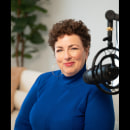
Jill Lublin
Media Magnet, International Speaker, 4x Best-Selling Author

Jerry Fletcher
Consultant Marketing MASTER guiding successful clients from Nobody to Somebody

Christiaan Willems
How to NOT to come across as a 'Complete Dick' in your Business Videos

Leisa Reid
I train Coaches & Entrepreneurs how to use speaking to attract their ideal clients
What Makes a Great Celebrity Speaker
A strong celebrity speaker usually thrives on purpose-driven storytelling. They pull from widely known moments in their career, public decisions they've made, or cultural events they're connected to, then shape those references into something useful for the audience. Short, punchy thoughts keep attention high, while longer, descriptive reflections help people actually process the lesson. This blend creates a rhythm that carries listeners along.
Another thing that sets top-tier celebrity speakers apart is their ability to read the energy of a diverse room. Whether they are speaking to tech founders, nonprofit organizers, or a global corporate team, they make small but meaningful shifts in tone or emphasis. Curious people often ask how they do this. The simple answer is that they prepare with intention. They learn about the audience, consider different cultural backgrounds, and adjust their message so it lands clearly for everyone.
Finally, the best celebrity speakers bring a sense of grounded authenticity. They don't hide behind PR polish or reheated scripts. Instead, they connect by being openly human. You might hear a pause as they rethink a point or lean into a personal insight, not as a manufactured moment but as a genuine piece of who they are. That honesty, combined with skill, builds trust fast.
How to Select the Best Celebrity Speaker for Your Show
1. Define your show's purpose.
- What is the core outcome you want the audience to walk away with?
- Are you aiming for inspiration, tactical advice, entertainment, or credibility building?
- Get this nailed down first, because every other decision depends on it.
2. Match the celebrity speaker's relevance to your target audience.
- Review how their public work aligns with your show's focus. A well known athlete might fit an entrepreneurial mindset episode, but a well known chef might be a better fit for creativity or resilience topics.
- Check their recent interviews, videos, or social content so you know their voice, tone, and themes.
3. Validate their speaking experience.
- Some celebrities excel at conversation while others shine on stage but not in interview formats.
- Look for past talks at conferences, podcasts, livestreams, or panels.
- On platforms like Talks.co, review their speaker page and any available clips so you understand the format they handle best.
4. Assess fit with your show's logistics.
- Consider availability, time zone, remote setup quality, and budget.
- Some celebrity speakers require prep calls, specific tech, or topic sensitivity.
- Make sure your production flow can support their needs without stressing your team.
5. Reach out efficiently.
- Many hosts use Talks.co because it connects hosts and guests directly without complicated back and forth.
- If they are represented by an agency, follow the listed process and make your pitch short, specific, and outcome focused.
By following these steps, you eliminate guesswork and increase the chance of landing someone who genuinely elevates your show.
How to Book a Celebrity Speaker
1. Start with a strong outreach message.
- Keep it concise and valuable. Open with what your show is, who it's for, and why this speaker is a natural fit.
- Highlight your audience size, your distribution channels, and the specific angle you want them to speak about.
- If you use Talks.co, the booking workflow lets you include all this in a quick structured request.
2. Confirm logistics early.
- Proposed date options, length of appearance, recording format, and any tech requirements should be listed clearly.
- If you need them to address a precise theme, include that but allow flexibility so they can shape the talking points.
- Ask about approval processes if they require a manager or PR sign off.
3. Review terms and handle agreements.
- Some celebrity speakers appear for a fee, some for charity, and some for exposure based opportunities.
- Make sure the payment or exchange is explicit to avoid misunderstandings later.
- If needed, send a simple agreement listing responsibilities on both sides. This keeps everyone aligned.
4. Schedule a prep call.
- Use this time to refine the topic, verify the run of show, and confirm flow.
- You can also clarify pronunciation, sensitive topics to avoid, or any audience specifics that matter.
- The goal is to help them walk in confident and ready.
5. Support them on event day.
- Provide clear access links, a quick tech check, and a short briefing before you go live.
- Once everything is complete, follow up with appreciation and deliverables like event metrics or recording links.
This process keeps the experience smooth for both you and the celebrity speaker. As mentioned in the selection section, having clarity upfront makes the entire booking experience easier.
Common Questions on Celebrity Speakers
What is a celebrity speaker
What sets a celebrity speaker apart from a standard industry expert is the level of cultural recognition they bring. A fitness icon, a world champion athlete, or a globally known musician has a different type of influence simply because their audience reach extends beyond niche communities. That visibility becomes part of the value they offer.
A celebrity speaker's role is usually to communicate ideas in a way that blends insight with personal perspective. While they often address topics they are publicly known for, they may also speak on broader themes such as leadership, resilience, branding, or life transitions. This flexibility makes them suitable for a wide range of events.
Some celebrity speakers build full speaking careers, appearing regularly at conferences or corporate gatherings. Others speak occasionally, choosing opportunities that align with their brand or personal mission. In either case, the combination of public recognition and communication skill is what defines them.
Why is a celebrity speaker important
The credibility that comes with public recognition can also help hosts, event organizers, or brands elevate their positioning. A celebrity speaker reinforces trust in the event, which often increases attendance, viewership, or engagement. For example, a well known actor discussing mental health can bring awareness to topics that might otherwise struggle to reach mainstream audiences.
Another reason celebrity speakers are valuable is the speed at which they can amplify a message. Their public platforms, media relationships, and built in audience networks expand the reach of any appearance. This makes them especially useful for launches, awareness campaigns, or major announcements.
Finally, a celebrity speaker adds variety and perspective. They share experiences that are uncommon for most people, whether drawn from competitive sports, large scale productions, or international public work. Those perspectives introduce fresh angles that help audiences think differently.
What do celebrity speakers do
In many cases, celebrity speakers deliver keynote talks at conferences or summits. These talks may focus on achievement, discipline, creativity, public influence, or lessons learned from high pressure environments. When the format shifts to interviews or podcasts, they often dive deeper into conversation, offering context that goes beyond what people usually see in media.
Celebrity speakers can also support campaigns or initiatives. A well known activist might appear at a nonprofit fundraiser, a tech founder might speak at a startup incubator, or an entertainer might join a global awareness event. Their presence boosts visibility and helps align the message with something audiences already understand.
On platforms like Talks.co, celebrity speakers may participate in virtual interviews that connect them with hosts looking for recognizable voices. They might record sessions asynchronously, join live streams, or collaborate on educational content. Each format allows them to share expertise, encourage new thinking, or help a show reach a broader audience.
In essence, celebrity speakers share recognizable perspectives in ways that support learning, engagement, and connection across a wide range of contexts.
How to become a celebrity speaker
1. Clarify your signature expertise.
- Pin down the specific topic people will associate with you. Celebrity speakers are recognizable because their expertise is unmistakable. You might focus on leadership, entertainment, peak performance, social change, sports insights, or brand building.
- Create a tight one-liner that captures what you speak about. For example: 'Helping founders scale without burnout' or 'Turning entertainment storytelling into business influence.'
- Sub-tip: Review top profiles on Talks.co to see how high visibility speakers define their niche.
2. Build a compelling speaker page.
- A strong speaker page shows event hosts exactly what they will get from booking you. Include your headline topics, sample talk titles, audience outcomes, and a short bio that highlights public credibility.
- Add high quality photos and at least one tight demo video. Even if you are just getting started, film a short talk in a professional setting.
- Example elements that help: press mentions, podcast appearances, audience testimonials, industry awards.
3. Grow your public presence consistently.
- Celebrity speakers become recognizable because they show up in many places. You can build authority through podcasts, online summits, media mentions, LinkedIn content, or hosting your own virtual events.
- Use Talks.co to connect with hosts who are actively seeking experts. Getting booked often accelerates the shift from expert to public figure.
- Sub-tip: Regular content in a single category helps people understand exactly what you represent.
4. Network intentionally with event hosts and influencers.
- High visibility speaking is relationship driven. Reach out to event organizers, podcast hosts, industry community leaders, and summit creators.
- Send a short message describing how your topic can help their audience. Include your speaker page link to make it easy.
- Over time, these relationships compound and often lead to bigger stages.
5. Secure notable appearances and build social proof.
- Celebrity-level speakers often break through once they land a few big interviews or keynotes. That credibility encourages more invitations.
- Start with mid-sized events in your niche. As you accumulate clips and testimonials, pitch established conferences and summits.
- Use each appearance to refine your core message and speaking style.
6. Expand your brand beyond the stage.
- Celebrity speakers usually have books, shows, podcasts, or major collaborations that reinforce their status.
- You do not need these from day one, but building toward them strengthens your long-term positioning.
- Think in terms of an ecosystem that keeps your voice visible even when you are not on stage.
What do you need to be a celebrity speaker
The first requirement is a clear and distinct area of expertise. People should know immediately what you represent and what transformation your presence promises. For some, that might be entrepreneurial strategy. For others, it could be entertainment insights, social impact, health leadership, or sports performance. The more focused your identity, the easier it is for event organizers to place you.
The second requirement is a public platform. Celebrity speakers maintain influence through consistent appearances: podcasts, online summits, media features, or large social channels. Your speaker page plays a crucial role here because it functions as your digital storefront. A well built page on Talks.co or a personal site can demonstrate authority, include media clips, and make it simple for event hosts to book you. When hosts and guests connect in a streamlined way, your visibility increases.
Another key requirement is a strong signature talk. This is not just a presentation. It is a polished narrative wrapped around a core promise. A well developed signature talk helps you scale across different types of events because it is clear, repeatable, and outcome oriented. Audiences remember it, and hosts trust it.
Finally, you need a network that supports recurring opportunities. Celebrity speakers often grow through relationships, introductions, and consistent engagement with communities aligned with their message. Whether you build these relationships online or at industry gatherings, the network effect helps you climb toward higher visibility and larger stages.
Do celebrity speakers get paid
From an analytical perspective, celebrity speakers operate within a highly competitive marketplace. Many events allocate a portion of their budget specifically for high visibility speakers because these names can boost attendance or sponsorship interest. Data from conference industry reports often shows that headliners receive the largest portion of speaker fees.
Several factors influence whether a celebrity speaker gets paid and how much:
- Name recognition and audience appeal.
- Sector demand, such as business, entertainment, technology, or sports.
- Event type, including corporate conferences, summits, or nonprofit galas.
- Travel requirements or production needs.
There are exceptions. Some celebrity speakers waive their fee for causes they support or for strategic opportunities that offer high visibility. However, most engagements at larger conferences or corporate events include payment because organizers expect the draw to justify the cost.
In short, yes, celebrity speakers generally get paid, but the specific circumstances and context determine the final arrangement.
How do celebrity speakers make money
One primary source is paid keynote speaking. Corporate conferences, tech summits, entertainment expos, leadership retreats, and industry festivals often allocate significant budgets for headliner speakers. Fees vary based on audience size, event prestige, and the speaker's influence.
Another source is related media and content. Celebrity speakers frequently monetize books, online courses, subscription communities, or brand partnerships. These income streams expand their earning potential beyond the stage. Data from the publishing industry shows that authors with strong speaking platforms often experience higher book sales due to event exposure.
Additional revenue streams include:
- Sponsorship deals tied to their speaking presence.
- Licensing of previously recorded talks.
- Private consulting or advisory roles.
- VIP experiences or meet and greet packages.
Some speakers also generate income through partnerships facilitated by platforms like Talks.co, where hosts and guests connect for high visibility interviews. These interviews can drive attention toward the speaker's broader business ecosystem.
Overall, celebrity speakers use their public presence as the anchor for multiple related income streams. Speaking fees are just one part of a larger revenue model.
How much do celebrity speakers make
At the top end, globally recognized figures such as entertainment icons, political leaders, elite athletes, or bestselling authors may earn anywhere from 100,000 dollars to 500,000 dollars or more per keynote. These rates are usually reserved for major corporate conferences or large scale events.
Mid tier celebrity speakers, including TV personalities, high profile entrepreneurs, and well known influencers, typically earn 20,000 dollars to 80,000 dollars per appearance. Their fees reflect audience reach, social influence, professional achievements, and brand strength.
Below that level, emerging celebrity speakers might make 5,000 dollars to 20,000 dollars per talk, depending on their stage experience and media presence. Some supplement their income with workshops, consulting, or book sales.
Several elements influence the final number:
- Travel and production requirements.
- Length and format of the appearance.
- Whether the speaker participates in additional sessions.
- Regional price differences.
These figures can shift based on market demand. Corporate events often pay more than community conferences. Entertainment panels may pay more than academic gatherings. Global regions also vary, with North America and parts of Europe offering some of the highest rates.
How much do celebrity speakers cost
High profile celebrity speakers often command between 100,000 dollars and 500,000 dollars for a single keynote. These are individuals who draw attendance simply by being on the agenda. Event organizers allocate these fees as part of their promotional strategy.
Mid level celebrity speakers typically cost 20,000 dollars to 80,000 dollars. Many conferences prefer this tier because it balances audience appeal with cost. These speakers often include well known business founders, best selling authors, notable media personalities, or top industry leaders.
At the entry level of celebrity visibility, rates commonly range from 5,000 dollars to 20,000 dollars. In these situations, the speaker might have a strong online presence or a significant following, but may not yet be a global household name.
Additional factors can increase total cost:
- First class travel or specific accommodation requirements.
- Meet and greet sessions.
- Extended appearances such as panels or workshops.
- Licensing rights for recording or distributing the talk.
Event organizers budget accordingly, often securing sponsors to offset higher speaker costs if the name adds significant promotional value.
Who are the best celebrity speakers ever
1. Oprah Winfrey: Recognized globally for influential storytelling and personal development insights.
2. Tony Robbins: Known for high energy performance style and large scale motivational events.
3. Michelle Obama: Widely respected for leadership, education advocacy, and global influence.
4. Richard Branson: Often featured for entrepreneurship lessons and corporate innovation.
5. Brené Brown: Influential researcher with a strong focus on vulnerability and courage.
6. Simon Sinek: Popular for leadership frameworks rooted in purpose driven communication.
7. Malcolm Gladwell: Known for analytical storytelling that blends sociology, psychology, and culture.
8. Gary Vaynerchuk: Speaker focused on digital marketing and entrepreneurial strategy.
9. Serena Williams: Celebrated for athletic excellence and resilience.
10. Trevor Noah: Known for insightful social commentary and global perspective.
Who are the best celebrity speakers in the world
1. Yuval Noah Harari: Israeli historian known for deep perspectives on humanity and technology.
2. Indra Nooyi: Indian American business leader recognized for corporate strategy and leadership insights.
3. Chimamanda Ngozi Adichie: Nigerian author known for talks on culture, identity, and storytelling.
4. Jack Ma: Chinese entrepreneur focused on technology, global markets, and business resilience.
5. Jane Goodall: British ethologist and environmental advocate with a wide international following.
6. Satya Nadella: Global tech leader known for organizational transformation insights.
7. Trevor Noah: South African comedian and commentator known for global cultural perspectives.
8. Deepak Chopra: Indian American wellness leader with a worldwide audience.
9. Mo Gawdat: Egyptian author and former tech executive focused on happiness engineering.
10. Gary Kasparov: Russian chess grandmaster known for strategy, conflict awareness, and global political insight.
Common myths about celebrity speakers
Another persistent belief suggests that celebrity speakers always come with unreachable fees. Yes, some command large honorariums, but that is hardly the entire picture. Many participate in nonprofit events, virtual summits, or brand collaborations where compensation is structured differently or negotiated based on reach, scheduling, or alignment with a cause. Event organizers often discover that rates vary widely by niche, country, and format, especially when speakers aim to expand into new markets.
A third myth paints celebrity speakers as unavailable or impossible to contact. Agencies and platforms simplify the process with verified profiles, response time estimates, and clear booking steps. Even well known names often maintain teams dedicated to outreach because they rely on a steady flow of aligned opportunities. This means early stage organizers or educators can absolutely reach them when the value proposition is clear.
There's also the idea that celebrity speakers cover only entertainment centric topics. In truth, many have experience that intersects with entrepreneurship, leadership, activism, mental health, or technology. Public figures from sports bring insights into resilience under pressure, while chefs highlight operations and creativity. The key is recognizing the broader context of their expertise instead of assuming a narrow angle.
Lastly, some believe that celebrity speakers can't personalize their message. Skilled professionals tailor stories to diverse audiences by drawing from public experiences, cultural relevance, and industry specific examples. If anything, their visibility pushes them to adapt more intentionally so they can connect with corporate teams, students, or global communities alike.
Case studies of successful celebrity speakers
Shift to the tech world for another example. A prominent entrepreneur who built a globally recognized software platform steps into keynote roles after years of public interviews and panel appearances. At first, the content centers on the product, but gradually the talks evolve into broader conversations about innovation culture, leadership in fast moving sectors, and responsible scaling. The storytelling mix of challenge, data, and vision keeps landing invitations from conferences across Asia, Europe, and North America.
Then consider a musician known for chart topping hits who starts addressing creativity workshops. The story often begins with childhood curiosity, then moves into touring life and the tension between commercial demands and artistic integrity. Instead of a lecture, the speaker paints a picture that resonates with designers, marketers, and creators in any field... because the underlying theme is about sustaining originality under pressure.
You might also think of activists or humanitarian figures who became prominent through global campaigns. Their speeches follow a different rhythm, weaving together on the ground experiences, community stories, and practical pathways for change. This style provides a blueprint for organizers who want to bring emotional impact together with actionable steps.
Across each example, the pattern is clear: celebrity speakers excel when they translate public visibility into purposeful storytelling. They build meaningful arcs, adjust their tone for different audiences, and use relatable moments from their public work rather than relying on fame alone.
Future trends for celebrity speakers
Another emerging shift involves reach. More events are hybrid or fully virtual, which means celebrity speakers participate in formats that weren't common a decade ago. As global access increases, audiences expect more cultural awareness and localized examples. A celebrity from sports might speak to a group in Southeast Asia about teamwork, then switch to a corporate event in Europe discussing decision making under high pressure.
Technology also influences delivery. Several trends are shaping expectations:
- Greater use of interactive Q&A formats that create real time engagement.
- More interest in short, modular talks instead of long lectures.
- Growth in translated or subtitled sessions for international audiences.
- Expansion of micro events where a celebrity speaker delivers targeted insights to small private groups.
There's also rising demand for cross industry relevance. Celebrity speakers who once focused on a single topic now explore adjacent themes: mental wellness, sustainability, digital identity, brand building, or even AI literacy. The variety reflects what audiences want... a mix of perspective, inspiration, and strategic clarity.
All these shifts point toward a future where celebrity speakers navigate multiple platforms, integrate broader forms of expertise, and collaborate with event hosts in more flexible ways.
Tools and resources for aspiring celebrity speakers
1. Talks.co. A matching platform that connects speakers with podcast hosts. Helpful for getting early visibility or expanding into new niches. Use it to test different angles of your story and refine your talking points based on host feedback.
2. MasterClass. Provides high quality teaching from well known figures across industries. Study how public personalities craft compelling narratives. The production style offers a good reference point for pacing and tone.
3. Canva. A flexible design tool for creating slide decks, promo graphics, and media kits. Aspiring speakers often need branded materials to send to event organizers, and Canva keeps the process quick.
4. SpeakersBase. A directory where speakers can build profiles and showcase topics, videos, and credentials. It helps emerging speakers establish credibility in markets where they are not yet widely recognized.
5. YouTube Creator Studio. A practical space to upload speaking clips, analyze viewer behavior, and adjust delivery style. Short highlight videos often help event planners understand your approach.
6. Otter.ai. A transcription tool for capturing and refining content. Record your practice sessions, then turn those transcripts into structured outlines for talks.
7. LinkedIn. A key platform for speaker discovery. Share short clips, insights from interviews, or summaries of topics you cover. Event organizers often use LinkedIn as a research tool.
8. Trello. Useful for organizing bookings, talk variations, and collaboration with your team or manager. Simple boards make it easier to keep track of logistics, follow ups, and custom requests from event hosts.
Using these resources together helps aspiring celebrity speakers clarify their message, increase reach, and maintain professional systems as opportunities grow.
