Employment Equity Speakers
You've got the stage, the audience, and the message... but you're stuck on who should deliver it.
You want someone who gets why equity matters, but also knows how to speak to a crowd that might not be fully there yet.
So how do you find the right employment equity speakers who can actually connect, inform, and inspire?
You're not just looking for a resume. You're looking for someone who can make bold topics feel human, urgent, and clear.
That's where employment equity speakers come in. These are people who've spent years thinking about systemic fairness, workplace access, and representation - and know how to talk about it without losing the room.
I've seen how the right speaker can completely shift how a team or audience approaches inclusion.
This page will introduce you to standout employment equity speakers who know their stuff, speak with clarity, and bring stories that stick.
Whether you're booking for a podcast, summit, or internal event, you'll find voices here worth listening to.
Scroll down to explore our featured employment equity speakers or book someone for your next event.
Top Employment Equity Speakers List for 2026

Marleen Potgieter
Transforming Workplace Culture with Marleen Potgieter: Your Bullying & Harassment Expert

Joan Michelson
Harnessing the power of sustainable innovation

Rikki Arundel
Award winning Keynote and virtual Speaker, Speaking/TEDx/Storytelling Coach and Gender and LGBTQ Inclusion expert.

Charles Taylor
Empowering voices, celebrating freedom—one story at a time.

Sharon Love
Inspire, empower, and thrive—unlock your speaking superpowers
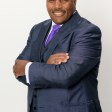
Lyman Montgomery
Bridging faith, culture, and leadership — one real conversation at a time.

Cathy Holt
Empowering women to lead boldly and transform communities

Irma Goosen
Empowering Change Through Immigrant Stories - Championing Leadership & Innovation

Christian F. Nunes
Transforming voices into movements for equity, safety, and justice.

Theo Kapodistrias
Award-winning Speaker + Lawyer, TEDx professional, and MC
What Makes a Great Employment Equity Speaker
Great employment equity speakers don't just inform - they inspire action. They blend deep subject matter expertise with storytelling that resonates across industries. Whether they're addressing a room full of HR executives in Toronto or startup founders in Nairobi, they know how to tailor their message. Someone like Dr. Shirley Davis, for example, doesn't just recite data - she weaves in lived experiences, case studies, and cultural nuance.
But it's not all about charisma. The best speakers are also great listeners. They engage with the audience, respond to questions thoughtfully, and create space for dialogue. That's especially critical in equity conversations, where trust and openness are key.
And let's not forget preparation. The most impactful speakers do their homework. They understand the audience's context - whether it's a corporate leadership summit or a virtual panel for small business owners - and they come ready to speak directly to those needs.
So if you're wondering what separates a decent speaker from a great one, it's this: the ability to make equity real, relatable, and relevant to everyone in the room.
How to Select the Best Employment Equity Speaker for Your Show
1. Define Your Goals and Audience
- Are you aiming to educate, inspire, or challenge your audience?
- Is your audience made up of HR professionals, small business owners, educators, or policymakers?
- Tip: The clearer you are on your goals, the easier it will be to find someone who aligns.
2. Search Strategically
- Use platforms like Talks.co to browse speaker profiles by topic, region, and availability.
- Look for speakers who have experience with your type of audience. For example, someone who's spoken at SHRM events may be ideal for a corporate HR crowd.
- Tip: Check out their speaker page for videos, testimonials, and previous topics.
3. Evaluate Content and Delivery Style
- Watch at least one full talk or interview. Are they engaging? Do they balance facts with storytelling?
- Look for speakers who can adapt their tone - someone who's great on a TEDx stage might not be the best fit for a casual podcast.
4. Check for Cultural and Regional Relevance
- If your audience is global, choose someone who understands cross-cultural dynamics.
- For local events, consider speakers with regional expertise (e.g., Indigenous equity advocates in Australia or BIPOC leaders in the U.S.).
5. Reach Out and Ask the Right Questions
- Ask about their approach to sensitive topics, how they handle Q&A, and whether they tailor content.
- Tip: Use Talks.co's messaging feature to connect directly and streamline the vetting process.
By following these steps, you'll not only find a speaker who's knowledgeable, but one who truly connects with your audience and elevates your show.
How to Book a Employment Equity Speaker
1. Start with a Shortlist
- Use a curated platform like Talks.co to find vetted employment equity speakers.
- Filter by availability, location (if in-person), and topic expertise.
- Tip: Save your top 3-5 picks to compare later.
2. Reach Out with a Clear Ask
- When you message the speaker (or their agent), include:
- Date and time of your event or recording.
- Audience type and size.
- Format (keynote, panel, podcast, etc.).
- Budget range (if applicable).
- Tip: Be upfront about whether it's paid or promotional. Transparency builds trust.
3. Confirm Fit and Logistics
- Schedule a quick call to confirm alignment.
- Ask about tech requirements, preferred formats, and any customization options.
- Tip: If you're using Talks.co, you can handle scheduling and confirmations right on the platform.
4. Send a Speaker Agreement
- Even for free gigs, a simple agreement helps clarify expectations.
- Include:
- Deliverables (e.g., 30-minute talk + 15-minute Q&A).
- Promotion details (e.g., will you promote them on social media?).
- Cancellation policy.
5. Prep Together
- Share audience insights, sample questions, or themes in advance.
- Offer a tech check if it's virtual.
- Tip: A little prep goes a long way toward a smooth, impactful session.
Once booked, keep communication open. A well-prepared speaker is a confident speaker - and that means a better experience for your audience.
Common Questions on Employment Equity Speakers
What is a employment equity speaker
At their core, employment equity speakers specialize in addressing systemic barriers that affect marginalized groups in employment settings. This includes race, gender, disability, age, sexual orientation, and more. They might speak at corporate events, government forums, university panels, or virtual summits.
Unlike general diversity speakers, employment equity speakers focus specifically on workplace structures and how to make them more inclusive and just. For example, someone like Janice Gassam Asare might talk about how unconscious bias affects promotion decisions, while another speaker might focus on pay transparency laws in the EU.
These speakers often come from backgrounds in HR, law, sociology, or lived experience. Some are researchers; others are consultants or former executives who've led equity initiatives in large organizations. What unites them is a commitment to practical, actionable change.
So if you're planning an event or podcast that touches on workplace fairness, an employment equity speaker brings both the expertise and the voice to guide that conversation meaningfully.
Why is a employment equity speaker important
First, they help organizations understand the 'why' behind equity initiatives. It's one thing to implement a diverse hiring policy - it's another to understand how that policy affects real people and long-term outcomes. A speaker can bring that to life with stories, data, and frameworks.
Second, they create safe spaces for tough conversations. Whether it's addressing racial bias in hiring or the gender pay gap, these topics can be uncomfortable. A skilled speaker knows how to navigate them with empathy and authority, making it easier for teams to engage honestly.
Third, employment equity speakers often introduce new perspectives that leadership teams may not have considered. For example, a speaker from a rural Indigenous community in Canada might highlight barriers that urban-centric policies overlook. That kind of insight can reshape strategies.
Finally, they inspire action. After hearing someone break down how systemic inequities operate - and what can be done about them - audiences are more likely to take concrete steps. That could mean revising job descriptions, launching mentorship programs, or rethinking promotion criteria.
In short, these speakers aren't just educators - they're catalysts for change. And in a world where equity is increasingly a business imperative, that makes their role essential.
What do employment equity speakers do
1. Deliver Keynotes and Workshops
- They speak at conferences, webinars, and internal company events.
- Topics might include inclusive hiring practices, pay equity, or dismantling systemic bias.
- Example: A speaker might present at a global HR summit on how to audit promotion pipelines for racial disparities.
2. Facilitate Difficult Conversations
- They guide discussions around sensitive issues like discrimination, privilege, and representation.
- This often involves interactive Q&A, breakout sessions, or moderated panels.
- Example: A speaker might lead a town hall on gender identity inclusion in a healthcare organization.
3. Provide Strategic Insights
- Many speakers also consult or advise on policy development and organizational change.
- They may help companies design equity goals or review internal practices.
- Example: A speaker with a legal background might help a startup navigate new pay transparency laws.
4. Share Research and Lived Experience
- They bring a mix of data, case studies, and personal narratives to illustrate complex issues.
- This helps audiences connect emotionally and intellectually.
- Example: A speaker might share their journey as a neurodivergent employee navigating corporate culture.
5. Inspire and Motivate
- Beyond facts and frameworks, they energize teams to take action.
- They often close events with a call to action or roadmap for next steps.
Whether they're speaking to a boardroom in London or a virtual audience in Manila, employment equity speakers help people see what's possible - and how to get there.
How to become a employment equity speaker
1. Define Your Niche and Message
- Employment equity covers a wide range of topics: racial justice, gender parity, disability inclusion, LGBTQ+ rights, and more. Choose your core focus.
- Tip: Use real-world data and stories to back your message. For example, highlight how pay gaps persist in tech or how hiring biases affect Indigenous communities.
2. Build Your Expertise
- You don't need a PhD, but you do need credibility. That could mean:
- Working in HR, DEI, or organizational development.
- Publishing articles or whitepapers.
- Leading initiatives in your company or community.
- Consider certifications like Cornell's Diversity and Inclusion Certificate or SHRM's Inclusive Workplace Culture credential.
3. Create a Speaker Page
- Your speaker page is your digital business card. Include:
- A compelling bio.
- Topics you speak on.
- Video clips or testimonials.
- Contact info or booking form.
- Platforms like Talks.co make it easy to set this up and get discovered by event organizers.
4. Start Speaking (Even If It's Free at First)
- Look for local meetups, webinars, podcasts, or nonprofit events.
- Use these gigs to build your reel and get feedback.
- Record every talk. Even a 2-minute clip can help you land your next booking.
5. Network with Hosts and Other Speakers
- Join speaker communities on LinkedIn or Facebook.
- Use Talks.co to connect with event hosts looking for employment equity speakers.
- Reach out to DEI professionals or HR leaders who organize panels.
6. Scale Up
- Once you've got a few talks under your belt, start charging.
- Pitch to conferences, corporate events, and universities.
- Consider writing a book or launching a podcast to expand your reach.
Remember, your voice matters. And with the right tools and strategy, you can turn your passion for equity into a powerful speaking career.
What do you need to be a employment equity speaker
1. Subject Matter Expertise
Employment equity is a nuanced topic. Speakers must understand:
- The history and evolution of workplace equity laws (e.g., Title VII in the U.S., Employment Equity Act in Canada).
- Current DEI (Diversity, Equity, and Inclusion) trends and challenges.
- Intersectionality and how different identities experience workplace bias.
You don't need to be a lawyer or academic, but you should be able to speak confidently about these issues with real-world examples and data.
2. Communication Skills
Being a great speaker means knowing how to:
- Engage diverse audiences, from corporate execs to grassroots activists.
- Use storytelling to make complex issues relatable.
- Handle tough questions with grace and clarity.
Practicing in Toastmasters, taking public speaking courses, or watching top TED Talks can sharpen your delivery.
3. A Platform to Promote Yourself
You need visibility. A speaker page on platforms like Talks.co helps event hosts find you. Your page should include:
- A clear bio that highlights your experience and values.
- Topics you cover (e.g., inclusive hiring, unconscious bias, pay equity).
- Testimonials or clips from past talks.
4. A Network of Allies
Employment equity is a collaborative space. Connect with:
- DEI consultants.
- HR professionals.
- Other speakers and activists.
These connections can lead to referrals, co-speaking gigs, or panel invitations.
5. Authenticity and Lived Experience
Audiences resonate with speakers who bring personal insight. Whether you've faced discrimination or led change in your organization, your story can be a powerful tool-as long as it's shared with purpose and context.
In short, being an employment equity speaker is about combining knowledge with heart, and using your voice to inspire change in workplaces around the world.
Do employment equity speakers get paid
Factors That Influence Payment
- Experience Level: New speakers may speak for free or a small honorarium. Established speakers can command thousands per event.
- Event Type: Corporate keynotes typically pay more than nonprofit panels or community workshops.
- Format: In-person keynotes often pay more than virtual webinars, though the gap is narrowing post-2020.
Typical Payment Ranges
| Speaker Level | Event Type | Typical Fee Range |
|---|---|---|
| Emerging Speaker | Local nonprofit | $0 - $500 |
| Mid-Level Speaker | University panel | $500 - $2,000 |
| Expert Speaker | Corporate keynote | $3,000 - $10,000+ |
- Pros:
- Income diversification.
- Professional validation.
- Opportunity to scale into consulting or training.
- Cons:
- Competitive market.
- Some DEI events have limited budgets.
- Requires ongoing marketing and networking.
Alternative Compensation
Sometimes, speakers are compensated with:
- Travel and accommodation.
- Access to new audiences or clients.
- Sponsorships or product placements.
In summary, yes-employment equity speakers can and do get paid. But like any speaking niche, it takes time to build your brand and command higher fees.
How do employment equity speakers make money
1. Paid Speaking Engagements
This is the most direct route. Speakers are hired to present at:
- Corporate DEI trainings.
- Conferences and summits.
- University lectures.
- Government or NGO events.
Fees can range from a few hundred to tens of thousands of dollars, depending on the speaker's profile and the event's budget.
2. Workshops and Training Programs
Many employment equity speakers offer half-day or full-day workshops. These are often more interactive and tailored to specific organizational needs.
- Example: A speaker might lead a 3-hour session on inclusive hiring practices for a tech company.
- These sessions can command higher fees than keynotes due to their depth and customization.
3. Consulting and Advisory Roles
Some speakers transition into DEI consulting. They help organizations:
- Audit their hiring and promotion practices.
- Develop equity policies.
- Train leadership teams.
This work is often project-based and can be a significant income source.
4. Books, Courses, and Digital Products
Speakers often monetize their expertise through:
- Self-published books or eBooks.
- Online courses (e.g., via Teachable or Udemy).
- Toolkits or templates for HR teams.
5. Affiliate Partnerships and Sponsorships
If a speaker has a strong online presence, they might:
- Partner with DEI software companies.
- Promote relevant products or services.
- Host sponsored webinars or podcasts.
6. Talks.co and Other Marketplaces
Platforms like Talks.co help speakers get discovered by event hosts. These platforms often allow speakers to set their rates, manage bookings, and build visibility.
So while speaking is the core, the smartest employment equity speakers treat it as part of a broader business model that includes training, consulting, and content creation.
How much do employment equity speakers make
Income Ranges
- Entry-Level Speakers: Those just starting out, often speaking at local events or nonprofits, may earn $0 to $500 per event. Many do this to build their portfolio.
- Mid-Level Speakers: With some experience and a speaker page on platforms like Talks.co, they might charge $1,000 to $3,000 per talk.
- Top-Tier Speakers: Well-known experts or authors in the DEI space can earn $5,000 to $20,000+ per keynote, especially for corporate or international events.
Annual Income Estimates
| Speaker Type | Events/Year | Avg. Fee/Event | Estimated Annual Income |
|---|---|---|---|
| Emerging | 10 | $300 | $3,000 |
| Mid-Level | 25 | $2,000 | $50,000 |
| High-Demand Expert | 40 | $7,500 | $300,000 |
As mentioned in 'How do employment equity speakers make money', many speakers also earn from:
- Workshops ($2,000 to $10,000 per session).
- Consulting retainers ($3,000 to $15,000/month).
- Online courses or books (varies widely).
Variables That Affect Earnings
- Location: Speakers in the U.S., Canada, and U.K. often command higher fees than those in smaller markets.
- Industry: Tech, finance, and healthcare tend to have larger DEI budgets.
- Reputation: Media appearances, published work, or TEDx talks can significantly boost earning potential.
In short, the income potential is real-but it depends on how you package your expertise, market yourself, and diversify your offerings.
How much do employment equity speakers cost
Cost Ranges by Type of Event
| Event Type | Speaker Level | Typical Cost Range |
|---|---|---|
| Local Nonprofit Panel | Emerging | $0 - $500 |
| University Lecture | Mid-Level | $1,000 - $3,000 |
| Corporate Workshop | Expert | $5,000 - $15,000 |
| Global Conference | High-Profile Expert | $10,000 - $25,000+ |
- Speaker's Experience: A speaker with a bestselling book or major media presence will cost more.
- Customization: Tailored workshops or industry-specific content often come with a higher price tag.
- Format: Virtual talks are generally less expensive than in-person events, though this gap is shrinking.
- Duration: A 20-minute keynote costs less than a full-day training.
- Travel and Logistics: For in-person events, expect to cover travel, lodging, and per diem.
Budgeting Tips for Organizers
- Use platforms like Talks.co to compare speaker rates and availability.
- Consider co-hosting with a partner organization to split costs.
- Ask if the speaker offers package deals (e.g., keynote + breakout session).
Hidden Costs to Watch For
- AV requirements (e.g., microphones, projectors).
- Licensing fees if you're recording the session.
- Post-event consulting or follow-up sessions.
In summary, employment equity speakers can fit a range of budgets, but the more experienced and customized the talk, the higher the investment. It's worth it when you're aiming for real impact.
Who are the best employment equity speakers ever
- Angela Davis: A scholar and activist, Davis has spoken extensively about systemic inequality, including in employment. Her intersectional approach has shaped generations of equity advocates.
- Gloria Steinem: Known for her feminist activism, Steinem has long addressed gender equity in the workplace. Her talks blend historical insight with practical advocacy.
- Nelson Mandela: As a global icon for justice, Mandela's work on dismantling apartheid included a strong focus on economic and employment equity in South Africa.
- bell hooks: Her lectures and writings on race, gender, and class have deeply influenced how we talk about equity in education and employment.
- Jane Elliott: Famous for her Blue Eyes/Brown Eyes experiment, Elliott has delivered powerful talks on workplace bias and systemic racism.
- Malcolm X: Though more radical in tone, Malcolm X's speeches addressed economic justice and employment discrimination head-on.
- Sheryl Sandberg: While more corporate-focused, Sandberg's advocacy for women in leadership has sparked global conversations about gender equity in the workplace.
- Bryan Stevenson: Founder of the Equal Justice Initiative, Stevenson's talks often connect criminal justice reform to broader employment and economic disparities.
- Kimberlé Crenshaw: The originator of the term 'intersectionality', Crenshaw's work has been pivotal in shaping how employment equity is understood across multiple identities.
Who are the best employment equity speakers in the world
- Dr. Nene Molefi (South Africa): A global DEI consultant and speaker, Molefi brings an African perspective to employment equity, focusing on cultural intelligence and inclusive leadership.
- Ritu Bhasin (Canada): A leadership coach and speaker known for her work on authenticity and inclusion, Bhasin blends personal storytelling with corporate insight.
- Asif Sadiq (UK): Chief Diversity, Equity and Inclusion Officer at Warner Bros. Discovery, Sadiq is a frequent keynote speaker on global equity strategies.
- Minda Harts (USA): Author of 'The Memo', Harts speaks on advancing women of color in the workplace. Her talks are especially resonant in corporate America.
- Michelle King (New Zealand): Former Director of Inclusion at Netflix and author of 'The Fix', King speaks globally on gender equity and workplace systems.
- Dr. Pragya Agarwal (UK/India): A behavioral scientist and author, Agarwal speaks on unconscious bias and intersectionality with a global lens.
- Kike Oniwinde Agoro (UK): Founder of BYP Network, she speaks on racial equity and Black professional advancement, especially in tech and finance.
- Tiffany Jana (USA): Co-author of 'Overcoming Bias', Jana is known for engaging, data-driven talks on equity, inclusion, and systemic change.
- Sheree Atcheson (Ireland/Sri Lanka): A global inclusion leader in tech, Atcheson speaks on building equitable systems in fast-paced industries.
These speakers bring diverse voices, lived experiences, and global perspectives to the employment equity conversation-making them some of the most impactful voices in the world today.
Common myths about employment equity speakers
1. They only speak to HR professionals.
This one's common, but off the mark. While HR teams often bring in employment equity speakers, their message is just as relevant to leadership, operations, marketing, and even product development. For example, when Airbnb brought in inclusion experts to consult and speak across departments, it wasn't just HR that benefited. Product teams used the insights to redesign host policies that reduced discrimination.
2. They're all academics or legal experts.
Sure, some employment equity speakers come from legal or academic backgrounds, but many are practitioners, entrepreneurs, or community leaders. Take someone like Lily Zheng, who blends consulting experience with research to deliver actionable insights. Or consider speakers from grassroots organizations who bring lived experience and practical frameworks that resonate with frontline teams.
3. They're too 'political' for corporate audiences.
This myth assumes that employment equity is inherently divisive. But the best speakers know how to tailor their message to the audience. They focus on business impact, team performance, and measurable outcomes. Companies like Salesforce and Accenture regularly host these speakers because they understand the ROI of equity-focused strategies.
4. They only talk about race or gender.
Equity is multi-dimensional. Employment equity speakers often address disability inclusion, neurodiversity, ageism, LGBTQ+ equity, and more. For instance, Caroline Casey, founder of The Valuable 500, speaks globally on disability inclusion in the workplace. Her talks go far beyond just one axis of identity.
5. They're just motivational.
While inspiration can be part of the package, most employment equity speakers are deeply strategic. They bring data, frameworks, and implementation tactics. Think of them more like consultants with a microphone than cheerleaders. They challenge assumptions and offer tools to drive systemic change.
Case studies of successful employment equity speakers
Then there's Dr. Victor Santiago Pineda, a disability rights advocate and policy expert. His keynote at the World Economic Forum wasn't just a speech - it was a roadmap. He laid out a framework for inclusive urban employment that was later adopted by city councils in both Toronto and Dubai. His ability to connect policy, business, and lived experience makes him a standout in the field.
In South Africa, Thuli Madonsela, former Public Protector and now a prominent employment equity speaker, has used her platform to push corporate boards toward more transparent hiring and promotion practices. After her address at a Johannesburg leadership summit, several mining and telecom firms began publishing their equity metrics publicly - a move that's still rare in the region.
And don't overlook speakers like Mita Mallick, who blend corporate experience with storytelling. Her sessions often include real-world case studies from her time leading DEI at Unilever. She doesn't just talk about what should be done - she shows what has worked, what hasn't, and why. That kind of candor builds trust and drives change.
These speakers succeed not because they check a box, but because they bring clarity, courage, and actionable insight. Whether they're addressing a boardroom in Berlin or a virtual summit in Nairobi, they meet audiences where they are and move them forward.
Future trends for employment equity speakers
First, expect more industry-specific equity talks. Generic DEI keynotes are being replaced by tailored sessions that address the unique challenges of sectors like fintech, logistics, or healthcare. For example, a speaker addressing equity in AI hiring algorithms will be far more relevant to a tech firm than a broad overview of workplace bias.
Second, virtual-first formats are here to stay, but with a twist. Audiences are demanding more interactivity: think live polling, breakout discussions, and real-time feedback loops. Employment equity speakers who can facilitate rather than just present will be in high demand.
Third, global perspectives are becoming essential. Companies operating across borders want speakers who understand cultural nuance. A North American-centric approach won't cut it for firms with teams in Lagos, Mumbai, and São Paulo. Speakers fluent in regional equity dynamics will have a serious edge.
Fourth, metrics and accountability are front and center. Talks that include frameworks for measuring equity outcomes - not just intentions - are gaining traction. Expect more speakers to integrate tools like equity scorecards, pay equity audits, and promotion gap analyses into their sessions.
Key trends to watch:
- More B2B-focused equity messaging (especially in supplier diversity and inclusive procurement).
- Rise of multilingual speakers who can bridge cultural and linguistic gaps.
- Integration of AI and data analytics into equity storytelling.
- Growing demand for speakers who can address neurodiversity and mental health inclusion.
The future isn't just about who's speaking - it's about how and what they're delivering. And the bar is rising.
Tools and resources for aspiring employment equity speakers
1. Talks.co. This podcast guest matching tool is a goldmine if you're looking to get booked on shows that align with your message. Use it to test your material, build your audience, and get discovered by event organizers who scout podcast guests.
2. SpeakerHub. A platform where you can list your profile, get discovered by event planners, and access speaking opportunities globally. Tip: Optimize your profile with keywords like 'employment equity', 'inclusive hiring', and 'diversity metrics' to get found by the right people.
3. Canva. For slide decks that don't look like they were made in 2005. Use their templates to create visually engaging presentations that support your message without overwhelming your audience.
4. LinkedIn Creator Mode. Turn on Creator Mode to highlight your speaking topics, publish thought leadership posts, and get inbound speaking invites. Post short clips from your talks, share equity insights, and engage with DEI communities.
5. Notion. Organize your speaking topics, client notes, and post-event feedback in one place. Create a content calendar to track when and where you've spoken, and what resonated most.
6. Otter.ai. Use this for transcribing your talks or podcast interviews. Great for repurposing content into blog posts, LinkedIn articles, or even a speaker one-sheet.
7. Equity in the Center. A nonprofit offering frameworks and resources like the 'Awake to Woke to Work' model. Useful for grounding your talks in proven methodology.
8. Google Scholar. Want to back up your message with research? Search for peer-reviewed studies on employment equity, systemic bias, and organizational change. Citing data can elevate your credibility with more analytical audiences.
Use these tools not just to get booked, but to refine your message, build authority, and deliver talks that actually move the needle.
