Empty Nest Syndrome Speakers
The moment your attendees start asking for support around life transitions, you probably feel the pressure to bring in someone who really understands that shift.
And if you have never booked empty nest syndrome speakers before, you might be unsure where to even start.
What makes one speaker click with an audience while another feels off?
How do you figure out who can talk about identity, change, and family dynamics in a way that feels real and grounded?
You want someone who keeps things honest, who can speak to the mix of relief and confusion people feel when they hit this stage.
I have seen how much stronger a room gets when the right voice steps in with clarity and warmth, especially on a topic that can be unexpectedly emotional for many.
This guide shows you what these speakers do well, who they tend to resonate with, and why they are great fits for conferences, podcasts, summits, and community events.
Take a look at the empty nest syndrome speakers featured here and find someone who fits exactly what you need for your event.
Top Empty Nest Syndrome Speakers List for 2026

Hanna Bankier
Helping mamas spread their wings as their little ones leave the nest.

Kelly Salmons
Rediscover your strength. Design your next chapter.


Kim Hodous
From grief to happiness: Helping moms heal and connect directly with their child on the other side.

Stanley Mccluskey
Transforming heartbreak into hope, one laugh at a time

Raini Steffen
Inspiring Women to Turn Disruption into a Confident New Beginning

Elizabeth Verwey
Writer and Speaker with brand new topic - a new post-divorce stage. New book-Brave New Endings: True Stories of Caring for an Ex.

Becky Nieves
Break free from toxic cycles with a Cycle Breaking Coach!
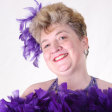

Debbie Compton
I help you reduce stress in 5 minutes, block burnout, and learn to laugh again.
What Makes a Great Empty Nest Syndrome Speaker
Instead of lecturing, they guide with stories that feel real, relatable, and grounded in human behavior. They talk about the awkward silence at the dinner table, the rediscovery of old hobbies, the sudden tension or freedom in long term relationships, or cultural differences surrounding independence across regions. They move through emotions with a steady hand, making the heavier moments feel safe and the hopeful moments feel reachable.
A strong speaker in this space knows how to balance vulnerability with strategy. They introduce insights from psychology, community trends, or global aging conversations, then connect those ideas to what an audience might actually do next week. Their delivery is conversational but intentional... almost like someone walking with you through the stages rather than pointing them out from a distance.
And finally, they communicate with range. They can support someone in a small rural town who feels cut off from family, or someone in a fast paced city juggling career and emotional shifts. That ability to speak across environments without losing authenticity is what elevates a good empty nest syndrome speaker into a great one.
How to Select the Best Empty Nest Syndrome Speaker for Your Show
1. Define the angle of your show.
- Identify whether you want emotional support, strategic planning, relationship focused insights, or cultural perspectives. For example, a business podcast might want a speaker who can talk about productivity after the kids move out, while a wellness show may prefer someone focused on identity and mental health.
- Write down the core problem you want the speaker to help your audience solve.
2. Review speaker profiles on platforms like Talks.co.
- Use their search tools to scan for empty nest syndrome speaker pages, checking each guest's preferred topics, formats, and audience types.
- Look for relevant clips, interviews, or short videos that demonstrate their tone and clarity.
3. Evaluate how they connect with diverse groups.
- Consider whether the speaker can resonate with different regions or cultural norms. For example, in some countries kids move out early, while in others young adults stay with family much longer.
- Prioritize speakers whose style fits the pace of your show, whether calm and reflective or high energy and direct.
4. Check availability and communication style.
- Reach out with a simple message to gauge responsiveness and alignment. If they reply with thoughtful questions about your audience, that is a good sign.
- You can use Talks.co messaging tools to streamline this part.
5. Make a final decision based on value alignment.
- The best speaker is the one whose insights reinforce your show's mission and the transformation you want listeners to feel after the episode.
How to Book an Empty Nest Syndrome Speaker
1. Start with a clear invitation.
- Prepare a short overview of your show, your audience, your preferred recording date range, and the angle you want the speaker to cover.
- Include any technical details up front, such as recording tools or time zone conversions.
2. Use a platform that simplifies communication.
- Talks.co makes this easier with built in speaker pages, messaging threads, and availability calendars. Search for empty nest syndrome speakers, visit their profiles, and send your invitation directly.
- This keeps everything in one place instead of scattered across email chains.
3. Confirm logistics.
- Once the speaker expresses interest, lock down the recording time, the prep call (if needed), and any assets you require, such as a headshot or bio.
- Agree on expectations for length, topics to avoid, and any audience questions you plan to include.
4. Provide a simple preparation outline.
- Share your episode structure. For example: opening story, key insights, practical tips, and closing message.
- This reduces guesswork and helps the speaker arrive feeling ready.
5. Send a confirmation and follow up.
- Finalize everything with a single message summarizing the date, time, link, and expectations.
- Follow up one day before to keep everything aligned… speakers appreciate the clarity.
As mentioned in How to Select the Best empty nest syndrome speaker for Your Show, the more aligned you are in communication, the smoother the whole process becomes.
Common Questions on Empty Nest Syndrome Speakers
What is an empty nest syndrome speaker
These speakers often blend expertise from psychology, family dynamics, lifestyle planning, and personal development. Some draw on research about identity shifts that occur in midlife, while others focus on relationship patterns, career reinvention, or rediscovering independence. Regardless of their angle, they help audiences understand the mechanics behind this major life change.
Many empty nest syndrome speakers work across multiple formats. They support podcasts, virtual summits, live events, community workshops, and online education programs. Their role is not limited to emotional conversations... many also bring data, case studies, or global perspectives from regions where the cultural expectations of adulthood differ.
In essence, a empty nest syndrome speaker acts as a guide who explains what this life stage involves, why the emotions show up the way they do, and how to navigate it with intentional steps rather than stumbling through it.
Why is an empty nest syndrome speaker important
These speakers provide clarity at a moment when routines, relationships, and expectations may suddenly change. Parents who have dedicated years to caregiving may wonder how to redefine their roles. Couples may need help navigating a different rhythm in the household. Even highly independent professionals may feel a surprising sense of disconnection when their daily structure shifts.
Another reason they matter is that different communities experience empty nest transitions in different ways. Urban families with fast paced lifestyles may react differently than families in rural settings where community ties are strong. A strong speaker recognizes these differences and tailors insights accordingly.
Finally, a empty nest syndrome speaker is important because their guidance often leads to better communication, improved mental health, and more intentional planning. Instead of treating the transition as an emotional cliff, they help people treat it as a meaningful turning point, supported by information and practical steps.
What do empty nest syndrome speakers do
One core part of their work is explaining the psychological aspects of this stage. They outline why some people feel relief, others feel sadness, and many feel a mix of both. They use accessible language to break down topics like identity transitions, relationship changes, or the sudden shift from constant parenting to new forms of independence.
Another key responsibility involves offering practical tools. This can include communication frameworks for couples, time management ideas for rediscovering personal goals, or strategies for balancing career with renewed free time. Some speakers add cross cultural insights, showcasing how families in different regions approach adulthood and independence.
Many empty nest syndrome speakers also participate in media, podcasts, workshops, and digital courses. They collaborate with show hosts, event organizers, and community groups to tailor their message to specific audiences. As I mentioned in How to Book a empty nest syndrome speaker, their work often extends into preparation, alignment, and follow up so the conversation flows smoothly.
Overall, empty nest syndrome speakers function as educators and guides who help people understand this transition and take actionable steps to move forward.
How to become an empty nest syndrome speaker
1. Clarify your angle and audience.
- Empty nest syndrome shows up differently for parents with teens heading to college, adults with children moving abroad, or caregivers transitioning out of daily family responsibilities. Decide which group you want to focus on.
- List the topics you feel confident covering, such as emotional transitions, rediscovering purpose, relationship changes, or lifestyle redesign.
2. Develop your core message.
- Create a signature talk that explains what you teach, why it matters, and what your audience should walk away with.
- Keep refining your message until you can describe it in one clear sentence.
3. Build authority through content.
- Write articles, record short videos, or host live Q and A sessions that show your perspective.
- Use social platforms where your audience is active. Parenting groups, wellness forums, and community education spaces can all be effective.
4. Create a speaker page.
- You can publish this on your existing website or create a new page using a tool like Talks.co where hosts and guests connect easily.
- Include a short bio, talk topics, testimonials if you have them, and a simple booking request form.
5. Practice and refine.
- Start with low pressure rooms like virtual meetups, local libraries, or online summits.
- Ask for feedback, and save every recording. These can later become demo clips.
6. Reach out to event hosts.
- Look for conferences, parenting networks, HR wellness programs, or community events that align with your topic.
- Keep messages short and specific. Share your speaker page link from Talks.co to streamline the process.
Following steps like these gives you a structured path. Each move builds credibility, and over time you become known for helping families navigate life transitions.
What do you need to be an empty nest syndrome speaker
The first requirement is expertise. You do not need academic credentials, but you do need a solid understanding of what parents experience emotionally and practically when their children move out. Many speakers build this knowledge by researching psychology resources, interviewing families, or studying wellness frameworks used across different cultures.
Next comes communication ability. This includes storytelling, structured teaching, and the skill to read a room, whether virtual or in person. Some speakers improve by taking coaching programs or practicing in small community events before moving to larger stages.
You also need a clear presence online. Event organizers look for people who are easy to research and easy to book. A speaker page on Talks.co helps a lot because it shows your topics, bio, and availability in one place. It functions like a storefront for your speaking brand.
Finally, you need a plan for connection. Hosts and guests often find one another through curated directories, referral networks, or topic specific communities. Being visible and approachable makes a major difference, especially for niches like empty nest support where audiences want someone relatable and grounded.
Do empty nest syndrome speakers get paid
Data from general speaking industries shows that personal development and family wellness speakers often start with honorariums or travel stipends, then move into four figure speaking fees as they gain momentum. Since empty nest topics overlap with mental health, lifestyle improvement, and community education, opportunities exist across nonprofit, corporate, and online event sectors.
Paid scenarios usually include:
- Corporate wellness programs.
- Parenting summits.
- Online conferences.
- Community workshops with allocated budgets.
Unpaid scenarios include volunteer groups, nonprofit support circles, or visibility driven online events. Some speakers choose these to build experience and gather testimonials.
The tradeoff is simple: newer speakers earn less but gain exposure, while established experts often command higher rates. Knowing your market helps you set realistic expectations.
How do empty nest syndrome speakers make money
Primary income channels tend to include:
- Paid keynote or workshop fees. These can range from small stipends to premium rates for experienced speakers.
- Virtual summits or online events that share revenue among presenters.
- Consulting or coaching programs for parents navigating life transitions.
Secondary streams include:
- Books or digital guides.
- Group programs or retreats.
- Affiliate partnerships with wellness platforms.
Some speakers focus heavily on Talks.co listings because event organizers can find them more easily. When hosts and guests connect through a centralized platform, booking volume usually increases. Speakers who diversify often position themselves as long term guides rather than one time presenters.
How much do empty nest syndrome speakers make
Entry level speakers often earn between 0 and 500 USD per event, usually when working with community groups or early stage summits. Mid tier speakers can expect 500 to 3000 USD for a single talk if the event has a dedicated budget. High visibility experts sometimes cross the 5000 USD mark, especially when they combine speaking with coaching or book sales.
Several elements shape income potential:
- Topic relevance. Parenting and wellness programs often pay more if the presentation helps reduce stress or supports mental well being.
- Deliverables. Workshops, Q and A sessions, and follow up materials usually increase the rate.
- Online vs in person. Virtual sessions often cost less but are easier to book in higher volume.
Comparing these ranges to broader wellness speaking industries shows similar patterns. Earnings increase as your content becomes more refined and as event hosts see clear value in your sessions.
How much do empty nest syndrome speakers cost
For local community events, empty nest syndrome speakers may cost between 100 and 800 USD, especially if the event is small or ticket prices are low. Mid sized conferences with regional audiences tend to budget 1000 to 4000 USD for this type of speaker. Large scale events or specialized wellness retreats can go much higher if the speaker has published books or built a strong following.
Other factors influencing cost include:
- Travel or lodging requirements.
- Custom workshop design.
- Session length.
- Whether the event wants recordings or exclusive rights.
From an analytical standpoint, the most stable pricing emerges from virtual events where expenses are low and schedules are flexible. Platforms like Talks.co make it easier to compare speaker pricing because host and guest profiles list fees openly.
Who are the best empty nest syndrome speakers ever
- Barbara Coloroso. Known for her work in parenting education with a focus on emotional resilience.
- Dr. Margaret Rutherford. A psychologist who speaks extensively about identity and life transitions.
- Gail Sheehy. Recognized for her writing on adult development and transitional life stages.
- Michelle Garnett. Includes family relationship dynamics in her presentations.
- Susan Stiffelman. A parenting educator whose work frequently touches on stepping back as children become independent.
- Rosalind Wiseman. A widely respected voice in youth development, often referenced by parents preparing for the empty nest phase.
- Harriet Lerner. Known for exploring emotional systems and family change.
While not all of these speakers focus exclusively on empty nest topics, each has shaped conversations about transitions, identity shifts, and the emotional evolution of family life.
Who are the best empty nest syndrome speakers in the world
- Dr. Shefali Tsabary. Based in the United States and known for conscious parenting frameworks that help families navigate the transition to adulthood.
- Andrew Fuller. An Australian psychologist who frequently covers resilience and family change.
- Dr. Gabor Mate. A Canadian physician whose work on emotional well being resonates with parents experiencing major life shifts.
- Esther Perel. A Belgian American psychotherapist who explores relationships and identity shifts common in empty nest years.
- Julie Lythcott Haims. Known for her talks on young adult independence, which directly connects with empty nest themes.
- Robyn McKay. Speaks on purpose and self discovery, often relevant for parents redefining their next chapter.
- Dr. Dan Siegel. His work on attachment and development makes him a trusted source for understanding the parent child transition.
These speakers attract global audiences because their insights apply across cultures, making them valuable voices for anyone exploring life after children leave home.
Common myths about empty nest syndrome speakers
Another belief floating around is that empty nest syndrome speakers must have raised children themselves. The assumption goes like this: if you have not personally lived the experience, you cannot speak to it. But expertise can come through research, coaching, counseling, or specialized facilitation. Think about how many mental health educators, life design strategists, or organizational psychologists contribute to parenting conferences or wellbeing summits without being parents. Their insight is grounded in data, not biography.
A third myth claims that audiences for these speakers are limited to small community events. This ignores the growing interest from companies building employee wellbeing programs and HR departments supporting midlife transitions. Global organizations often bring in speakers to help employees navigate identity shifts that influence career engagement. The demand reaches across regions... from North American online summits to Southeast Asian wellness festivals. The reach is wide, not niche.
There is also the idea that these speakers rely on emotional storytelling alone. Some do use narrative, but many combine science backed frameworks, transition planning exercises, and tools drawn from coaching or behavioral research. Workshops might include structured goal mapping or communication strategies for couples adjusting to an empty home. Audiences usually appreciate a blend of personal resonance and practical direction.
Finally, some people think the only path to becoming an empty nest syndrome speaker is to publish a book first. A book can help, but so can virtual summits, podcast interviews, micro courses, or participating in expert panels. Many speakers start by sharing insights through digital communities or hosting short form sessions before creating long form content.
Case studies of successful empty nest syndrome speakers
Another example involves a speaker often invited to corporate employee resource groups. Their specialty is supporting staff navigating life changes so workplace performance stays balanced. Rather than dwelling on melancholy, they guide employees through communication tactics for partners, strategies for personal development, and ways to reconfigure routines. Their reputation grew from consistent delivery... practical insights, confident pacing, and respectful acknowledgment of diverse cultural expectations around family and independence.
Imagine a different kind of success story: a community educator who began with small workshops at libraries and cultural centers. Their approach focused on multi generational dynamics, especially in regions where adult children move far from home for work or study abroad. Over time, local media invited them for interviews, which boosted visibility. Their talks evolved into region wide forums that addressed both emotional adjustment and economic changes tied to shifting household structures.
There is also a speaker who entered this space through the personal development industry. Their narrative, crafted carefully without leaning too heavily on their own history, connects with people who want structure. They walk audiences through reframing exercises, routine resets, and habit building. The story that draws listeners in is about possibility... a future shaped not by loss, but by curiosity.
Across these examples, one thread stands out. Success often comes from shaping content to fit the needs of a particular audience rather than repeating a one size fits all script. Whether the stage is corporate, community based, or global and virtual, the strongest speakers stay responsive to the context around them.
Future trends for empty nest syndrome speakers
One noticeable shift involves digital events. Hybrid summits, interactive webinars, and real time Q and A sessions continue to grow in popularity. These formats give speakers access to participants from different regions, cultures, and life stages. They also make it easier for organizations to bring in niche expertise without major travel costs.
Another trend builds around data driven content. Many audiences prefer a mix of research backed information and approachable guidance. Speakers who integrate insights from demographic studies, cross cultural family trends, or psychology research gain credibility quickly. This also helps them speak to varied contexts, whether the audience is from dense urban centers, small towns, or expat communities.
Speakers will likely expand into adjacent themes. Some may focus on career reinvention for midlife adults. Others might explore new models of community belonging for people whose children live across borders. Expect more collaboration with mental health professionals, career strategists, and wellness educators.
Key trends to watch include:
- Growth of short form sessions tailored for employee wellbeing programs.
- More cross cultural discussions about adult independence and long distance family relationships.
- Interactive tools such as audience diagnostics or transition planning templates.
- Increased demand for virtual keynote series tied to online learning communities.
- Partnerships between speakers and podcasters to reach global listeners.
Together, these patterns suggest expanding opportunities for speakers who bring clarity, nuance, and grounded guidance to the topic.
Tools and resources for aspiring empty nest syndrome speakers
1. Talks.co. A podcast guest matching tool that helps experts land interviews. Use it to test your messaging and reach audiences looking for insights on life transitions and emotional wellbeing.
2. Canva. A design platform for creating slide decks, worksheets, and social media assets. Its templates are excellent for speakers building a recognizable visual style.
3. Zoom. Useful for online workshops and virtual keynotes. Practice interactive formats like breakout groups or reflection prompts to build engagement.
4. Google Scholar. A free way to find research on midlife psychology, family transitions, and cultural patterns around empty nest experiences. This strengthens your evidence based content.
5. Notion. Helpful for organizing speaking outlines, talk structures, and event checklists. You can also build a simple speaker portfolio inside it.
6. Eventbrite. Use it to host small workshops, test new topics, and reach communities who engage actively with personal development events.
7. Calendly. Makes scheduling easier with event organizers, podcast hosts, and potential partners. Smooth logistics improve your perceived professionalism.
These tools create a practical foundation regardless of whether you are building your presence for local workshops or preparing for international virtual summits.
