Mental Health Education Speakers
You've got an event coming up.
Maybe it's a panel, a podcast episode, or a full-day summit.
And you know mental health needs to be part of the conversation.
But where do you even start when looking for mental health education speakers who actually connect with your audience?
Not just someone with credentials, but someone who can explain, engage, and really deliver.
How do you find the right mental health education speakers without spending hours scrolling or emailing the wrong people?
This list makes that part easier.
You'll get a quick view of standout voices in mental health education-who they are, what they speak about, and why they're trusted by event organizers and hosts like you.
Whether it's clinical insight, lived experience, or teaching strategies, these speakers bring clarity to complex topics.
I've seen how thoughtful speakers can shift the tone of an entire event and make people feel seen.
So take a look.
Explore these mental health education speakers and find someone who's the right fit for your next event or show.
Top Mental Health Education Speakers List for 2026

Elizabeth Estrada
Happiness SOS: Your happiness can save your life - an emergency professional shares the process

Jamil Massey
When life gets tough, I help people keep showing up!

Frank King
Suicide prevention speaker and comedian, with two mental illnesses, and a suicide attempt survivor, with 13 TEDx Talks

Natolie Warren
Therapist & Wellness Expert

James Donaldson
Former NBA All-Star Talks on Mental Health Awareness and Suicide Prevention

Michael Towers
I teach self-care strategies & soul work principles to conquer limiting beliefs, adopt a possible mindset, & achieve optimal mental health.



Michelle Thielen
Professional dancer, author, keynote speaker, humanitarian, depression-suicide survivor now thriving and founder of YogaFaith.
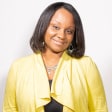
Kareen Aristide
Human Behaviour Expert, Mental Health Specialist & Spiritual Director - Blending Personal Development & Mental Health for Holistic Growth
What Makes a Great Mental Health Education Speaker
Take someone like Dr. Thema Bryant, a clinical psychologist and ordained minister. She doesn't just quote research-she weaves it into real-life narratives that make you lean in. Great mental health education speakers blend evidence-based knowledge with emotional intelligence. They're not afraid to be vulnerable, and they know when to step back and let the audience reflect.
But it's not all about personal stories. A great speaker also understands the nuances of different audiences. What works for a high school assembly in rural Kansas might fall flat at a corporate wellness summit in Singapore. The best speakers adapt their tone, language, and examples to meet people where they are.
And then there's delivery. You can have the best content in the world, but if it's monotone or overly clinical, it won't land. Great mental health education speakers use pacing, silence, and tone to guide emotional engagement. They know when to pause, when to push, and when to pivot. It's a performance, yes-but one rooted in authenticity.
In short, a great mental health education speaker doesn't just talk about mental health-they make you feel seen, understood, and empowered to take action. That's the difference between a decent presentation and a transformative one.
How to Select the Best Mental Health Education Speaker for Your Show
1. Define Your Audience and Goals.
- Are you speaking to healthcare professionals, students, or corporate teams?
- What's the goal-awareness, actionable strategies, or emotional resonance?
- Example: A startup founder podcast might benefit from someone like Dr. Emily Anhalt, who speaks on emotional fitness for entrepreneurs.
2. Browse Trusted Platforms.
- Use platforms like Talks.co to explore vetted speaker profiles.
- Look for speaker pages with video clips, topic lists, and testimonials.
- Pro tip: Filter by topic tags like 'trauma-informed', 'youth mental health', or 'neurodiversity'.
3. Review Past Engagements.
- Check if they've spoken at events similar to yours.
- Watch or listen to past talks to assess tone, clarity, and audience connection.
- Don't just look for TEDx badges-look for relevance.
4. Reach Out with Specifics.
- When contacting a speaker, be clear about your show's format, audience size, and expectations.
- Ask how they tailor their message to different audiences.
- Example: 'We're a weekly podcast for remote team leaders. Can you speak to mental health in distributed workforces?'
5. Confirm Availability and Fit.
- Before finalizing, hop on a quick call or Zoom to check chemistry.
- Ask about tech setup, preferred formats, and promotional support.
- If they're on Talks.co, you can use the built-in messaging and scheduling tools to streamline this.
Selecting the right speaker is part art, part strategy. Take your time, do your homework, and aim for someone who not only knows their stuff but knows how to share it with your specific audience.
How to Book a Mental Health Education Speaker
1. Start with Research.
- Use platforms like Talks.co to find speakers with verified credentials and speaking experience.
- Look for speaker pages that include video samples, topics, and audience reviews.
- Tip: Use filters to narrow down by region, specialty (e.g. adolescent mental health), or availability.
2. Reach Out with a Clear Ask.
- Send a concise message outlining your event or show, audience type, and what you're looking for.
- Include key details like date, format (live, virtual, pre-recorded), and duration.
- Example: 'We're hosting a virtual summit on workplace wellness for tech teams. Would you be available for a 30-minute keynote on burnout prevention?'
3. Discuss Terms and Expectations.
- Clarify compensation, travel (if applicable), and deliverables (e.g. slides, Q&A, promotional posts).
- Ask about customization: Can they tailor content to your audience?
4. Confirm Logistics.
- Lock in the date and time, and send a calendar invite.
- Share tech requirements, rehearsal options, and backup plans.
- Provide a run-of-show or agenda so the speaker knows when and how they'll be introduced.
5. Promote and Support.
- Share speaker bios and headshots with your audience.
- Coordinate social media promotion and tag the speaker's accounts.
- After the event, send a thank-you note and ask for feedback or testimonials.
Booking a speaker is more than a transaction-it's a collaboration. When done right, it sets the stage for a powerful, memorable experience for your audience.
Common Questions on Mental Health Education Speakers
What is a mental health education speaker
These speakers can come from a variety of backgrounds. Some are licensed psychologists or psychiatrists, while others are educators, advocates, or individuals with lived experience. What unites them is their ability to translate complex mental health topics into accessible, engaging content.
Unlike therapists or clinicians who work one-on-one, mental health education speakers typically address groups-whether it's a conference audience, a classroom, a corporate team, or a virtual summit. Their role is not to diagnose or treat, but to educate and empower.
They might speak on topics like stress management, trauma recovery, emotional intelligence, or mental health in the workplace. Depending on the setting, they may also incorporate interactive elements like Q&A sessions, storytelling, or guided exercises.
In essence, a mental health education speaker is a bridge between clinical knowledge and public understanding. They help break down stigma, build awareness, and offer tools that people can use in their everyday lives.
Why is a mental health education speaker important
First, they normalize the conversation. By speaking openly about topics like anxiety, depression, burnout, or trauma, they help audiences feel less alone. This is particularly impactful in settings where mental health is still taboo-like in certain corporate cultures, rural communities, or among male-dominated industries.
Second, they provide actionable knowledge. A good speaker doesn't just say 'take care of your mental health'-they explain how. Whether it's introducing cognitive behavioral strategies, mindfulness techniques, or workplace accommodations, they offer tangible tools that people can use.
Third, they influence systems. When a mental health education speaker presents at a leadership summit or HR conference, they're not just reaching individuals-they're shaping policy. Their insights can lead to better mental health benefits, more inclusive environments, and stronger organizational cultures.
Finally, they inspire change. Whether it's a teenager hearing someone speak about overcoming self-harm, or a CEO realizing the cost of burnout, these speakers spark reflection and action. They catalyze conversations that ripple far beyond the stage.
So while their job may seem like just 'giving a talk', the ripple effect of a skilled mental health education speaker can be profound-especially when their message reaches the right ears at the right time.
What do mental health education speakers do
1. Deliver Educational Talks. They present on topics like stress management, trauma-informed care, or mental health in marginalized communities. These talks can be keynotes, panels, or interactive workshops.
2. Tailor Content to Specific Audiences. Whether it's a group of high school students, healthcare workers, or tech executives, they adapt their message to fit the audience's needs and knowledge level. For instance, a speaker addressing a group of startup founders might focus on burnout and emotional resilience, while one speaking to educators might emphasize student mental wellness.
3. Break Down Complex Concepts. They translate psychological theories and clinical research into everyday language. Instead of quoting DSM-5 criteria, they might use relatable examples or analogies to explain anxiety or trauma.
4. Encourage Dialogue. Many speakers include Q&A sessions, breakout discussions, or live polls to engage the audience. This helps participants process the information and apply it to their own lives.
5. Advocate for Change. Beyond education, many speakers use their platform to push for systemic improvements-like better access to mental health services, inclusive workplace policies, or culturally competent care.
6. Collaborate with Hosts and Organizers. They often work closely with event planners, podcast hosts, or HR teams to align their message with the event's goals. On platforms like Talks.co, this collaboration is streamlined through speaker profiles, messaging tools, and booking systems.
In short, mental health education speakers are not just presenters-they're educators, facilitators, and change agents who help bridge the gap between knowledge and action.
How to become a mental health education speaker
1. Define Your Message and Audience.
- Start by identifying what aspect of mental health you want to focus on: trauma recovery, youth mental health, workplace wellness, etc.
- Ask yourself: Who needs to hear this? Schools? Corporations? Healthcare professionals?
2. Get Educated and Certified.
- While lived experience is powerful, formal education adds credibility. Consider certifications in mental health first aid, psychology, or counseling.
- Look into programs from organizations like NAMI or Mental Health First Aid USA.
3. Build Your Speaker Page.
- Create a professional speaker page that includes your bio, topics, testimonials, and a short video of you speaking.
- Use platforms like Talks.co to connect with event organizers and list your availability.
4. Start Small and Practice Often.
- Offer to speak at local schools, community centers, or online summits. Record these sessions to build your portfolio.
- Join Toastmasters or similar groups to refine your delivery.
5. Network with Hosts and Other Speakers.
- Use LinkedIn, Talks.co, and niche Facebook groups to connect with podcast hosts, summit organizers, and fellow speakers.
- Collaborate on panels or co-host webinars to expand your reach.
6. Pitch Yourself Strategically.
- Craft a compelling pitch email with a clear subject line, your speaker reel, and a few suggested talk titles.
- Tailor your pitch to the audience and mission of the event or platform.
7. Collect Feedback and Iterate.
- After each talk, ask for feedback and testimonials. Use this to refine your message and improve your delivery.
- Update your speaker page regularly with new content and accolades.
Becoming a mental health education speaker is a journey, not a one-off gig. Keep learning, keep speaking, and keep showing up.
What do you need to be a mental health education speaker
1. Subject Matter Expertise
You don't necessarily need a PhD, but you do need a solid understanding of mental health topics. This can come from:
- Formal education in psychology, counseling, or social work.
- Certifications like Mental Health First Aid or trauma-informed care.
- Lived experience, especially when paired with research and training.
2. Communication and Presentation Skills
Being a great speaker means being able to connect with your audience. That includes:
- Storytelling: Sharing personal or case-based narratives that resonate.
- Clarity: Explaining complex topics in simple, relatable terms.
- Engagement: Using visuals, questions, or activities to keep people involved.
3. A Platform to Share From
You'll need a way to showcase your expertise. This includes:
- A professional speaker page (Talks.co is a great place to start).
- A speaker reel or video clips of you presenting.
- Testimonials from past events or clients.
4. A Clear Niche and Message
Mental health is broad. Are you focusing on burnout in tech? Mental health in schools? Suicide prevention in rural communities? The more specific your niche, the easier it is to get booked.
5. Business and Outreach Tools
You're not just a speaker, you're a business. That means:
- Having a booking process and rate card.
- Using platforms like Talks.co to connect with hosts.
- Building an email list or social following to stay top of mind.
In short, being a mental health education speaker means being informed, impactful, and intentional. It's about turning your passion into a platform that educates and empowers.
Do mental health education speakers get paid
Paid vs. Unpaid Opportunities
- Paid Gigs: Corporate events, professional conferences, and government-funded programs often pay speakers. Rates can range from $500 to $10,000+ depending on the speaker's profile.
- Unpaid Gigs: Community events, schools, or podcasts may not offer payment but can be valuable for exposure and credibility.
Factors That Influence Payment
- Experience Level: New speakers may start with honorariums or travel reimbursement, while seasoned professionals command higher fees.
- Audience Size and Budget: A Fortune 500 company will likely pay more than a local nonprofit.
- Delivery Format: In-person keynotes often pay more than virtual panels or webinars.
Pros and Cons
| Pros | Cons |
|---|---|
| Opportunity to monetize expertise | Inconsistent income early on |
| Builds authority and visibility | Requires self-promotion and outreach |
| Can lead to consulting or coaching gigs | Travel and prep time can be intensive |
How do mental health education speakers make money
1. Keynote Speaking and Workshops
- Paid speaking engagements at conferences, corporate events, and schools.
- Workshops or training sessions on topics like stress management, resilience, or mental health in the workplace.
2. Online Summits and Webinars
- Hosting or participating in virtual events. Speakers may charge a fee, earn affiliate commissions, or upsell services.
- Platforms like Talks.co help speakers get discovered for these opportunities.
3. Consulting and Coaching
- Many speakers offer one-on-one coaching or organizational consulting on mental health strategies.
- For example, a speaker might help a startup build a mental wellness program for remote teams.
4. Digital Products and Courses
- Creating online courses, eBooks, or toolkits around mental health topics.
- These can be sold passively through their website or platforms like Teachable or Gumroad.
5. Sponsorships and Brand Partnerships
- Partnering with mental health apps, wellness brands, or nonprofits for sponsored talks or campaigns.
- For instance, a speaker might collaborate with Calm or BetterHelp for a branded webinar series.
6. Book Deals and Media Appearances
- Publishing a book can open doors to paid speaking gigs and media interviews.
- Appearances on podcasts, TV, or YouTube channels can also drive traffic to paid offerings.
Diversifying income streams is key. Most successful mental health education speakers don't rely on speaking fees alone. They build an ecosystem around their message.
How much do mental health education speakers make
Typical Income Ranges
- Entry-Level Speakers: $0 to $500 per talk. Often unpaid or compensated with travel and exposure.
- Mid-Level Speakers: $500 to $2,500 per talk. These speakers usually have a niche, a speaker page, and some testimonials.
- Top-Tier Speakers: $5,000 to $20,000+ per keynote. These are often published authors, media personalities, or experts with a strong platform.
Annual Income Estimates
| Speaker Type | Talks per Year | Avg. Fee | Estimated Annual Income |
|---|---|---|---|
| Beginner | 10 | $250 | $2,500 |
| Mid-Level | 25 | $1,000 | $25,000 |
| Top-Tier | 40 | $7,500 | $300,000 |
As mentioned in 'How do mental health education speakers make money', many supplement their income with coaching, consulting, or online courses. This can significantly boost annual earnings.
Variables That Affect Income
- Region: Speakers in North America and Western Europe often earn more than those in developing regions.
- Industry: Corporate wellness events tend to pay more than school assemblies or nonprofit panels.
- Format: In-person keynotes usually pay more than virtual appearances.
So while some speakers earn a few hundred dollars a year, others build six- or even seven-figure businesses around their speaking brand.
How much do mental health education speakers cost
Cost Ranges by Speaker Tier
| Speaker Level | Typical Fee Range |
|---|---|
| Emerging Speaker | $0 - $500 |
| Experienced Speaker | $1,000 - $5,000 |
| High-Profile Speaker | $10,000 - $25,000+ |
- Experience and Credentials: A licensed psychologist with media appearances will charge more than a new speaker with lived experience.
- Event Type: Corporate wellness retreats usually have higher budgets than community forums or school assemblies.
- Duration and Format: A 60-minute keynote costs less than a full-day workshop or multi-session training series.
- Travel and Logistics: In-person events may require covering airfare, lodging, and per diem.
Virtual vs. In-Person
- Virtual talks are often more affordable, ranging from $300 to $3,000.
- In-person events typically start at $1,000 and can exceed $20,000 for top-tier speakers.
Tips for Event Planners
- Use platforms like Talks.co to find speakers within your budget.
- Consider offering value beyond money: media exposure, professional video footage, or networking opportunities.
- Be transparent about your budget early in the conversation.
Ultimately, the cost reflects the speaker's ability to deliver value, inspire change, and educate effectively. It's not just about the hour they're on stage... it's about the years of experience they bring with them.
Who are the best mental health education speakers ever
Dr. Gabor Maté. A physician and author, Maté is renowned for his work on trauma, addiction, and childhood development. His talks are deeply human and grounded in decades of clinical experience.
Marsha Linehan. The creator of Dialectical Behavior Therapy (DBT), Linehan has spoken extensively about her own mental health journey and the development of DBT for borderline personality disorder.
Temple Grandin. An autism advocate and professor, Grandin has transformed public understanding of neurodiversity through her talks and books.
Kay Redfield Jamison. A clinical psychologist and author of 'An Unquiet Mind', Jamison has been a leading voice in bipolar disorder education and advocacy.
Kevin Hines. A suicide survivor and prevention advocate, Hines shares his powerful story to educate audiences on mental health and resilience.
Ruby Wax. A comedian turned mental health campaigner, Wax combines humor with neuroscience to make mental health accessible and engaging.
Glenn Close. The actress has used her platform to advocate for mental health awareness, particularly through her nonprofit Bring Change to Mind.
Elyn Saks. A legal scholar living with schizophrenia, Saks has given powerful talks on mental illness and stigma from both personal and academic perspectives.
Who are the best mental health education speakers in the world
Rosalind Watts (UK). A clinical psychologist known for her work with psychedelic-assisted therapy and mental health transformation.
Dr. Nadine Burke Harris (USA). Former Surgeon General of California, Harris is a pediatrician whose talks on Adverse Childhood Experiences (ACEs) have reshaped public health policy.
Johann Hari (UK). Author of 'Lost Connections', Hari's TED Talks and interviews challenge conventional wisdom about depression and anxiety.
Silvia Vasquez-Lavado (Peru/USA). A survivor of abuse and founder of Courageous Girls, she speaks globally about trauma, healing, and adventure therapy.
Dr. Alaa Murabit (Libya/Canada). A physician and UN High-Level Commissioner, Murabit addresses mental health through the lens of gender, conflict, and global health.
Dr. Sangu Delle (Ghana). Entrepreneur and mental health advocate, Delle's TED Talk on African masculinity and mental health has reached millions.
Zoleka Mandela (South Africa). Before her passing, Mandela was a powerful voice on addiction, grief, and generational trauma in African communities.
Dr. Lucy Hone (New Zealand). A resilience researcher and speaker, Hone's TEDx talk on grief and resilience has resonated globally.
Haesun Moon (Canada/Korea). A narrative coach and educator, Moon brings a unique perspective on mental health through solution-focused dialogue.
Common myths about mental health education speakers
Not true. While clinical credentials can add authority, many impactful mental health education speakers come from lived experience, advocacy, or academic backgrounds. For example, Kevin Hines, who survived a suicide attempt from the Golden Gate Bridge, speaks globally without being a licensed clinician. His authenticity and storytelling resonate deeply with audiences.
Myth 2: Mental health education speakers only talk about depression and anxiety.
This is a narrow view. Mental health education spans a wide spectrum: trauma, neurodiversity, workplace burnout, youth mental health, and more. Speakers like Dr. Gabor Maté cover addiction and trauma, while others focus on mental health in marginalized communities or tech-induced stress. The field is as broad as the human experience.
Myth 3: Speaking about mental health is too sensitive for corporate or school settings.
Actually, it's increasingly welcomed. Companies like Google and Deloitte regularly host mental health speakers to support employee wellbeing. Schools are integrating mental health talks into their curriculum. The key is tailoring the message to the audience's context, not avoiding the topic altogether.
Myth 4: You have to share your personal trauma to be effective.
Not necessarily. While personal stories can be powerful, data-driven presentations, interactive workshops, or educational frameworks can be equally impactful. Some speakers focus on policy, neuroscience, or systemic change. It's about the value you bring, not how vulnerable you get.
Myth 5: Mental health education speakers are only needed during awareness months.
This misconception limits impact. Mental health is a year-round concern. Progressive organizations book speakers throughout the year to maintain momentum. Just like leadership or diversity training, mental health education works best when it's ongoing, not seasonal.
Case studies of successful mental health education speakers
Meanwhile, in the United States, Mike Veny, a certified corporate wellness specialist, turned his experience with mental illness into a speaking career. His talks focus on workplace mental health, and he's been hired by companies like CVS Health and T-Mobile. What sets him apart is his ability to blend personal narrative with business outcomes, showing how mental wellness drives performance.
In Kenya, mental health advocate Sitawa Wafula became a prominent voice after sharing her journey with bipolar disorder and epilepsy. She launched a blog that evolved into speaking engagements across Africa. Her work helped push mental health into public discourse in regions where stigma remains high. Sitawa now consults with NGOs and governments on mental health policy.
Then there's Dr. Kristen Lee, a behavioral science professor who speaks at universities and global conferences. She doesn't just lecture. She uses humor, research, and storytelling to engage audiences from Gen Z students to corporate leaders. Her TEDx talk on resilience has over 100,000 views, and her books are used in academic settings.
What connects these speakers isn't a single background or credential. It's clarity of message, audience awareness, and a commitment to changing how we talk about mental health. Whether through personal story, academic insight, or cultural advocacy, they've each carved a niche that resonates.
Future trends for mental health education speakers
- Hyper-niche specialization. Generalist talks are fading. Speakers who focus on specific demographics-like LGBTQ+ youth, first responders, or remote workers-are in demand. Tailored content wins attention.
- Digital-first delivery. With hybrid work here to stay, virtual speaking isn't just a backup plan. It's a primary format. Speakers are investing in better home studios, interactive tools, and asynchronous content to stay relevant.
- Data-backed storytelling. Audiences want more than anecdotes. Speakers who blend personal stories with research-like citing WHO stats or workplace studies-build more trust. Expect more use of infographics, case studies, and live polling.
- Globalization of mental health narratives. Mental health is no longer a Western-centric conversation. Speakers from Latin America, Southeast Asia, and Africa are gaining visibility, bringing culturally specific insights. Translation tools and global platforms are making this easier.
- Collaboration with tech platforms. Mental health speakers are partnering with wellness apps, online therapy platforms, and AI tools to co-create content. Think Calm or Headspace inviting speakers to host guided talks or sessions.
As mental health becomes a strategic priority across industries, the role of the speaker evolves from motivator to educator to consultant. Those who adapt to this multi-role identity will thrive.
Tools and resources for aspiring mental health education speakers
- SpeakerHub. A directory where you can list your profile, get discovered by event organizers, and apply for speaking gigs. Tip: Use keywords like 'mental health in schools' or 'workplace wellbeing' to target your niche.
- Canva. For creating visually engaging slide decks, social media posts, and speaker one-sheets. Use their 'Presentation' templates to build a consistent brand across talks.
- Mind Share Partners. Offers research, frameworks, and corporate case studies on workplace mental health. Useful for building data-rich presentations.
- National Alliance on Mental Illness (NAMI). Offers free resources, training, and community programs. Their 'In Our Own Voice' initiative is a great model for peer-led speaking.
- Zoom Events. If you're hosting your own virtual sessions, Zoom Events lets you create branded, ticketed experiences. Combine with Eventbrite for promotion.
- LinkedIn Learning. Courses on public speaking, storytelling, and emotional intelligence. Look for instructors like Julian Treasure or Simon Sinek for inspiration.
- Google Scholar. For sourcing peer-reviewed studies to back up your content. Citing credible research boosts your authority, especially in corporate or academic settings.
Whether you're just starting or scaling up, these tools help you build credibility, reach the right audiences, and deliver content that sticks. Pair them with a clear message and you're on your way.
