Recovery Advocacy Speakers
You've got a lineup to fill, and you know you want someone powerful, real, and grounded in lived experience.
But how do you find recovery advocacy speakers who truly connect with your audience-not just talk at them?
What does a great recovery advocacy speaker even look like in 2026?
If you're asking those questions, you're in the right mindset.
Recovery advocacy speakers aren't just sharing stories-they're creating space for change.
They talk about addiction, mental health, policy, stigma, and healing with clarity and purpose.
Whether you're hosting a summit, running a podcast, or planning a panel, these speakers bring both credibility and connection.
I've seen how the right person can shift a room-sometimes just by telling the truth others aren't ready to say.
That's what makes these recovery advocacy speakers stand out.
They're booked for a reason.
Scroll through, explore what each speaker brings to the table, and if someone clicks with you, go ahead and book them for your next event.
Top Recovery Advocacy Speakers List for 2026

Holley Broughton
Resilient Texan mom turning pain into purpose and empowerment


Elizabeth Edwards
Empower Recovery and Embody Emotional Sobriety Through Daily Practices, Music, Advocacy & Inspiration. Let's Connect!

Nikki Rigby
Coach Nikki Rigby here to help you GetREAL With Alcohol!

Mike Smith
From the gutter to grace, I’m living my redemption.

Shaun Free
I help Trauma Survivors find their new path in life through community involvement
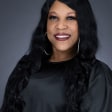
Mawusi Ragland
Motivational Speaker, Life Coach, Owner of WuRag Motivate Inc (homeless nonprofit) and Host of "Weekly Motivations - The Podcast".
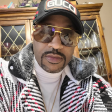
Jermaine McKenzie
From wrongful conviction to relentless advocate for justice.


Brandi Pugh
Faith-driven motivational speaker helping people break cycles, heal loudly, and step into who they were created to be.
What Makes a Great Recovery Advocacy Speaker
What sets these speakers apart is their ability to balance vulnerability with authority. They're not afraid to talk about the messy parts-the relapses, the stigma, the broken systems-but they also offer hope, solutions, and a sense of direction. Their authenticity is magnetic. You can't fake lived experience, and the best speakers know how to channel that into something constructive.
But it's not just about personal stories. Great recovery advocacy speakers understand the broader landscape. They connect individual experiences to systemic issues-like access to treatment, criminal justice reform, or mental health parity. They're advocates, yes, but also educators and bridge-builders. They can speak to a room full of legislators in the morning and lead a community town hall in the evening.
And finally, delivery matters. A compelling message can get lost in poor presentation. The best speakers know how to pace their narrative, use silence for effect, and adapt their tone depending on the audience. Whether it's a TEDx stage, a podcast, or a virtual summit, they bring the same energy and clarity every time.
So if you're thinking about inviting a recovery advocacy speaker to your platform, look for someone who can do more than just talk. Look for someone who can move people to think, feel, and act.
How to Select the Best Recovery Advocacy Speaker for Your Show
1. Define Your Audience and Objective
- Are you speaking to healthcare professionals, policymakers, or individuals in recovery?
- Do you want to inspire, educate, or advocate for change?
- Tip: If your audience is primarily clinicians, look for speakers who can bridge personal experience with clinical insight.
2. Search on Trusted Platforms
- Use directories like Talks.co to browse vetted recovery advocacy speakers.
- Check speaker pages for demo reels, testimonials, and past appearances.
- Tip: Look for speakers who've appeared on similar shows or events in your niche.
3. Evaluate Their Message and Style
- Watch or listen to at least two full-length talks.
- Ask: Do they speak with clarity and passion? Are they relatable to your audience?
- Tip: Avoid speakers who rely too heavily on jargon or trauma without offering solutions.
4. Check for Alignment with Your Brand
- Does their tone match your show's vibe-casual, academic, motivational?
- Have they engaged in any controversial topics that might clash with your values?
- Tip: Review their social media and recent interviews for consistency.
5. Reach Out and Ask Smart Questions
- Ask about their availability, preferred formats (live, recorded, panel), and customization options.
- Tip: A great speaker will ask questions about your audience too-that's a good sign they care about impact.
By following these steps, you'll not only find a qualified recovery advocacy speaker, but one who can truly connect with your listeners and elevate your show's message.
How to Book a Recovery Advocacy Speaker
1. Start with Research
- Use platforms like Talks.co to identify potential speakers.
- Look for speaker pages with clear bios, topics, and booking info.
- Tip: Filter by niche (e.g. opioid recovery, youth advocacy) to find the best match.
2. Reach Out with a Clear Pitch
- Send a concise message explaining your show, audience, and what you're looking for.
- Include details like date, format (live or recorded), and compensation if applicable.
- Tip: Personalize your message-mention a talk or article of theirs you liked.
3. Confirm Logistics Early
- Once they're interested, lock in the date and time.
- Share a prep document with your show format, questions, and tech requirements.
- Tip: Use scheduling tools like Calendly to avoid back-and-forth emails.
4. Promote the Episode Together
- Ask the speaker to share the episode with their network.
- Provide them with graphics, links, and hashtags.
- Tip: Tag them in all promotional posts to boost reach.
5. Follow Up After the Show
- Send a thank-you email and share the episode link.
- Ask for feedback and offer to collaborate again in the future.
- Tip: A good follow-up can turn a one-time guest into a long-term ally.
Booking a recovery advocacy speaker isn't just about filling a slot-it's about creating a meaningful conversation that resonates. And when you do it right, everyone wins: your audience, your guest, and your platform.
Common Questions on Recovery Advocacy Speakers
What is a recovery advocacy speaker
A recovery advocacy speaker is someone who uses their lived experience with addiction, mental health challenges, or recovery to advocate for systemic change, reduce stigma, and educate the public. They're not just telling their story-they're using it as a tool for awareness, policy reform, and community engagement.
These speakers often come from diverse backgrounds. Some are former addicts, others are family members, clinicians, or activists. What unites them is their commitment to shifting the narrative around recovery. They speak at conferences, schools, corporate events, and virtual summits to highlight both the personal and societal dimensions of recovery.
Unlike motivational speakers who focus on personal transformation, recovery advocacy speakers zoom out. They connect individual journeys to larger issues like healthcare access, criminal justice reform, and workplace inclusion. Think of someone like Tonier Cain, who speaks about trauma-informed care and how her own recovery journey intersects with incarceration and homelessness.
In short, a recovery advocacy speaker is part storyteller, part educator, and part change agent. They're not just sharing what happened-they're pushing for what should happen next.
Why is a recovery advocacy speaker important
Recovery advocacy speakers bring authenticity and urgency to topics that are often misunderstood or ignored. They humanize statistics. Instead of hearing that 'over 20 million Americans struggle with substance use disorders,' you hear what it's like to be one of them-and what it takes to rebuild a life. This kind of storytelling breaks down stigma and builds empathy, which is essential for real change.
They also serve as cultural translators. For example, in corporate environments, a recovery advocacy speaker can explain how addiction impacts productivity, morale, and healthcare costs-then offer strategies for creating recovery-friendly workplaces. In schools, they can speak to teens in a language that resonates, offering hope and practical tools instead of scare tactics.
In policymaking circles, these speakers often influence legislation. Their testimonies have helped pass Good Samaritan laws, expand access to naloxone, and fund recovery housing. Without their input, policies risk being out of touch with the realities on the ground.
So whether you're hosting a podcast, running a nonprofit, or shaping public policy, including a recovery advocacy speaker isn't just a nice-to-have-it's a must-have if you want to move from awareness to action.
What do recovery advocacy speakers do
Here's a breakdown of their core activities:
- Educate Diverse Audiences. They speak at schools, universities, corporate events, and community forums to raise awareness about addiction, recovery, and mental health. Their talks often include both personal narratives and evidence-based insights.
- Advocate for Policy Change. Many recovery advocacy speakers work with nonprofits or directly with legislators to push for reforms in healthcare, criminal justice, and education. For example, they might testify at a state hearing about the need for recovery housing or expanded Medicaid coverage.
- Train and Mentor Others. Some speakers lead workshops or peer support groups, helping others in recovery build confidence and advocacy skills. This is especially common in grassroots organizations and peer-led initiatives.
- Collaborate with Media and Campaigns. They often participate in public awareness campaigns, documentaries, or podcasts to amplify recovery voices. Think of campaigns like "Faces & Voices of Recovery" where speakers share their journeys to reduce stigma.
- Consult with Organizations. Businesses, schools, and healthcare providers bring in recovery advocacy speakers to help shape policies, improve inclusivity, or design recovery-friendly programs.
So while the microphone might be their most visible tool, recovery advocacy speakers are doing deep, strategic work behind the scenes to change systems, shift mindsets, and support communities.
How to become a recovery advocacy speaker
1. Define Your Message and Mission
- Think about your recovery journey. What makes your experience unique? What message do you want to share?
- Focus on the transformation, not just the trauma. Audiences connect with hope, resilience, and practical takeaways.
- Tip: Create a one-sentence mission statement that captures your purpose.
2. Build Your Speaking Toolkit
- Develop a signature talk. This should be a 20-45 minute presentation that you can tailor to different audiences.
- Create a speaker page on platforms like Talks.co. Include your bio, key topics, testimonials, and a short video clip.
- Bonus: Add downloadable media kits and speaking reels to make it easy for hosts to book you.
3. Start Small, Then Scale
- Offer to speak at local recovery centers, schools, or community events. These early gigs help refine your delivery.
- Record every talk. Use the best clips to build your online presence.
- Join speaker directories and submit proposals to virtual summits and podcasts.
4. Network with Hosts and Other Speakers
- Use Talks.co to connect with event organizers and fellow speakers. Collaborations can lead to more bookings.
- Attend industry events or virtual summits as a guest first. Get to know the format and audience.
5. Keep Learning and Evolving
- Take public speaking courses or join Toastmasters to sharpen your skills.
- Stay informed on addiction recovery trends, policies, and advocacy efforts.
- Ask for feedback after each talk and use it to improve.
Remember, your voice matters. With the right tools and strategy, you can turn your story into a platform for change.
What do you need to be a recovery advocacy speaker
1. A Clear and Authentic Message
Your story is powerful, but it needs structure. Focus on the key moments that shaped your recovery and the lessons others can learn. Whether you're speaking to policymakers, students, or people in early recovery, tailor your message to resonate with their needs.
2. Knowledge of Recovery and Advocacy
You don't need a PhD, but you do need to understand the broader context. That includes:
- Recovery models (12-step, harm reduction, medication-assisted treatment, etc.)
- Public policy and stigma issues
- How to advocate for systemic change
3. Speaking Skills and Delivery
You should be comfortable speaking in front of groups, both in-person and virtually. Practice pacing, tone, and body language. If you're new to this, consider joining a group like Toastmasters.
4. A Digital Presence
Event organizers want to see who you are before booking you. Create a speaker page on Talks.co or your own website. Include:
- A short bio
- Topics you speak on
- Testimonials or endorsements
- A video of you speaking
5. A Way to Connect with Hosts
Use platforms like Talks.co to connect with podcast hosts, summit organizers, and nonprofits. The easier you make it for them to find and book you, the more gigs you'll land.
Being a recovery advocacy speaker is about more than inspiration-it's about education, empowerment, and action. Equip yourself with the right tools, and you'll be ready to make a real impact.
Do recovery advocacy speakers get paid
Paid vs. Unpaid Opportunities
- Unpaid: Community events, nonprofit panels, or early-stage podcasts often don't have a budget. These are great for exposure, networking, and building your portfolio.
- Paid: Conferences, corporate wellness programs, government trainings, and keynotes at large events usually come with a speaker fee.
Factors That Influence Payment
- Experience Level: New speakers might earn $0-$500 per talk. Seasoned speakers can command $2,000-$10,000 or more.
- Event Type: A national summit or corporate event typically pays more than a local recovery center.
- Audience Size and Reach: The bigger the audience, the higher the potential fee.
Pros and Cons
| Pros | Cons |
|---|---|
| Can turn passion into income | Payment isn't always guaranteed |
| Builds credibility and brand | Travel and prep time may not be compensated |
| Opens doors to other paid gigs | Nonprofits often have limited budgets |
How do recovery advocacy speakers make money
1. Speaking Fees
- Keynotes and Panels: Large conferences, universities, and corporate wellness events often pay $1,000 to $10,000+ per talk.
- Workshops and Trainings: Interactive sessions for healthcare providers, HR teams, or educators can command higher fees due to their depth.
2. Virtual Summits and Podcasts
- Some summits offer honorariums or affiliate commissions.
- Speakers may promote their own products or services during interviews.
- Using a profile on Talks.co can help speakers get discovered by hosts and monetize through bundled appearances.
3. Consulting and Coaching
- Many speakers offer 1:1 coaching or group programs for people in recovery or their families.
- Others consult with organizations on recovery-friendly policies or DEI initiatives.
4. Books and Digital Products
- Self-published memoirs, workbooks, or online courses can generate passive income.
- Speakers often sell these at events or through their websites.
5. Grants and Sponsorships
- Some nonprofits or government programs fund advocacy work, including speaking engagements.
- Corporate sponsors may pay speakers to represent their brand or message.
By diversifying income streams, recovery advocacy speakers can build sustainable careers while staying true to their mission. The key is to treat speaking as both a platform and a business.
How much do recovery advocacy speakers make
Entry-Level Speakers
- Typically earn $0 to $500 per event.
- Most income at this stage comes from local events, podcasts, or nonprofit panels.
- Many use these opportunities to build credibility and collect testimonials.
Mid-Level Speakers
- Can earn $1,000 to $3,000 per talk.
- Often speak at regional conferences, corporate wellness events, or virtual summits.
- May supplement income with coaching, consulting, or book sales.
Top-Tier Speakers
- Earn $5,000 to $25,000+ per keynote.
- Speak at national or international conferences, government events, or high-profile summits.
- Often have published books, media appearances, and a strong online presence.
Annual Income Ranges
| Level | Estimated Annual Income |
|---|---|
| Beginner | $0-$10,000 |
| Intermediate | $10,000-$75,000 |
| Advanced | $75,000-$250,000+ |
- Number of events per year
- Type of clients (nonprofit vs. corporate)
- Additional revenue streams (courses, books, consulting)
While not every recovery advocacy speaker earns six figures, those who treat it like a business-building a brand, optimizing their Talks.co profile, and diversifying income-can create a sustainable and impactful career.
How much do recovery advocacy speakers cost
Typical Cost Ranges
| Speaker Level | Cost Per Engagement |
|---|---|
| Emerging | $0-$500 |
| Mid-Level | $1,000-$3,000 |
| High-Profile | $5,000-$25,000+ |
- Event Type: A keynote at a national conference costs more than a community workshop.
- Duration: A 60-minute keynote costs less than a full-day training.
- Travel: In-person events may require covering travel, lodging, and per diem.
- Customization: Tailored presentations or workshops often come with higher fees.
Budgeting Tips for Organizers
- Consider co-hosting with other organizations to share costs.
- Use platforms like Talks.co to find speakers within your budget.
- Ask about virtual options, which are often more affordable.
Hidden Costs to Watch For
- AV requirements (microphones, projectors, etc.)
- Marketing or promotional materials
- Accommodation upgrades for high-profile speakers
Ultimately, the cost of a recovery advocacy speaker reflects their ability to educate, inspire, and shift perspectives. Investing in the right speaker can elevate your event and leave a lasting impact.
Who are the best recovery advocacy speakers ever
1. William Cope Moyers
- Author of 'Broken: My Story of Addiction and Redemption'.
- Known for his work with the Hazelden Betty Ford Foundation.
- A pioneer in destigmatizing addiction through media and policy.
2. Kristina Wandzilak
- Co-founder of Full Circle Intervention.
- Featured on 'Intervention' and known for her raw, honest storytelling.
3. Chris Herren
- Former NBA player turned speaker.
- His 'Herren Project' supports recovery and prevention efforts nationwide.
4. Tonier Cain
- Trauma-informed care advocate.
- Her story of recovery from incarceration and addiction has reached global audiences.
5. Joe Polish
- Founder of Genius Recovery.
- Uses his platform to connect entrepreneurs with recovery resources.
6. Nikki Myers
- Founder of Yoga of 12-Step Recovery (Y12SR).
- Blends yoga, recovery, and advocacy in a unique, holistic approach.
7. Brandon Novak
- Former pro skateboarder and MTV personality.
- Now a speaker and author advocating for recovery and mental health.
These speakers have not only shared their stories-they've built movements, founded organizations, and influenced how society views addiction and recovery.
Who are the best recovery advocacy speakers in the world
1. Russell Brand (UK)
- Comedian, actor, and outspoken recovery advocate.
- His book 'Recovery: Freedom from Our Addictions' has global reach.
- Known for blending humor, spirituality, and activism.
2. Gabor Maté (Canada)
- Physician and trauma expert.
- While not in recovery himself, his advocacy for compassionate addiction treatment has influenced millions.
3. Shanna Whan (Australia)
- Founder of Sober in the Country.
- Advocates for rural Australians struggling with alcohol dependency.
4. Tim Ryan (USA)
- Known as 'The Hope Dealer'.
- Former congressional candidate and founder of A Man in Recovery Foundation.
5. Annie Grace (USA)
- Author of 'This Naked Mind'.
- Her science-based approach to alcohol recovery has a global following.
6. Clare Pooley (UK)
- Author of 'The Sober Diaries'.
- Uses storytelling to normalize alcohol-free living.
7. David Best (UK)
- Academic and speaker focused on recovery capital and community resilience.
8. Veronica Valli (UK/USA)
- Psychotherapist and co-host of the 'Soberful' podcast.
- Works internationally with women in recovery.
9. Johan Hari (UK)
- Author of 'Chasing the Scream'.
- His TED Talk on addiction has over 20 million views.
10. Zachary Siegel (USA)
- Journalist and speaker focused on drug policy and recovery.
- Brings a data-driven, policy-focused lens to advocacy.
These individuals are changing the global conversation around addiction and recovery-whether through books, podcasts, policy, or public speaking.
Common myths about recovery advocacy speakers
- Myth 1: Recovery advocacy speakers are only for people in addiction recovery.
This is a narrow view. While many recovery advocacy speakers do focus on addiction, the term 'recovery' spans mental health, trauma, incarceration, and even financial hardship. For example, speakers like Tonier Cain have shared powerful stories about recovering from incarceration and trauma, reaching audiences in healthcare, education, and criminal justice reform. Recovery is a broad spectrum, and so are the voices advocating for it.
- Myth 2: You need to be fully 'healed' to speak about recovery.
Nope. Recovery is a journey, not a finish line. Some of the most impactful speakers are those who are still navigating their path. Their vulnerability and honesty resonate deeply. Think of it like Brené Brown's work on vulnerability - people connect more with real-time growth than polished perfection.
- Myth 3: Recovery advocacy speakers are just motivational speakers with a niche.
Not quite. While they may inspire, their work often includes policy advocacy, community organizing, and education. For instance, speakers like Ryan Hampton have testified before Congress and led national campaigns. Their impact goes far beyond the stage.
- Myth 4: You need a big platform or famous name to be effective.
Local voices matter. A recovery advocate speaking at a small-town school or community center can shift more lives than a viral TED Talk. Grassroots impact is real. In fact, many speakers start by sharing their story at local NA meetings or town halls before growing into national voices.
- Myth 5: Recovery advocacy is only relevant in Western countries.
Recovery movements are growing globally. In Kenya, for example, organizations like SAPTA (Support for Addictions Prevention and Treatment in Africa) are training speakers to reduce stigma around addiction. Recovery advocacy is not a Western export - it's a global conversation, and speakers are emerging from every continent.
Case studies of successful recovery advocacy speakers
Then there's Tonier Cain. Her story is raw and powerful: from 83 arrests to becoming a national advocate for trauma-informed care. She's spoken at the United Nations, trained law enforcement, and influenced policy. What makes her effective isn't just her past - it's how she connects it to systems change.
In Australia, Shanna Whan founded Sober in the Country, a rural-focused recovery advocacy platform. Her talks don't just address addiction - they tackle isolation, stigma, and the cultural normalization of alcohol in farming communities. She's been featured on ABC and recognized by the Australian of the Year awards. Her impact? Making 'it's OK to say no to a beer' a national conversation.
Another standout is Ryan Hampton. Once a White House staffer, he became addicted to opioids and later emerged as a national recovery advocate. His book 'American Fix' and his work with Facing Addiction have positioned him as a policy influencer. He's not just speaking - he's organizing marches, lobbying Congress, and building coalitions.
These stories aren't just about overcoming. They're about using lived experience to change systems, shift narratives, and build communities. Each speaker found a unique lane - whether it's business, rural outreach, trauma, or policy - and used their voice to drive change. That's the real power of recovery advocacy speaking.
Future trends for recovery advocacy speakers
First, digital-first platforms are becoming the norm. With the rise of virtual summits and podcasting, speakers no longer need to rely on traditional stages. Platforms like Talks.co are making it easier for recovery advocates to connect with podcast hosts and reach niche audiences. Expect to see more speakers building influence through audio and video content, not just keynotes.
Second, intersectionality is gaining ground. Recovery is increasingly being discussed alongside race, gender, disability, and economic justice. Speakers who can speak to these intersections - like Indigenous recovery advocates in Canada or LGBTQ+ voices in urban centers - are finding more demand and resonance.
Third, corporate wellness is opening new doors. Companies are finally realizing that recovery isn't just a personal issue - it's a workplace issue. Speakers are being invited to talk about mental health, addiction, and resilience in employee wellness programs. Think of it like Arianna Huffington's Thrive Global model, but with a recovery lens.
Fourth, data-backed storytelling is on the rise. Audiences want more than inspiration - they want insight. Speakers who combine personal stories with research, like citing SAMHSA data or referencing WHO mental health frameworks, are gaining credibility and reach.
Key trends to watch:
- Growth of virtual and hybrid speaking events.
- Increased demand for diverse, intersectional voices.
- Expansion into corporate and educational sectors.
- Use of storytelling combined with data and policy insight.
- Globalization of recovery narratives beyond the US and UK.
The future isn't just about more voices - it's about smarter, more strategic voices who know how to meet audiences where they are, both emotionally and digitally.
Tools and resources for aspiring recovery advocacy speakers
1. Talks.co - A podcast guest matching platform that connects speakers with relevant podcast hosts. Perfect for building your portfolio and reaching niche audiences. Tip: Start with smaller shows to refine your message, then scale up.
2. SpeakerHub - A platform where you can create a speaker profile, list your topics, and get discovered by event organizers. It's especially useful for international gigs and virtual summits.
3. National Council for Mental Wellbeing - Offers advocacy training, webinars, and policy updates. Great for staying informed and aligning your message with current mental health and recovery legislation.
4. Toastmasters International - Ideal for beginners looking to polish their public speaking skills. Local chapters offer a supportive environment to practice and get feedback.
5. Recovery Speakers - A searchable archive of recovery talks from the past century. Use it to study different speaking styles and historical context.
6. Canva - For creating professional-looking speaker one-sheets, social media graphics, and presentation slides. Tip: Use their templates to keep your branding consistent.
7. LinkedIn Learning - Offers courses on public speaking, storytelling, and personal branding. A solid resource for leveling up your professional presence.
8. Eventbrite - Not just for finding events - you can also host your own virtual talks or workshops. Great for building your list and testing your message with live audiences.
Whether you're just starting out or looking to expand your reach, these tools can help you move from passion to platform. Combine them with the insights from the other sections, and you're on your way to becoming a powerful voice in the recovery movement.
