
Professional speaking is one of the fastest ways to build authority, grow your personal brand, and create an additional income stream.
But let’s be real. Landing speaking engagements isn’t just about delivering a speech.
It’s about building credibility, making lasting connections, and being acknowledged as an authority in your field.
That’s why, if you plan to start a career in public speaking, you need to know the specifics of how to become a professional speaker.
Whether you want to inspire crowds with your personal journey or teach valuable, practical skills to corporate teams, this detailed step-by-step guide will walk you through the exact roadmap to get the visibility and results you deserve.
How to Become a Professional Speaker In 4 Steps
Starting your journey as a professional speaker goes beyond just stepping on stage and hoping for the best. You need to identify your unique position in the market, build the materials that attract paid speaking gigs, and develop an outreach strategy that gets you in front of decision-makers.
Here’s a four-step guide to get you on the right path:
1. Identify your profitable niche
Ask yourself, “Who needs to hear my message? What specific problems can I solve?”
- Define your expertise: Are you a leadership coach for startups? A creativity expert for educators? A resilience trainer for health professionals?
- Research your ideal audience: What events do they attend? What are the most common challenges they face that you can speak about?
- Narrow your focus: The more sharply defined your topic, the more likely event organizers will see you as a perfect fit.
2. Build authority fast
The number one problem of most speakers is the lack of exposure. Expand your reach by establishing yourself as the go-to expert.
- Start documenting your journey: Share actionable insights on platforms like LinkedIn, Medium, or your own blog.
- Expand your digital footprint: Look for guest spots on relevant podcasts to showcase your expertise.
- Build your online reputation: Participate in online communities and answer questions in your area of specialty.
- Get social proof: Collect testimonials early, even from small audiences.
3. Put together your speaker kit
Your speaker kit or speaker one sheet introduces exactly who you are and what you offer to planners and organizations looking for experts. Keep these in mind as you draft yours:
- Professional bio: Write a compelling summary that highlights your unique story and core message.
- Signature topics: List three to five topics tailored to your target audiences.
- Testimonials: Gather social proof from early speaking appearances, even unpaid ones.
- Footage: Capture quality video of yourself speaking, even from a local meetup or virtual event.
- Contact and CTA: Include your contact info and a clear next step for anyone ready to book you.
4. Master your outreach and networking
Don’t shout into the void. Come up with a strategic plan to connect.
- Weekly pitch goals: Set a target number of outreach messages to conference planners, association heads, and podcast hosts.
- Personalized pitches: Lead with the specific value your message brings to each audience.
- Persistent follow-up: Check back with organizers who don’t respond, respectfully and consistently.
- Speaker network: Build relationships with other speakers who can refer you to their contacts.
How to Be a Professional Speaker In 90 Days
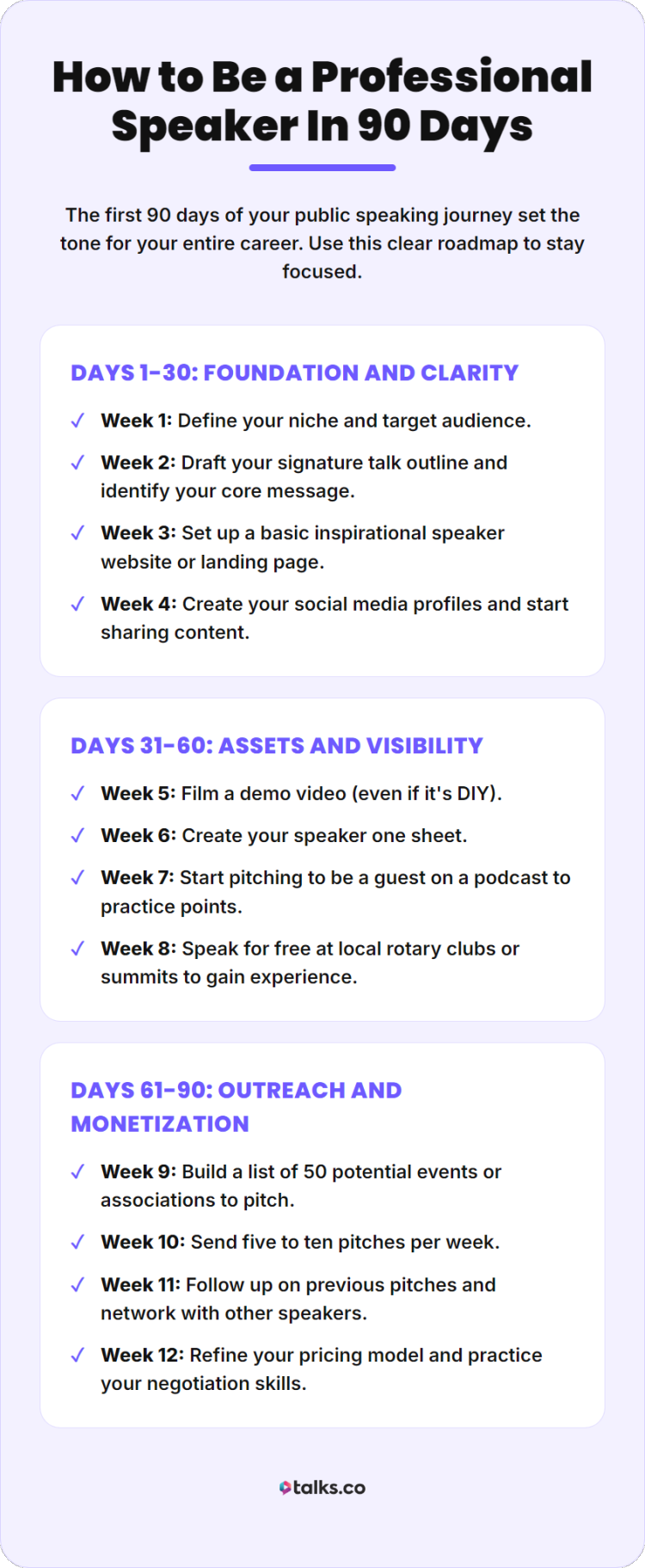
The first 90 days of your public speaking journey set the tone for your entire speaking career. Having a clear roadmap helps you stay focused on activities that generate actual speaking opportunities.
Days 1-30: Foundation and clarity
- Week 1: Define your niche and target audience.
- Week 2: Draft your signature talk outline and identify your core message.
- Week 3: Set up a basic inspirational speaker website or landing page.
- Week 4: Create your social media profiles and start sharing content related to your topic.
Days 31-60: Assets and visibility
- Week 5: Film a demo video (even if it’s DIY).
- Week 6: Create your speaker one sheet.
- Week 7: Start pitching to be a guest on a podcast to practice your talking points.
- Week 8: Speak for free at local rotary clubs, libraries, or virtual summits to gain experience.
Days 61-90: Outreach and monetization
- Week 9: Build a list of 50 potential events or associations to pitch.
- Week 10: Send five to ten pitches per week.
- Week 11: Follow up on previous pitches and network with other speakers.
- Week 12: Refine your pricing model and practice your negotiation skills for your first speaking fee.
How Do You Become an Effective Speaker?
An effective professional speaker isn’t just someone who can talk. Effectiveness means your audience members actually change their behavior or thinking because of what you shared.
Becoming effective requires three things working together:
- Strong content that solves real problems
- Excellent delivery that keeps people engaged
- And forming genuine connections that make your message personal and actionable.
To get a clearer picture, let’s look at expert best practices, public speaking skills, and pre-speaking prep, which are key to getting started confidently.
How to become the best speaker professionally
The best speakers in the world didn’t start at the top. They became the best because they obsessed over their craft and their audience.
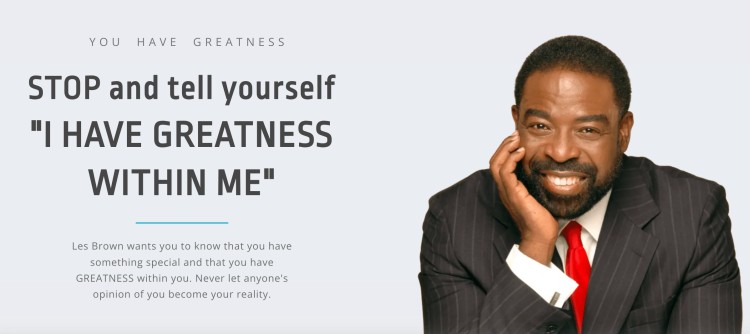
- Les Brown: High-energy and straight-from-the-heart motivational speaker who blends both traditional methods and social media to reach audiences.
- Seth Godin: His speaking ideas come from the best-selling books he wrote first, ensuring that he has a clear and refined message even before stepping on stage.
- Brian Tracy: Practices what he preaches and established a speaking academy for others who want to follow his speaking framework.
- Kindra Hall: Specialized in business storytelling, wrote books proving her expertise.
- Paul Martinelli: His talks have substance, stemming from his own sales experiences.
How to become a good motivational speaker
Motivational speaking is more than just high energy. It’s about having strong communication skills that move people, like:
- Storytelling: Craft tension-filled and relatable arcs that stick emotionally.
- Voice mastery: Practice modulation, pacing, and strategic pauses for emphasis.
- Body language: Use purposeful gestures and maintain eye contact across the room.
- Audience adaptation: Research attendees deeply and customize your examples based on who’s attending.
- Room reading: Adjust the energy and direction of the speech based on audience response.
How to be a great public speaker
Greatness happens in the preparation, not just the performance. Before you step on stage, you should:
- Know it cold: Practice speech at least 15 times with a timer. You don’t have to memorize. Just become very familiar with the flow so you can deliver, no matter what happens.
- Walk the stage: Visit the venue early, test all tech, and visualize your speech.
- Prepare backups: Just in case, prepare printed notes, a USB drive, and offline slides.
- Have a checklist: List down everything you need for the actual event and use it as a reference.
How to become a confident public speaker
Confidence comes from competence and repetition. The more you speak, the less the fear of public speaking will control you. Learn how to become confident as a public speaker and get noticed:
- Grow comfortable: Start with five-minute low-stakes talks to practice.
- Learn grounding techniques: Practice 4-7-8 breathing. Inhale for four counts, hold your breath for seven counts, and then exhale for eight counts.
- Reframe nerves as excitement: Feel the same adrenaline, but make it a different story.
- Rehearse your opening: Sometimes, the hardest part is starting. Knowing your introduction can give you the confidence to continue speaking.
- Review successful past talks before every gig: You’ve already succeeded once. You can do it again and again.
How to be a good public speaker as an introvert
You don’t have to be an extrovert to own the stage. In fact, introverts often make talented public speakers because they’re deep thinkers and empathetic listeners.
- Lean into preparation over spontaneity: Introverts excel here. Do the research and prepare scripts to get you ready.
- Start small: Choose intimate venues over massive stages initially to practice and overcome your public speaking fears.
- Use strategic pauses: You don’t have to keep talking to drive a point. Silence lets listeners take in your message and actually hear what you’re saying.
- Focus on three to five faces in the audience: If it’s daunting to speak to hundreds, just make eye contact with a few.
How to Be a Motivational Speaker for Beginners
Everyone starts somewhere. If you have fire inside you but zero track record, don’t worry. Becoming a motivational speaker is possible if you’re willing to put in the work.
Let’s look at how you can start from scratch without a budget. I’ll also show you how you can start speaking online and what you can study to support this career.
How to become a motivational speaker with no experience
If you have no experience, your first step should be to build authority.
- Write your transformation story: Let people get to know you, your struggles, your turning point, and lessons learned. This way, they can connect with you and understand what you stand for.
- Learn structure: Watch about 20 motivational speeches and note how other speakers pattern their speeches.
- Refine by watching yourself: Record a three-minute version of your speech and monitor it afterwards. Polish your mannerisms, gestures, and content.
- Gain feedback: Deliver a test speech to five listeners and improve based on their notes.
- Get experience: Speak at three free local events for real practice.
How to become a motivational speaker for free
If the budget’s tight, you don’t have to invest in speaking immediately. There are plenty of options to speak for free or find free public speaking resources.
- Speak locally: Pitch yourself to community centers offering free talks.
- Promote on social media: Share insightful content about your speaking topics on Facebook, Instagram, and LinkedIn.
- Work with groups: Offer to speak at networking groups and collect testimonials.
- Record professionally: Capture soundbites and reels from free or demo speaking gigs to build your portfolio.
- Ask for referrals: After every successful event, ask organizers to send potential public speaking opportunities your way.
How to become a motivational speaker online
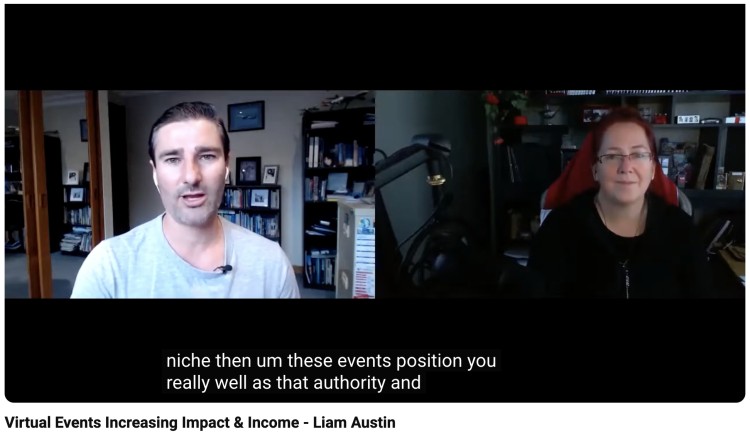
The virtual world presents a massive opportunity. You can reach a global audience without leaving your house.
- Launch virtual events: Host Zoom webinars, virtual summits, and conferences on your core topic.
- Go live: Have live events on Instagram or TikTok, sharing quick tips and interacting with your audience.
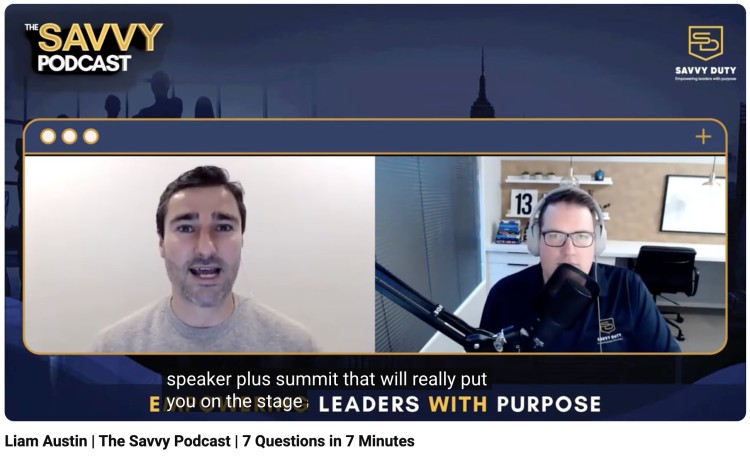
- Get booked on podcasts: Become a podcast guest on a show related to your niche. You get to be in front of a dedicated audience that sees you as an expert.
What to study to become a motivational speaker
You don’t necessarily need a degree in communications, but having related knowledge in these areas helps:
- Psychology of motivation and habit formation
- Public speaking and storytelling
- Persuasion frameworks and audience psychology
- Business of speaking (pricing, proposals, contracts)
How to Become a Successful Motivational Speaker
Success in this field is about positioning yourself in specific markets of the public speaking industry.
That means doing your homework and really looking at what different organizations and audiences need. That said, here are niche-specific public speaking tips to become a successful speaker.
How to become a motivational speaker at schools
Schools are always looking for speakers, but they have strict budgets and approval processes. To contact them and become a speaker for schools:
- Find the right contact: Look up assistant principals or activities directors directly on school websites.
- Personalize your pitch: Reference their specific student population and needs in every email.
- Offer an intro rate: Lower your fee for the first talk to get in the door and collect testimonials.
- Follow up by phone: Schools are busy but persistence and a real voice pay off.
How to become a motivational speaker for schools
If you want to speak to students, you need to be relatable and current. Prepare topics like:
- Anti-bullying: Standing up for others and creating safer social environments.
- Social media pressure: Managing anxiety and comparison in a hyperconnected world.
- Finding purpose: Looking beyond grades to discover what actually drives them.
- Building resilience: Bouncing back from failure before it defines them.
How to become a motivational speaker for women
Speaking to women’s groups means being a part of the community and advocating for empowerment. To become a compelling speaker for women:
- Find your venues: Research women’s conferences and ERGs inside companies actively seeking speakers.
- Network in the room: Show up at women-in-business events before you pitch them.
- Lead with personal stories: Share experiences that speak directly to the challenges women face in your industry.
- Use relevant proof: Back your message with women-specific case studies and testimonials.
How to become a motivational speaker for youths
Youth speakers need to be authentic. You cannot fake it with this audience, especially if you want to get their attention.
- Know their world: Study current youth culture and social media trends before stepping on stage.
- Target the right gatekeepers: Reach out to youth pastors, camp directors, and YMCAs directly.
- Go high energy: Use interactive formats that pull participation out of the audience.
- Build credibility fast: Partner with youth influencers who already have their trust.
How to become a Christian motivational speaker
If your faith is central to your message, Christian speaking is a path to consider. Here’s how you can start:
- Start local: Build genuine relationships with pastors in your own community first.
- Tell transformation stories: Write and share faith-integrated narratives that connect belief to real change.
- Start small: Speak at church small groups before pitching larger stages.
- Network intentionally: Show up at Christian conferences and workshops to meet organizers and fellow speakers.
- Publish consistently: Create faith-based content online to build your audience and your credibility.
How to Become a Paid Motivational Speaker
Moving from free or low-paid speaking engagements to commanding speaking fees that actually support your lifestyle requires strategic positioning. Paid speaking gigs aren’t about luck.
These are the steps to becoming a successful paid speaker and what credentials you should earn.
How to become a motivational speaker and get paid
To get paid, you must communicate your value. How will your speech help the organization make money, save time, or improve morale?
- Know your price and positioning: Research comparable speakers’ fees in your niche.
- Create a professional proposal template: Have a document ready for when you present your rates.
- Send out pitches: Pitch to qualified prospects who are willing to pay for your services.
- Connect with referrals: Many first clients come from referrals. Reach out and offer your services, charging discounted fees for the first gig.
How to become a professional motivational speaker
While you don’t legally need a certification, certain credentials help justify your fee, like:
- Social proof, like a published book, a large social media following, or podcast guesting
- Video testimonials from past clients
- Niche-specific certifications
- Speaking association memberships (e.g., NSA, IAAPS)
How Can I Become a Public Speaker?
Public speaking is a broader category than just motivational speaking. It includes training, workshops, becoming an emcee, and conducting educational seminars.
If your goal is to build a public speaking career across various platforms and audiences, you need a slightly different approach.
How to be a public speaker for beginners
When you start as a public speaker, one of your first goals is to get comfortable on stage.
- Organize your thoughts: Practice structuring your ideas clearly before you ever open your mouth.
- Volunteer at work: Raise your hand for meeting presentations to build low-stakes reps.
- Join Toastmasters: Show up weekly for structured practice and honest feedback.
- Study other speakers: Watch how content creators and professionals command a camera and a room.
How to become an expert public speaker
To reach expert status, you need a unique methodology or framework that you own. To get to that level, you can:
- Get a speaking coach: Invest in personalized feedback that accelerates your growth faster than self-study.
- Master storytelling frameworks: Learn advanced narrative structures that keep audiences locked in.
- Develop your signature style: Build a delivery that is distinctly and recognizably yours.
- Create a speaker website: Give event organizers a professional speaker website to evaluate and book you.
How to become a public speaker for mental health
If you’re speaking on mental health, make sure you’re informed and responsible with your advice.
- Lead with your story: Share your personal journey if you have one, but ground it in research or professional partnership.
- Get credentialed: Pursue legitimate mental health qualifications or hands-on experience before stepping on that stage.
- Build professional alliances: Partner with therapists and mental health organizations to add weight to your message.
How to become a public speaker in schools
Similar to motivational speaking, public speaking in schools involves reinforcing what students are learning in the classroom. Become a public speaker in schools when you:
- Align with curriculum: Build presentations around existing standards so teachers see immediate classroom value.
- Network with educators: Show up at education conferences where the decision makers already are.
- Tailor by grade level: Create age-appropriate presentations that actually land with each specific audience.
- Offer teacher workshops: Give educators tools they can use after you leave the building.
- Build district relationships: Think long term and position yourself as a trusted recurring resource.
How to Become a Paid Public Speaker
Building a sustainable professional public speaking business means establishing yourself as a sought-after expert. This requires strategic positioning and consistent visibility.
This could also mean targeting corporate clients or large associations since these organizations have budgets for training and development.
How to become a public speaker and get paid
Public speaking is a good career path if you know how to position yourself. Here’s what to do to start getting paid:
- Bundle your offer: Package a keynote with a workshop or follow-up coaching to increase your value and your fee.
- Create tiered pricing: Give clients at different budget levels a clear way to work with you.
- Register with speaker bureaus: Get in front of corporate clients who are already looking and already have budget.
How to Become a Certified Motivational Speaker
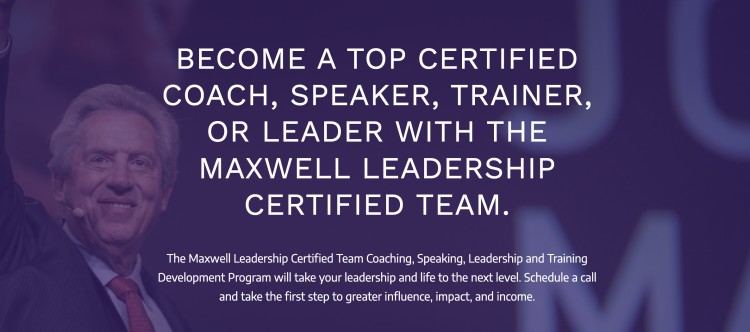
Certifications in professional speaking add credibility and can justify higher speaking fees. Several reputable organizations offer speaking certifications.
- Maxwell Leadership Certified Team: Gives you the structure and training to grow your leadership impact as a speaker, coach, trainer, or leader.
- Lakewoord University Motivational Speaker Course: Covers planning speech topics, outlines, and presentation aids.
- IAP Motivational Speaker Certificate Course Online: This self-paced program provides practical lessons on speechwriting, speaking, setting up a business, and getting hired.
How to become a certified public speaker
Here are the best public speaking certifications you can explore:
- Certified Public Speaker (PSI): Learn the essentials of public speaking and build your brand using the Luna Public Speaking Framework.
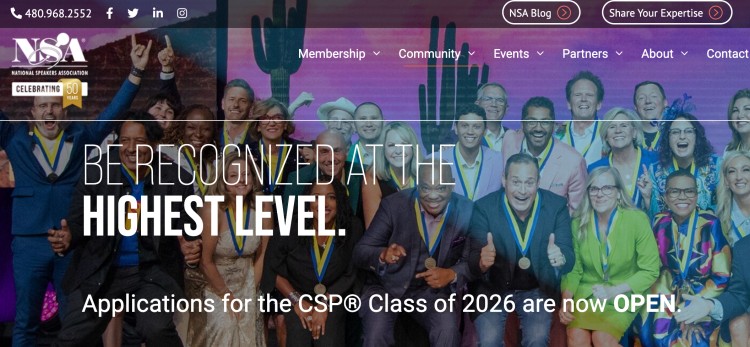
- National Speaking Association Certified Speaking Professional: This proves that you are among the top speakers globally, but requires you to go through an extensive application process.
- Toastmasters International Accreditation: If you’re already a member with good standing, you can apply to get this credential and get featured on their website.
How Much Do Professional Speakers Make?
How much you earn as a professional speaker depends on your experience and niche. To set your expectations, the average hourly rate is $24.47.
- 25th percentile: $19
- 75th percentile: $28
- Top earners: $33
If you have speaking packages or additional offers in your bundle, the final figure could increase.
How much is a typical professional speaker salary?
The average full-time professional speaker salary is $50,890 annually. The actual charge per engagement varies based on experience:
- New speakers: $500-$2,000
- Experienced speakers: $5,000-$15,000
- Top professional speakers: $25,000-$100,000+
It’s Your Turn to Set the Stage
Authority is the currency of a career in public speaking. That’s why step one of how to become a professional speaker is to establish yourself as an expert worth listening to.
Looking for a quick and simple way to get in front of an audience? Hop on a podcast and build your reputation.
With Talks, you can easily create a speaker profile and connect with hosts within the same platform.
- Personalized page: Embed your previous speaking engagements and relevant experiences. You also get a shareable custom URL.
- Direct booking: Interested hosts can book you directly via Talks.
Sign up for a free Talks Creator Profile and book speaking gigs on the most popular podcast shows left and right.