

What would you do if you had an Error 404 in real life?
Well.
I had one.
I was speaking with Anjali Sud, Vimeo’s CEO, when my brain just… didn’t brain. She asked me something unexpected about a random topic, and for a split second all I could do was tilt my head in surprise.
That little moment of panic is familiar to anyone who’s ever had a host throw out a question you weren’t ready for, gotten called on in a meeting, or had a mic shoved in your face with barely one minute to prepare not knowing what comes next.
Impromptu speaking questions give you a way to practice your communication skills for those moments before they happen.
Keep reading and I’ll teach you how to gather your thoughts quickly, find your point, and build confidence to present it clearly under pressure.
Because sometimes, the smartest thing you can say starts with figuring out what you’re going to say.
What Are Impromptu Speaking Questions?
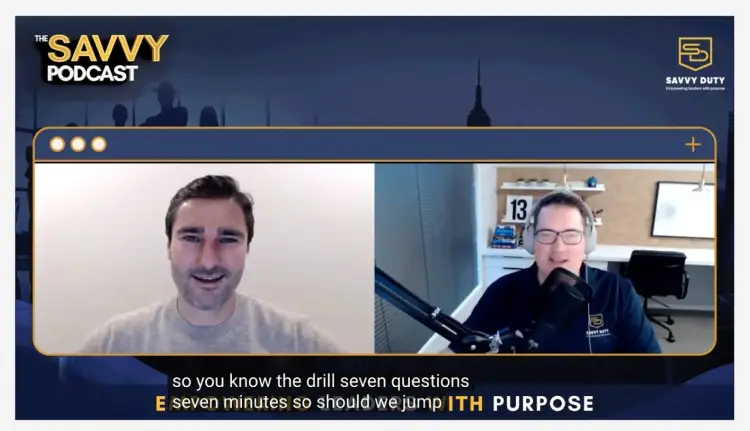
Impromptu speaking questions are commonly used questions where you answer with little or no preparation.
You might get topics for impromptu speeches during a podcast interview, presentation, meeting, networking event, or speaking engagement, then have to use your ability to think critically and speak confidently on the spot.
Impromptu questions meaning
An impromptu question asks you to think, organize, and speak in real time.
You aren’t reading from a script or working from a carefully prepared answer; instead you’re taking what you already know, forming a clear point, and using quick thinking to communicate your good impromptu topic ideas.
For speakers, coaches, authors, and entrepreneurs like you, creative impromptu is a useful public speaking skill to develop.
A strong answer or confident speech can turn an unexpected question into a memorable moment and give people another reason to remember what you have to say while simultaneously looking forward to your next impromptu speech.
Impromptu speech sample questions
Here are a few impromptu speech ideas you can use to test your delivery skills, boost confidence, and elevate your quick-thinking impromptu speaking skills:
- What’s one lesson you learned the hard way?
- What advice would you give someone starting your career today?
- What’s a common belief in your industry that you disagree with?
- What’s one habit that has made a meaningful difference in your life?
- What would you change about the way people approach success?
Give yourself 30-60 seconds to think, then answer out loud. The goal is to make your point clearly, support it with a quick example, and finish before you start talking in circles.
Examples of Impromptu Speaking Questions
The best impromptu speaking questions make you think quickly without requiring a research session first. Start with familiar subjects, then work toward questions that inspire you to challenge your opinions, reasoning, and ability to explain an idea clearly.
Easy warm-up impromptu questions examples
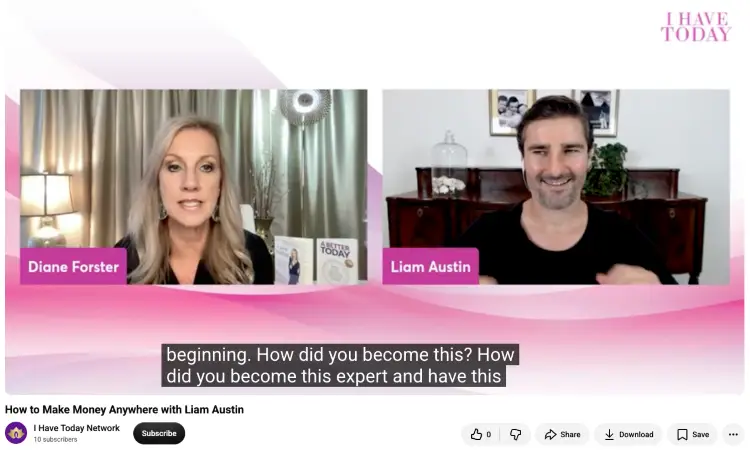
These impromptu speaking example questions are designed to get you talking quickly. The topics are familiar and low-pressure, so you can focus on answering clearly without spending too much time thinking about your response.
- What’s your favorite meal to cook?
- What’s the first thing you do in the morning?
- What’s your favorite season of the year?
- What’s a movie you can watch more than once?
- What’s your ideal weekend?
- What’s one food you could eat every week?
- What’s your favorite way to relax?
- What’s a skill you use almost every day?
- What’s your favorite type of music?
- What’s one household chore you actually enjoy?
- What’s your favorite way to spend a rainy day?
- What’s something you always keep within reach?
- What’s your favorite type of vacation?
- What’s one app you use every day?
- What’s a smell that instantly brings back a memory?
- What’s your favorite time of day?
- What’s something you collect or enjoy collecting?
- What’s the best meal you’ve had recently?
- What’s one activity that makes you lose track of time?
- What’s your favorite way to celebrate a small win?
Opinion and debate impromptu speech possible questions
These questions ask you to take a position and defend it. Give yourself a few seconds to decide what you think, then support your answer with a reason, example, or counterpoint.
- Is it better to be early or exactly on time?
- Should people answer work emails outside their normal hours?
- Is formal education still the best path to a successful career?
- Should employees be encouraged to become friends with their coworkers?
- Is it better to specialize in one skill or develop several?
- Should companies prioritize experienced candidates over enthusiastic beginners?
- Is multitasking actually productive?
- Should meetings have a strict time limit?
- Is reading fiction as valuable as reading nonfiction?
- Should people share their political opinions at work?
- Is being naturally charismatic important to land public speaking opportunities?
- Should children receive an allowance for completing household chores?
- Is handwritten note-taking better than typing?
- Should businesses publicly respond to every negative review?
- Is networking easier online than in person?
- Should people keep their personal and professional lives completely separate?
- Is a four-year degree worth the cost for most students?
- Should parents encourage children to compete with their peers?
- Is it better to make a fast decision or wait for more information?
- Should employers value personality as much as technical ability?
- Is boredom useful?
- Should people quit a project when they stop enjoying it?
- Is remote work better for introverts?
- Should schools give students more control over what they study?
- Is constructive criticism more useful than praise?
- Should successful people feel obligated to mentor others?
- Is privacy worth sacrificing for greater convenience?
- Should companies allow employees to work four 10-hour days instead of five 8-hour days?
- Is being well-liked more valuable than being respected?
- Should people share their salaries with friends and coworkers?
Hypothetical impromptu speech practice questions
Hypotheticals force you to make a decision with limited information. They’re especially useful for practicing quick reasoning because you have to choose a response, explain your thinking, and deal with the consequences.
- What would you do if you woke up tomorrow and had no access to the internet?
- What would you do if you were offered your dream job in another country?
- How would you spend a year if you didn’t need to earn money?
- What would you do if you discovered a close friend had lied to you about something important?
- How would you handle being asked to give a speech with five minutes of notice?
- What would you do if your phone stopped working for an entire month?
- How would you react if you received an invitation to speak to 10,000 people tomorrow?
- What would you do if you could instantly become fluent in one language?
- How would you respond if your business suddenly doubled its customers overnight?
- What would you do if you had to move to a city you’d never visited?
- How would you handle losing everything stored on your computer?
- What would you do if you could spend one day observing any profession?
- How would you respond if someone publicly took credit for your work?
- What would you do if you had to teach a class on a subject you knew nothing about?
- How would you spend $1 million if you had to use every dollar within 24 hours?
- What would you do if you were given the chance to relive one day from your past?
- How would you handle being assigned to lead a team of people who didn’t want you in charge?
- What would you do if you had to choose between keeping a valuable opportunity or helping a friend?
- How would you respond if your biggest competitor offered you a partnership?
- What would you do if you had to give up one piece of technology permanently?
- How would you handle discovering that a major decision you’d made was based on incorrect information?
- What would you do if you could ask one question to your future self?
- How would you respond if you were given 30 days to launch a completely new business?
- What would you do if you suddenly became responsible for organizing a large community event?
- How would you react if you were told you had one week to prepare for a podcast interview?
Problem-solving questions to practice impromptu speaking

These questions are designed to make you think quickly and speak without a script. Give yourself 30-60 seconds to prepare, then answer out loud without restarting if you stumble.
- What’s one skill you wish you had learned earlier?
- What’s something you believe that most people disagree with?
- What would you do with $10,000 today?
- What makes someone a good communicator?
- What’s one lesson failure taught you?
- What’s the best career advice you’ve received?
- What’s one thing you’d change about your industry?
- What makes a great podcast guest?
- What’s one habit you’d recommend to a busy entrepreneur?
- What would you do if you suddenly lost your primary source of income?
- What’s one mistake people make when trying to build an audience?
- What makes a story worth telling?
- What’s one opinion you’ve changed in the last five years?
- What would you teach if you had to give a 10-minute class tomorrow?
- What’s one question you’d ask your future self?
Impromptu speech personal questions
Personal questions work well for impromptu practice because you already have the raw material. The challenge is turning a real experience, preference, or belief into a clear answer without rambling.
- What’s something you’re proud of accomplishing?
- What’s the hardest decision you’ve ever made?
- Who has had the biggest influence on your life?
- What’s one experience that changed how you see the world?
- What’s something you used to believe that you no longer believe?
- What’s one habit you’re currently trying to build?
- What’s the best compliment you’ve ever received?
- What’s something you’re surprisingly good at?
- What’s one fear you’ve learned to manage?
- What’s the most memorable trip you’ve taken?
- What’s one failure you’re grateful you experienced?
- What’s something you wish you could tell your younger self?
- What’s one moment you’d happily relive?
- What’s something people often misunderstand about you?
- What’s one personal value you refuse to compromise?
- What’s a skill you learned from someone in your family?
- What’s one tradition you’d like to keep for the rest of your life?
- What’s a compliment you still remember years later?
- What’s one ordinary moment that became unexpectedly meaningful?
- What’s the kindest thing a stranger has ever done for you?
- What’s a personal rule you try to follow?
- What’s something you’ve become more confident about with age?
- What’s a hobby you’d like to become better at?
- What’s one challenge that revealed something about your character?
- What’s a place that feels especially meaningful to you?
- What’s something you do that instantly helps you feel more focused?
- What’s one personal achievement that wouldn’t appear on your resume?
- What’s a decision you made that took you completely outside your comfort zone?
- What’s something you appreciate now that you once took for granted?
- What’s one part of your personality you’ve learned to embrace?
Impromptu speech questions about life
These questions zoom out from your personal story and ask you to think about bigger ideas: happiness, purpose, relationships, change, aging, freedom, and the choices people make.
- What makes a good life?
- What does success mean to you?
- Is happiness a choice?
- What matters more: freedom or security?
- Why do people fear change?
- What makes a person truly fulfilled?
- Can money buy happiness?
- What should people prioritize in their 30s?
- Why do people stay in situations they know they’ve outgrown?
- What does it mean to live with purpose?
- Is failure necessary for growth?
- What makes a relationship last?
- How much should people care about other people’s opinions?
- What’s one life lesson everyone eventually learns?
- What makes someone resilient?
- Why do people compare their lives to others?
- How much of life should be planned in advance?
- What role should luck play in how we judge success?
- Why do people find it difficult to say no?
- What makes someone feel that their life has meaning?
- How does getting older change what people value?
- When should a person take a major risk?
- What can people learn from spending time alone?
- Why do some people find it difficult to forgive?
- How much control do people really have over their future?
- What makes a friendship survive major life changes?
- Why do people resist asking for help?
- How should people decide what deserves their time?
- What makes a person wise?
- What should people care less about as they get older?
Impromptu speech questions about social issues
These are built for arguments, policy discussions, and controversial impromptu speaking topics. They give you practice taking a position, explaining your reasoning, and handling an issue with multiple sides.
- Should social media platforms be responsible for misinformation posted by users?
- Should college education be free at public universities?
- Should governments provide universal basic income?
- Should companies be required to publish salary ranges?
- Should voting be mandatory?
- Should schools ban smartphones during class?
- Should cities charge drivers to enter crowded downtown areas?
- Should employers offer paid parental leave to every worker?
- Should the voting age be lowered to 16?
- Should governments regulate how companies use artificial intelligence?
- Should public transportation be free in major cities?
- Should wealthy individuals pay higher taxes?
- Should schools teach students how to spot misinformation online?
- Should companies be allowed to monitor employees while they work remotely?
- Should there be stricter limits on political advertising online?
- Should governments restrict short-term rentals in areas with housing shortages?
- Should people be allowed to use facial recognition technology in public spaces?
- Should schools replace some traditional exams with project-based assessments?
- Should companies be required to disclose their environmental impact?
- Should parents face limits on how much they can post about their children online?
- Should governments set a legal minimum age for social media accounts?
- Should tipping be replaced by higher guaranteed wages for service workers?
- Should four-day workweeks become the standard for office jobs?
- Should cities build more housing even when local residents oppose new development?
- Should employers be prohibited from asking job applicants about their previous salary?
- Should governments place limits on how much personal data companies can collect?
- Should schools provide free meals to every student?
- Should news organizations be required to clearly label AI-generated content?
- Should companies compensate people for personal data used to train AI systems?
- Should governments provide financial incentives for people to use public transportation?
Comparison/choice impromptu speech topic ideas and prompts
These questions cover a wider range of subjects, giving you different angles to practice explaining, defending, comparing, and reflecting on ideas.
- How will artificial intelligence change the way people work?
- Why do some people choose entrepreneurship over traditional employment?
- What makes someone an effective leader during difficult times?
- What should every student learn before graduating high school?
- Which technology has changed everyday life the most?
- Can creativity be developed through practice?
- Why do some people struggle to manage money?
- What makes a career worth staying in for decades?
- Why are some ideas easier to communicate than others?
- What makes a friendship last for decades?
- Which daily habit has the biggest impact on your quality of life?
- What can traveling teach people that staying home can’t?
- What makes a book worth recommending?
- How has social media changed the way people communicate?
- What makes a workplace enjoyable?
- How should someone respond after experiencing a major setback?
- How should people define success for themselves?
- Why do some new ideas catch on while others disappear?
- What makes people feel connected to their community?
- What kind of experience can permanently change someone’s perspective?
Creative impromptu speaking questions for storytelling
These prompts give you a story to tell instead of a position to defend. Focus on the moment, what happened, what you did, and what the experience taught you.
- Tell a story about the first time you realized you were good at something.
- Describe a time you walked into a situation completely unprepared.
- Tell a story about an unexpected conversation that stayed with you.
- Describe the funniest mistake you’ve made in front of other people.
- Tell a story about a stranger who helped you when you needed it.
- Describe a time you had to make an important decision quickly.
- Tell a story about a project that turned out very differently from what you expected.
- Describe a moment when someone gave you advice that changed your approach.
- Tell a story about the first time you spoke in front of an audience.
- Describe a time you completely misunderstood someone’s intentions.
- Tell a story about an opportunity that appeared at an unexpected moment.
- Describe a time you had to admit that you were wrong.
- Tell a story about something you tried for the first time as an adult.
- Describe a moment when you realized a plan wasn’t going to work.
- Tell a story about a conversation that changed your career direction.
- Describe the most awkward professional interaction you’ve experienced.
- Tell a story about a time you made someone laugh when they needed it.
- Describe a moment when you surprised yourself with how you handled a difficult situation.
- Tell a story about something you built, created, or organized from scratch.
- Describe a time you received unexpected recognition for your work.
- Tell a story about a day that started badly and ended surprisingly well.
- Describe a time you had to persuade someone who initially disagreed with you.
- Tell a story about a place that looked completely different from what you expected.
- Describe a moment when a small decision had a much bigger consequence than you anticipated.
- Tell a story about something you nearly gave up on but decided to continue.
Abstract and philosophical topics for impromptu speeches
These questions are intentionally open-ended. They force you to define what you mean, build an argument, and make a case without relying on a straightforward factual answer.
- What makes something truly valuable?
- Can two people experience the same event and have completely different realities?
- What makes a decision morally right?
- Does having more knowledge always make someone wiser?
- What makes an idea become a belief?
- Can people ever be completely objective?
- What gives a person authority?
- Is truth always worth knowing?
- What makes something beautiful?
- Can freedom exist without responsibility?
- What makes an action courageous?
- How much should intent matter when judging someone’s actions?
- Can technology change human nature?
- What makes a person deserving of trust?
- Does progress always improve people’s lives?
- What makes an opinion worth respecting?
- Can something be successful and still be considered a failure?
- What makes an experience meaningful?
- How should people decide what is worth pursuing?
- What does it mean to live a good life?
Professional and business impromptu speech ideas
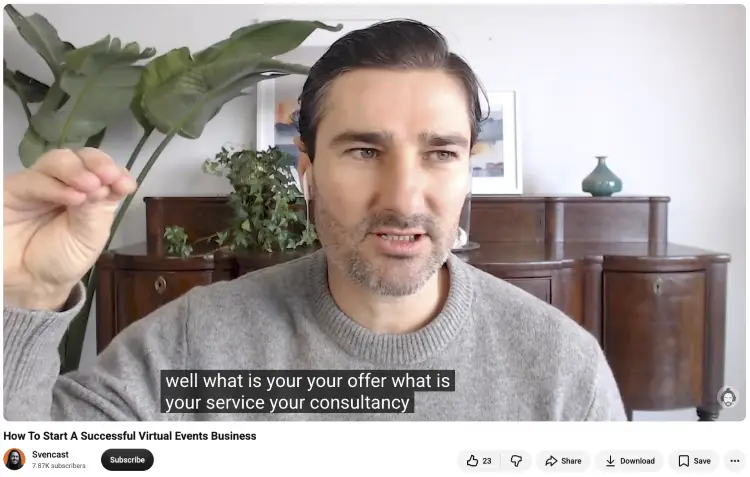
These prompts put you in a business setting and ask you to think like a founder, leader, consultant, or expert. Keep your answer grounded in practical decisions, trade-offs, and real-world experience.
- What should a founder focus on during their first 90 days?
- How should a business decide which customers to serve?
- What makes an offer easy for customers to understand?
- How can a company build credibility before it has many clients?
- What should a business measure beyond revenue?
- How should leaders decide which tasks to delegate?
- What makes a sales conversation effective?
- How can a small company compete with a much larger competitor?
- What should an entrepreneur look for before hiring their first employee?
- How can experts turn their knowledge into a paid offer?
- What makes a brand memorable in a crowded market?
- How should a business respond when customer demand changes?
- What makes someone a strong manager?
- How can leaders create accountability without micromanaging?
- What should entrepreneurs consider before raising outside funding?
- How can a company turn one-time customers into repeat customers?
- What makes a good business partnership?
- How should experts choose which opportunities to accept?
- What should a founder do when revenue becomes unpredictable?
- How can a business test a new offer before investing heavily in it?
- What makes a professional network genuinely useful?
- How should companies decide which marketing channel deserves more attention?
- What should an entrepreneur look for when choosing a co-founder?
- How can an expert demonstrate authority without constantly promoting themselves?
- What makes a business worth recommending to someone else?
Interview-style impromptu speaking questions
These sound like questions you might hear from a podcast host, journalist, conference moderator, or potential client. Practice answering directly, then add enough detail to make the response worth remembering.
- How did you get started in your field?
- What do people usually get wrong about your work?
- What separates your approach from other experts in your space?
- What has surprised you most about your career?
- What problem are you most interested in solving right now?
- What experience had the biggest impact on how you work today?
- What do you wish more people understood about your industry?
- What’s the biggest misconception about your area of expertise?
- How has your thinking evolved since you started?
- What question should people be asking about this topic?
- What’s a result you’re especially proud of helping someone achieve?
- What’s one assumption about your field you’d challenge?
- How do you decide which ideas are worth pursuing?
- What do you think will matter most in your industry over the next few years?
- What’s something you believe your audience needs to hear right now?
- How do you explain your expertise to someone encountering it for the first time?
- What’s one lesson your clients or customers have taught you?
- What part of your work do you find most intellectually interesting?
- What’s a question you’re still trying to answer yourself?
- If people remember one idea from your work, what should it be?
Curveball impromptu speaking questions
Curveballs are designed to disrupt your usual answer patterns. They can be funny, unexpected, oddly specific, or deliberately difficult, which makes them useful practice for staying composed when a conversation takes an unexpected turn.
- If your career had a warning label, what would it say?
- What would your closest friend say is your most predictable habit?
- If you had to explain your job using only three objects, what would you choose?
- What’s the strangest piece of advice you’ve ever followed?
- If you could delete one word from the business vocabulary, what would it be?
- What question would you least want a podcast host to ask you?
- If your industry disappeared tomorrow, what skill would you rely on first?
- What would you do if everyone suddenly agreed with your most controversial opinion?
- If you had to give a keynote wearing a ridiculous costume, how would you handle it?
- What’s the most useless talent you have?
- If you could swap careers with anyone for one week, who would you choose?
- What would your younger self find strangest about your life today?
- If you could make one business rule that every company had to follow for a year, what would it be?
- What’s a question you could answer for an hour without getting bored?
- If someone handed you a microphone and told you to entertain a room for five minutes, what would you talk about?
- What would happen to your business if you could only communicate with customers by phone for a month?
- If your personality were a type of business, what would its biggest selling point be?
- What’s one opinion you could defend for ten minutes with absolutely no preparation?
- If you had to rename your profession, what would you call it?
- What’s the first thing you’d say if a podcast host told you, “You have 30 seconds to change my mind”?
Best impromptu speech example questions and answers
Focus on answering these impromptu speech example questions directly, add one or two supporting details and stop once you’ve made your point.
- What makes an explanation easy to understand?
- How do you decide what details to leave out when explaining something?
- What makes a good first impression in a professional setting?
- How can someone make a complex idea interesting to a general audience?
- What makes people willing to listen to an unfamiliar perspective?
- How do you decide how much context someone needs before hearing your main point?
- What makes an example more useful than a general explanation?
- How can someone tell if their message actually reached the audience?
- What makes a speaker authentic?
- How do you handle realizing halfway through an answer that your original point was wrong?
- What makes a useful question from an audience member?
- How can someone make technical information accessible to non-experts?
- What makes a professional introduction memorable?
- How do you decide when an explanation needs a visual example?
- What makes someone worth listening to for ten minutes?
- How can a speaker recover after losing their train of thought?
- What makes a response sound thoughtful instead of overly rehearsed?
- How do you explain something you understand intuitively but struggle to put into words?
- What makes a speaker’s example feel relevant to an audience?
- How can someone make a short answer feel complete?
How to Speak Impromptu (Checklist)
You don’t need a perfectly polished answer when someone puts you on the spot. Grab this quick checklist anytime to organize your thoughts, make your point and keep yourself moving.
☐ Pause briefly: Give yourself a few seconds to think before you start speaking.
☐ Identify your point: Decide what you want the listener to remember from your answer.
☐ Lead with your answer: State your main idea early instead of circling around it.
☐ Add one example: Use a quick story, fact, or personal experience to support your point.
☐ Keep your structure simple: Use a beginning, middle, and ending to keep your answer on track.
☐ Watch the clock: Aim for a concise response unless the situation calls for more detail.
☐ Finish cleanly: End once you’ve made your point instead of adding unnecessary explanations.
How to practice impromptu speaking
The fastest way to get more comfortable speaking without preparation or paying for public speaking courses is to practice speaking without preparation.
Build quick speech exercises into your day using easy impromptu speech topics so finding your words and being persuasive becomes second nature to you.
- Pick a random question: Choose one from this article or have someone give you one without warning.
- Set a timer: Start with 30 seconds, then work up to one, two, and three minutes.
- Record your answer: Review your recording for clarity, pacing, repetition, and filler words.
- Practice from keywords: Write down three random words and connect them in one answer.
- Change the subject: Jump between unrelated topics so you learn to adapt quickly.
- Practice after a distraction: Answer funny impromptu speech topics immediately after another task to recreate spontaneous real-world interruptions.
- Review your strongest answers: Note the structures and phrases that helped you respond naturally.
How to improve impromptu speaking
Improvement in public speaking comes from paying attention to what happens during your answers to topics for impromptu questions, then deliberately working on the weak spots.
Focus on one skill at a time instead of trying to fix everything in a single practice session.
- Reduce filler words: Replace repeated “um,” “like,” and “you know” with a short pause.
- Slow your pace: Speaking slightly slower gives your brain more time to organize the next thought.
- Strengthen your openings: Start with your answer so listeners immediately know your position.
- Use specific examples: Concrete details make an answer easier to follow and remember.
- Vary your delivery: Change your pace, emphasis, and tone to keep your voice engaging.
- Cut repeated points: Once you’ve made an idea clearly, move on and present the next one.
- Study your recordings: Look for patterns you can target in your next practice round and read up on public speaking tips on how to become a confident speaker in public..
10 Beginner-friendly impromptu speech tips to help you speak confidently
Keep these ten tips in mind the next time you’re handed a question you didn’t prepare for. A calm pause and a simple structure can take you a long way.
- Pause before answering: A few seconds of silence can help you collect your thoughts.
- Start with what you know: Lead with the part of the topic you understand best.
- Answer the actual question: Don’t wander into a different topic because it’s easier to discuss.
- Use a simple structure: Try point, reason, example, and conclusion.
- Tell a short story: A relevant personal experience can make an abstract answer concrete.
- Think in headlines: Reduce your main idea to one sentence before expanding on it.
- Embrace the pause: Silence sounds far more confident than frantic filler words.
- Watch your public speaking body language: Keep your posture relaxed and maintain natural eye contact.
- Don’t chase perfection: A clear, genuine answer beats a memorized-sounding speech.
- End when you’re done: Once you’ve answered the question and made your point, stop.
Talks Impromptu Speaking Topics Generator
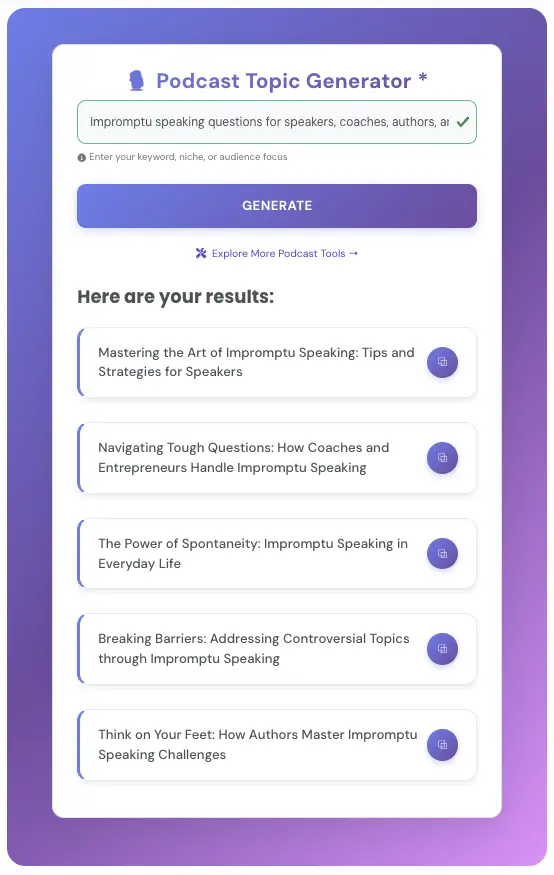
Need a topic to practice with? The Talks topic generator gives you a starting point in seconds. Enter a keyword, niche, or audience focus, then use the result as your next impromptu speaking challenge.
For example, you could generate topics around:
- Mastering the art of impromptu speaking: Practice explaining how you stay composed and communicate clearly without preparation.
- Handling tough questions: Talk through how you’d respond to a difficult question from a podcast host, client, or audience member.
- Spontaneity in everyday life: Share a story about a time you had to think quickly and make a decision on the spot.
- Controversial topics: Choose a divisive issue and explain your position while acknowledging another perspective.
- Impromptu speaking challenges for authors: Discuss how you’d explain one of your ideas when someone asks you about it without warning.
Impromptu speech questions and answers sample conversation
One way to practice is to turn a generated topic into a question, then answer it as if someone had asked you on a podcast or during a live conversation.
Example conversation:
Host: How do you handle tough questions when you don’t have time to prepare?
Guest: I give myself a second to actually think about what they’re asking. Then I try to answer the question as directly as I can. If I have a personal story that illustrates the point, I’ll use it. I think people can forgive a short pause while you’re thinking. They have a much harder time following an answer that wanders all over the place.
Host: What if you genuinely don’t know the answer?
Guest: I’d say that. Then I’d share what I do know and explain how I’d approach finding the answer. You can be honest about what you don’t know while still contributing something useful to the conversation.
That’s the skill you’re practicing: thinking clearly while the conversation is already progressing.
This Is How You Always Stay Ready
Your next best impromptu speaking questions could come from a podcast host, a client, or someone in your audience. Practice now, and you’ll have a better shot at turning that surprise into an iron-clad answer.
And when you’re ready to put those skills in front of new audiences, create your free Talks profile.
Hosts are already looking for interesting experts to feature, and your next interview could be the opportunity you didn’t see coming.
Want to get booked on podcasts? Create your free Talks profile.


