

You could be brilliant at what you do, but if people can’t see the value in it, trying to persuade or motivate them to listen, buy, book, or work with you becomes a whole lot harder even with logical reasoning or common ground.
I’ve spent years interviewing experts, hosting conversations, and hearing how successful entrepreneurs communicate their ideas. And one thing I’ve picked up? The way you explain something can change how you convince someone with your logical arguments to change their beliefs.
Persuasive communication examples can help you get better at pitching your services through good communication and persuasive power, writing sales emails to communicate with clarity, introducing yourself at networking events, leading a team with top authority or expertise, and presenting your ideas to build trust.
I’ll walk you through multiple situations and examples of persuasive techniques, show you what makes each good persuasive approach effective, and share ways to put these persuasive communication techniques to work in your own business.
What Is Persuasive Communication?
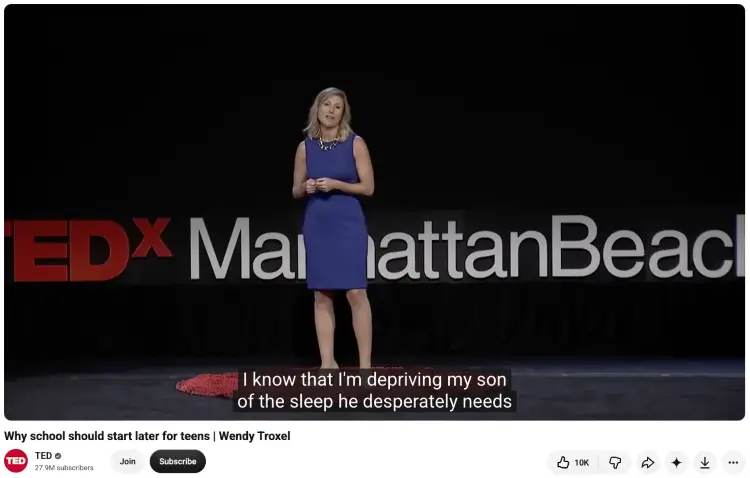
Persuasive communication is the skill of influencing what people think, feel, and do through the words, stories, and evidence you choose. Here’s how it plays out:
You’re 10 minutes into a Zoom call with Dana, who runs a 3-person bookkeeping firm in Tampa. She’s nodding, her camera’s on, and then she says, “This sounds great, but I need to think about it.”
Your cursor hovers over the Leave button, and you have about 20 seconds to give her something to hold onto or watch her slip away.
Her decision lives in three places:
- Her thinking: She needs one reason to believe your program works for a firm her size, like a client with two employees who cut month-end close from 9 days to 4.
- Her feelings: She needs to feel understood, so say back the thing she told you in minute three about dreading every quarterly tax deadline.
- Her next move: She needs one small step she can say yes to today, such as a 15-minute kickoff slot on Thursday that costs her nothing to hold.
What’s the difference between persuasion and communication?
Communication gets your message across, while persuasion encourages someone to consider an idea or take action. You can see the difference in how a coach introduces their services:
- Communication: “I offer an 8-week business coaching program with weekly calls and marketing support.”
- Persuasion: “Imagine having a clear weekly sales plan, knowing which leads to follow up with, and bringing in clients without spending every evening chasing prospects.”
Why is persuasive communication important?
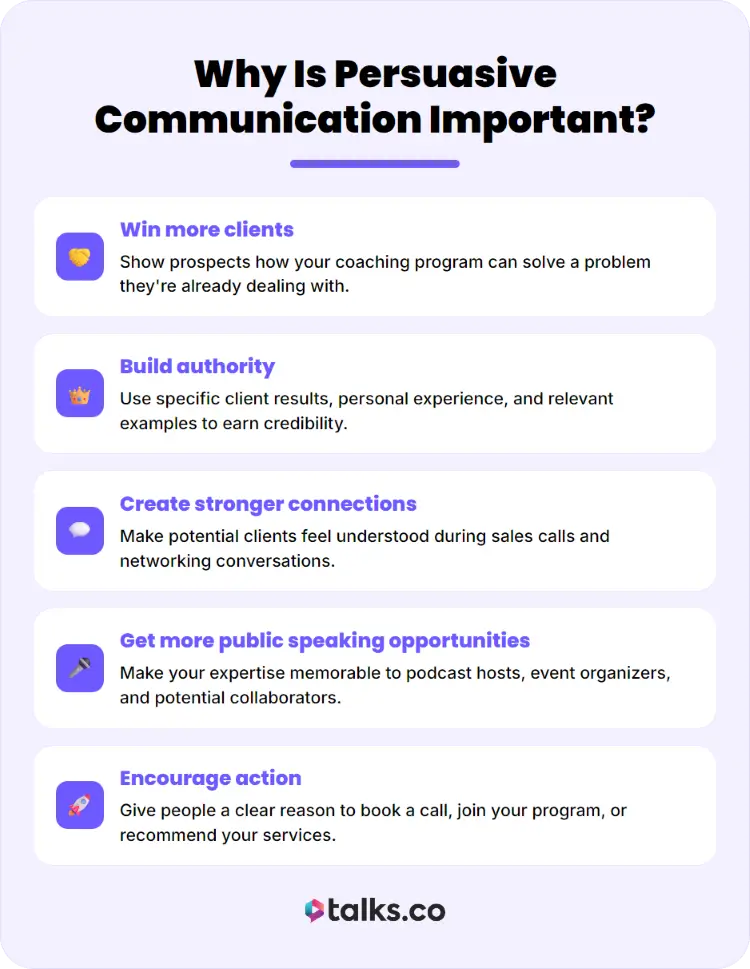
Have you ever watched someone explain their business so clearly that you immediately wanted to know more? That’s the value of persuasive communication in action. It helps coaches, speakers, authors, and entrepreneurs:
- Win more clients: Show prospects how your coaching program can solve a problem they’re already dealing with.
- Build authority: Use specific client results, personal experience, and relevant examples to earn credibility.
- Create stronger connections: Make potential clients feel understood during sales calls and networking conversations.
- Get more public speaking opportunities: Make your expertise memorable to podcast hosts, event organizers, and potential collaborators.
- Encourage action: Give people a clear reason to book a call, join your program, or recommend your services.
Effective Persuasive Communication Examples
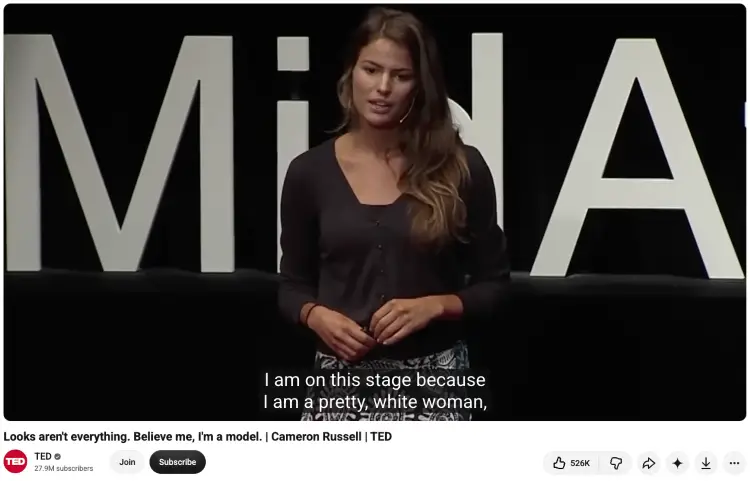
Effective persuasive communication examples sound like a real person talking about one specific problem, with a number, a name, or a moment in the line.
Each of the 12 examples below shows a weak line, an effective line, and why the effective one works, across sales calls, emails, networking, presentations, leadership, marketing, and podcast interviews.
Persuasive communication methods
Persuasive communication methods come down to three levers, credibility, emotion, and logic, and each example here pulls one of them. Our guide to ethos pathos logos examples goes deeper on each lever.
1. Podcast interview (credibility): A host asks, “So, what do you do?”
- Weak: “I help people with their marketing.”
- Effective: “I’m Liam Austin, I’ve launched 15 virtual summits, hosted over 400 speakers, and held over 1,000 appointments with people who wanted to become clients.”
- Why it works: Three counts the host can check make the claim believable, and the appointments show the result.
2. Marketing page (emotion): A landing page headline for a free workshop checklist.
- Weak: “Download our workshop checklist.”
- Effective: “Fill your courses and programs in just 90 minutes with a virtual workshop, even if you don’t have an email list or funnel.”
- Why it works: The first half names the outcome a coach wants, and the second half calms the fear that stops them from starting.
3. Sales email (logic): A follow-up from a hypothetical consultant after a free audit.
- Weak: “Just following up to see if you’re interested.”
- Effective: “Your last three webinars had 140 registrants and 22 attendees. A text reminder an hour before start can lift show-up rates by 5% to 10%, and I can set one up with you on a 15-minute Google Meet this Thursday.”
- Why it works: The reader sees their own numbers and one concrete fix, which makes the follow-up feel like help.
Persuasive communication skills
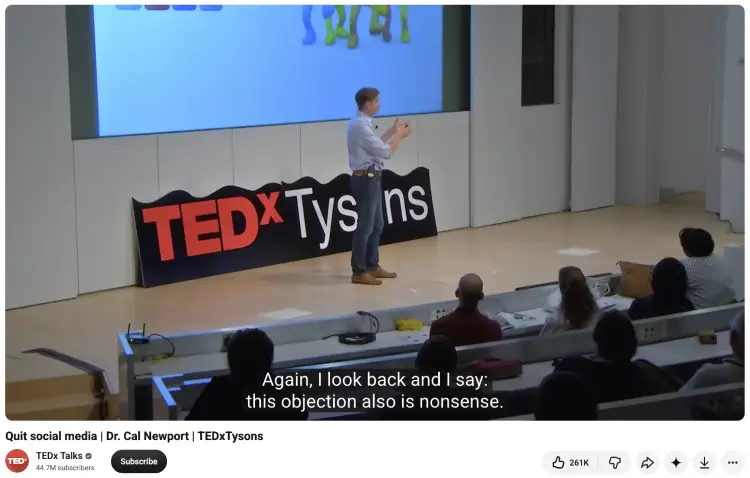
Persuasive communication skills are habits you build before the conversation starts: listening closely, simplifying your message, and saying your value in a single sentence.
4. Sales call (listening): Ten minutes into a discovery call on Zoom.
- Weak: “Let me tell you about my program.”
- Effective: “You said you’ve run four launches and still can’t predict next month’s income. Is that the first thing you’d want fixed?”
- Why it works: Repeating their words shows you heard them, and the question lets them choose the problem. I always listen first, then pick the fastest path for that client.
5. Presentation (simplifying): A talk to a room of first-time coaches.
- Weak: “We leverage multichannel top-of-funnel acquisition to optimize conversion.”
- Effective: “There are three steps: build one offer people want, get in front of other people’s audiences, and hold a simple conversation that ends in a yes.”
- Why it works: Three plain steps are easy to remember and easy to repeat to someone else, and they double as a simple persuasive speech outline.
6. Networking (value statement): An introduction at a chamber of commerce mixer in Denver, where the emcee asks every guest for a 15-second intro.
- Weak: “I’m a coach.”
- Effective: “I help first-time authors go from a finished draft to launch week with 200 pre-orders.”
- Why it works: It names who you help and what they get, so the listener knows exactly who to send your way.
Persuasive communication style
A persuasive communication style is how you shape one message for different listeners, and three styles cover most situations: direct, story-led, and data-led. Our persuasive speech examples show more of each.
7. Leadership update (direct): A message to your team in Slack.
- Weak: “We’re exploring some changes to how we handle client onboarding.”
- Effective: “Starting November 3, every new client gets a 20-minute kickoff call. Here’s the reason, and here’s what changes for you this week.”
- Why it works: A date, a reason, and a personal impact give people less to guess about.
8. Presentation opening (story-led): The first line of a talk on business planning.
- Weak: “Today I’ll talk about writing a business plan.”
- Effective: “My first business plan ran past 10 pages, and almost nobody read it.”
- Why it works: A short, honest story gets the audience leaning in, and it sets up the one-page plan as the answer.
9. Client proposal (data-led): A proposal from a hypothetical workshop consultant.
- Weak: “This will help your business grow.”
- Effective: “My last three workshops averaged 40 live attendees, and a quarter of them booked a call. Plan on about 10 booked calls from your first one.”
- Why it works: A track record sets a realistic benchmark, so the client can judge the odds before they say yes.
Persuasive communication examples in real life

Persuasive communication examples in real life tend to show up when money or trust changes hands, so these three come from my own work with sponsors, pricing, and podcast hosts.
10. Sponsor pitch (podcast host): A small podcast asking a brand for a deal.
- Weak: “I only get 1,000 downloads.”
- Effective: “I speak to 1,000 highly engaged fitness-studio owners every month who trust my recommendations, and many are the ones who buy.”
- Why it works: Sponsors care about alignment and audience quality, so describing who listens works better than apologizing for the size.
11. Pricing conversation (coach): A prospect asks what it costs.
- Weak: “It’s $75 an hour, but I can go lower.”
- Effective: “The six-week program is $1,800 and includes your offer, your outreach script, and two calls a week.”
- Why it works: Pricing the transformation and stacking tools around it gives a number worth paying. Beginners often undercharge because they price by what they’d pay themselves.
12. Podcast guest pitch (email): A cold email to a host.
- Weak: “Hi, I’d love to be on your show! I’m a coach.”
- Effective: “Hi Priya, your episode on referrals made me rethink my welcome email. During my virtual summits, 15% to 25% of new leads came from referrals, and I’d show your listeners how to build that in.”
- Why it works: Pitching a specific show with a specific topic gives the host a reason to say yes, which is how you get booked on podcasts. It’s also the approach I use when I look for shows that accept guests.
10 Persuasive Communication Best Practices
Strong persuasive communication helps you explain your value, earn trust, and give people a reason to act. Use these 10 practices in your next sales call, podcast interview, presentation, or networking conversation.
- Know your audience: Research the problems your ideal clients discuss before pitching your $3,000 coaching program.
- Lead with their problem: Address a familiar struggle, such as spending hours creating Instagram content without booking clients.
- Use specific examples: Replace “more engagement” with “a 40% open rate across your last three emails.”
- Show your credibility: Mention relevant experience, qualifications, and results from previous client projects.
- Simplify your message: Explain email marketing through a practical three-email sales sequence.
- Tell relevant stories: Share how a client went from struggling with LinkedIn leads to booking three consulting clients after changing her content strategy.
- Use social proof: Include testimonials explaining a client’s original challenge, experience, and measurable results.
- Address objections: When a prospect says “I need to think about it,” ask which part they want to think through, then answer that one.
- Choose your timing: Share useful advice during a podcast interview before introducing your book or paid program.
- Give a clear next step: Invite virtual summit attendees to download your sales call checklist or book a discovery call.
15 Common Persuasive Communication Topics
Persuasive communication covers everyday situations across business, marketing, leadership, and public speaking. These 15 topics offer specific starting points for presentations, speeches, and group discussions.
- Persuasion in virtual workshops: Moving from teaching to offering a call without a hard pitch.
- Persuasion in group coaching: Helping a hesitant prospect see how learning alongside peers speeds up their results.
- The psychology of persuasion: How authority, urgency, and reciprocity influence buying decisions.
- Persuasion in digital marketing: Picking one main channel and one message to repeat for 30 days.
- Persuasion in email newsletters: Writing subject lines and openers that earn the open and the reply.
- Ethical persuasion in business: Explaining program costs, deliverables, and realistic outcomes.
- Persuasive leadership: Getting employees to support a proposed four-day workweek.
- Persuasion in referrals: Asking happy clients to introduce you to people who need the same result.
- Body language and persuasion: Using eye contact, posture, and gestures during presentations.
- Persuasion in public speaking: Opening with the audience’s biggest question and pausing after key points, the heart of any persuasive speech.
- Emotional appeals in advertising: Connecting a fitness program with customers’ personal health goals.
- Persuasion in partnerships: Proposing a joint webinar to a coach who serves a similar audience.
- Persuasion in podcast interviews: Communicating your expertise through useful answers and memorable examples.
- Personal branding and influence: Using LinkedIn posts and a consistent headline so people recognize your name, the way every content creator builds a following.
- Persuasion in follow-up: Choosing the right moment and channel to check in after a prospect goes quiet.
For more ideas, browse these persuasive speech topics.
Talk Your Way Into Opportunities
Persuasive communication examples show you how to turn everyday conversations into paying clients, podcast interviews, speaking invitations, and business opportunities instead of constantly trying to convince others who are not likely to follow your expert advice. But those opportunities only happen when the right people hear what you have to say.
I’ve spent years connecting experts with podcast hosts, and I’ve seen how one conversation can put someone’s expertise in front of thousands of potential customers. You can create those opportunities for yourself, too.
With Talks, you can create a free creator profile, match with relevant podcast hosts, and start connecting with shows in your niche. Other experts are already getting booked. Why leave those opportunities on the table?
Create your free Talks profile and start getting heard.


