Anti-aging Speakers
You've got a wellness event coming up, and aging well is on the agenda.
Typing 'anti-aging speaker' into a search bar gives you a sea of random results.
Who actually knows their stuff? Who can speak to your audience with clarity, science, and a bit of spark?
Finding great anti-aging speakers shouldn't feel like digging for buried treasure.
Maybe you're planning a summit, a podcast episode, or a YouTube series.
You want someone who can break down complex health topics and actually offer something useful.
How do you spot the difference between a qualified expert and someone who just jumped on a trend?
This guide pulls together standout anti-aging speakers who bring substance and style.
I've seen how the right speaker can shift the energy in a room or leave a podcast audience genuinely thinking.
These are the voices worth hearing if you care about longevity and wellness.
Take a look, get inspired, and book someone who fits your event like a glove.
Top Anti-aging Speakers List for 2026
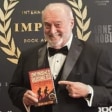
Dean Walters
Getting older is inevitable; feeling older is optional.
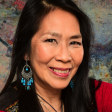

Alan Rathburn
Transforming lives through chiropractic care and wellness expertise!


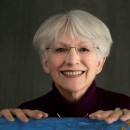
Marie Morgan
Redefining life after 60 as our Prime Time

Sarah Cormack
Using personalized nutrition to lose stubborn menopause weight, balance your hormones and help you look and feel like yourself again!

Jody Teiche
THINK AND GROW YOUNG™ with Wellness Visionary, People & Pet Health Coach, Jody L. Teiche

Roger Hawkins
Wellness Educator and Coach Empowering Seniors to Thrive With Vitality and Purpose

What Makes a Great Anti-aging Speaker
Great anti-aging speakers are educators, yes, but they're also translators. They take complex science-like telomere shortening, senescence, or NAD+-and turn it into something your audience can actually use. They know how to connect the dots between cutting-edge research and everyday habits. Whether they're speaking to a room full of biohackers or a virtual summit of wellness entrepreneurs, they tailor their message to resonate.
But here's the kicker: authenticity matters more than credentials. A great anti-aging speaker doesn't need to be a Harvard PhD (though that helps). They need to believe in what they're saying. Audiences can sniff out someone who's just selling collagen powder from a mile away. The best speakers live the lifestyle, walk the talk, and share both wins and failures.
And finally, energy. The topic of aging can feel heavy or clinical, but the right speaker brings vitality to the stage. They're dynamic, engaging, and leave people feeling empowered-not overwhelmed. Whether it's through humor, visuals, or interactive Q&A, they make the science of aging feel like a conversation, not a lecture.
So if you're scouting talent, look beyond the resume. Look for someone who can educate, inspire, and connect. That's the trifecta of a great anti-aging speaker.
How to Select the Best Anti-aging Speaker for Your Show
1. Define Your Audience and Goals
- Are you targeting wellness professionals, midlife entrepreneurs, or Gen Z biohackers?
- Clarify what you want your audience to walk away with: inspiration, actionable tips, or deep scientific insight?
2. Identify the Right Expertise Level
- Some anti-aging speakers specialize in cellular biology, others in lifestyle interventions like intermittent fasting or skincare.
- Match their depth of knowledge to your audience's familiarity. A summit for beginners might need someone like Dr. Mark Hyman, while a longevity conference could benefit from a researcher like Dr. Rhonda Patrick.
3. Review Past Talks and Engagement Style
- Watch their previous talks on YouTube, TEDx, or Talks.co. Are they engaging? Do they connect with the crowd?
- Look for diversity in delivery-can they handle interviews, panels, and solo keynotes?
4. Check Their Online Presence
- A strong speaker usually has a speaker page, media kit, and social proof (testimonials, reviews, or press features).
- Bonus if they have a following on platforms like Instagram or LinkedIn-they'll help promote your event too.
5. Use Tools Like Talks.co to Connect
- Talks.co is a great platform to discover vetted anti-aging speakers and connect directly with them or their reps.
- You can filter by topic, availability, and even budget range.
6. Ask the Right Questions Before Booking
- What's their preferred format (live, virtual, hybrid)?
- Do they customize content for different audiences?
- Can they provide a short preview or outline of their talk?
By following these steps, you'll not only find a qualified speaker-you'll find someone who elevates your entire show.
How to Book an Anti-aging Speaker
1. Start with Research
- Use platforms like Talks.co to browse vetted anti-aging speakers by topic, availability, and budget.
- Check out their speaker pages for bios, past talks, testimonials, and media kits.
2. Reach Out with a Clear Pitch
- When contacting a speaker (or their agent), be specific. Include:
- Event name and format (virtual summit, podcast, in-person conference)
- Date and time (plus timezone)
- Topic or theme you'd like them to cover
- Audience size and type
- Compensation (honorarium, affiliate split, exposure, etc.)
3. Confirm Logistics Early
- Once they express interest, lock in the details:
- Presentation format (live talk, pre-recorded, Q&A)
- Tech requirements (Zoom, StreamYard, slides, etc.)
- Promotional expectations (Will they share with their list? Post on socials?)
4. Send a Speaker Agreement
- Even for free gigs, a simple agreement protects both sides.
- Include cancellation terms, recording rights, and promotional use.
5. Prep and Communicate
- Share your event run-of-show, branding guidelines, and audience insights.
- Schedule a tech check or pre-call if needed.
6. Promote and Follow Up
- Tag them in social posts, share their bio in your promo emails.
- After the event, send a thank-you note and ask for feedback or a testimonial.
Booking a speaker is more than a transaction-it's a collaboration. Treat it like a partnership, and you'll build long-term relationships that pay off beyond the event.
Common Questions on Anti-aging Speakers
What is an anti-aging speaker
These speakers come from diverse backgrounds: some are medical doctors or researchers, others are holistic health coaches, fitness experts, or even tech entrepreneurs working on longevity startups. What unites them is their focus on helping people live longer, healthier lives.
The content they cover can range widely. One anti-aging speaker might focus on cellular health and the science of senescence, while another might dive into lifestyle interventions like sleep optimization, fasting protocols, or stress reduction. Some even explore the intersection of aging and technology-think AI-driven diagnostics or wearable health trackers.
Anti-aging speakers are often featured at wellness summits, health podcasts, corporate retreats, and virtual events. Their goal isn't just to inform-it's to empower. They help audiences understand how aging works and what can be done to slow or even reverse certain aspects of it.
In short, an anti-aging speaker is someone who makes the science of longevity accessible, actionable, and engaging for a wide range of audiences.
Why is an anti-aging speaker important
First, aging is universal. Whether you're 30 or 70, everyone wants to know how to age better. Anti-aging speakers tap into this shared curiosity and offer insights that apply across demographics. From skincare routines in South Korea to longevity diets in Sardinia, they bring global perspectives that resonate.
Second, the anti-aging industry is booming. According to a report by Grand View Research, the global anti-aging market is projected to hit over $88 billion by 2026. That means your audience is already interested-and likely spending money-on this topic. A speaker who can cut through the noise and provide credible, science-backed advice is incredibly valuable.
Third, these speakers often serve as trust bridges. In a world full of conflicting advice (Should I take NMN? Is fasting safe for women?), a qualified anti-aging speaker can clarify what actually works. They help audiences make informed decisions, which builds trust in your platform.
Finally, anti-aging speakers bring energy and optimism. Aging doesn't have to mean decline-it can mean evolution. The right speaker reframes aging as an opportunity, not a limitation. That kind of mindset shift is powerful, especially for audiences navigating midlife transitions or health challenges.
So whether you're hosting a summit, a podcast, or a corporate wellness day, an anti-aging speaker isn't just a nice-to-have. They're a strategic asset.
What do anti-aging speakers do
1. Educate Diverse Audiences
- They translate complex scientific research into digestible content for different groups-whether it's a corporate wellness team, a group of fitness coaches, or a virtual summit of health-conscious entrepreneurs.
- Topics often include cellular aging, hormone health, nutrition, sleep, and cutting-edge therapies like senolytics or gene editing.
2. Inspire Lifestyle Change
- Through storytelling and real-world examples, they motivate audiences to take action-whether that's adopting a new supplement routine, trying cold therapy, or rethinking their diet.
- Many use case studies or personal journeys to make their advice relatable and actionable.
3. Collaborate with Event Hosts
- Anti-aging speakers often work closely with organizers to tailor their message to the event's theme and audience.
- They may participate in panels, Q&A sessions, or workshops in addition to keynotes.
4. Promote Events and Build Community
- Many speakers have strong personal brands and social media followings, which they use to help promote the event.
- They often engage with attendees before and after the event, fostering a sense of community and ongoing learning.
5. Stay on the Cutting Edge
- The field of anti-aging is constantly evolving. These speakers stay current with the latest research, clinical trials, and industry trends so they can deliver fresh, relevant content.
In essence, anti-aging speakers are educators, motivators, and collaborators who help audiences navigate the fast-changing world of longevity science and wellness.
How to become an anti-aging speaker
1. Define Your Niche.
- Anti-aging is broad. Are you focused on nutrition, hormone therapy, skincare, longevity science, or holistic wellness?
- Tip: Look at what Dr. David Sinclair or Dr. Rhonda Patrick specialize in. Narrowing your niche helps you stand out.
2. Build Your Expertise.
- You don't need a PhD, but credibility matters. Get certified in relevant areas (e.g., functional medicine, nutrition, gerontology).
- Publish articles, contribute to journals, or start a podcast to showcase your knowledge.
3. Create a Speaker Page.
- Use platforms like Talks.co to build a professional speaker page. Include your bio, topics, testimonials, and a demo video.
- Tip: Keep your video under 3 minutes. Show your energy, clarity, and audience engagement.
4. Connect with Hosts and Event Planners.
- Reach out to health summits, wellness podcasts, corporate wellness programs, and virtual event hosts.
- Use Talks.co to connect with hosts looking for experts in your niche.
5. Speak Often, Start Small.
- Begin with webinars, local meetups, or online summits. Build your reel and gather testimonials.
- Each talk is a chance to refine your message and grow your audience.
6. Package Your Offer.
- Offer workshops, coaching, or digital products alongside your talks. This increases your value and income streams.
7. Promote Yourself Consistently.
- Use LinkedIn, Instagram, and YouTube to share clips, tips, and behind-the-scenes content.
- Tip: Share short, actionable anti-aging tips weekly to build authority.
Becoming an anti-aging speaker is a journey. But with clarity, consistency, and the right tools, you can build a brand that resonates and gets booked.
What do you need to be an anti-aging speaker
Expertise and Authority
Audiences want speakers who are informed and trustworthy. That doesn't always mean a medical degree, but it does mean:
- Deep knowledge of anti-aging science, trends, and controversies.
- Certifications or credentials in related fields like nutrition, wellness coaching, or biohacking.
- A track record of thought leadership: blogs, podcasts, interviews, or published research.
A Unique Point of View
With so many voices in the wellness space, you need a clear angle. Are you the science-backed realist? The holistic healer? The tech-forward futurist? Your perspective should:
- Solve a specific problem (e.g., reversing cellular aging, optimizing hormones).
- Speak to a defined audience (e.g., women over 40, corporate execs, athletes).
Speaking Skills and Presence
Even if you know your stuff, you need to deliver it well. That means:
- Practicing your delivery, tone, and pacing.
- Using storytelling, visuals, and analogies to make complex ideas accessible.
- Engaging with your audience, whether in-person or online.
A Speaker Platform
You need a place where event organizers can find and book you. This includes:
- A speaker page on platforms like Talks.co with your bio, topics, and video clips.
- Testimonials from past hosts or clients.
- A clear call-to-action: how to book you, what you offer, and why you're worth it.
Networking and Visibility
Finally, you need to be seen. That means:
- Attending events, joining online summits, and collaborating with other experts.
- Using social media to share insights and build your brand.
- Connecting with hosts and guests through platforms like Talks.co to get on more stages.
In short, being an anti-aging speaker is about combining knowledge, delivery, and visibility. It's a mix of science, storytelling, and strategy.
Do anti-aging speakers get paid
Market Demand
The global anti-aging market is projected to reach over $88 billion by 2026. With rising interest in longevity, wellness, and biohacking, demand for expert speakers in this space is growing-especially at health conferences, corporate wellness events, and online summits.
Experience and Authority
Established names like Dr. David Sinclair or Dr. Mark Hyman can command five-figure speaking fees. Newer speakers might start with free gigs or honorariums, but as their brand grows, so does their rate.
Event Type and Format
- Corporate Events: Typically pay more, ranging from $2,000 to $25,000 depending on the speaker's profile.
- Virtual Summits: Often offer lower fees or profit-sharing models.
- Health Retreats and Wellness Expos: May cover travel and offer a modest fee ($500-$5,000).
Paid vs. Free Speaking
Some anti-aging speakers speak for free to promote their products or coaching programs. Others get paid directly by hosts. Hybrid models are common.
Summary Table:
| Event Type | Typical Pay Range |
|---|---|
| Corporate Wellness | $5,000 - $25,000 |
| Virtual Health Summit | $0 - $2,000 |
| Medical Conferences | $1,000 - $10,000 |
| Podcasts/Webinars | Free - $500 |
| Retreats/Workshops | $500 - $5,000 |
How do anti-aging speakers make money
1. Paid Speaking Engagements
This is the most direct method. Fees vary based on experience, audience size, and event type. Corporate wellness programs, medical conferences, and international health expos often pay the most.
2. Product Sales
Many speakers sell:
- Supplements or skincare products (e.g., NMN, collagen, adaptogens).
- Digital courses on longevity, hormone balance, or anti-aging nutrition.
- Books or eBooks, like those by Dr. Steven Gundry or Dr. Sara Gottfried.
3. Coaching and Consulting
Some offer one-on-one coaching or group programs. Others consult for wellness brands or startups in the longevity space.
4. Affiliate Marketing
Speakers often promote tools they trust-like red light therapy devices, wearables, or health tests-and earn commissions.
5. Licensing and Syndication
Top-tier speakers license their content to health platforms or get syndicated on wellness media channels.
6. Virtual Summits and Online Events
Using platforms like Zoom, speakers can host their own summits, invite other experts, and monetize through ticket sales, sponsorships, or upsells.
7. Membership Communities
Some build exclusive communities offering monthly content, live Q&As, and insider tips. This creates recurring revenue.
In short, anti-aging speakers who diversify their income streams-beyond just speaking-tend to build more sustainable and scalable businesses.
How much do anti-aging speakers make
Entry-Level Speakers
- Typically earn $0 to $2,000 per talk.
- Often speak for free to build their brand or promote their services.
- May earn more through backend offers like coaching or product sales.
Mid-Tier Speakers
- Earn between $2,000 and $10,000 per engagement.
- Likely have a strong online presence, a book, or a signature program.
- Often speak at health summits, corporate wellness events, or retreats.
Top-Tier Speakers
- Command $10,000 to $50,000+ per keynote.
- Include names like Dr. David Sinclair or Dr. Mark Hyman.
- Often have media appearances, bestselling books, and multiple revenue streams.
Annual Income Potential
| Speaker Level | Talks/Year | Avg. Fee | Est. Annual Income |
|---|---|---|---|
| Entry-Level | 10 | $1,000 | $10,000 |
| Mid-Tier | 20 | $5,000 | $100,000 |
| Top-Tier | 30 | $20,000 | $600,000 |
- Speakers who sell products or run programs can double or triple their income.
- Virtual events may pay less per talk but offer higher volume and global reach.
So, how much do anti-aging speakers make? It depends on how they position themselves and how many income streams they build.
How much do anti-aging speakers cost
1. Virtual Events and Podcasts
- Cost: Free to $2,000.
- Many speakers appear for free if they can promote their services.
- For high-profile names, expect a fee or a revenue-share model.
2. Corporate Wellness Programs
- Cost: $5,000 to $25,000.
- Companies invest in expert-led sessions for employee health and productivity.
- Speakers often tailor content to stress, aging, and performance.
3. Health Conferences and Summits
- Cost: $2,000 to $15,000.
- Fees depend on speaker popularity and session length.
- Some speakers waive fees for exposure or product promotion.
4. Retreats and Workshops
- Cost: $1,000 to $10,000.
- Includes travel, prep time, and sometimes hands-on sessions.
- Speakers may also earn from product sales or upsells.
5. Custom Packages
- Some speakers offer bundled services: keynote + workshop + consulting.
- Cost: $10,000 to $50,000+ depending on scope.
Cost Comparison Table:
| Event Type | Cost Range |
|---|---|
| Podcast/Virtual Talk | Free - $2,000 |
| Corporate Keynote | $5,000 - $25,000 |
| Health Conference | $2,000 - $15,000 |
| Retreat/Workshop | $1,000 - $10,000 |
| Custom Package | $10,000 - $50,000+ |
Who are the best anti-aging speakers ever
Dr. Deepak Chopra. While not strictly anti-aging, his holistic approach to wellness and mind-body health has influenced millions.
Suzanne Somers. A pioneer in hormone therapy advocacy, she brought anti-aging to mainstream audiences decades ago.
Dr. Mark Hyman. Functional medicine leader who connects diet, inflammation, and aging in accessible ways.
Tony Robbins. Known for peak performance, he's recently focused on longevity, co-authoring 'Life Force' with Peter Diamandis.
Dr. Elizabeth Yurth. A cutting-edge voice in regenerative medicine and orthopedic anti-aging strategies.
Dr. Rhonda Patrick. Known for her deep dives into micronutrients, fasting, and cellular aging.
Dr. Steven Gundry. Former heart surgeon turned longevity advocate, famous for 'The Plant Paradox'.
Dr. Michael Greger. NutritionFacts.org founder, promoting plant-based diets for longevity.
Peter Diamandis. Tech entrepreneur and longevity futurist, co-founder of the XPRIZE and Human Longevity Inc.
Who are the best anti-aging speakers in the world
Dr. Nir Barzilai (Israel/USA). Director of the Institute for Aging Research, known for the TAME Metformin trials.
Dr. Shinya Yamanaka (Japan). Nobel Prize winner for stem cell research, his work underpins many anti-aging therapies.
Dr. Rhonda Patrick (USA). Internationally followed for her evidence-based breakdowns of aging mechanisms.
Dr. Aubrey de Grey (UK). A controversial but influential figure advocating for radical life extension.
Dr. Valter Longo (Italy/USA). Creator of the Fasting Mimicking Diet, his talks are popular worldwide.
Dr. Claudia Aguirre (Mexico/USA). Neuroscientist and TED speaker linking brain health and aging.
Dr. William Li (USA). Author of 'Eat to Beat Disease', he speaks globally on angiogenesis and aging.
Dr. Jean-François Tremblay (Canada). Known for his work on peptides and anti-aging protocols.
Dr. Helena Popovic (Australia). A medical doctor and speaker focused on lifestyle-based aging reversal.
Common myths about anti-aging speakers
1. Myth: Anti-aging speakers only talk about skincare.
This is a narrow view. While skincare might be one topic, anti-aging speakers often cover a wide spectrum: nutrition, biohacking, hormone optimization, longevity science, mindset, and even financial planning for a longer life. For example, Dave Asprey, known for Bulletproof Coffee, speaks on biohacking and cellular aging, not just creams and serums.
2. Myth: You need to be a medical doctor to be credible.
Not true. While credentials help, many successful anti-aging speakers come from diverse backgrounds: fitness, wellness coaching, psychology, and even tech. What matters is evidence-based content and the ability to communicate it clearly. Look at Ben Greenfield, a fitness coach turned longevity expert. His credibility comes from research, results, and a loyal audience.
3. Myth: The audience is only women over 50.
This stereotype is outdated. The anti-aging conversation now includes men, millennials, and even Gen Z. Longevity is a global concern. In Asia, for instance, younger professionals are investing in preventative health and anti-aging strategies early on. Events targeting startup founders or biohackers often feature anti-aging speakers with a tech-savvy edge.
4. Myth: It's all pseudoscience.
While there are fringe voices, many anti-aging speakers rely on peer-reviewed studies, clinical trials, and partnerships with research institutions. Dr. David Sinclair from Harvard, for example, speaks on the science of aging and backs it with decades of lab work. The key is vetting your speakers and checking their sources.
5. Myth: There's no money in this niche.
Actually, the longevity economy is booming. According to the Global Wellness Institute, the anti-aging market is worth over $1 trillion. That means more events, more corporate sponsorships, and more demand for speakers who can educate and inspire across demographics.
Understanding these myths helps you better position yourself or your event in a space that's growing, evolving, and far more inclusive than most people think.
Case studies of successful anti-aging speakers
Take Dr. Mark Hyman. He started as a functional medicine doctor, but his ability to translate complex health science into relatable, actionable advice turned him into a sought-after keynote speaker. His talks blend data with storytelling, making topics like inflammation and mitochondrial health sound like must-know life hacks. He's spoken at major conferences like MindBodyGreen and even appeared on The Today Show.
Then there's Liz Parrish, CEO of BioViva. She's not just speaking about anti-aging... she's living it. Known for undergoing experimental gene therapy to slow aging, Liz has become a controversial but compelling figure. Her talks often challenge the status quo, sparking debate and attracting audiences from biotech investors to futurists. Her TEDx talk on gene therapy has been viewed widely, especially in Europe and Latin America.
Another example is Kris Gethin, a fitness entrepreneur who pivoted into the anti-aging space by focusing on cellular health and recovery. His talks at fitness expos in India and the UK combine high-performance training with longevity science. He's proof that anti-aging isn't just about slowing down... it's about optimizing.
And don't overlook regional voices. In South Korea, Dr. Jiwon Han blends traditional Korean medicine with modern anti-aging research. Her bilingual presentations have made her a regular on wellness panels across Asia. She's a reminder that cultural context matters, and global audiences are hungry for localized insights.
These speakers didn't follow the same path. Some came from medicine, others from fitness or biotech. But they all found a way to connect science with story, and that's what made them stand out.
Future trends for anti-aging speakers
First, expect more integration with tech. Wearables, AI-driven diagnostics, and personalized health data are becoming central to the anti-aging conversation. Speakers who can interpret this data and explain its implications in plain language will be in high demand. Think of someone like Peter Diamandis, who blends longevity science with exponential tech insights.
Second, the audience is diversifying. Anti-aging used to be a niche for older adults, but now it's attracting younger professionals, digital nomads, and even startup founders. Events like the Health Optimization Summit in London or Biohacker Summit in Helsinki are drawing crowds under 40. Anti-aging speakers who can tailor their message to these groups will stand out.
Third, hybrid formats are here to stay. Virtual summits, podcasts, and micro-events are giving speakers more ways to reach global audiences. Platforms like Talks.co are making it easier to match speakers with the right shows and stages. This means anti-aging speakers need to be media-savvy, not just stage-ready.
Here are a few key trends to watch:
- Longevity meets entrepreneurship. More founders are entering the space, and events are blending business with biology.
- Cultural localization. Speakers who adapt their message to regional health beliefs and practices will gain traction in non-Western markets.
- Evidence-first storytelling. Audiences are skeptical. Speakers who combine personal narrative with peer-reviewed data will earn trust.
- Micro-niche specialization. Instead of broad anti-aging themes, speakers are focusing on sleep science, gut health, or neuroplasticity.
The takeaway? Anti-aging speakers who stay agile, tech-aware, and audience-focused are the ones who'll thrive in the next wave.
Tools and resources for aspiring anti-aging speakers
1. Talks.co. A smart podcast guest matching tool that connects you with hosts looking for experts. Anti-aging is a hot topic in wellness, biohacking, and even entrepreneurship podcasts. Use this to land interviews and build your speaking resume.
2. PubMed. If you want to back your talks with credible research, this is your go-to. Search for peer-reviewed studies on everything from NAD+ to intermittent fasting. Pro tip: summarize complex studies into 1-2 takeaway slides for your audience.
3. Canva. Create polished slide decks, social media graphics, and speaker one-sheets. Use their templates to design visuals that match your brand and make your data pop.
4. SpeakerHub. A platform to list your profile, get discovered by event organizers, and apply for speaking gigs. Tailor your profile to highlight your anti-aging expertise and include keywords like 'longevity', 'biohacking', and 'functional health'.
5. Zoom. Still the gold standard for virtual presentations. Use breakout rooms for interactive sessions or record your talks to build a demo reel.
6. Notion. Organize your research, scripts, and event contacts in one place. Create a content calendar for your speaking topics and track feedback from past events.
7. TEDx Events Directory. Search for upcoming TEDx events by region. Many TEDx organizers are looking for fresh voices in health and science. Craft a pitch that ties your anti-aging message to a broader idea worth spreading.
8. LinkedIn Creator Mode. Turn on Creator Mode to showcase your speaking clips, articles, and events. Use hashtags like #longevity, #antiaging, and #healthspan to attract the right audience.
These tools can help you go from unknown to in-demand. Combine them with a clear message and consistent outreach, and you'll be well on your way to becoming a trusted voice in the anti-aging space.
