Personal Transformation Speakers
You've got a stage, a mic, and an audience craving something real.
But finding the right personal transformation speakers?
That's where things usually get stuck.
Who's actually impactful without sounding like a self-help cliché?
Who connects, not just performs?
You're probably wondering how to find someone who can talk about real change in a way that feels grounded, personal, and still gets your crowd thinking.
I've seen how the right personal transformation speakers can shift the tone of an entire event or podcast episode.
They don't talk at people - they speak with them.
They've lived what they share.
They help folks move forward, not just feel inspired for 10 minutes.
This guide gives you a curated list of personal transformation speakers worth your time in 2026.
You'll learn what they bring to the table, who they're great for, and why they might be the right fit for your next lineup.
Scroll through, get a sense of who resonates, and reach out if someone feels like a match for your audience.
Top Personal Transformation Speakers List for 2026

Alice Van Blokland
Empowering joy, unleashing potential—let's transform together!

Daune Thompson
Stop shrinking. Start leading. And run your life from the CEO of your soul.

William Davis
Authoring the Blueprint for Transformational Leadership.

Brian Fippinger
Speaker, Best Selling Author, and former Improv Actor who had been coaching leaders for 46 years.

Dr. Tanya English
Transforming grief into joy through music and intuitive healing
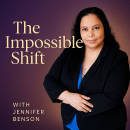
Jennifer Benson
Change the way you see yourself — change the way the world sees you.

Raini Steffen
Inspiring Women to Turn Disruption into a Confident New Beginning

Beth Robins
Transforming lives, one extraordinary moment at a time

Andie Henrich
Empowering professionals to succeed by owning their truth, leading with power and living unapologetically.

Sterling Mire
Practical tools for lasting transformation—spiritual or scientific, your listeners get results.
What Makes a Great Personal Transformation Speaker
A great personal transformation speaker doesn't just talk about change-they embody it. Think of someone like Brené Brown, who blends vulnerability with research-backed insights, or Inky Johnson, whose life-altering injury turned into a platform for purpose. Their stories aren't rehearsed scripts. They're lived experiences, delivered with authenticity and emotional intelligence.
But it's not just about the story-it's how they tell it. Great speakers know how to pace their narrative, when to pause, when to punch, and when to let silence speak. They read the room, adapt their energy, and connect deeply with diverse audiences. Whether they're speaking to a room of startup founders in Berlin or a group of educators in Nairobi, they make every listener feel seen.
And let's not forget the takeaway. A great personal transformation speaker doesn't just inspire-they equip. They leave audiences with frameworks, tools, or even just one powerful question that lingers long after the applause fades. That's the mark of transformation: not just a spark, but a shift.
So if you're wondering what separates the good from the great, it's this: the ability to move people from where they are to where they could be-with clarity, courage, and a whole lot of heart.
How to Select the Best Personal Transformation Speaker for Your Show
1. Define Your Show's Purpose and Audience.
- Are you targeting entrepreneurs, wellness seekers, corporate leaders, or students?
- What transformation are you hoping to spark-mindset shift, career pivot, emotional healing?
- For example, if your summit focuses on burnout recovery, someone like Arianna Huffington (who speaks on sleep and wellbeing) might resonate more than a high-performance coach.
2. Search with Specific Filters.
- Use platforms like Talks.co to browse speaker profiles by topic, region, or audience fit.
- Look for speakers who align with your theme and have experience speaking to similar demographics.
- Check if they've been featured on podcasts, summits, or TEDx stages.
3. Review Their Speaker Page Thoroughly.
- Watch their video clips. Are they engaging? Do they offer actionable insights?
- Read testimonials. Are past hosts praising their impact and professionalism?
- Look for a clear speaker bio, talk titles, and suggested topics.
4. Reach Out and Ask the Right Questions.
- Use the contact form on their Talks.co profile or LinkedIn.
- Ask about their availability, customization options, and tech setup.
- Pro tip: Ask how they tailor their message for different audiences. A great speaker adapts, not recycles.
5. Align on Logistics and Expectations.
- Confirm time zones, presentation length, and whether it's live or pre-recorded.
- Discuss promotion-will they share the event with their audience?
- Clarify deliverables: slides, worksheets, or post-event Q&A?
By following these steps, you'll not only find a great speaker-you'll create a transformational experience for your audience.
How to Book a Personal Transformation Speaker
1. Identify Your Ideal Speaker.
- Use Talks.co to explore vetted personal transformation speakers by niche, location, or availability.
- Look for alignment with your event's theme. For example, if your summit is about resilience, someone like Dr. Edith Eger, a Holocaust survivor and psychologist, might be a powerful fit.
2. Reach Out with a Clear Pitch.
- Send a concise message via their speaker page or email.
- Include your event name, date, audience size, and topic focus.
- Example: "Hi [Name], I'm hosting a virtual summit on personal growth for early-career professionals. We'd love to feature you as a speaker. The event is on [Date], and we expect 2,000+ attendees. Would you be open to a 30-minute session + Q&A?"
3. Discuss Details and Confirm Fit.
- Schedule a quick call or exchange emails to align on expectations.
- Ask about their preferred format (live vs. recorded), tech requirements, and customization options.
- Share your speaker agreement.
4. Finalize the Booking.
- Confirm the date, time, and session title.
- Send a calendar invite and any promotional materials they'll need.
- Provide a checklist: presentation format, deadline for slides, and rehearsal (if needed).
5. Promote and Prepare.
- Feature them on your website and social media.
- Encourage them to share with their audience for extra reach.
- Offer a tech check or dry run to ensure everything runs smoothly.
Booking a personal transformation speaker is about clarity, communication, and collaboration. When done right, it sets the stage for a powerful, seamless session.
Common Questions on Personal Transformation Speakers
What is a personal transformation speaker
A personal transformation speaker is someone who shares insights, stories, and strategies to help individuals shift their mindset, habits, or life direction. Unlike general motivational speakers, they focus specifically on guiding people through internal change-whether that's overcoming adversity, building confidence, or finding purpose.
These speakers often draw from personal experiences, research, or coaching frameworks. Some come from psychology or wellness backgrounds, like Mel Robbins or Jay Shetty. Others might be entrepreneurs who've reinvented themselves after failure or trauma. What unites them is their ability to connect emotionally and offer a roadmap for change.
They speak at events like virtual summits, corporate retreats, wellness festivals, and online workshops. Their goal isn't just to inspire-it's to catalyze action. Whether it's helping someone leave a toxic job, start a new business, or heal from burnout, they provide the spark and structure for transformation.
In short, a personal transformation speaker is a guide-not a guru. They don't hand out magic answers. They help people ask better questions and take braver steps.
Why is a personal transformation speaker important
These speakers help bridge the gap between where someone is and where they want to be. In a world flooded with information, what people crave is clarity. A personal transformation speaker distills complex ideas into digestible, relatable insights. They help audiences see what's possible and believe it's achievable.
Take corporate teams navigating change. A speaker like Simon Sinek doesn't just talk about leadership-he reframes it through purpose. Or consider wellness events in Southeast Asia, where speakers blend mindfulness with cultural context to help attendees reconnect with themselves. These aren't one-size-fits-all messages. They're tailored, timely, and transformative.
For virtual events, especially, personal transformation speakers bring energy and depth that can cut through screen fatigue. They create moments of reflection and motivation that linger long after the session ends. As mentioned in 'What Makes a Great personal transformation speaker', it's not just about inspiration-it's about equipping people to act.
Whether you're running a summit for solopreneurs or a retreat for educators, a personal transformation speaker can be the catalyst that turns passive listeners into active changemakers.
What do personal transformation speakers do
First, they craft and deliver talks that help individuals reframe their thinking. This could be about mindset, habits, emotional intelligence, or purpose. Their content is often rooted in personal experience, psychology, or coaching methodologies. For example, someone like Lisa Nichols combines storytelling with practical tools to help people break through fear and self-doubt.
Second, they tailor their message to the audience. A speaker addressing a group of startup founders in Tel Aviv might focus on resilience and failure, while one speaking to high school students in rural Canada might emphasize self-worth and vision. They adapt tone, language, and examples to meet people where they are.
Third, many personal transformation speakers go beyond the stage. They offer workshops, write books, host podcasts, or create online courses. Their goal is to extend the transformation beyond a single session. Some even offer one-on-one coaching or group programs.
Fourth, they collaborate with hosts and event organizers to ensure alignment. As outlined in 'How to Select the Best personal transformation speaker for Your Show', they often provide promotional support, customize content, and engage in Q&A sessions to deepen impact.
In essence, personal transformation speakers are educators, motivators, and facilitators rolled into one. They don't just deliver content-they deliver clarity, courage, and a call to action.
How to become a personal transformation speaker
1. Define Your Transformation Story.
- Your credibility starts with your own transformation. What challenge did you overcome? What mindset shift changed your life? This becomes your core message.
- Tip: Make it relatable. Whether it's overcoming burnout, addiction, or self-doubt, your story should resonate with a specific audience.
2. Identify Your Ideal Audience.
- Are you speaking to corporate teams, high school students, entrepreneurs, or wellness communities? Knowing your niche helps tailor your message.
- Example: A speaker who overcame financial hardship might focus on young professionals or startup founders.
3. Build Your Signature Talk.
- Structure your talk around a clear framework: the struggle, the shift, and the solution.
- Include actionable takeaways, emotional beats, and a call to action.
- Tip: Record yourself and get feedback from peers or mentors.
4. Create a Speaker Page.
- Use platforms like Talks.co to build a professional speaker profile. Include your bio, talk topics, testimonials, and a high-quality video reel.
- This makes it easy for event organizers to find and book you.
5. Start Small, Then Scale.
- Offer free talks at local meetups, schools, or online summits. Use these to refine your message and collect testimonials.
- Once you've built credibility, pitch yourself to podcasts, conferences, and corporate events.
6. Connect with Hosts and Organizers.
- Use LinkedIn, Talks.co, and speaker directories to find event hosts. Send personalized pitches that highlight how your message aligns with their audience.
- Tip: Follow up with a short video message to stand out.
7. Keep Learning and Evolving.
- Attend speaker workshops, join mastermind groups, and study top speakers. The best personal transformation speakers are always growing.
Remember, your voice can be the spark that changes someone's life. Start where you are, use what you have, and speak with purpose.
What do you need to be a personal transformation speaker
First, you need a compelling story. Personal transformation speakers draw from real-life experiences-overcoming adversity, shifting mindsets, or achieving breakthroughs. This story becomes the foundation of your message. It's not about perfection, but authenticity. Audiences connect with vulnerability and truth.
Second, you need communication skills. You don't have to be a polished performer from day one, but you do need to be clear, engaging, and emotionally resonant. Practice storytelling techniques, learn how to pace your delivery, and use body language effectively. Tools like Toastmasters or speaker coaching programs can help.
Third, you need a platform. This is where services like Talks.co come in. Creating a speaker page allows you to showcase your expertise, list your talk topics, and connect with event hosts. It's your digital business card and booking engine rolled into one.
Fourth, you need clarity on your audience and message. Are you helping people recover from trauma? Teaching resilience to entrepreneurs? Inspiring students to believe in themselves? The more specific you are, the more powerful your impact.
Lastly, you need persistence. Building a speaking career takes time. You'll face rejection, slow seasons, and self-doubt. But if your message matters-and it does-then it's worth the effort. Keep refining your talk, expanding your network, and showing up. The transformation starts with you.
Do personal transformation speakers get paid
Many speakers start out doing free gigs to build credibility, collect testimonials, and refine their message. Over time, as they gain traction, they can command higher fees. According to data from SpeakerHub and other industry sources, beginner speakers might earn $500 to $2,000 per talk, while experienced transformation speakers can earn $5,000 to $25,000 or more per keynote.
Here are some variables that influence pay:
- Experience Level: New speakers often speak for free or low fees. Those with books, media appearances, or a strong online presence can charge more.
- Audience Size and Event Type: Corporate events and industry conferences usually pay more than community meetups or nonprofit panels.
- Geographic Market: Speakers in North America, Europe, and Australia often command higher fees than those in emerging markets, though virtual events have started to level the playing field.
- Niche Demand: If your transformation story aligns with a trending topic-like mental health, diversity, or resilience-you may be in higher demand.
Pros:
- Potential for high income.
- Opportunities to travel and expand your brand.
- Ability to monetize beyond speaking (courses, coaching, books).
Cons:
- Income can be inconsistent, especially early on.
- Requires ongoing marketing and networking.
- Travel and prep time can be demanding.
In short: Yes, personal transformation speakers get paid, but it's not automatic. You need to build your value, market yourself effectively, and align with the right audiences.
How do personal transformation speakers make money
1. Speaking Engagements
- Keynotes at conferences, corporate retreats, schools, and summits.
- Fees range from $500 to $25,000+ depending on experience and audience size.
2. Workshops and Trainings
- Half-day or full-day sessions tailored to specific groups (e.g., leadership teams, educators, wellness communities).
- Often priced higher than single talks due to depth and customization.
3. Online Courses and Digital Products
- Many speakers package their frameworks into self-paced courses, ebooks, or memberships.
- Example: A speaker on emotional resilience might sell a 6-week online program for $297.
4. Coaching and Consulting
- One-on-one or group coaching programs for individuals or organizations.
- This is a high-ticket offering that can generate recurring revenue.
5. Books and Publishing
- Publishing a book boosts credibility and opens doors to paid speaking gigs.
- Royalties are modest, but books serve as powerful marketing tools.
6. Affiliate Marketing and Sponsorships
- Promoting aligned products or services during talks.
- Example: A speaker might partner with a meditation app or wellness brand.
7. Virtual Events and Summits
- Hosting or guesting on online summits allows speakers to reach global audiences.
- Platforms like Talks.co help connect speakers with virtual event organizers.
In essence, personal transformation speakers build a business around their message. Speaking is the anchor, but the real sustainability comes from stacking multiple income streams.
How much do personal transformation speakers make
Here's a breakdown of typical income levels:
| Experience Level | Avg. Fee per Talk | Annual Income Range |
|---|---|---|
| Beginner (0-2 years) | $0 - $1,500 | $5,000 - $30,000 |
| Intermediate (2-5 years) | $1,500 - $5,000 | $30,000 - $100,000 |
| Advanced (5+ years) | $5,000 - $25,000+ | $100,000 - $500,000+ |
- Frequency of Bookings: A speaker doing 4 gigs a month at $2,500 earns $120,000 annually.
- Additional Revenue Streams: Courses, coaching, and books can double or triple earnings.
- Brand Leverage: Those with media exposure or bestselling books often command higher fees.
Case in point: Speakers like Mel Robbins and Jay Shetty reportedly earn high six figures annually, not just from talks but from their broader brand ecosystems.
While not every speaker reaches that level, many build sustainable businesses by combining speaking with digital products, consulting, and online events. The key is consistency, niche clarity, and smart monetization.
How much do personal transformation speakers cost
| Speaker Tier | Typical Fee Range | Ideal For |
|---|---|---|
| Emerging Speaker | $0 - $1,500 | Local meetups, schools, small summits |
| Mid-Tier Speaker | $1,500 - $7,500 | Regional conferences, corporate training |
| High-Profile Speaker | $7,500 - $25,000+ | National events, industry keynotes |
| Celebrity/Bestselling Author | $25,000 - $100,000+ | Global conferences, televised events |
- Travel and Accommodation: Unless virtual, most speakers require travel reimbursement.
- Customization Fees: Tailoring a talk to your audience may come with an extra charge.
- Workshops or Add-Ons: Half-day or full-day workshops are usually priced separately.
Virtual events have made it more affordable to book high-quality speakers. Platforms like Talks.co allow you to filter by budget and connect directly with speakers who fit your needs.
Tip: If you're on a tight budget, consider booking emerging speakers or those launching a new talk. They're often eager to build their portfolio and may offer discounted rates.
Who are the best personal transformation speakers ever
- Tony Robbins. Known for his high-energy seminars and bestselling books, Robbins has helped millions shift their mindset and habits.
- Les Brown. A former politician turned motivational powerhouse, Brown's speeches on self-belief and perseverance are legendary.
- Zig Ziglar. Though he passed in 2012, Ziglar's teachings on attitude, goal-setting, and personal growth remain foundational.
- Jim Rohn. A mentor to Tony Robbins, Rohn's calm delivery and timeless wisdom made him a favorite in the personal development world.
- Louise Hay. A pioneer in the self-healing movement, Hay's work on affirmations and emotional transformation has influenced generations.
- Wayne Dyer. Often called the 'father of motivation', Dyer's blend of spirituality and psychology resonated with millions.
- Oprah Winfrey. While not a traditional speaker, Oprah's influence through storytelling, interviews, and keynotes has transformed countless lives.
- Eric Thomas. Known as the 'Hip-Hop Preacher', Thomas brings raw energy and real talk to audiences from schools to NFL teams.
- Brené Brown. Her TED Talk on vulnerability went viral, and she's since become a go-to voice on courage and emotional growth.
- Robin Sharma. Author of 'The Monk Who Sold His Ferrari', Sharma blends leadership with inner transformation.
These speakers didn't just talk-they shifted cultures, industries, and individual lives. Their messages continue to inspire new generations of transformation leaders.
Who are the best personal transformation speakers in the world
- Jay Shetty (UK/USA). Former monk turned storyteller, Shetty's viral videos and bestselling book 'Think Like a Monk' have made him a global voice on purpose and mindset.
- Mel Robbins (USA). Known for 'The 5 Second Rule', Robbins combines science and personal experience to help people take action.
- Lisa Nichols (USA). A powerful speaker on self-worth and abundance, Nichols has inspired audiences from The Secret to Oprah.
- Vishen Lakhiani (Malaysia). Founder of Mindvalley, Lakhiani blends personal growth with tech and education for a global audience.
- Nick Vujicic (Australia/USA). Born without limbs, Vujicic's talks on overcoming adversity have reached millions across continents.
- Muniba Mazari (Pakistan). Known as the 'Iron Lady of Pakistan', Mazari is a wheelchair-bound artist and speaker who inspires with her resilience.
- Mo Gawdat (Egypt/UK). Former Google X exec turned happiness expert, Gawdat's talks combine tech, logic, and emotional intelligence.
- Simon Sinek (UK/USA). Best known for 'Start With Why', Sinek's ideas on leadership and purpose have transformed how people think about work and life.
- Trent Shelton (USA). A former NFL player turned motivational speaker, Shelton's raw, relatable style resonates with younger audiences.
- Dr. Edith Eger (Hungary/USA). Holocaust survivor and psychologist, Eger speaks on trauma, healing, and the power of choice.
These speakers are not just inspiring-they're global educators, bridging cultures and industries with messages that matter. Whether through books, podcasts, or live events, they're helping people rewrite their stories every day.
Common myths about personal transformation speakers
- Myth 1: Personal transformation speakers are just motivational cheerleaders.
This one's everywhere. Sure, some speakers bring high energy and inspiration, but the best in the field go way beyond hype. They offer frameworks, strategies, and tools that help people shift their mindset and behavior. Think of someone like Brené Brown-her talks are rooted in research, not just feel-good slogans. Real transformation is about depth, not volume.
- Myth 2: You need a dramatic life story to be a personal transformation speaker.
While compelling stories can be powerful, they're not a requirement. Many successful speakers draw from professional experiences, psychological research, or years of coaching others. For example, Simon Sinek didn't survive a life-threatening event-he built his reputation by articulating a clear, actionable idea: start with why.
- Myth 3: It's all about being charismatic on stage.
Charisma helps, but it's not the whole game. What matters more is clarity, authenticity, and the ability to connect. Some of the most impactful speakers have quiet voices but powerful messages. Susan Cain, author of 'Quiet', is a perfect example-her TED Talk on introversion has over 30 million views, and she's anything but loud.
- Myth 4: Personal transformation speakers only work with individuals, not organizations.
Not true. Many are brought into corporations, universities, and government agencies to guide cultural change, leadership development, or resilience training. The impact is often systemic, not just personal. Think of someone like Tony Robbins-he's worked with everyone from Fortune 500 execs to Olympic athletes.
- Myth 5: It's an easy career if you're good at talking.
Speaking is just the tip of the iceberg. Behind the scenes, there's content development, audience research, marketing, client management, and more. It's a business, not a hobby. And like any business, it takes time, strategy, and consistency to grow.
Case studies of successful personal transformation speakers
Take Mel Robbins. Before she became a household name, she was a criminal defense attorney struggling with anxiety and procrastination. Her breakthrough came not from a life coach or a guru, but from a simple idea: the 5-second rule. She turned that into a TEDx talk, then a book, and now she's one of the most booked female speakers in the world. Her story shows how a single, relatable concept-delivered with clarity-can spark global change.
Then there's Jay Shetty. A former monk turned storyteller, Jay didn't follow the traditional speaker path. He started by creating short, high-impact videos on Facebook, blending ancient wisdom with modern life. His content went viral, and soon he was speaking on stages across the globe. What set him apart? He met people where they were-on their phones-and built trust before ever stepping on a stage.
In the corporate world, Lisa Nichols stands out. She went from being a single mom on public assistance to a bestselling author and CEO. Her speaking style is raw, emotional, and deeply personal. But it's also structured and strategic. She teaches transformation by modeling it-showing audiences what's possible when you own your story and rewrite your narrative.
Even in tech, we see transformation speakers making waves. Take Vishen Lakhiani, founder of Mindvalley. He blends personal growth with digital innovation, creating immersive learning experiences that go beyond traditional keynotes. His talks often include interactive elements, neuroscience, and global perspectives-making transformation feel like a shared journey, not a solo mission.
These stories highlight a key truth: there's no single mold for a personal transformation speaker. Whether you come from law, spirituality, business, or tech, what matters is your ability to articulate change-and guide others through it.
Future trends for personal transformation speakers
First, audiences are craving more interactivity. Static keynotes are giving way to immersive experiences. Think workshops, live coaching sessions, and even virtual reality integrations. Speakers like Jim Kwik are already incorporating brain-training exercises into their talks, making learning feel like participation, not just observation.
Second, there's a growing demand for niche expertise. General motivation is out. Specific, actionable transformation is in. Whether it's burnout recovery for healthcare workers or mindset shifts for remote tech teams, speakers who tailor their message to a defined audience will stand out. This trend favors those who can blend personal insight with industry relevance.
Third, digital-first platforms are becoming the new stage. With platforms like Clubhouse, LinkedIn Live, and YouTube Shorts, transformation speakers are reaching global audiences without ever booking a flight. This shift also means that content strategy and personal branding are now as important as stage presence.
Here are a few trends to watch:
- Micro-content mastery. Short, punchy videos that deliver a single insight are outperforming long-form lectures online.
- Cultural fluency. Speakers who understand and respect regional nuances-especially in Asia, Africa, and Latin America-are gaining traction in global markets.
- Data-backed storytelling. Combining personal anecdotes with neuroscience, psychology, or behavioral data boosts credibility and retention.
- Hybrid event fluency. The ability to engage both in-person and virtual audiences simultaneously is becoming a must-have skill.
In short, the future belongs to those who can adapt quickly, speak authentically, and deliver transformation in formats that meet people where they are-whether that's a boardroom in Berlin or a smartphone in Nairobi.
Tools and resources for aspiring personal transformation speakers
1. Talks.co. A smart platform that matches podcast hosts with expert guests. Great for building your speaking resume and reaching niche audiences.
2. Canva. Design your speaker one-sheet, social media graphics, and slide decks with ease. Their templates are clean, professional, and customizable.
3. SpeakerHub. A directory where you can list your profile, find speaking gigs, and connect with event organizers. Especially useful for those just starting out.
4. Notion. Organize your content ideas, track your outreach, and build a system for your speaking business. Think of it as your digital brain.
5. Zoom. Still the go-to for virtual workshops, webinars, and coaching sessions. Learn how to use breakout rooms, polls, and screen sharing to keep your sessions dynamic.
6. Descript. Edit your video and audio content quickly, generate transcripts, and repurpose your talks into blog posts or social clips.
7. Mindvalley Speaker Certification. If you're looking to add credibility and structure to your transformation message, this program offers training on both delivery and content design.
8. LinkedIn Learning. Tons of courses on public speaking, storytelling, and personal branding. Ideal for refining your skills on your own schedule.
Pro tip: Don't try to master everything at once. Pick two or three tools that align with your current goals-whether that's landing your first podcast interview or building a killer keynote deck-and go deep. Mastery beats multitasking every time.
