Self-awareness Speakers
You know that moment when you're planning an event and realize the topic of self-awareness is exactly what your audience needs, but you have no idea who to bring in?
You scroll, search, compare... and somehow it just gets more confusing.
How do you even tell which self-awareness speakers are the real deal?
Self-awareness speakers offer something audiences rarely get: honest, grounded conversations about how people think, work, and communicate.
I've seen how much organizers appreciate speakers who can talk about personal insight without drifting into vague ideas or corporate fluff.
And if you've been trying to figure out what makes one speaker stand out from another, you're not alone in that either.
This guide gives you a clear sense of what these speakers do, who they resonate with, and why they fit so well at conferences, podcasts, summits, YouTube shows, and team events.
You want someone who can connect with your audience, keep things real, and share ideas people actually remember.
The speakers featured here do exactly that.
Take a look through the lineup and find the self-awareness speaker who feels right for your next event.
Top Self-awareness Speakers List for 2026

Koncious Compos Mentis
Become the art of seeing clearly, walking awake, and remembering the truth that has always lived within you.

Daune Thompson
Stop shrinking. Start leading. And run your life from the CEO of your soul.

Jamil Massey
When life gets tough, I help people keep showing up!

Bruce Pulver
Transforming words into action for unstoppable success!
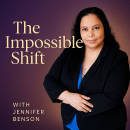
Jennifer Benson
Change the way you see yourself — change the way the world sees you.

Brett Koon
Let go of who you are not so you can discover who you are!

Trish Springsteen
From invisible to unforgettable: Let your confidence shine.


Theo Kapodistrias
Award-winning Speaker + Lawyer, TEDx professional, and MC

Donna Riccardo
Empowering voices, transforming talks—let's get to the point!
What Makes a Great Self-awareness Speaker
In many cases, the speakers who stand out are the ones willing to share ideas that invite reflection without becoming overwhelming. They offer examples from business, creativity, leadership, or even scientific research, and they use those examples to show how understanding yourself can influence everything from productivity to relationships. The point is not to impress you with knowledge, it is to spark recognition... that moment when you think, yes, that applies to me.
A strong self-awareness speaker also builds trust quickly. They communicate with openness, grounding their message in concepts that feel both practical and achievable. Whether they are addressing executives in a high pressure environment or a classroom of young adults exploring identity, they create safety and clarity. You do not need jargon when the message is authentic.
And of course, the best speakers know how to balance seriousness with simplicity. They might share a psychological concept one minute, then break it into everyday examples the next. The shift keeps the audience engaged, because it respects how people naturally learn. By the time they wrap up, listeners feel like they gained both perspective and direction.
How to Select the Best Self-awareness Speaker for Your Show
1. Define your show's angle.
- Think about whether you want a speaker who focuses on leadership, personal development, emotional intelligence, or practical self management.
- For example, a startup founder audience might respond best to someone who speaks about self-awareness in high stress decision making, while a wellness audience might want a speaker who explores mindfulness based self understanding.
2. Review the speaker's content.
- Check their Talks.co speaker page, their recent interviews, short videos, or articles. Look for clarity, relatability, and originality.
- Ask yourself: does their communication style match the pace and tone of your show.
3. Look at audience alignment.
- A great fit is someone who already speaks to the type of listeners you attract.
- If your audience includes professionals from different regions or cultural backgrounds, make sure the speaker adapts their message for diverse audiences.
4. Confirm credibility without overthinking it.
- You do not need a world famous name, but you do want someone who understands the field well.
- Certifications, psychology training, coaching experience, or business leadership can all offer credibility.
5. Reach out or connect directly.
- Many hosts on Talks.co connect through the platform's built in messaging, which saves time.
- If you are not using the platform, check the speaker's website or LinkedIn for booking details.
Use these steps consistently, and you will gradually build a lineup of guests who feel aligned with your brand.
How to Book a Self-awareness Speaker
1. Get clear on your event goals.
- Decide what you want the speaker to accomplish. Are you aiming for reflection, behavior change, leadership clarity, or mindset shifts.
- This shapes the type of speaker you approach and the message they will deliver.
2. Research and shortlist speakers.
- Use platforms like Talks.co to browse speaker profiles and topics.
- Check availability, speaking style, and audience alignment.
- You can also look at YouTube interviews, conference clips, or podcast appearances.
3. Reach out with a specific request.
- When using Talks.co, you can send a structured request right from their speaker page.
- If emailing, include details like your audience size, topic focus, format, date options, and your expected outcomes.
- Clear requests get faster responses.
4. Confirm logistics and expectations.
- Discuss duration, format, Q&A, recording rights, and any promotional requirements.
- Make sure both sides understand the flow of your show or event.
5. Finalize the agreement.
- Some speakers use contracts, others keep things simple with written confirmation.
- After confirming, send reminders and any materials the speaker will need.
As mentioned in the selection section, having a streamlined system for outreach saves a ton of time, especially if you routinely book guest experts.
Common Questions on Self-awareness Speakers
What is a self-awareness speaker
In most cases, the term refers to someone who communicates these ideas in a structured presentation format. That might be a keynote speech, a workshop, a virtual interview, or a podcast conversation. The focus is always on expanding a person's ability to notice what is happening internally and how that influences what they create externally.
Many speakers in this area reference well known research from figures like Daniel Goleman, Carol Dweck, or authors who explore emotional intelligence and cognitive patterns. Others approach it from a business angle and discuss how self-awareness supports communication, leadership, and team performance.
Regardless of their background, these speakers tend to bridge concepts that might feel abstract with examples that feel relevant. They translate ideas into practical actions that listeners can try immediately.
Why is a self-awareness speaker important
One reason these speakers matter is because many people rarely pause to examine their own internal patterns. Daily routines shift into autopilot, and without guidance it is easy to miss how emotions or assumptions shape behavior. A skilled speaker brings those processes into the open so individuals can navigate them consciously.
Businesses and organizations often bring in self-awareness speakers when they want teams to collaborate more effectively. When employees understand their own tendencies, it becomes easier to communicate, manage conflict, or support diverse perspectives within a team. This is especially relevant in remote and hybrid environments where communication challenges intensify.
For individuals, hearing from a self-awareness speaker can be a catalyst. It encourages people to take small steps that improve personal effectiveness, such as noticing triggers, identifying strengths, or understanding how mindset shifts influence outcomes. The ripple effect can shape long term habits and decisions.
What do self-awareness speakers do
Many self-awareness speakers deliver structured talks that explore topics like emotional regulation, cognitive biases, decision making habits, or self perception. They often reference psychological research, leadership development frameworks, or real world examples from industries like tech, hospitality, education, or sports.
They may also provide tools and exercises, such as journaling prompts, reflection questions, mindfulness techniques, or behavioral checklists. These tools create a bridge between theory and action so listeners can apply what they learned after the event.
In addition to speaking on stage or online, self-awareness speakers sometimes collaborate with organizations to shape training sessions or follow up programs. Others appear on podcasts, virtual summits, and workshops to reach broader audiences. Their work revolves around encouraging people to observe themselves more clearly and adjust their behavior with intention.
How to become a self-awareness speaker
2. Build your signature talk. Create one talk that clearly communicates your ideas and provides practical takeaways. Structure it so listeners can follow a clear journey: the challenge, the shift in mindset, and the steps that help them apply your insights. Use examples from everyday experiences in workplaces, sports, or creative fields to make concepts relatable.
3. Create your online presence. Set up a speaker page that explains your topics, formats, and outcomes. On Talks.co, you can showcase your speaking clips, highlight your expertise, and make it easy for event hosts to connect with you. This kind of presence gives hosts confidence in your professionalism.
4. Practice on smaller stages. Look for virtual events, community meetups, and niche podcasts where you can refine your message. Talks.co can help you connect with hosts who are actively searching for speakers in personal development fields. Every appearance becomes a piece of your portfolio.
5. Build relationships with event organizers. Reach out to hosts with a personalized note, mentioning how your topic ties into their audience needs. Keep things short and focused. Over time, you will create a network of partners who bring you back again and again.
6. Collect testimonials and refine your content. After each talk, ask for feedback you can use on your speaker page. Keep improving your delivery, examples, and pacing. As you grow more confident and consistent, paid speaking opportunities will follow.
What do you need to be a self-awareness speaker
Beyond content expertise, you need the ability to explain complex human dynamics in simple language. People do not just want ideas... they want practical strategies they can apply in their personal or professional lives. Using concrete examples from various industries helps listeners understand how to use your insights in their own context. Great speakers usually simplify without oversimplifying.
You also need a solid framework for presenting yourself professionally. A speaker page is essential, and platforms like Talks.co make this straightforward. A well structured profile showcases your talk titles, outcomes, demo videos, and availability. This is key because hosts want to assess credibility quickly.
Another part of the package is communication readiness. You need to respond to hosts efficiently, clarify event goals, and adapt your material without losing your core message. This level of preparation makes you far more likely to be invited repeatedly.
Finally, you need an ongoing learning mindset. Self-awareness as a field evolves as psychology and workplace culture evolve. Speakers who stay current with research, international trends, and audience needs stay in demand much longer.
Do self-awareness speakers get paid
Data from talent agencies and industry surveys shows that personal development speakers fall into a mid tier of the speaking market. They are not priced as high as celebrity keynote speakers, but they are often paid more than hobby based speakers or local event guests. In many cases, payment is determined by audience size and event organization scale.
A few typical ranges appear across the industry:
- Entry level self-awareness speakers: often free to 1,000 dollars.
- Mid level speakers with published work or strong digital presence: 1,000 to 10,000 dollars.
- High demand experts or authors: 10,000 to 40,000 dollars.
There are pros and cons to this category. On the positive side, personal development events are frequent and global, so there are many opportunities. On the challenging side, saturated markets mean speakers must differentiate clearly. If you have a strong specialty, such as self-awareness for remote teams or cross cultural leadership, it becomes easier to secure paid invitations.
How do self-awareness speakers make money
One revenue path is event speaking fees, which vary depending on experience and brand presence. Companies often pay for tailored sessions that help teams understand behavioral triggers, improve decision making, or develop stronger self regulation. Workshops, breakout sessions, and panel discussions can be priced separately.
Many speakers also generate revenue through additional services. Examples include:
- Coaching programs that build on their keynote topics.
- Online courses related to self-awareness and emotional intelligence.
- Corporate training packages that extend over multiple sessions.
- Licensing content for organizations that want ongoing training.
Digital assets are another growth area. Speakers with strong content often package worksheets, assessments, or video series that companies can purchase. This creates passive or semi passive income.
Finally, speakers sometimes use platforms like Talks.co to book more events and expand their visibility. More visibility usually means more opportunities to monetize complementary services.
How much do self-awareness speakers make
At the lower end, new speakers or those focusing on community events might make between a few hundred dollars and 1,000 dollars per event. This often includes local workshops or virtual sessions where budgets are small. These speakers typically rely on volume or secondary services to increase their income.
The mid tier is where many self-awareness speakers operate. These speakers earn between 1,000 and 15,000 dollars per event. Their earnings come from a combination of keynotes, breakout sessions, and virtual programs. Speakers with niche expertise, such as work with high stress industries like healthcare or tech, often earn toward the upper end.
At the high end, well known authors, psychologists, and leadership consultants can earn 20,000 to 40,000 dollars or more per keynote. Global events, corporate retreats, and leadership conferences are the most common settings for these fees. These speakers usually have strong digital presence, books, assessments, or large audiences that increase demand.
How much do self-awareness speakers cost
For virtual events, the cost is generally lower. Many speakers offer reduced rates for online sessions because they require less time and no travel. This makes virtual events a popular option for teams operating on smaller budgets.
A general cost breakdown looks like this:
- Local community events: often free to 750 dollars.
- Virtual corporate sessions: 500 to 7,500 dollars.
- In person corporate keynotes: 5,000 to 20,000 dollars.
- High demand experts or authors: 20,000 to 40,000 dollars.
There are pros and cons for organizers. Lower cost options allow for frequent training, but premium speakers often bring higher engagement and more structured takeaways. Many organizations mix both in their annual learning schedule.
Who are the best self-awareness speakers ever
- Brené Brown. Recognized for research on vulnerability and courage, which ties directly to deeper self-awareness.
- Eckhart Tolle. Influential in the mindfulness and presence movement with a focus on internal observation.
- Stephen Covey. Author of widely adopted leadership frameworks that emphasize reflective practice.
- Deepak Chopra. Blends science and spirituality with themes centered on self understanding.
- Susan David. Psychologist known for the concept of emotional agility.
- Marshall Goldsmith. Leadership coach who focuses on behavioral awareness as a foundation for growth.
- Tara Brach. Teacher known for mindfulness practices rooted in self reflection.
Who are the best self-awareness speakers in the world
- Daniel Goleman. Highly influential in corporate and educational environments.
- Susan David. Sought after for connecting modern psychology with emotional skill building.
- Jay Shetty. Known for simplifying self-awareness for mainstream digital audiences.
- Simon Sinek. Often ties self understanding to purpose driven leadership.
- Eckhart Tolle. Popular in spiritual and mindfulness communities across continents.
- Mel Robbins. Brings practical, actionable approaches to personal insight.
- Vishen Lakhiani. Integrates self-awareness concepts into broad personal growth frameworks.
Common myths about self-awareness speakers
Another belief suggests that self-awareness speakers need to be naturally charismatic to be effective. Charisma can help, but the actual driver of impact is clarity of thought and audience relevance. Some well known speakers in corporate training settings succeed because they communicate concepts in simple everyday language, not because they command the room with theatrical energy. The rise of virtual summits and remote learning has also shown that measured, thoughtful speakers can connect just as strongly with audiences.
A third misconception is that self-awareness speakers only address personal growth. Many speak directly to team dynamics, company culture, burnout reduction, and leadership alignment. For example, speakers who work with tech companies often teach engineers and product teams how to identify cognitive biases that influence collaboration. Others in the healthcare world focus on emotional regulation for high stress environments. The scope is much broader than individual motivation.
Finally, some people believe that this type of speaker must follow a rigid formula or be tied to a single methodology. The opposite is usually true. Self-awareness speakers pull from multiple disciplines, mixing human behavior studies, communication strategies, and workplace psychology. This flexibility helps them engage audiences with different learning styles and professional backgrounds.
Taken together, these myths create a narrow picture that does not reflect what self-awareness speakers actually do. A stronger understanding of the field gives aspiring speakers more freedom to shape their own direction.
Case studies of successful self-awareness speakers
Picture another scenario involving an educator who starts out facilitating workshops in community centers. Their approach focuses on helping individuals identify internal narratives that limit professional growth. Over time, these local sessions catch the attention of regional business networks. What began as small group conversations evolves into invitations from conferences and leadership programs. Their work becomes known for blending simple language with deep psychological insight.
Then there is the corporate trainer who notices that global teams often clash because of unspoken expectations tied to culture and work style. This trainer turns that observation into a series of talks for multinational companies, exploring how self-awareness shapes cross cultural communication. The narrative often highlights moments when teams realize that misunderstandings were not personal, but simply rooted in different default behaviors. That realization opens space for more productive collaboration.
Another example involves a speaker focused on creative industries. They help artists, designers, and performers identify patterns in their workflow that trigger doubt or block progress. Their approach resonates across continents, especially as creative professionals rely heavily on internal clarity to sustain output. Over time, this speaker's method becomes a reference point for people seeking to integrate emotional intelligence into their craft.
Across each story, what stands out is the ability of these self-awareness speakers to adapt their message to context. Their influence grows not through formulas, but through a clear understanding of how internal awareness connects with external outcomes.
Future trends for self-awareness speakers
One major direction involves data informed learning. Companies increasingly look for measurable outcomes, so speakers are integrating simple assessments or reflective tools that show progress over time. This trend appears across industries from education to remote first tech firms. It gives audiences clear reference points they can return to after the talk ends.
Another emerging pattern is the demand for niche expertise. Some speakers now focus on specific groups like healthcare professionals, hybrid teams, or entrepreneurs in developing regions. This type of specialization allows audiences to get tailored insights instead of generic guidance. It also helps speakers carve out a unique voice.
A few forward looking signals stand out:
- AI guided reflection tools that help people spot patterns in mood, communication style, or decision habits.
- Cross sector partnerships, where speakers collaborate with wellness platforms, HR platforms, or learning companies.
- A growing interest from global audiences who want speakers that understand cultural nuances.
The future holds space for speakers who combine grounded frameworks with practical delivery. As organizations seek more clarity in how people relate to themselves and each other, speakers who provide actionable insight will remain in demand.
Tools and resources for aspiring self-awareness speakers
1. Talks.co. A podcast guest matching tool that helps speakers get booked on shows. Ideal for building credibility and reaching audiences interested in personal development.
2. MindTools. Offers frameworks on communication, leadership, and emotional awareness. Great for shaping content and creating workshop exercises.
3. Google Scholar. Useful for finding research on cognitive bias, behavioral psychology, and communication patterns. Helps speakers ground their material in real evidence.
4. Notion. A flexible workspace for organizing talk outlines, tracking ideas, and storing case references.
5. Canva. Helpful for designing slides that feel clean and professional without heavy design skills.
6. YouTube Creator Studio. Provides analytics to understand which types of videos resonate most with audiences. Good for refining message clarity.
7. Coursera. Offers courses in psychology, leadership, and communication, supporting deeper subject matter knowledge.
8. Zoom. Simple for practice sessions, rehearsal recordings, and running small workshops with interactive elements.
These tools give aspiring self-awareness speakers a practical starting point, combining learning, organization, outreach, and delivery.
