Self-trust Speakers
Ever sit down to plan an event and realize the hardest part is figuring out who can speak to personal confidence in a way people actually relate to?
Maybe you keep searching for self-trust speakers but end up unsure who really gets the topic or how to decide between them.
It happens more often than you might think.
You might be looking for someone who can talk about doubt, decision making, and confidence in a practical way.
Or you want a voice who brings warmth, clarity, and lived insight without feeling too polished or abstract.
I've seen how much easier planning becomes when you have a clear sense of what a great self-trust speaker actually offers and who they resonate with.
That is what this guide is here to help you sort out.
You will get a simple breakdown of what self-trust speakers tend to focus on, the kinds of audiences they support, and how their approach can shape the tone of your event or show.
Whether you are organizing a conference, podcast, summit, or YouTube interview, the right speaker can create the kind of conversation people remember.
Take a look below to explore the self-trust speakers who might be the perfect fit for your next event.
Top Self-trust Speakers List for 2026

Ken Sher
Empowering leaders to thrive through trust and authentic connection

Daune Thompson
Stop shrinking. Start leading. And run your life from the CEO of your soul.

Robin Owen
Helping you speak with confidence and leave a lasting impression


Trish Springsteen
From invisible to unforgettable: Let your confidence shine.

Raini Steffen
Inspiring Women to Turn Disruption into a Confident New Beginning

Bruce Pulver
Transforming words into action for unstoppable success!

Aleksandra Rehar
Empowering you to lead with purpose and authenticity
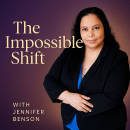
Jennifer Benson
Change the way you see yourself — change the way the world sees you.

Donna Riccardo
Empowering voices, transforming talks—let's get to the point!
What Makes a Great Self-trust Speaker
You might be wondering how someone builds that level of influence without slipping into hype or cliches. It usually starts with their ability to communicate real inner alignment. A strong self-trust speaker talks about doubt, fear, and hesitation in a way that feels human, relatable, and specific. Instead of vague promises of confidence, they use real-world examples from areas like entrepreneurship, global leadership, and the creative arts to show what trusting yourself actually looks like in motion.
Another trait you will notice is their rhythm. They can move from a short, punchy statement to a longer, deeper reflection without losing you for a second. That mix keeps the audience engaged and gives the speaker room to build emotional momentum without forcing it. And when they challenge you with a question like 'What would change if you trusted your first instinct?', it lands because they have earned the room's attention.
Finally, great self-trust speakers give their listeners something they can use immediately. A shift in perspective. A micro action. A way to silence hesitation the next time it tries to interrupt progress. They leave people with clarity rather than noise, and that clarity is exactly why hosts keep inviting them back.
How to Select the Best Self-trust Speaker for Your Show
1. Define your show's desired transformation.
- Identify exactly what you want your audience to walk away with. Do you want a speaker who focuses on leadership intuition, creative decision making, or personal development? Align the speaker's niche with your show's purpose.
- For example, a corporate leadership podcast might benefit from someone who has worked with executive teams, while a wellness summit might prefer someone who blends mindset with emotional resilience.
2. Review the speaker's actual delivery style.
- Watch clips, check their Talks.co speaker page, and look for how they communicate under pressure. A great bio is not the same as a strong delivery.
- Pay attention to pacing, clarity, storytelling ability, and whether their content feels actionable.
3. Compare audience alignment.
- Consider whether the speaker has spoken to audiences similar to yours in size, industry, and experience level. Matching this makes your episode or event feel more natural and relatable.
- Look for testimonials that mention outcomes, not just compliments.
4. Evaluate professionalism and preparedness.
- Hosts on Talks.co often appreciate when speakers provide media kits, suggested topics, and sample questions. This reduces prep time and makes your production easier.
- If their past appearances include virtual summits, international events, or major podcasts, it usually signals strong reliability.
5. Connect and assess chemistry.
- While reviewing their materials helps, nothing replaces a short call or message exchange. Great collaborations usually start with easy communication and shared clarity.
By following these steps, you can confidently choose a self-trust speaker who elevates your show instead of simply filling a slot.
How to Book a Self-trust Speaker
1. Start by shortlisting candidates.
- Use platforms like Talks.co to browse profiles, view topic lists, and compare expertise. You can filter speakers by style, audience type, or specialization in self-trust.
- Keep two or three strong matches so you have options if schedules do not align.
2. Reach out with a clear invitation.
- In your first message, include your show's purpose, who your audience is, and your preferred recording or event date. Clear expectations help speakers decide quickly.
- You can also share past episodes or event examples so they understand your tone and format.
3. Discuss content and logistics.
- Align on talking points, duration, audience needs, and desired outcomes. This creates a better final product and helps the speaker tailor their material.
- Ask about technical requirements if you are hosting virtually, such as microphones or recording platforms.
4. Confirm terms and scheduling.
- Some speakers charge fees, others speak for exposure or collaboration. Whatever the case, document the agreement so everyone feels confident moving forward.
- Use calendar tools to lock in the date and send reminders.
5. Prepare your promotional plan.
- Many speakers appreciate advance graphics, shareable links, or co-branded materials. It boosts reach for both sides.
Following this approach builds a smooth workflow and ensures your booking experience supports the quality of your final episode or event.
Common Questions on Self-trust Speakers
What is a self-trust speaker
At its core, self-trust is about reducing second guessing and leaning into clarity, and that is what these speakers help audiences build. They often address topics like overcoming doubt, navigating uncertainty, and identifying personal patterns that either support or sabotage results.
You will find self-trust speakers in a wide range of industries, from tech entrepreneurship to education and even creative fields. Their insights are not tied to one niche because people everywhere struggle with hesitation and decision fatigue. Whether speaking to startup founders, healthcare teams, or new managers, the principles often apply universally.
Many speakers in this category also integrate research from behavioral science or organizational psychology. Others lean into practical frameworks that help people act more decisively. The combination makes their content both inspiring and usable.
Why is a self-trust speaker important
In fast changing environments, such as tech companies or small businesses scaling quickly, teams often face rapid choices with limited data. A self-trust speaker provides tools that help individuals stay anchored and consistent. This is especially useful for leaders who want their teams to feel capable rather than dependent.
Another reason they hold value is that they bridge mindset with practical action. Instead of encouraging people to simply believe in themselves, they explain how to evaluate their thoughts, interpret their instincts, and act from a grounded place. This supports better performance in fields like sales, coaching, and product development.
They also help audiences understand the difference between impulsive decisions and self aligned decisions. That distinction alone can improve communication, confidence, and collaboration within teams. As mentioned earlier in the definition section, their work draws from evidence based frameworks, which gives their guidance credibility and structure.
What do self-trust speakers do
They often lead talks, workshops, or coaching sessions that include exercises for tuning into personal values, identifying patterns of overthinking, and recognizing signals that indicate clarity. These activities can range from short reflection prompts to structured decision mapping techniques.
In many professional environments, self-trust speakers help teams improve communication by teaching them how to articulate their reasoning confidently rather than deferring to louder voices. This is useful in industries like consulting, education, technology, or government sectors where clear decision making supports overall productivity.
They also create frameworks that help people make choices more quickly without sacrificing accuracy. Some speakers use examples from global business, while others reference trends in psychology or high performance training. Their role goes beyond motivation. They equip audiences with repeatable processes that can be used long after the event or session concludes.
How to become a self-trust speaker
Step 2: Develop a signature talk. Your signature talk becomes your anchor. Write an outline with a clear beginning, middle, and end. Include one standout framework or method that belongs uniquely to you. Many new speakers skip this part, but having a polished signature talk sets you up for professional bookings. Record a short demo version that runs 3 to 7 minutes so event organizers can quickly evaluate your style.
Step 3: Build a speaker page. Platforms like Talks.co make this simple. Add your bio, talk titles, testimonials if you have them, and your demo reel. A clear profile helps hosts understand what you deliver. Include a high quality headshot and short clips pulled from podcasts, virtual summits, or your own recordings.
Step 4: Connect with hosts and communities. Use Talks.co to match yourself with podcast hosts, summit hosts, and event organizers who want your expertise. Start small with niche podcasts or community events. Share your speaker page link and briefly mention your signature talk. The more conversations you have, the faster you develop your voice and confidence.
Step 5: Practice in real environments. Try local meetups, online communities, or virtual events. Ask each host for feedback. Use these early sessions to refine your timing, transitions, and delivery. Over time, your signature talk will feel natural and flexible enough to adapt to any stage.
Step 6: Expand your reach. Once you have a rhythm, pitch yourself to larger summits, industry events, or company workshops. The more visible you become, the easier it is for hosts to discover you on platforms like Talks.co and invite you directly.
What do you need to be a self-trust speaker
The second requirement is strong content. This includes a bio, a signature talk, and a few backup topics you can adapt for different audiences. Content also includes examples or frameworks that people can apply immediately. Whether you are speaking to educators, founders, or nonprofit teams, audiences respond to practical, repeatable steps. Even if you never reference your personal history, you can use scenarios from common business challenges, community situations, or known figures to illustrate your points.
Another crucial element is a discoverable presence. At minimum, create a speaker page, ideally on a platform like Talks.co. Hosts use these pages to evaluate speakers at a glance. Add your talk descriptions, clips, and a short summary of the transformation you help people achieve. When your profile is complete, hosts can connect with you directly.
Finally, you need a professional process for communication. This includes a short version of your bio, a long version, a headshot, and a few sample interview questions. These small details help organizers feel confident that you are easy to work with. Over time, your process becomes as valuable as your content, especially for corporate or summit organizers.
Do self-trust speakers get paid
There are two main event categories: community events and professional events. Community events like small podcasts or volunteer summits usually have no budget. Professional events like corporate training, leadership retreats, or paid conferences often allocate funds for expert speakers. Self-trust speakers fit well into leadership development, employee wellness, and personal growth programming, which increases their earning potential.
Data from public speaker rate listings suggests that most personal development speakers start around 250 to 1500 USD for small events, and established experts often command 3000 to 15,000 USD per keynote. High profile figures in the mindset or leadership space may earn significantly more. The main factors that influence pay include reputation, the size of the event, the format, and demand for the topic.
Common advantages of paid speaking: more stable income, higher credibility with organizers, and increased likelihood of being referred to additional events. Common downsides: more preparation, higher expectations, and the need for more polished content.
In short, yes, self-trust speakers do get paid, but the level varies widely based on experience and positioning.
How do self-trust speakers make money
Beyond direct fees, many speakers earn money by offering related products or services. Examples include online courses about building self-trust, group coaching programs, decision making workshops, or digital toolkits. Speakers often use stages, podcasts, or summits as a way to introduce audiences to these offerings.
Another popular income path is consulting. Organizations sometimes hire self-trust speakers to help leadership teams improve internal communication, develop confidence in strategic planning, or create frameworks for decision making. These consulting engagements can bring in significantly more income than speaking alone.
Common revenue channels for self-trust speakers:
- Paid keynotes.
- Virtual workshops.
- Team training sessions.
- Online programs.
- Membership communities.
- Book royalties.
- Consulting retainers.
From an analytical viewpoint, speakers with multiple revenue streams tend to scale faster. Relying solely on stage fees limits earning potential, while diversifying into training or digital products provides long term financial stability.
How much do self-trust speakers make
Mid level speakers, typically those with a signature talk and a strong online presence, tend to earn 1500 to 5000 USD per engagement. These speakers often appear at paid summits, industry conferences, or company training events. Their earnings grow as they build recognizable expertise.
Established speakers in the personal development and leadership space often charge 8000 to 20,000 USD per keynote. Some earn even more, especially if they are bestselling authors or have large followings. Additional income from products or consulting can increase total earnings significantly.
Financial factors that influence earnings:
- Audience size.
- Objective of the event.
- Whether travel is required.
- Event budget.
- Speaker credentials.
Analytically, speakers who focus purely on self-trust may earn slightly less than those who cover broader leadership or productivity topics, but they can still reach strong income levels by specializing and targeting industries that value mindset and confidence development.
How much do self-trust speakers cost
For internal company workshops, fees generally range from 2000 to 10,000 USD depending on the speaker's experience. Keynotes at conferences usually fall between 3000 and 15,000 USD. If the speaker is well known in the personal development field, costs can rise to 25,000 USD or more. Virtual events usually cost less because travel is removed and sessions are shorter.
Breakdown of typical costs:
- Beginner speaker: 0 to 1000 USD.
- Growing speaker: 1500 to 5000 USD.
- Established speaker: 8000 to 20,000 USD.
- High profile expert: 25,000 USD and above.
Organizers also consider factors like preparation time, required customization, panel participation, or meet and greet sessions. Some speakers offer package pricing that includes workshops, interviews, or Q and A sessions.
Analytically, hiring a self-trust speaker is highly variable because the niche is specialized but increasingly in demand for leadership, wellness, and personal development programs.
Who are the best self-trust speakers ever
Brene Brown. Recognized for her work on vulnerability and courage, which connects directly to self-trust.
Tony Robbins. One of the most well known personal development speakers, often addressing inner certainty and decision making.
Stephen Covey. His work on principles and personal leadership still influences self-trust speakers today.
Lisa Nichols. Widely respected for her energy and clarity when teaching audiences to trust their potential.
Robin Sharma. Known for leadership teachings that center on discipline, purpose, and internal trust.
Mel Robbins. Frequently speaks about confidence, action taking, and trusting instinct.
Iyanla Vanzant. Her work in spiritual and emotional growth has influenced countless personal development speakers.
Jim Rohn. His approach to personal development and responsibility shaped an entire generation of speakers.
Louise Hay. Her teachings on self worth and internal belief continue to inspire audiences globally.
Who are the best self-trust speakers in the world
Jay Shetty. Blends ancient philosophy and modern insight to help audiences strengthen internal clarity.
Simon Sinek. Focuses on leadership and purpose, which plays a major role in developing self-trust.
Lisa Nichols. Known for high energy presentations and clear strategies for self belief.
Brene Brown. Her global research on authenticity and courage has made her a top voice on inner trust.
Eric Thomas. Inspires audiences by teaching commitment, accountability, and self reliance.
Marie Forleo. Encourages people to trust their capabilities through mindset and entrepreneurship skills.
Robin Sharma. Continues to speak worldwide about leadership built on internal discipline and commitment.
Gabby Bernstein. Combines wellbeing, emotional clarity, and spiritual self trust.
Oprah Winfrey. Continues to influence global audiences with guidance rooted in self knowledge and inner wisdom.
Common myths about self-trust speakers
Another assumption says that self-trust speakers only talk about personal development or mindset. This idea tends to overlook how the concept of self-trust shows up in fields like cybersecurity, biotech, sports coaching, and even city planning. Speakers in these areas show how trusting one's judgment affects decision making under pressure, ethical choices, and innovation. Their talks often blend expertise with internal clarity, not just motivational messaging.
A third misconception suggests that self-trust speakers must share dramatic life stories to be effective. Some speakers do use compelling narratives, but many focus instead on frameworks, models, case evidence, or practical routines. For example, business speakers who specialize in strategy often explain how self-trust shapes their approach to uncertainty, team communication, or experimentation. Their credibility comes from how they explain complex ideas, not from personal drama.
A final misconception quietly influences beginners... the idea that self-trust speakers do not need coaches or collaborators. This belief misses how professional speaking typically evolves. Skilled speakers often rely on peer groups, editors, content strategists, or event producers to refine their message. Collaboration strengthens clarity and delivery. When you see a polished keynote, you are usually witnessing a team effort, even if only one person stands on the stage.
Case studies of successful self-trust speakers
Another scene unfolds inside a sports academy in Europe. A performance coach known for helping young athletes handle pressure shares stories from tournaments, training sessions, and video reviews. The coach talks about hesitation, second guessing, and the shift that happens when players learn to trust their bodies and choices. There is no overstatement, just clear insight into how self-trust changes execution. The players' reactions show how deeply the lesson lands.
In a quiet university auditorium in Canada, a social psychologist delivers a lecture about collective trust in community leadership. The speaker describes research showing how leaders who practice internal clarity influence entire groups. The talk weaves together field studies, local neighborhood initiatives, and cross cultural comparisons. Listeners notice how the topic of self-trust affects organizational behavior, not just individuals.
Then there is a corporate workshop in Brazil where a communication strategist shares experiences working with distributed teams across multiple time zones. The storyteller style kicks in as the strategist explains how trusting one's voice helps team members communicate decisions without endless second guessing. The speaker uses lively examples from both startup and enterprise environments. Even without flashy slides, the narrative keeps the room fully engaged.
Future trends for self-trust speakers
Digital platforms are also expanding how self-trust speakers deliver their message. Hybrid events, immersive online workshops, and AI assisted coaching sessions are becoming standard. These formats reward speakers who adapt quickly and communicate clearly across screens, cultures, and time zones.
Several strong themes are emerging:
- Growing demand for talks that combine behavioral science with practical decision frameworks.
- Increased interest from non-Western markets looking for culturally adaptable perspectives on confidence and personal agency.
- More event hosts requesting measurable outcomes, like follow up exercises or team implementation guides.
- Expansion into unconventional venues such as gaming summits, ethical tech roundtables, and rural entrepreneurship festivals.
Some speakers are already experimenting with interactive decision labs where participants test judgment under simulated constraints. Others are integrating real time audience polling to demonstrate how self trust shifts under pressure. These innovations suggest that self-trust speakers who embrace experimentation will stand out in the coming years.
Tools and resources for aspiring self-trust speakers
1. Talks.co. A podcast guest matching tool that connects speakers with hosts. It is especially useful for newer speakers who want to practice expressing ideas in live conversation and reach diverse audiences.
2. Canva. A simple design platform for creating slide decks, worksheets, and social graphics. It works well for speakers who want clean visuals without hiring a designer.
3. Otter.ai. Useful for transcribing practice sessions or keynote recordings so you can review wording, pacing, and clarity.
4. Notion. A flexible workspace for organizing talk outlines, storytelling ideas, research notes, and audience feedback.
5. Zoom. Essential for virtual speaking practice and running small group workshops. Use breakout rooms for audience exercises focusing on self trust scenarios.
6. Coursera. Offers courses in psychology, leadership, communication, and decision making. Strong theory helps speakers create deeper content.
7. YouTube Creator Studio. A good tool for recording and analyzing short videos. Publish insights, test messaging angles, and track which topics resonate.
8. LinkedIn. Build connections with event organizers, share insights, and showcase speaking clips. Posting short reflections on self trust can attract the right audiences.
Each tool gives you a different advantage, from learning to visibility to message development. Combine a few and you will move much faster than trying to build everything from scratch.
