

The microphone turns on. Your brain turns against you.
Your heart pounds. Your throat tightens. The sentence you rehearsed 20 times suddenly disappears.
And the maddening part? You know your stuff.
Public speaking anxiety can make a confident coach second-guess a simple answer, make an author dread promoting their own book, or make a speaker wonder if the stage is worth the stress.
But your career doesn’t get to stay small because your nervous system gets loud.
Speaking puts you in rooms where opportunities happen. Podcasts. Workshops. Keynotes. Interviews. Virtual events.
If speech anxiety, stage fright, and the fear of public speaking keeps pulling you away from those rooms, it deserves your attention.
The right public speaking anxiety treatment for glossophobia and performance anxiety can make speaking in front of a group of people feel manageable again. Here’s what can help with managing anxiety.
What Is Public Speaking Anxiety?
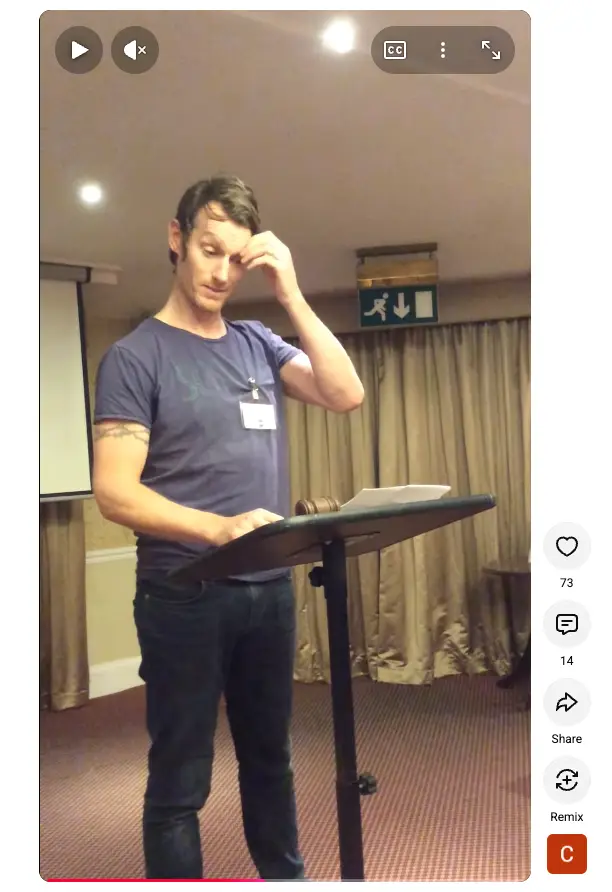
Public speaking anxiety is the fear, nervousness, or physical stress that can show up before or during a presentation, speech, interview, workshop, or other speaking situation.
For some people, this type of social anxiety disorder feels like ordinary nerves. For other public speakers, the reaction can be intense enough to make speaking feel genuinely frightening.
10 Common public speaking anxiety symptoms
Your body can react to public speaking and social situations before your mind has even caught up. Common symptoms of social phobia and public speaking nerves include:
- Racing heart: Your heartbeat speeds up as your body responds to perceived stress.
- Dry mouth: Anxiety can reduce saliva production, making it harder to speak comfortably.
- Shaking: Your hands, voice, or legs may tremble when you’re under pressure.
- Sweating: Stress hormones can trigger noticeable sweating, especially before you speak.
- Shortness of breath: Anxiety can make your breathing faster, shallower, or harder to control.
- Tight muscles: Your jaw, shoulders, neck, or chest may tense up without you realizing it.
- Nausea: A nervous stomach can make you feel sick before or during a speaking situation.
- Mind going blank: Anxiety can temporarily make it harder to recall words, ideas, or information you know well.
- Rapid thoughts: Your mind may race through everything that could go wrong.
- Strong urge to escape: You may feel an intense desire to leave the room or avoid speaking altogether.
Can people with anxiety do public speaking?
Yes. Anxiety can make public speaking harder, but it doesn’t prevent you from becoming a capable speaker.
- Practice helps: Repetition makes speaking situations more familiar.
- Preparation builds confidence: Knowing your key points reduces mental pressure and different forms of performance anxiety during public speaking situations.
- Treatment can help: Cognitive behavioral therapy and practical techniques like deep breaths can reduce symptoms of severe anxiety during your speech or presentation.
- You can speak while nervous: Confidence in your public speaking skills every time you give a speech or speak in public can grow even when some nerves remain.
- Small steps work: Start with lower-pressure public speaking opportunities and build from there to help manage your stress and anxiety.
- Skills improve: Feedback and repeated practice can make speaking in front of others and managing public speaking anxiety easier over time.
Why Does Public Speaking Cause Anxiety?
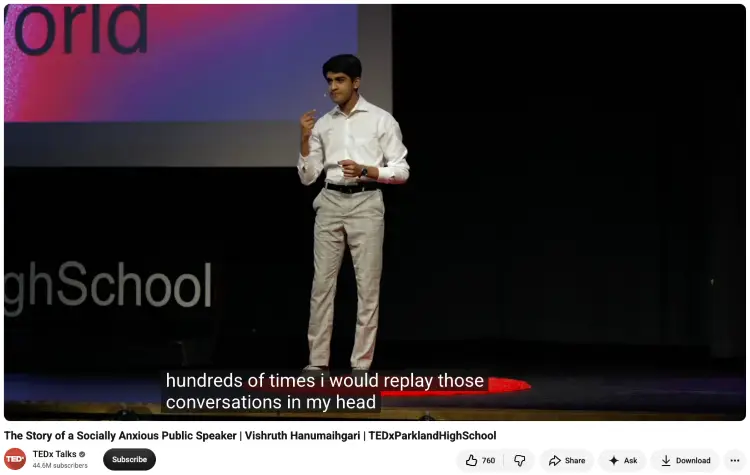
Public speaking can trigger anxiety or debilitating fear because your brain interprets being watched, judged, or evaluated as a potential threat. The stakes can feel especially high when your reputation or income is tied to what you say.
- A health coach pitching a $5,000 program on a Zoom webinar may fear getting challenged on her results.
- An author appearing on a podcast like The Tim Ferriss Show may worry about giving a weak answer.
- A startup founder presenting to investors in San Francisco may fear losing funding.
The pressure when you speak publicly can make your body react to the fear of being judged before you have time to think it through.
8 Common public speaking stressors
Specific situations can turn ordinary nerves into intense anxiety:
- Being judged: A career coach may fear sounding inexperienced while speaking to 200 HR leaders at a conference in Chicago.
- Forgetting your words: A first-time podcast guest might blank when the host asks a question they’ve rehearsed all week.
- High-stakes audiences: An entrepreneur pitching investors in New York may feel far more pressure than during a casual team meeting.
- Being recorded: Knowing a podcast interview will live online can make every sentence feel permanent.
- Unexpected questions: A fitness coach discussing weight loss on a live webinar may panic when someone challenges her methods.
- Past embarrassment: Getting laughed at during a school presentation can make future speaking situations feel threatening years later.
- Large crowds: A speaker comfortable with 15 people may freeze when facing 500 attendees at a Las Vegas conference.
- Career pressure: An author promoting a new book may feel intense pressure when every interview could affect sales, visibility, or future opportunities.
Public Speaking Anxiety Treatment Examples
Treatment depends on how much anxiety affects your work and daily life.
- Use practical techniques: Rehearse your opening, practice with a colleague, and prepare for likely questions.
- Consider professional support: Seek help when anxiety causes avoidance, missed opportunities, or significant distress.
- Talk to a healthcare professional: Get an assessment when anxiety affects your sleep, work, relationships, or daily activities.
Public speaking phobia treatment options
Therapy can help you become a confident speaker in public can reduce avoidance and build confidence through structured practice.
- Try CBT: Challenge thoughts such as “Everyone will notice I’m nervous.”
- Use exposure therapy: Progress from practicing with a coworker to leading a short presentation.
- Build gradually: A museum educator might explain one exhibit, lead a five-minute tour, then present a 30-minute program.
Public speaking anxiety drugs
Medication can be worth discussing with a doctor when public speaking anxiety is severe or keeps getting in the way of work.
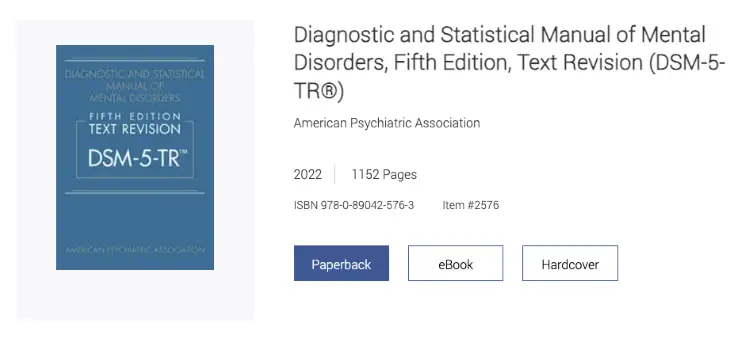
The Diagnostic and Statistical Manual of Mental Disorders, Fifth Edition, Text Revision (DSM-5-TR) includes public speaking among situations that can trigger social anxiety disorder, but plenty of nervous speakers don’t have a disorder.
- Beta-blockers: These can calm physical symptoms such as shaky hands, sweating, and a pounding heart. They’re sometimes used for one-off performances or presentations.
- SSRIs: These are commonly used for ongoing anxiety and usually need to be taken regularly to help reduce anxiety rather than right before a speech.
- SNRIs: Like SSRIs, these may help with persistent anxiety when prescribed as part of longer-term treatment.
- Benzodiazepines: These can work quickly, but dependence and other side effects make them something to discuss carefully with a doctor.
As always, remember to consult your doctor. Your symptoms, health history, and other medications all matter, so don’t borrow someone else’s prescription before your next keynote.
How to Help With Public Speaking Anxiety
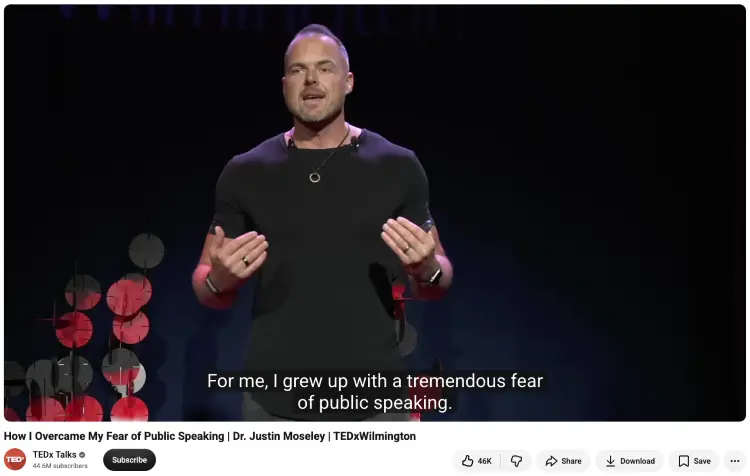
Public speaking anxiety responds well to small, repeatable changes. The goal is to make speaking situations feel increasingly familiar while giving yourself practical ways to handle anxious moments.
If you want to become a content creator or emcee but struggle with anxiety, I recommend reading through the latest public speaking fear statistics to help you see that you’re not alone, it is common, and most importantly, it is possible to overcome it.
Tips for public speaking anxiety
Small preparations can reduce uncertainty and help you feel more settled before speaking at a networking event in Austin.
- Arrive early: Give yourself 15 minutes to settle in before speaking.
- Know the room: Check the microphone, screen, seating, and stage before your presentation begins.
- Wear something comfortable: Avoid a stiff jacket or uncomfortable shoes that add physical distraction.
- Eat beforehand: Choose a familiar meal instead of arriving hungry or trying unfamiliar food before speaking.
- Limit extra stimulation: Cut back on caffeine if coffee makes your heart race before presentations.
- Tell someone: Let the event organizer know you’re nervous so you have a familiar face nearby.
6 Public speaking anxiety tricks
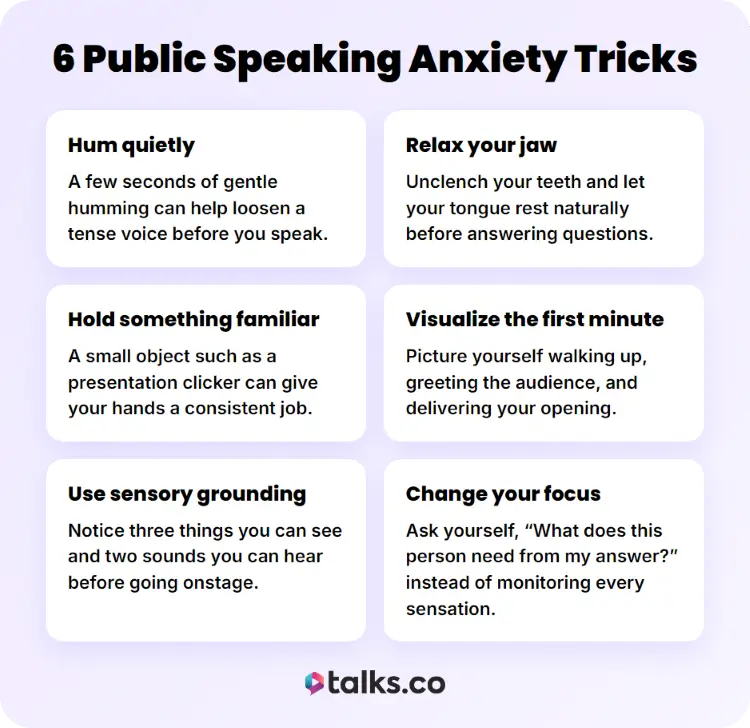
Quick physical and mental resets can help interrupt anxious thoughts just before you speak or answer questions.
- Hum quietly: A few seconds of gentle humming can help loosen a tense voice before you speak.
- Relax your jaw: Unclench your teeth and let your tongue rest naturally before answering questions.
- Hold something familiar: A small object such as a presentation clicker can give your hands a consistent job.
- Visualize the first minute: Picture yourself walking up, greeting the audience, and delivering your opening.
- Use sensory grounding: Notice three things you can see and two sounds you can hear before going onstage.
- Change your focus: Ask yourself, “What does this person need from my answer?” instead of monitoring every sensation.
Strategies for public speaking anxiety
Longer-term strategies work best to overcome the fear of public speaking when they gradually increase your exposure while giving you practical ways to recover from difficult moments.
- Create a speaking ladder: Rank situations from a private video recording to a 300-person keynote and work upward.
- Repeat difficult moments: Practice answering the same challenging question until it stops feeling unfamiliar.
- Track your recovery: Note how long it takes your symptoms to settle after each speaking experience.
- Practice interruptions: Ask a colleague to interrupt your presentation so unexpected moments become easier to handle.
- Build recovery skills: Decide beforehand what you’ll do if you forget a statistic, lose your slide, or misspeak.
- Review outcomes: After speaking, record what actually happened rather than relying on your anxious memory.
How to deal with public speaking anxiety
When anxiety shows up, resist the urge to treat every physical sensation as a warning sign. Your heart can race while you still deliver a strong presentation.
- Name the sensation: Recognize “My hands are shaking” without predicting that the audience will notice.
- Keep speaking: Continue through mild nervousness instead of stopping at the first uncomfortable sensation.
- Accept imperfect moments: A stumbled sentence rarely carries the significance it has in your head.
- Return to structure: Move to your next planned idea if you lose your train of thought.
- Stay after speaking: Spend a few minutes chatting with attendees instead of immediately escaping the room.
- Review your evidence: Compare what you feared would happen with what actually happened.
How to Cure Public Speaking Anxiety (Checklist)
You may not be able to erase every nervous feeling before you speak, but you can make public speaking anxiety far easier to manage. Use this checklist before your next presentation, when you get booked for a podcast interview, workshop, or keynote:
☐ Identify your triggers: Write down the specific situations that make you anxious.
☐ Prepare your key points: Know what you want the audience to remember.
☐ Practice aloud: Rehearse your opening, transitions, and closing.
☐ Start small: Build experience with lower-pressure speaking opportunities.
☐ Control your breathing: Slow, steady breaths can help calm physical symptoms.
☐ Challenge anxious thoughts: Question predictions about embarrassing yourself or failing.
☐ Record yourself: Review your delivery and track improvements over time.
☐ Get professional help: Consider therapy when anxiety causes significant avoidance or distress.
How to overcome public speaking anxiety
When anxiety hits while you’re on stage, focus on simple actions that steady your body and keep your attention on the audience.
Use these public speaking tips during your next presentation or to help you be more confident in becoming a public speaker:
- Slow your breathing: Inhale gently through your nose and exhale slowly before continuing.
- Pause on purpose: Take a brief pause between points instead of rushing to fill the silence.
- Plant your feet: Keep both feet grounded and relax your shoulders to create a steadier posture.
- Look at friendly faces: Make eye contact with supportive audience members, moving naturally from one person to another.
- Speak to one person at a time: Treat the presentation like a series of individual conversations.
- Use your notes as prompts: Glance down for your next point, then look back up and continue.
- Slow your pace: Deliberately speak a little more slowly than feels natural.
- Focus on the message: Redirect your attention from how you feel to what the audience needs to understand.
- Use a reset phrase: Say, “Let me put that another way,” or “The main point is…” if you lose your place.
- Take a sip of water: A brief drink gives you a natural pause and helps you reset before continuing.
Your Nerves Don’t Get to Decide
You do.
Public speaking anxiety treatment can make the difference between avoiding the mic and becoming comfortable enough to use it. Once you have the tools to manage your nerves, start putting your voice in more rooms.
Talks can help.
Create your free Talks profile, get matched with relevant podcasts, and start connecting with hosts who are looking for experts like you.
The people getting booked are already making themselves available. You can too.
Yes! I Want My Free Talks Profile Now!


